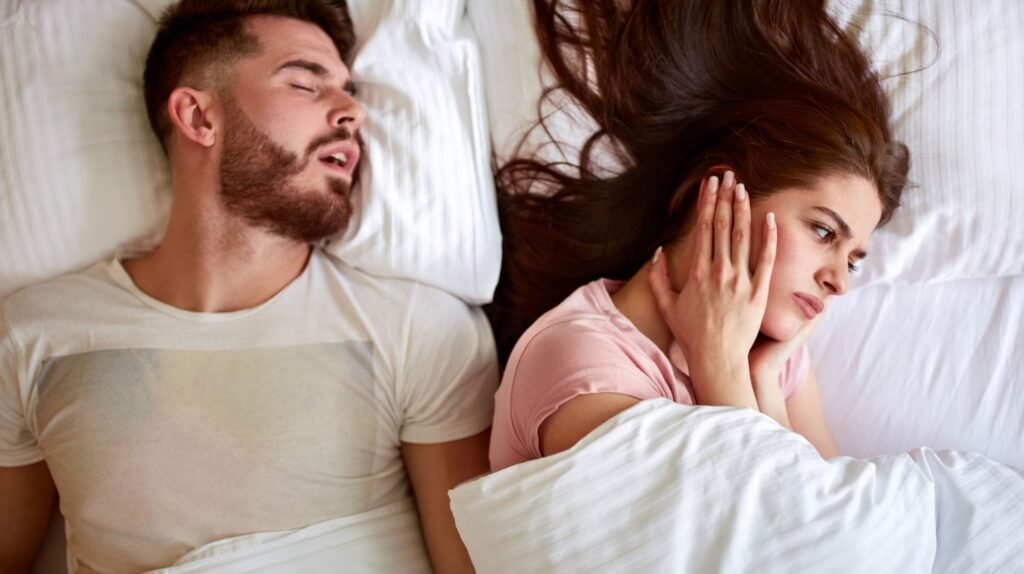
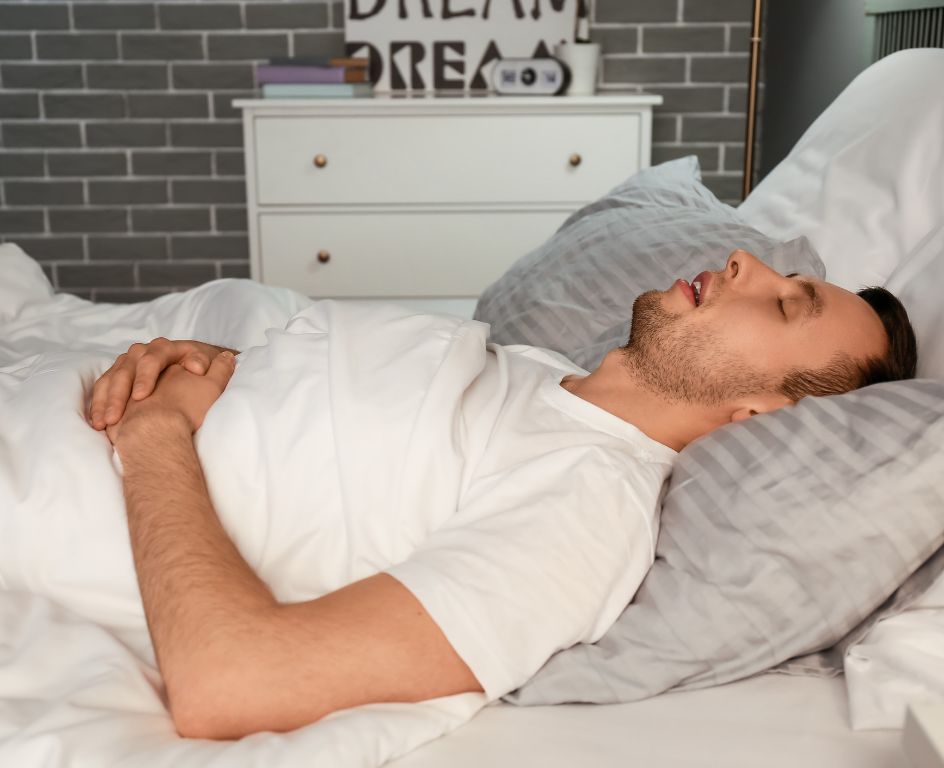
Snoring is a problemwhich affects millions of people worldwide. Often underestimated, it can lead to serious health consequences, such as sleep apnoea, hypertension or chronic fatigue. Contrary to what you may think, snoring is not just an annoying sound - it is a signal that the body is struggling to get air to flow freely.
Expert advice: Dr Kamil Wysocki, Wellclinic doctor, talks about how snoring affects the body and how laser treatment of snoring It enables you to get rid of this problem effectively.
The mechanism behind snoring
Snoring is not a „harmless sound of sleep”. It is a sign that the flow of air in the respiratory tract breathing is laboured, and one does not breathe freely at night. It occurs when, during sleep, there is a narrowing of throats. Muscles soft palate, the tongue and the back of the throat relax more than they do during the day. The narrow space causes air to flow with resistance, and the tissues begin to vibrate. It is these vibrations that produce the sound of snoring.
For some people, this results in nothing more than a noise. For others, it leads to a partial or complete blockage of airflow, that is to say sleep apnoea. At that point, breathing stops for a few or several seconds, and the body reacts by automatically „waking up” the nervous system. Sleep is not continuous at this stage, although the patient often does not remember this.
Why is snoring harmful to your health?
1. snoring increases the risk of cardiovascular disease
The most serious problem arises when episodes occur sleep apnoea.
Every time you hold your breath, the oxygen level in your blood drops. Your body reacts immediately. Your heart rate increases, and your blood pressure and triggers stress responses.
If this happens repeatedly throughout the night, the circulatory system is under constant strain. Over time, this can lead to hypertension, heart rhythm disorders and an increased risk of heart attack i stroke.
„Research shows that people with untreated sleep apnoea are twice as likely to suffer a heart attack or stroke as those without the condition” says Dr Kamil Wysocki, a doctor at Wellclinic.
2. Snoring can shorten your life by as much as a few years
Regular breathing disturbances during sleep do not just result in tiredness. Recurring hypoxia and fragmented sleep affect the whole body. They place a strain on the cardiovascular and metabolic systems, and also increase the risk of developing obesity.
People who snore chronically often report chronic fatigue, a decline in immunity and an increased risk of obesity. Untreated sleep apnoea It may reduce life expectancy, not because of a single factor, but because of the cumulative effects of stressors that build up over the years.
3. Snoring reduces quality of life and concentration
Sleep is not fulfilling its restorative function. Even if someone sleeps for 7–8 hours, the body repeatedly interrupts the deep stages of sleep in order to restore airway patency respiratory tract. This happens without us realising it.
During the day, there is fatigue, a loss of concentration, irritability and drowsiness. Some people also experience memory problems and are slower to make decisions.
This has practical implications. It increases the risk of errors at work and on the roads. That is why diagnostics sleep apnoea It is standard practice amongst professional drivers in many countries. A lack of rest also affects mental well-being and relationships. Chronic fatigue reduces resilience to stress, and loud snoring often disturbs a partner’s sleep.
How to stop snoring? - 3 effective methods
Many people wonder: how to stop snoring, especially when the problem escalates and begins to affect the quality of sleep and daily functioning. Although treatment of snoring at the National Health Fund It often involves surgical procedures, the effectiveness of which can be limited, and the recovery process can be lengthy. Fortunately, there are alternative, non-invasive ways of dealing with snoring.
1. change in diet
One of the most common factors that make snoring worse is overweight. Adipose tissue in the neck and throat can mechanically narrow the airways, which increases resistance to airflow during sleep. In practice, it is not only body weight itself that matters, but also its distribution. Fat reduction in the neck area often improves airway patency and reduces the severity of snoring.
It helps to limit alcohol intake before bedtime, as it relaxes the throat muscles and increases tissue collapse. It is also important to avoid heavy meals in the evening, as these can impair sleep quality and the functioning of the diaphragm.
2. exercises to strengthen throat muscles
Muscles throats i soft palate They are not passive structures. They respond to tension and can be strengthened through regular exercise. Their purpose is to improve the stability of the tissues whilst sleeping, so that they collapse less under the influence of airflow.
The most commonly used methods include language exercises, controlled movements of the lower jaw and working on the tension in the throat muscles through the repeated articulation of sounds. In some cases, this helps to reduce the severity of snoring, particularly in milder forms of the condition.
3. laser treatment of snoring - a non-invasive alternative
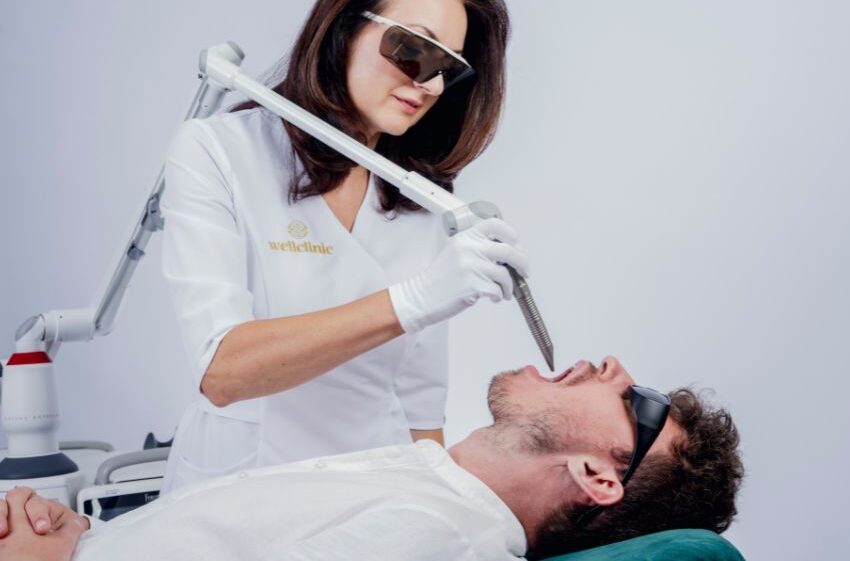
One modern solution is laser treatment of snoring. As opposed to operational methods, Laser therapy is painlessIt is non-invasive and does not require any convalescence. It involves gentle contraction of the tissues of the soft palate to help improve airway patency.
Thanks to its precise technology, laser snoring treatment is an attractive alternative for people who are unwilling or unable to undergo surgery of questionable effectiveness.
Laser treatment for snoring - do you qualify?
Snoring is not only a nuisance, but also a serious health risk. It can lead to heart disease, chronic fatigue and even reduced life expectancy. If you notice any of the following symptoms of sleep apnoea or you want to get rid of snoring effectively, it is worth taking an interest in modern treatment methods snoring. Thanks to non-invasive laser treatment for snoring, you can improve the quality of your sleep and your health without pain or a long recovery period.
If snoring is affecting your sleep or that of your loved ones, it is worth finding out the cause and choosing the right treatment in consultation with a specialist. Make an appointment for a consultation – our specialists will draw up a personalised treatment plan. We carry out laser treatments for snoring at our clinics in Warsaw, Gdansk i Krakow.