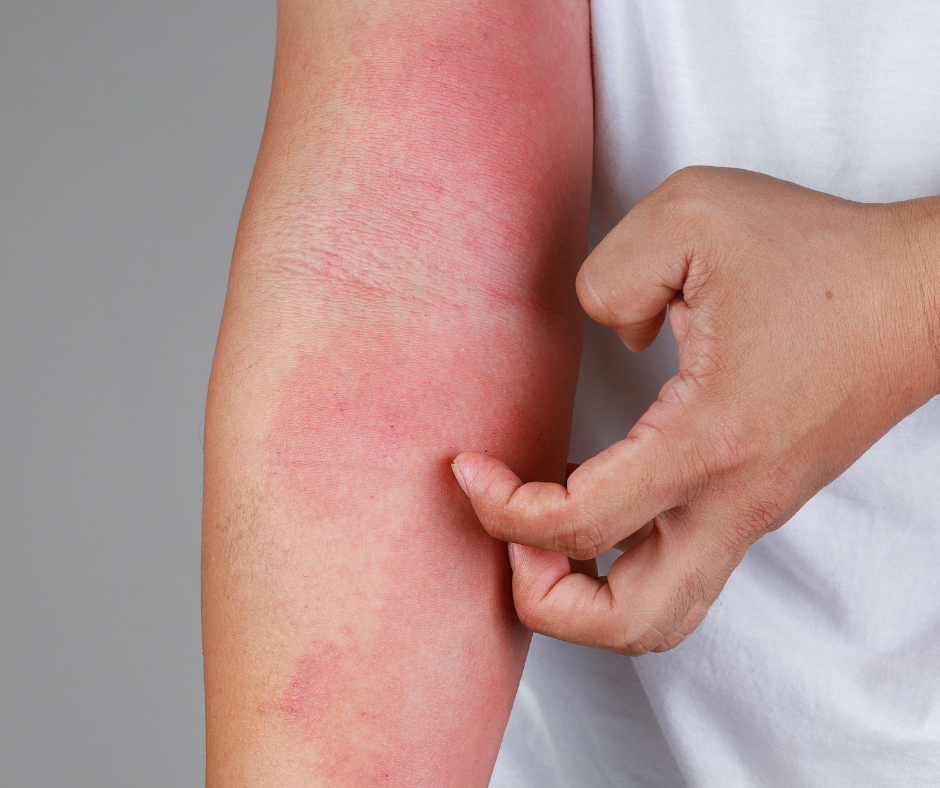
Atopic dermatitis (AD), also known as atopic eczema, is a chronic, recurrent inflammatory skin condition. Its development is linked, amongst other things, to a disruption of the skin’s barrier function and an abnormal immune system response. The most common symptoms include itching, dryness, redness and flaking of the skin.
The condition usually begins in childhood, although atopic dermatitis in adults It also occurs. Atopic dermatitis is a chronic condition, with periods of flare-ups and remission, and the severity of the symptoms depends, amongst other things, on individual predisposition and environmental factors.
Development atopic dermatitis is determined by a variety of factors. Genetic predisposition, impaired skin barrier function, an abnormal immune response and environmental factors all play a role. In some people, contact with certain allergens may contribute to a worsening of symptoms. These may include, amongst others, food allergens, pollen, dust mites and animal dander. Symptoms may also be exacerbated by stress, dry air, low temperatures and contact with irritants.
Symptoms of atopic dermatitis They vary in severity depending on age, individual predisposition and the stage of the disease. The most common symptoms are intense itching, dry skin, redness and flaking of the skin. During flare-ups, blisters, oozing, skin cracks and scabs may also appear. Chronic scratching can lead to thickening of the skin and increased irritation. Periods of flare-ups alternating with periods of remission are characteristic of atopic dermatitis.
Atopic dermatitis It is a chronic condition, so treatment focuses primarily on relieving symptoms, restoring the skin barrier and reducing the frequency and severity of flare-ups. Depending on the severity of the condition, your doctor may recommend topical or systemic treatment.
The basis of daily skincare for atopic dermatitis is the regular use of emollients, which help to reduce water loss and support the proper functioning of the skin barrier. It is also important to avoid factors that exacerbate symptoms and to use mild products for cleansing and skin care.