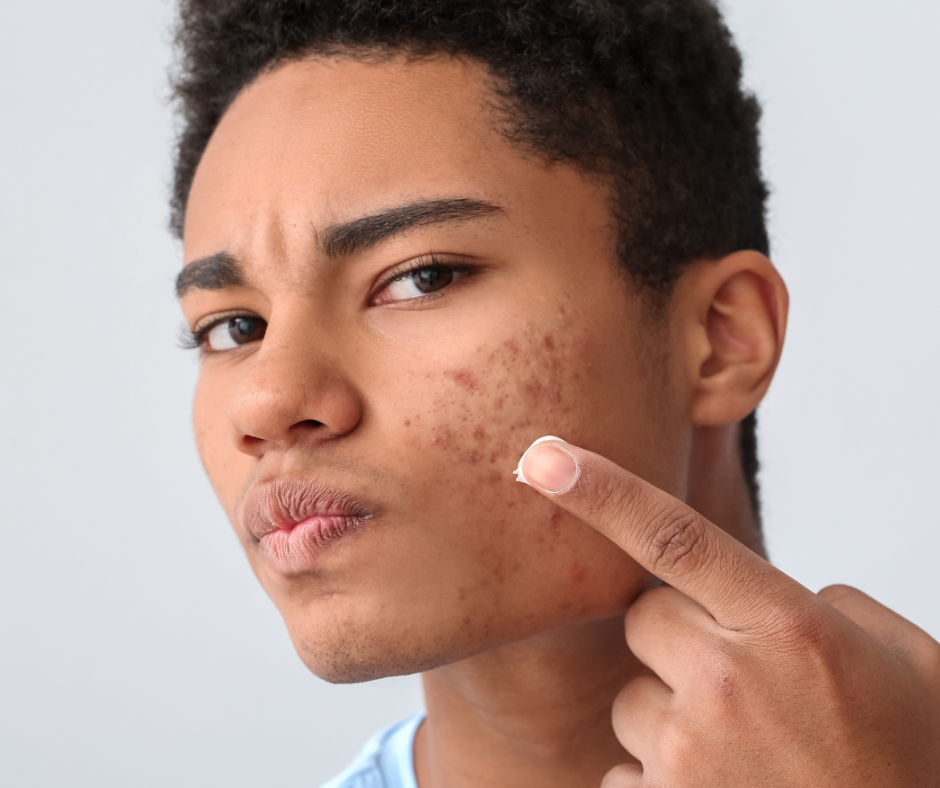
Active acne are constantly developing lesions on the skin, most often forming sharpened clusters. We distinguish between acne vulgaris, suppurative, clustered, scarring, rosacea and triggered. It is one of the most frequently diagnosed skin diseases of various causes, in the course of which blackheads, papules and pustules appear. Over time, the disease leaves an unpleasant reminder in many patients in the form of discolouration and acne scars.
Active acne - causes
The cause of acne (transformation into the active phase) are most often hormonal changes, allergies, poor diet and nutritional deficiencies. Excessive consumption of sugar and salt, among other things, exacerbates skin imperfections. Genetic factors and chronic stress are also important. In some people active acne is caused by inadequate skin care. Dermatosis is promoted, for example, by the use of aggressive cleansing products that strongly dry out the skin.
Recent studies suggest that the composition of intestinal microbiota can play a role in the formation and aggravation of acne. When the balance of bacteria in the gut is disrupted, there can be an increase in inflammation, changes in immune function and hormonal disturbances that affect the condition of the skin.
.
Active acne - symptoms
Active acne most often involves the T-zone, although imperfections can also extend to the décolletage, back or shoulders. Symptoms of acne in the active phase are different types of lesions, such as pimples, papules, blackheads, cysts or nodules, which may be filled with pus and cause pain when touched. Sometimes acne lesions cause itching, burning and redness. After the acne lesions have subsided, numerous scars (atrophic or hypertrophic) and hyperpigmentation may remain on the skin.
Active acne - treatment
Acne should never be underestimated. It is a dermatological condition that requires individually tailored therapy. Acne treatment active may include topical preparations (ointments, creams) as well as oral agents (e.g. antibiotics).
An increasingly common solution is also laser treatment of active acnewhich does not cause the side effects associated with pharmacotherapy. The laser platforms work on the deep layers of the skin, eliminating existing inflammation. The number of sessions is selected individually, depending on the case in question.
If there are any worrying changes on the skin that may indicate the development of acne you should visit your doctor or the aesthetic medicine clinics - A prompt diagnosis can prevent years of scarring and aggravation of the skin problem.
Recommended treatments for acne and acne scars:
Removal of acne scars
Chemical peeling in the treatment of acne
Laser treatment of active acne