
 Katarzyna Pawłowska
 11.05.2026
 Table of contents
Nowadays, thanks to the dynamic development of medical science, we increasingly understand the mechanisms responsible for the functioning and health of c1TP4Persons. Advanced scientific research now makes it possible to describe more precisely what is microbiota. This internal ecosystem plays a key role in maintaining the body's balance, influencing immunity, metabolism, regulation of inflammation and the rate of ageing.
Why are the gut so important?
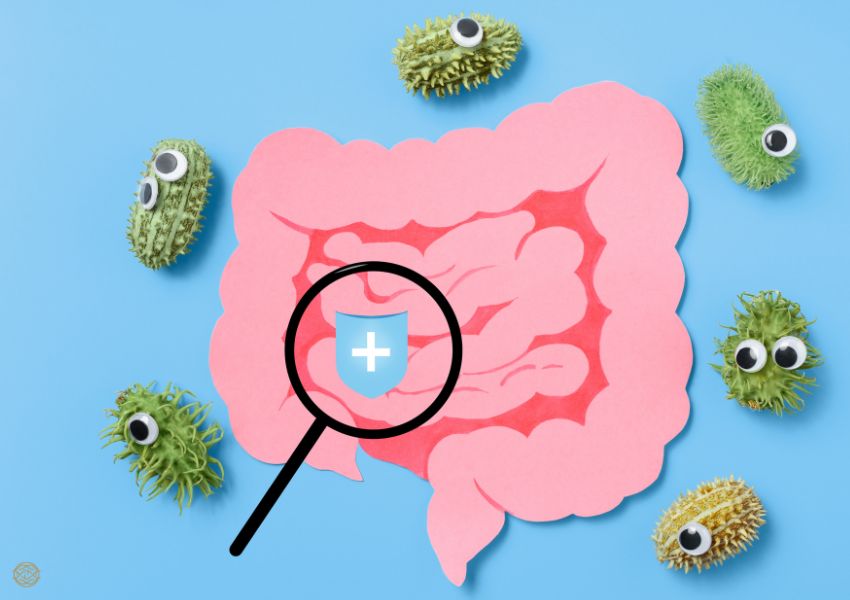
What is microbiota? The microbiota is an „internal ecosystem” that works together with the c1TP4Personal organism, without which the proper functioning of the gut and immunity would be impaired.
Gut microbiota forms a layer of protective mucus, which increases the tightness of the intestines. This allows our body to absorb amino acids, fats, vitamins, carbohydrates and minerals, i.e. everything that is responsible for the body's proper development and energy production. Gut microbiota also influences communication between the gut and the immune system and supports the maintenance of body homeostasis.
This collection of micro-organisms has extremely important tasks:
- seals the intestinal barrier so that toxins do not enter the blood,
- supports epithelial regeneration so that metabolic processes can take place properly,
- nourishes intestinal cells, helping to keep the body healthy,
- regulates the immune response, allowing the body to defend itself more effectively against disease.
We should also remember that the intestinal barrier is not just mucus and epithelial cells. It is also the vast number of immune cells just below it. This is where leukocytes „learn” to recognise threats in order to produce antibodies and eliminate them from the body.
In this context, it is also worth mentioning The microbiome, which encompasses not only the microorganisms themselves, but also their genetic material and the functions they perform, which affect metabolism, immunity and the overall health of the body. This is why microbiome is not only crucial for bowel function, but also for wellbeing, energy levels and the condition of the entire body.
What happens when the gut goes out of balance?
The most important thing is to microbiota was properly balanced. Any abnormalities in the digestive system that occur can contribute to a number of negative reactions from the body, such as abnormal intestinal peristalsis, bloating, diarrhoea, constipation or weakened digestion. Such ailments also contribute to a greater susceptibility to viral and bacterial infections and a general weakening of the immune system. This state of microbiota imbalance is referred to as intestinal dysbiosis.
Intestinal dysbiosis can lead to the development of inflammatory bowel disease, which underlies many diseases such as ulcerative colitis and other inflammatory bowel diseases. In such cases, the intestinal barrier is weakened and there is an increase in pathogenic microbial activity, which further exacerbates inflammation and disrupts the functioning of the entire gastrointestinal tract.
Dysbiosis can include changes in the composition of the microbiome, which is the collection of microorganisms that inhabit the body, including bacteria, viruses and fungi. Under normal conditions, they form a 1TP4Consistent ecosystem in which they interact with each other to help maintain the body's balance. Therefore, even small disruptions to this balance can affect the functioning of the digestive tract and the normal course of digestive processes.
Disorders intestinal microbiota can occur after antibiotic therapy, poor diet, chronic stress or exposure to pathogens, among others. They can also exacerbate symptoms such as irritable bowel syndrome, which is associated with abdominal pain, irregular bowel movements and irritable bowel. In these situations, the microbiota and the immune system do not function properly, leading to imbalances in the body.
In such situations, the immune system may incorrectly recognise the „enemy” and begins to react in an inadequate manner, which can lead to autoimmune reactions directed against the body's own tissues and promote the development of autoimmune diseases such as celiac disease, Hashimoto's disease, rheumatoid arthritis (RA) or multiple sclerosis.
All this does not happen by chance, it is a consequence of loss of intestinal tightness, chronic inflammation and impaired communication between the gut and the immune system.
What influences a healthy microbiota?
On what, then, does it depend whether our microbiota is healthy and strong? The answer is simple - from the diet and especially the soluble and insoluble fibre found in it, which is the „fuel” for the good bacteria. Composition intestinal microbiota is largely dependent on daily eating habits and the quality of the products consumed. Diet rich in fibre promotes the maintenance of a stable intestinal environment and the production of beneficial bacterial metabolites. It is from fibre that short-chain fatty acids such as butyric acid are produced, which are responsible for intestinal tightness and immunity. It is advisable to include products such as pickles in the daily diet, which naturally support the growth of beneficial bacteria.
A diet limiting the intake of simple sugars, highly processed foods, excess artificial food additives and antibiotic and pesticide residues is important to protect the intestinal barrier.
Importance of microbiota is particularly evident in the large intestine, where it populates a huge number of microorganisms and is involved in key metabolic processes. Its balance is also hugely influenced by physical activity, which supports peristalsis and the overall function of the digestive system.

The intestines and the ageing process
What is the importance of the gut in the ageing process? Chronic inflammation is one of the main mechanisms of ageing. In a situation leaky gut barrier collagen degradation occurs, lipid and glucose metabolism deteriorates and the risk of diseases such as cardiovascular disease and cancer increases. The health of the gut therefore has a direct impact on the body's ageing rate, as the balance of the entire internal environment depends on it.
It is therefore important to use proper diet i supplementation in order to bring about regeneration of the digestive tract, improve blood parameters and strengthen immunity.
Gut microbiota and successful weight loss
An increasing number of studies show that gut microbiota can also have a significant impact on weight reduction process. The composition of the gut bacteria influences the metabolic rate, sugar metabolism the feeling of satiety and how the body stores energy. Microbiota disorders can promote chronic inflammation, insulin resistance and a greater propensity for fat accumulation, particularly in the abdominal area.
Healthy microbiota Promotes efficient digestion and nutrient utilisation. It regulates the hormones responsible for appetite, such as leptin and ghrelin. This makes it easier for the body to maintains energy balance and reduces hunger attacks and cravings for highly processed foods.
In the case of microflora disorders toxins and pro-inflammatory substances can enter the bloodstream, disrupting metabolism and hindering the weight reduction. Therefore, rebuilding the gut microbiota through a proper diet, physical activity, limiting sugar and highly processed foods and support with probiotics and prebiotics can be an important part of weight loss therapy.
How is the gut microbiota studied?
Microbiota testing is usually performed from a stool sample, which the patient collects at home using a special diagnostic kit. A small amount of the material is then sent to the laboratory, where the composition of the micro-organisms inhabiting the intestines is analysed. Modern genetic methods are used for this, such as the analysis of Microbial DNA, This makes it possible to accurately determine their diversity and the proportion of individual bacterial strains. This makes it possible to detect disorders such as intestinal dysbiosis, and performance evaluation intestinal microflora. The microbiota test is completely non-invasive and painless, and the results can provide important clues in the assessment of gastrointestinal health and further diagnosis.
Probiotics and prebiotics in rebuilding the microbiota
Since gut microbiota is crucial for immunity, ageing and metabolic processes, can we support it deliberately? Correct - while it should be done wisely.
In 2001, researchers from International Scientific Association for Probiotics and Prebiotics have defined probiotics as „living micro-organisms” that, when administered in adequate amounts, provide health benefits to the „host”. Probiotics, including the natural probiotics present in fermented foods, can support the restoration of bacterial flora, reduce inflammation, promote intestinal tightness, inhibit the proliferation of pathogens and enhance immunity, which translates into proper body function.
In turn prebiotics They act as a nutrient source for beneficial gut bacteria, supporting their growth and activity. They help to increase microbial diversity and maintain a healthy balance of the gut microbiota. During the fermentation of prebiotics in the gut, short-chain fatty acids are produced, including butyric acid, which play a vital role in maintaining the body’s health and the proper functioning of the digestive tract. In this way, they support the balance of the gut environment, limit the growth of pathogens and help maintain the proper function of the digestive system. A regular intake of prebiotics supports the restoration of the gut microbiota, which is important for overall health and the functioning of the body.
Microbiota as the foundation of longevity
A healthy gut microbiota It affects digestive processes, inflammation and the body’s general condition. A healthy microbiota has a huge impact on the body’s proper functioning, including the maintenance of its foundations longevity. A healthy body has all the strength it needs to prevent any inflammatory reactions and to produce the energy required for all vital processes. A healthy gut microbiome supplies energy to the cells, making us happier and full of energy to pursue our goals. The gut microbiota can also be regarded as a key element in communication between the gut and the immune system, which determines the body’s overall balance.
Gut microbiota is a key element intestinal ecosystem, conditioning its stability and proper functioning. Its importance is particularly important for the health of człowie, as it influences metabolism and the functioning of the immune system.
Probiotics and prebiotics in all of this are part of anti-inflammatory, metabolic and immunomodulatory therapies. Let's remember that true rejuvenation starts with rebuilding the microbiota.
Would you like to know more about the Wellclinic range? Consult with our medical staff, who tailor the therapy to your needs.
FAQ - Gut microbiota and gut health
What is the gut microbiota and what functions does it perform?
The intestinal microbiota is the collection of micro-organisms that populate the gut. It supports digestion, influences immunity, maintains the tightness of the intestinal barrier and is involved in the production of beneficial metabolites.
What are the symptoms that may indicate a disturbance of the gut microbiota?
Symptoms include bloating, abdominal pain, diarrhoea, constipation, weakened digestion and more frequent infections due to reduced immunity.
What is intestinal dysbiosis?
Intestinal dysbiosis is a disorder of the intestinal microbiota in which there is a decrease in beneficial bacteria and an increase in potentially pathogenic microorganisms.
How does diet affect gut health and the microbiota?
Diet is crucial for the gut microbiota. Fibre-rich products and natural ingredients support the growth of beneficial bacteria and proper intestinal function.
What products support the growth of beneficial gut bacteria?
Pickles, vegetables, fruit and whole-grain products rich in fibre, which provide a breeding ground for good bacteria, work best.
Can stress negatively affect the gut microbiota?
Yes, chronic stress can disrupt the microbiota, impair gut function and exacerbate digestive symptoms.
How do antibiotics affect the gut microbiota?
Antibiotics can destroy not only harmful but also beneficial bacteria, leading to disruption of the r microbiota.
Why is fibre important for the gut?
Fibre supports intestinal peristalsis and provides a food source for bacteria that produce beneficial short-chain fatty acids.
Does gut health affect immunity?
Yes, the gut is an important part of the immune system, as it contains numerous cells responsible for defending the body.
What impact does the gut microbiota have on the ageing process?
A healthy microbiota helps reduce inflammation, supports metabolism and can slow down the body's ageing process.
Sources:
- Nature Reviews Microbiology "Diet-microbiome associations"
https://www.nature.com/articles/s41575-026-01205-9 - PubMed Central® (PMC) "The Gastrointestinal Microbiome: A Review"
https://pmc.ncbi.nlm.nih.gov/articles/PMC5787212/ - PAP Science in Poland "Expert: gut microbiome testing could become the new diagnostic standard"
https://naukawpolsce.pl/aktualnosci/news%2C110097%2Cekspert-badanie-mikrobiomu-jelitowego-moze-stac-sie-nowym-standardem - Jagiellonian University in Kraków "Microbiome functions are key to a precise assessment of gut health"
https://it.uj.edu.pl/aktualnosci/-/journal_content/56_INSTANCE_H9tbEG5S8jIY/10172/158284924 - International Scientific Association for Probiotics and Prebiotics (ISAPP)
https://isappscience.org/









 +48 600 100 177