
 Katarzyna Pawłowska
 21.05.2026
 Table of contents
Sleep apnoea professionally known as OBS (obstructive sleep apnoea), is a condition characterised by repeated episodes of breath-holding or airflow limitation through the airways during sleep. It is characterised by recurrent pauses in breathing lasting at least 10 seconds.
One of the main causes of sleep apnoea are abnormalities in the structure of the upper respiratory tract that cause a decrease in muscle tone during sleep, resulting in collapse of the pharyngeal walls. Its narrowing or complete obstruction follows.
Failure to recognise the condition can lead to serious health consequences. It is even said that a significant proportion of road traffic accidents are caused by sleep apnoea in drivers. This sleep disorder – if left undiagnosed and untreated – can lead to serious consequences. If you are struggling with this condition, you will probably want to know whether sleep apnoea Is it treatable? Find out what the symptoms of sleep apnoea are, how to recognise it and how to treat it.
Symptoms of sleep apnoea and indications for treatment
Obstructive sleep apnoea can develop gradually and remain undiagnosed for a long time. Often it is the partner or household members who first notice the characteristic pauses in breathing during sleep. Risk factors include. overweight, chronic rhinitis, curvature of the nasal septum and hypertrophy of the tonsils. The problem can also be exacerbated after the consumption of alcohol and sleep medication, which can lead to relaxation of the throat muscles and impede the free flow of air.
During sleep, the patient often snores irregularly and experiences pauses in breathing lasting up to several seconds. It is also not uncommon to experience sudden awakenings, accompanied by feeling of anxiety, accelerated heartbeat and dyspnoea. There may also be excessive sweating and a frequent need to urinate at night.
Many people are unaware of the problem for a long time because the symptoms may seem unrelated to sleep. What are the other symptoms of nocturnal apnoea? Common, though less obvious, symptoms include a dry mouth upon waking, night-time palpitations, teeth grinding and a feeling of breathlessness in the early morning.During the day, patients feel the effects of sleep deprivation. Regardless of how long they have slept, they complain of morning headaches, severe fatigue and excessive sleepiness, as well as irritability and difficulty concentrating. Many people also experience a decline in work performance. Some patients also suffer from memory problems and so-called. „brain fog”, making daily functioning more difficult. Lack of sleep can additionally affect mood, causing irritability, lower motivation and reduced mental wellbeing. If these symptoms sound familiar, consider the following diagnosis of sleep apnoea.
What is the difference between sleep apnoea and snoring?
How does sleep apnoea manifest itself? Diagnosing apnoea is not always easy, as symptoms can be varied and subtle. Snoring may or may not be related to sleep apnoea. It is often due to a partial airway obstruction, but it can also be one of the symptoms of obstructive sleep apnoea (OBS). Sometimes patients opt for surgical treatment of snoring without prior diagnosis, which can be a serious mistake. This is because after surgery, the most noticeable symptom may disappear, i.e. snoring, whilst breathing disturbances during sleep will continue.
The key difference is that simple snoring is not always associated with periodic respiratory arrest. With sleep apnoea, there is a temporary closure of the airway, leading to a drop in blood oxygen levels and brief awakenings. The patient often has no memory of these microbursts, However, their consequence is a lack of proper recovery during sleep.
What are the most common types of sleep apnoea?
Sleep apnoea occurs in several forms that differ in their mechanism of onset. The good news is that all of these disorders can be treated.
Obstructive sleep apnoea (OBS) occurs when the muscles and soft tissues of the throat relax during sleep. It leads to narrowing or closure of the upper airway. It is often accompanied by loud snoring or „snarling”. It is the most common form of sleep apnoea.
Central sleep apnoea (CSA) results from a disruption of the respiratory centre in the brain, which stops sending signals to the muscles responsible for breathing. In this case, the airway remains clear, but breathing temporarily stops. This type is less common than OBS.
Mixed sleep apnoea combines features of both obstructive and central apnoea.
How common is obstructive sleep apnoea?
Epidemiological studies carried out in Poland indicate that symptoms of this disease may affect approximately 11.2% men and 3.4% women. It is also estimated that after the age of 40 obstructive sleep apnoea may even involve more than 25% men, showing that it is a significant health problem in this age group. Apnoea is more common in men over 40. i women over 50 (post-menopausal).
Is obstructive sleep apnoea dangerous?
In people suffering from obstructive sleep apnoea (OBS) there is an increased risk of cardiovascular diseases, hypertension, diabetes, obesity, and even stroke i heart attack.
Sleep apnoea negatively affects the functioning of the entire body. Repeated hypoxia during sleep affects deterioration of immunity i development of inflammation. An additional risk is excessive daytime fatigue, which can lead to dangerous situations behind the wheel or during work that requires concentration.
Sleep apnoea can also affect the appearance and recovery rate of the body. Hypoxia i impaired quality of sleep often worsen the condition of the skin, promote facial puffiness and dark circles under the eyes and can cause tired-looking skin. Impaired nocturnal regeneration can further contribute to a loss of skin firmness and the appearance of signs of fatigue more quickly. Proper sleep plays a key role in collagen production, hormonal balance and the body's natural regeneration processes.
During sleep, the body undergoes intensive regeneration. This is when the nervous system is rebuilt and immunity is strengthened. Sleep also affects brain function, memory and energy levels. Sleep-disordered breathing interfere with these processes, which can lead to chronic fatigue.
Early diagnosis and appropriately selected therapy can effectively limit the development of the condition and improve daily functioning comfort. Therefore, it is not worth underestimating even apparently harmless symptoms.
Can sleep apnoea lead to death?
In extreme cases, untreated, severe sleep apnoea may increase the risk of sudden, life-threatening events during sleep, including cardiovascular incidents leading to death. This is particularly true for people with co-morbidities, such as hypertension, coronary artery disease or cardiac arrhythmias, in whom chronic hypoxia and cardiovascular stress can lead to sudden sleep failure.
Anatomical factors favouring the occurrence of sleep apnoea
Some features of anatomical structure may increase the risk of developing obstructive sleep apnoea. These include. narrow jaw, retracted or small mandible, enlarged tongue, hypertrophy of the tonsils and curvature of the nasal septum. Such conditions may restrict airflow through the respiratory tract, favouring the occurrence of apnoeic episodes.
During sleep, physiological relaxation of the throat muscles, which, combined with anatomical abnormalities, can lead to further narrowing of the airway lumen. As a consequence, airflow becomes obstructed or periodically completely stopped, resulting in drops in blood oxygen levels and brief awakenings. Repeated episodes of this type disturb the dream structure, leading to chronic fatigue i excessive sleepiness.
How to diagnose sleep apnoea?
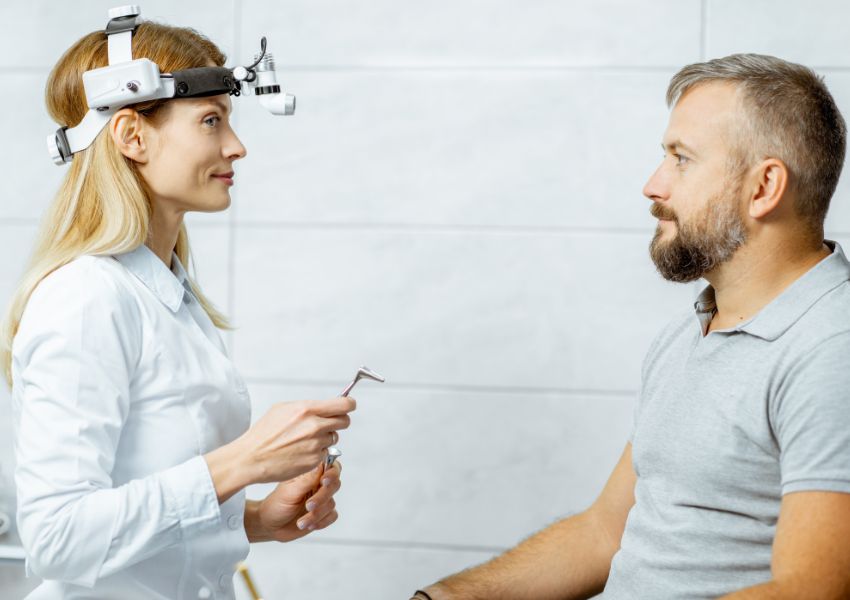
The basis of effective treatment of sleep apnoea is proper diagnosis. The process begins with a detailed medical history in which the specialist assesses the quality of sleep, the frequency of awakenings and the level of fatigue during the day. In the next stage, additional tests are often recommended to determine the number of episodes of respiratory arrest and the degree of hypoxia. The most commonly used methods include:
Polysomnography
Polysomnography is a diagnostic test that allows a detailed assessment of various sleep parameters such as brain activity, heart rhythm, eye movements, muscle tension and blood oxygen levels. During the patient's nocturnal sleep, EEG (electroencephalography), ECG (electrocardiography), EMG (electromyography) and EOG (electrooculography) signals, among others, are recorded. Due to the use of sophisticated medical equipment, polysomnography is most often performed in a hospital setting or in specialised diagnostic centres.
Home sleep study (polygraph)
Home sleep study, i.e. printing, is a simplified diagnostic method performed at home. It involves the overnight monitoring of selected respiratory parameters of the patient during sleep to assess the quality of breathing and detect apnoeic episodes. The study allows an initial assessment of breathing disorders during sleep without the need for hospitalisation.
Nocturnal pulse oximetry
Nocturnal pulse oximetry is a non-invasive screening test that monitors blood oxygen saturation levels and heart rate during sleep. This makes it possible to detect dangerous drops in saturation, which can result from obstructive sleep apnoea (OBS) or chronic obstructive pulmonary disease (COPD), among others.
Laboratory tests
Laboratory tests, of which blood count, may provide indirect information about the effects of chronic hypoxia, which often accompanies sleep apnoea. One possible abnormality is an elevated haematocrit and haemoglobin level, resulting from the body's compensatory response to oxygen deprivation. In addition, other non-specific changes can sometimes be seen in the results, such as abnormalities in lipid or glucose metabolism, which can co-occur with obstructive sleep apnoea and increased risk of cardiovascular disease.
ENT examination
ENT examination allows the structure of the upper airway to be assessed and any changes that may impede the free flow of air during sleep to be detected. During the examination, the doctor can assess, among other things. condition of the nasal septum, size of tonsils, palate structure soft tissue and the presence of other anatomical changes that may favour the occurrence of sleep-disordered breathing.
Epworth Sleepiness Scale
Epworth Sleepiness Scale is a questionnaire to assess the degree of daytime sleepiness that often accompanies sleep apnoea. The patient determines the likelihood of falling asleep in various everyday situations, such as watching TV, working at the computer or travelling by car. Based on the results of the questionnaire, an appropriate therapy can be selected.
Treatment for sleep apnoea – which methods are most effective?
Can sleep apnoea be cured? Under the heading „sleep apnoea treatment” encompasses a range of treatment methods, tailored to each patient’s individual needs. Treatment of sleep apnoea depends on the type and severity of the disease and the individual characteristics of the patient. One of the most commonly used treatments is CPAP therapy (continuous positive airway pressure). CPAP apparatus is a mask worn over the nose, connected to a device that creates a slight positive pressure in the airway. This keeps the upper airway clear during sleep, reducing the occurrence of apnoeic episodes and improving breathing and sleep quality.
CPAP therapy is recognised as an effective treatment for moderate to advanced sleep apnoea. Many people notice an improvement in sleep quality, a reduction in daytime sluggishness and higher energy levels after the first few nights of using the device. Treatment does not require surgery or pharmacotherapy, but the effectiveness of the treatment depends on regular use of the device.
Celon therapy It is one of the treatments for obstructive sleep apnoea and chronic snoring. It uses radiofrequency energy to reduce the volume of and tighten the tissues of the soft palate and throat. As a result, the airways are less likely to collapse during sleep, which can reduce the number of apnoea episodes and improve sleep quality. The procedure is carried out under local anaesthetic and does not require hospitalisation.
In situations where other treatment methods are unsuccessful, surgical treatment may be necessary. Surgical causative management in obstructive sleep apnoea includes, inter alia. palatal plasty, removal of enlarged tonsils, as well as correction of anatomical defects, such as curvature of the nasal septum or hypertrophy of the nasal conchae.
Until quite recently treatment for sleep apnoea was mainly associated with CPAP therapy and surgical methods. However, advances in modern medical technology have made it possible to introduce less invasive methods to aid the treatment of snoring and sleep apnoea. These include, amongst others,. laser therapy, which aims to improve the tension of the tissues of the palate and pharynx.
Laser therapy as an alternative to surgical treatment
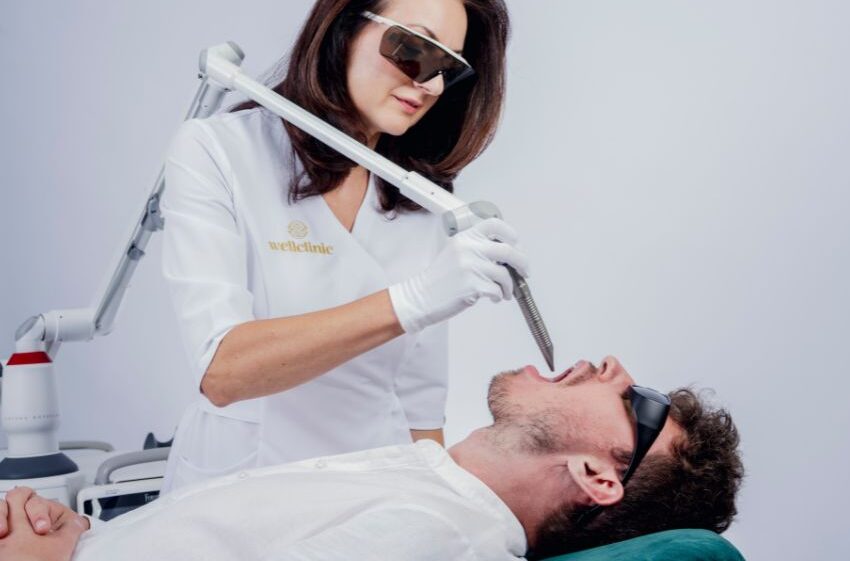
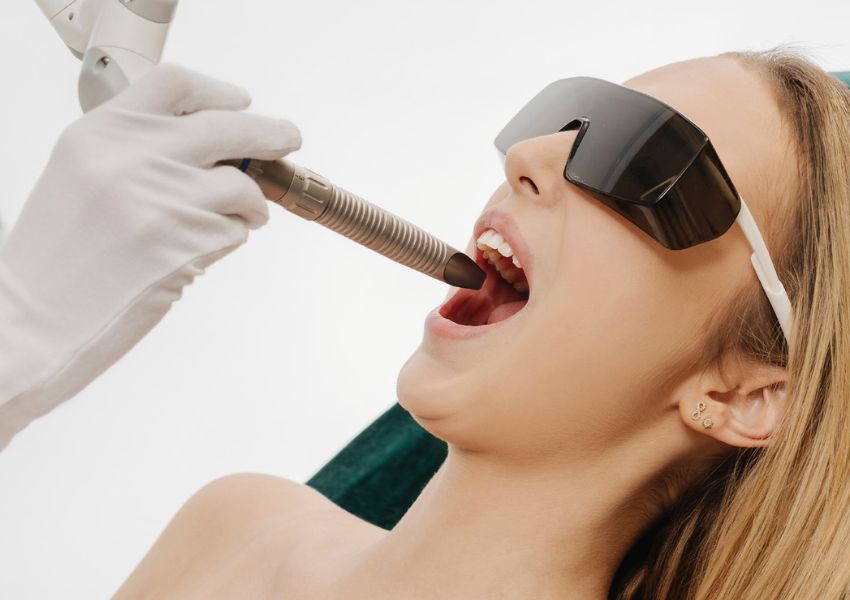
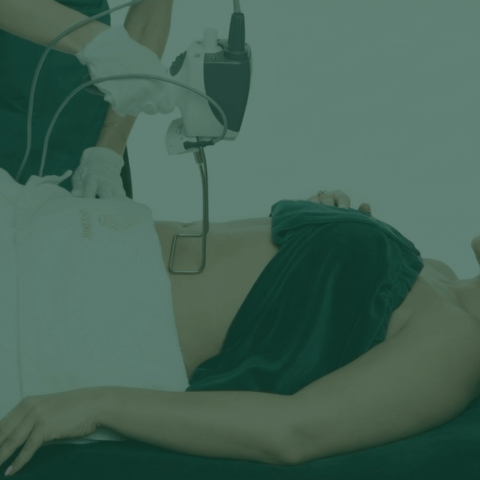
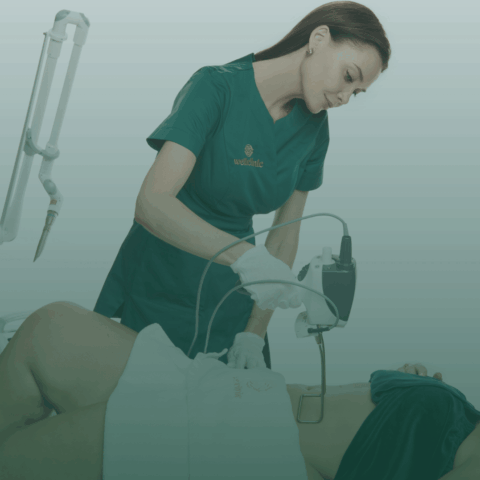
Laser treatment of snoring aims to improve the tension of the tissues of the palate and throat, which can help to reduce snoring and improve airway patency during sleep. The therapy takes place without the use of a scalpel and does not require long convalescence. Sleep apnoea therapy uses Fotona Dynamis SP Pro laser technology with Er:YAG laser.
Compared to traditional surgical methods laser treatment stands out low invasiveness, The solution is a very effective solution, with no need for hospitalisation and the possibility of a quick return to daily activities. As a result, this solution is often chosen by people who cannot afford a longer recovery period.
The therapy begins with a consultation and qualification for the treatment. The specialist then performs irradiation of selected areas of the throat and palate using the Fotona Dynamis SP Pro laser.
The patient may feel a slight warmth during the procedure, but the procedure usually does not require anaesthesia and is well tolerated. The whole procedure usually lasts from a dozen to several dozen minutes. Once the treatment is completed, the patient can return to daily activities the same day. For optimal results, a series of treatments tailored individually to the severity of the problem is recommended.
How does laser treatment for snoring and sleep apnoea work?
How is it possible that the laser is able to affect the airways? During treatment and laser irradiation new collagen fibres are formed. The treated space benefits from firmness, elasticity i stiffness. As a result, the risk of sagging and flaccid tissues during sleep, which can cause frequent awakenings and breathing problems, is reduced. Thanks to treatment with the Fotona laser There is an increase in airway patency, improved airflow and a reduction in tissue vibrations responsible for snoring. Patients often notice an improvement in the quality of their sleep after the first treatments - the easier falling asleep, waking up less often during the night and greater energy levels throughout the day. Improving the quality of breathing also has a positive effect on concentration, mood and daily functioning.
After the treatment, the patient may experience mild throat irritation or slight discomfort, which usually resolves spontaneously within a short time. Immediately after the treatment, it is recommended to avoid very hot drinks, alcohol and intense exercise.
Laser treatment of snoring and sleep apnoea - effectiveness and results of treatment
Clinical trials indicate a high level of patient satisfaction - more than 80% people declared satisfaction with the effects of the therapy, and in one study as much as 96.7% patients positively evaluated the results one month after the end of treatment. Some patients with mild OBS also showed an improvement in the rate of AHI (Apnea-Hypopnea Index), which is used to assess the severity of apnoeic episodes and shortness of breath during sleep.
Meta-analysis of seven clinical trials involving 247 patients showed a significant reduction in snoring intensity in VAS scale. The therapy is recognised as minimally invasive and safe - does not require anaesthesia and reported side effects are usually mild and transient, such as a dry throat. Long-term observations show that improvements in sleep quality are maintained without side effects even several years after the end of therapy.
Lifestyle changes in sleep apnoea therapy
Sleep apnoea is a condition that requires treatment and its therapy is usually long-term. For this reason, it is also extremely important to take care of sleep hygiene, which can provide important support for treatment.
Effectiveness of sleep apnoea therapy can be further supported by changing daily habits. It is very important to maintaining a healthy body weight and regular physical activity. The relationship between overweight and the severity of sleep apnoea symptoms has been confirmed in numerous studies. Obesity is one of the most important risk factors for the development of sleep apnoea. Excess body fat, particularly in the neck and torso area, can impede free airflow and increase the risk of apnoeic episodes. Weight reduction often contributes to reducing the intensity of symptoms and improving the quality of sleep.
Experts also recommend avoiding alcohol and heavy digestible meals before bedtime, as these can exacerbate flaccid throat tissues and worsen airway patency. It is also important to limit smoking. Smoking can lead to chronic inflammation within the upper airways, which further promotes their narrowing and impedes the free flow of air during sleep.
In many cases, the beneficial effect is also sleeping on your side, which can reduce the tendency for throat tissues to collapse during sleep. Particularly beneficial may be position on the left side, which promotes heart function and supports proper circulation. It is also recommended avoiding sleeping on the back, as apnoea symptoms can be exacerbated in this position.
It is also worth keeping the bedroom appropriate temperature, preferably between 18-21°C. Humidifying the air in the bedroom can be an additional element to improve sleep comfort. A humidifier can relieve dryness in the throat and mouth, as well as the feeling of a blocked nose that sometimes accompanies sleep apnoea
By combining appropriate therapy with lifestyle modification lasting improvements in sleep quality and daily functioning can be achieved.
Can sleep apnoea be cured?
Is sleep apnoea treatable? Sleep apnoea is a condition that requires treatment. It affects not only the patient’s health, but also the quality of life of their loved ones. Effective treatment for sleep apnoea helps to improve the quality of sleep and restore comfort in everyday life. The most advanced method of treating sleep apnoea is laser therapy, which aims to improve palatal and pharyngeal tissue tone. This can contribute to reducing the severity of snoring and apnoea episodes, thereby improving airway patency and sleep quality.
Want to know if you qualify for apnoea and snoring treatment at Wellclinic? Consult with our medical staff, who select technologies and procedures based on real health needs.
Sources:
1. (PubMed) Clinical Practice Guideline for Diagnostic Testing for Adult Obstructive Sleep Apnea https://pubmed.ncbi.nlm.nih.gov/28162150/
2. NHLBI (National Heart, Lung, and Blood Institute) - Sleep Apnea
https://www.nhlbi.nih.gov/health/sleep-apnea
3. obstructive sleep apnoea - causes, symptoms, treatment
https://www.mp.pl/pacjent/pulmonologia/choroby/74636,obturacyjny-bezdech-senny
4 Obstructive sleep apnoea - are you at risk?
https://akademia.nfz.gov.pl/artykuly/obturacyjny-bezdech-senny-czy-jestes-w-grupie-ryzyka/

Frequently asked questions
In most cases, sleep apnoea does not resolve on its own and is a chronic condition. The question of whether sleep apnoea may resolve on its own, it is often mentioned, but in practice it is rare. The condition is most commonly caused by mechanical and anatomical factors, such as narrowing of the airways, laxity of the throat tissues or being overweight. These causes do not resolve without intervention, which is why the body is unable to „cure” the problem on its own.
Untreated sleep apnoea leads to recurrent episodes of hypoxia at night, which places a strain on the cardiovascular and nervous systems. In the long term, this can result in high blood pressure, chronic fatigue and difficulty concentrating. Patients also often notice a deterioration in the quality of their sleep and a decline in their daytime performance. For some people, lifestyle changes – such as losing weight, cutting down on alcohol or improving sleep hygiene – may bring about an improvement. However, this is not always a sufficient solution.
Therefore, in most cases, specialist treatment is necessary to manage the symptoms and prevent complications.
Duration of treatment in the case of the treatment of sleep apnoea and its duration It depends on many factors, primarily on the cause of the condition and its stage of progression. In some patients, the first effects of treatment become apparent very quickly, particularly when CPAP therapy is used, as it takes effect from the very first night. Patients often notice an improvement in sleep quality, reduced fatigue and better concentration after just a few days.
In cases where sleep apnoea is linked to being overweight, the treatment process can be lengthy, as weight loss takes time and requires consistency. The same applies to surgical treatment, where improvement occurs gradually following a period of recovery. In many cases, sleep apnoea is a chronic condition, which is why treatment does not end after a few weeks but requires ongoing monitoring.
It is also important to monitor the effects of treatment regularly and adapt it to the patient’s needs. The earlier treatment is started, the greater the chance of a lasting improvement in quality of life. The most advanced method of treating apnoea is laser therapy.
Sleep apnoea is not a directly inherited condition, but in practice it is often observed to run in families. This is because The hereditary nature of sleep apnoea relates primarily to anatomical features and metabolic predispositions, rather than the disease itself. Families may share similar craniofacial features, such as a receding lower jaw, a narrow palate or a specific structure of the throat. These factors may contribute to the collapse of the airways during sleep.
Furthermore, a predisposition to being overweight or obese may also have a genetic basis, which increases the risk of developing sleep apnoea. It is worth emphasising, however, that genetics alone do not determine whether the condition will develop. Environmental factors, such as lifestyle, diet, physical activity and sleep hygiene, are also of great importance.
Sleep apnoea should therefore be regarded as a multifactorial condition in which genes increase susceptibility but do not determine whether the condition develops.
The diagnosis and treatment of sleep apnoea usually require the collaboration of several specialists. The first step is usually a consultation with an ENT specialist, who assesses the patency of the upper airways and checks for any anatomical obstructions. A pulmonologist or sleep medicine specialist is then often consulted to carry out specialist tests, such as polysomnography.
Depending on the cause of the problem, an orthodontic or surgical consultation may also be necessary, particularly if the problems stem from the structure of the upper or lower jaw. For patients who are overweight, dietary support is also important, as weight loss can significantly reduce the severity of symptoms.
Speaking of a doctor specialising in sleep apnoea, it is important to bear in mind that this is not a single specialism, but a team of specialists working together on the diagnosis and treatment of the patient. This approach makes it possible to effectively eliminate both the symptoms and the causes of the condition. The most advanced method treatment of snoring and sleep apnoea is laser therapy.
Sleep apnoea has a significant impact on road safety and is recognised as one of the risk factors in road traffic. People suffering from this condition often experience excessive daytime sleepiness, even after a seemingly restful night’s sleep. In practice, this means that sleep apnoea and driving This poses a real danger to the driver and other road users.
Patients may experience so-called ‘microsleep’ – short, uncontrolled episodes of falling asleep – which are particularly dangerous whilst driving. There is also a slowing of reaction times, reduced concentration and a poorer ability to assess the situation on the road. As a result, the risk of accidents increases significantly, especially on long journeys or when driving at night.
Treatment for sleep apnoea, for example using CPAP therapy, can significantly improve alertness and reduce the risk of road traffic accidents. Therefore, diagnosis and treatment are also of crucial importance in terms of safety.
It is advisable to consult a specialist when the first symptoms suggesting sleep-related breathing disorders appear. These most commonly include loud snoring, pauses in breathing noticed by family members, and frequent night-time awakenings. In such situations, one may suspect the development of sleep apnoea and its symptoms, which often worsen gradually.
During the day, you may experience chronic fatigue, drowsiness, a loss of concentration and memory problems. Morning headaches, a dry mouth and a feeling of not having had enough sleep despite having slept for a sufficient length of time are also cause for concern. These symptoms affect day-to-day functioning and can lead to serious health complications, such as high blood pressure or heart disease.
Early diagnosis, such as a sleep study, allows a condition to be quickly confirmed or ruled out, and effective treatment to be started. The sooner a patient sees a specialist, the better the prognosis.

 +48 600 100 177