Najgorsze w trądziku dorosłych nie jest to, jak wygląda dzisiaj. Jest to, że może nie zniknąć jutro. Kolejne tygodnie mijają, zmiany pojawiają się wciąż od nowa, a Ty zaczynasz przyzwyczajać się do skóry, z którą wcale nie chcesz żyć. Próbujesz nowych kosmetyków, zmieniasz pielęgnację, zakrywasz niedoskonałości makijażem. Na chwilę jest lepiej. Później wszystko zaczyna się od początku.
Adult acne potrafi być przewlekły i nawracający. Zmiany często są głębokie, bolesne i długo się goją. Pojawiają się przede wszystkim w dolnej części twarzy – na brodzie, wzdłuż żuchwy oraz na szyi. Z czasem problem może obejmować nie tylko kolejne wykwity, ale również przebarwienia, blizny i nierówną strukturę skóry.
Co ważne, trądzik nie kończy się wraz z okresem dojrzewania. Coraz częściej dotyczy osób po trzydziestym, czterdziestym, a nawet pięćdziesiątym roku życia. I właśnie dlatego nie warto zakładać, że trzeba go po prostu przeczekać.
Jeżeli zmiany regularnie wracają, skóra daje Ci sygnał, że potrzebuje czegoś więcej niż kolejnego kosmetyku. Zabiegi na trądzik dorosłych mogą wspierać ograniczenie stanu zapalnego, regulację wydzielania sebum oraz procesy regeneracyjne skóry. Odpowiednio dobrane działania pozwalają skoncentrować się nie tylko na widocznych zmianach, ale również na procesach zachodzących głębiej w skórze.
Causes of adult acne despite proper skincare
Many patients are convinced that, since they cleanse their skin thoroughly and use skincare products designed for problem skin, their acne should clear up. However, skincare is only one part of the treatment. In adults, the root of the problem usually lies much deeper.
For development adult acne The main contributing factors are hormonal imbalances, chronic stress and increased activity of the sebaceous glands. Excessive sebum production leads to the blockage of hair follicle openings. Blackheads form, and inflammation then develops. In addition, bacteria multiply within the hair follicles Cutibacterium acnes, which exacerbate the inflammatory process and hinder the healing of lesions.
Lifestyle is also a significant factor. Insufficient sleep, chronic stress, a diet rich in foods with a high glycaemic index, or smoking can worsen the condition of the skin. A growing body of research also points to the importance of the skin microbiome and disturbances in the hydrolipid barrier, which is responsible for maintaining proper moisture levels and protecting the skin against external factors.
This is precisely why effective treatment should not focus solely on removing individual lesions. It is equally important to curb the processes responsible for their development.
Indications for adult acne treatments
Not every skin imperfection requires treatment at a clinic. However, if the lesions persist for several months, recur regularly or leave discolouration and scars, it is worth consulting a specialist.
Professional treatments for adult acne They are selected on an individual basis, depending on the type of lesions and the condition of the skin. It is not only the number of lesions that matters, but also their depth, the severity of the inflammation, and the tendency to develop hyperpigmentation and acne scars.
In many cases, combination therapy yields the best results. Combining several methods makes it possible to simultaneously reduce active inflammatory lesions, improve the function of the sebaceous glands and stimulate the skin to regenerate. As a result, the effects of the therapy are more comprehensive than when a single treatment is used.
What are the most common treatments for adult acne?
The choice of treatment always depends on the clinical presentation of the skin. Skin with a predominance of blackheads requires a different approach to skin with painful inflammatory lesions or numerous scars. Therefore, a treatment plan is only drawn up following a consultation and assessment of the skin’s condition.
Some of the most commonly performed procedures are chemical peelings. Carefully selected acids zł help to exfoliate dead skin cells, unblock the sebaceous glands and support the skin’s natural renewal process. Regular treatments help to reduce the number of blackheads, even out skin tone and minimise the appearance of post-inflammatory hyperpigmentation.
Treatment is also often started by hydrogen purification. The treatment removes excess sebum, residual impurities and dead skin cells. Active hydrogen helps to neutralise the free radicals responsible for oxidative stress, leaving the skin better prepared for the next stages of treatment.
In certain cases, the following also applies microdermabrasion. Controlled złuszczanie improves the structure of the epidermis, smooths the skin’s surface and stimulates natural regenerative processes. However, the treatment is not suitable for all patients with active inflammation; therefore, a specialist will decide whether it is appropriate during a consultation.
The following is also playing an increasingly important role in therapy: laser acne treatment, which allows the deeper layers of the skin to be targeted and helps to curb the mechanisms responsible for the development of inflammatory lesions. The next section of the article is devoted to this method.
Laser treatment for acne – an effective therapy for active inflammatory lesions
In the case of adult acne Skincare alone is often not enough to manage chronic inflammation. Topical creams and treatments can alleviate symptoms, but they do not always reach the processes taking place in the deeper layers of the skin. This is precisely why an increasingly important role is being played by laser acne treatment, which helps to reduce inflammatory lesions and helps to minimise the risk of their recurrence.
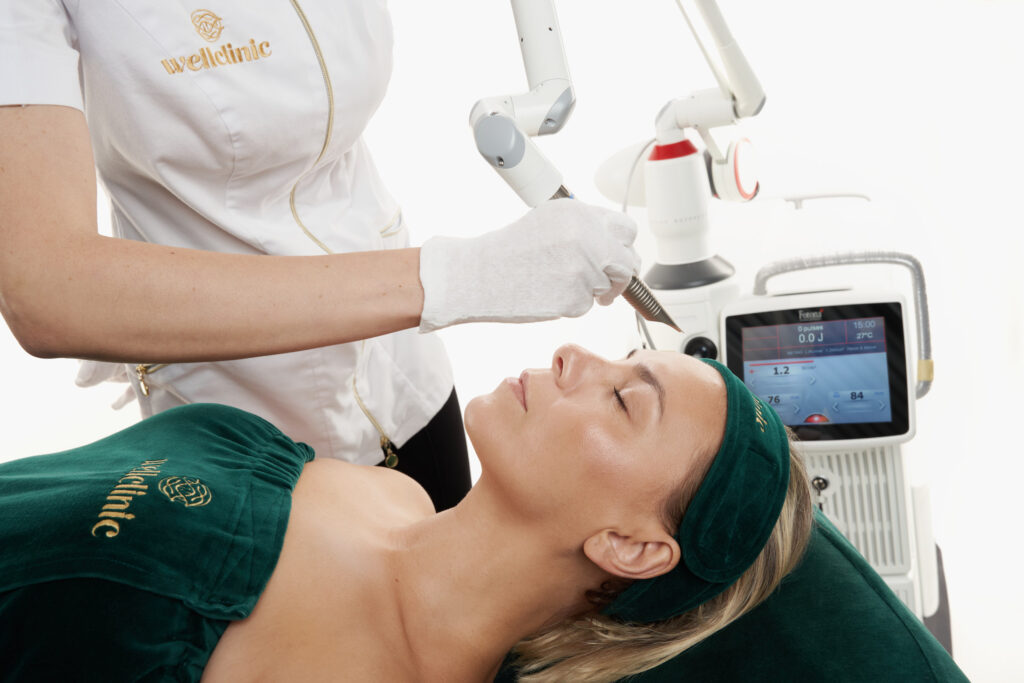
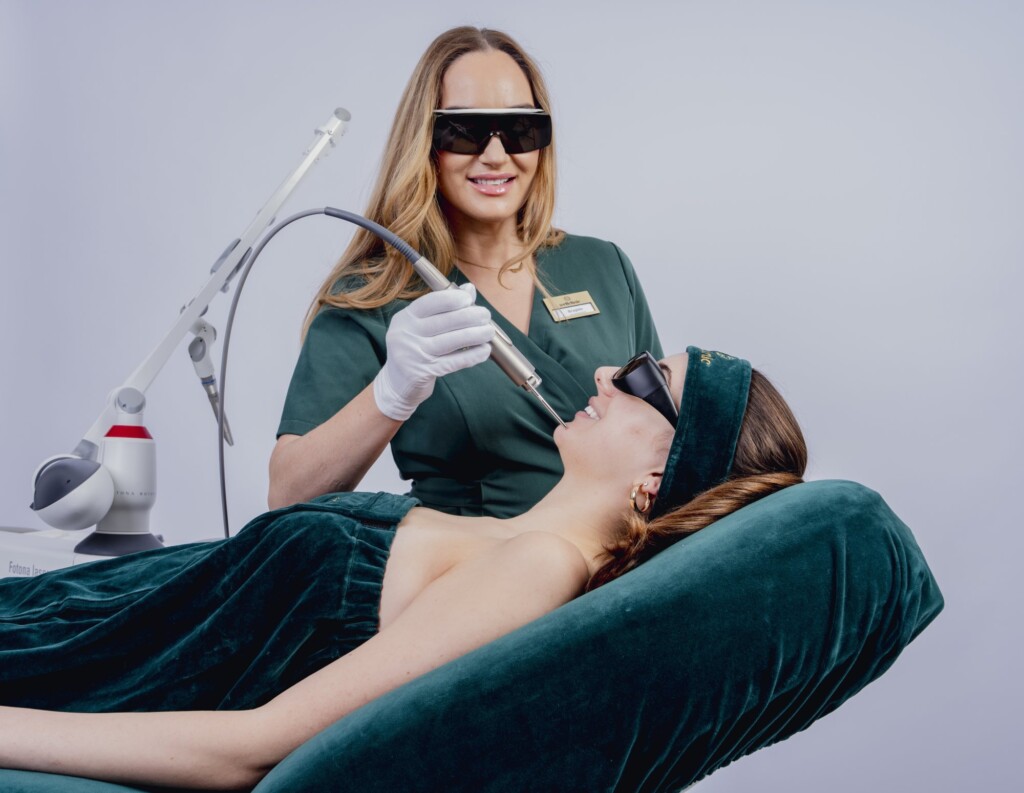
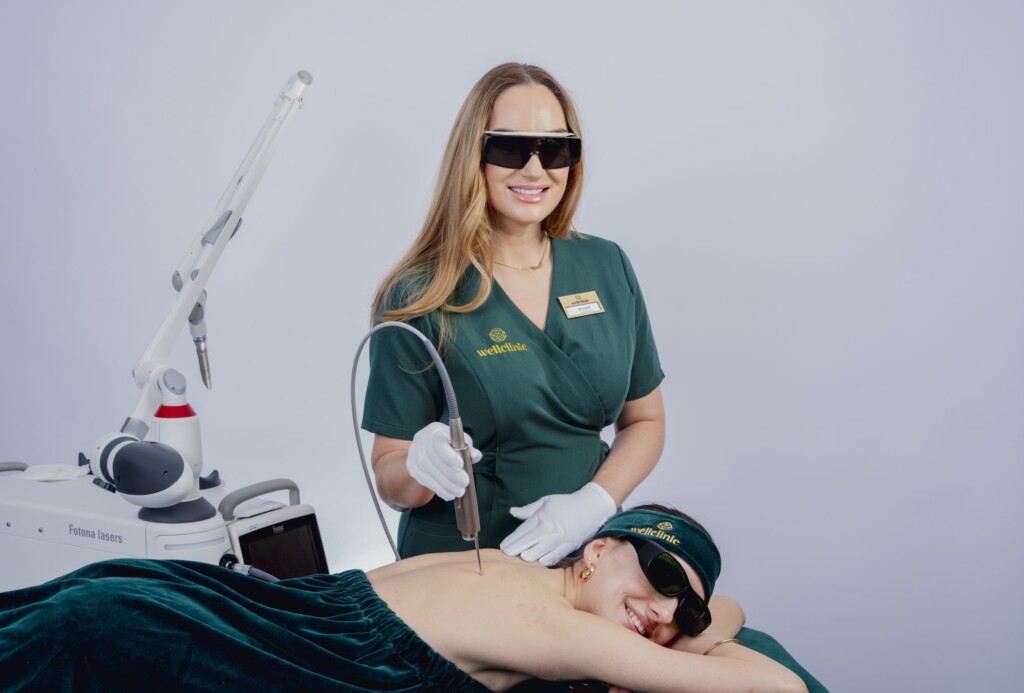
At Wellclinic, treatment is carried out using the platform Fotona Dynamis SP. The laser energy penetrates the skin with great precision, acting on the sebaceous glands, the bacteria responsible for the development of inflammatory lesions, and tissues affected by chronic inflammation. As a result, the treatment does not focus solely on removing individual spots, but helps to restore the skin’s normal processes.
One of the greatest advantages of this method is its ability to work on several levels simultaneously. The laser helps to reduce the number of active lesions, regulates sebum production and stimulates the skin’s natural regeneration. This means that with each subsequent session, not only does the appearance of the skin improve, but so does its overall condition.
How laser therapy works in the treatment of acne
The effectiveness of the treatment stems from the precise use of light energy. Fotona Dynamis SP laser It operates on the principle of selective photothermolysis. A carefully selected wavelength penetrates into the deeper layers of the skin and is absorbed by the inflamed tissues. As a result, the energy is concentrated precisely where acne lesions develop.
Controlled heating of tissues reduces bacterial activity Cutibacterium acnes, which contribute to the development of inflammatory lesions. At the same time, it reduces the activity of the sebaceous glands responsible for excessive sebum production. Less sebum means a lower risk of hair follicle openings becoming blocked and further spots forming.
The laser also affects microcirculation and stimulates fibroblasts to produce new collagen. As a result, the skin gradually regains its smoothness, its firmness improves, and the healing process proceeds more efficiently than if the lesions were left untreated.
The effects of laser treatment for acne
Performed regularly treatments for adult acne They bring about a gradual improvement in the condition of the skin. Firstly, the severity of the inflammation is reduced, and active lesions begin to subside. Over time, excessive sebum production is also reduced, meaning the skin becomes less oily and is less prone to the development of new lesions.
Laser therapy also supports the body’s natural tissue-regeneration processes. Collagen fibres are remodelled, the skin’s structure improves, and post-inflammatory hyperpigmentation becomes less visible. In many patients, a gradual reduction in the depth of fresh acne scars, which helps to restore a more even skin texture.
The final result depends primarily on the regularity of the treatment and a properly tailored treatment plan. In most cases, a course of three to five sessions, carried out at intervals of two to four weeks, is recommended.
The course of laser therapy
Every treatment begins with a consultation, during which a specialist assesses the type of skin changes, their severity and the overall condition of the skin. This enables the appropriate laser settings to be selected and the number of sessions to be planned.
The treatment itself lasts around 45 minutes. During the procedure, the laser handpiece is moved across the surface of the skin, and the energy targets the inflamed areas. Most patients feel only a gentle warmth or a slight tingling sensation. Immediately after the treatment, there may be some slight redness, which usually subsides within a few hours.
The fact that there is no long recovery period means that laser acne treatment It can easily be combined with your day-to-day work commitments. After the treatment, you simply need to follow the appropriate aftercare routine, protect your skin from intense sunlight and follow the specialist’s advice.
Treatments for acne scars following the completion of active acne treatment
Active inflammation is just one of the problems faced by people suffering from adult acne. Even after the skin changes have subsided, visible marks often remain. Discolouration, uneven texture and acne scars They can persist for many years and affect the appearance of the skin just as much as the acne itself.
The scar-forming process begins whilst inflammatory lesions are still healing. If the inflammation affects the deeper layers of the skin, the collagen and elastin fibres are damaged. The body begins to rebuild them, but the newly formed tissue does not always replicate the skin’s original structure. As a result, indentations, unevenness and characteristic atrophic scars appear.
In therapy acne scars is used Erbium-YAG laser platforms Fotona Dynamis SP. The laser energy stimulates fibroblasts to produce collagen more intensively and promotes the regeneration of damaged tissue. With each subsequent session, the skin’s surface becomes smoother, its firmness improves, and scars gradually become less noticeable.
Skin regeneration following laser treatment occurs in stages. The production of new collagen fibres continues for many weeks after the treatment has finished, which is why the final results are not immediately apparent. The skin gradually regains a more uniform texture, its firmness improves, and the marks left by years of acne become less and less visible.
Jak długo utrzymują się efekty leczenia trądziku?
There is no single answer to the question of how long the results of treatment last. Much depends on the cause of the acne, lifestyle, hormonal balance and daily skincare routine.
For people who follow their specialist’s advice and look after their skin regularly, the effects can last for a long time. The skin produces less sebum, the number of inflammatory lesions decreases significantly, and the risk of recurrence remains considerably lower than before treatment began.
However, if the problem is caused by hormonal imbalances or chronic stress, treatment should also involve eliminating the factors triggering these changes. In such cases treatments for adult acne They are an important part of treatment, but the best results are achieved through a holistic approach to skin health.
Nie czekaj, aż trądzik zostawi po sobie trwały ślad
Nie czekaj, aż trądzik sam zdecyduje, kiedy się skończy. Każdy kolejny nawrót to kolejny stan zapalny, a wraz z nim ryzyko przebarwień, blizn i trwałych zmian struktury skóry. To, co dziś można jeszcze wyciszyć, z czasem może wymagać znacznie bardziej złożonej terapii.
Jeżeli od miesięcy walczysz z trądzikiem, a kolejne kosmetyki tylko chwilowo poprawiają wygląd skóry, to nie jest moment na kolejną próbę przeczekania problemu. Im dłużej zwlekasz z odpowiednio dobraną terapią, tym dłużej skóra pozostaje w stanie zapalnym i tym większe znaczenie może mieć później leczenie jego następstw.
Nie pozwól, aby kilka zmian na skórze przerodziło się w problem, który zostanie z Tobą na lata. Book a consultation, podczas której specjalista oceni stan Twojej skóry, określi potrzeby terapii i dobierze odpowiednie metody działania. Zabiegi laserowe na trądzik wykonujemy w klinikach Wellclinic w Warsaw, Gdańsk and Cracow.
Sources:
- American Academy of Dermatology „Acne: Diagnosis and treatment”
https://www.aad.org/public/diseases/acne/derm-treat/treat - NICE „Acne vulgaris: management (NG198)”
https://www.nice.org.uk/guidance/ng198 - PubMed „Guidelines of care for the management of acne vulgaris”
https://pubmed.ncbi.nlm.nih.gov/38300170/ - PubMed „Acne Vulgaris: Diagnosis and Treatment”
https://pubmed.ncbi.nlm.nih.gov/34525865/ - PubMed „Light therapies for acne: abridged Cochrane systematic review including GRADE assessments”
https://pubmed.ncbi.nlm.nih.gov/28338214/ - PubMed „Laser and other light therapies for the treatment of acne vulgaris: systematic review”
https://pubmed.ncbi.nlm.nih.gov/19239470/ - DermNet „Acne”
https://dermnetnz.org/topics/acne