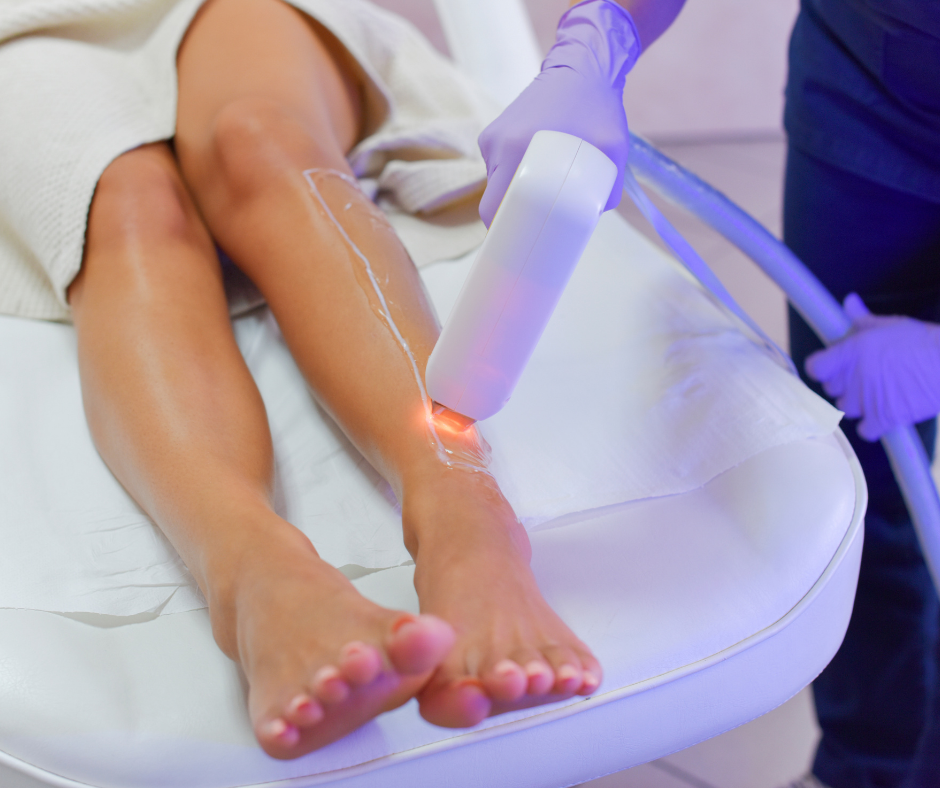
Laser depilation to metoda długotrwałej redukcji owłosienia wykorzystująca wiązkę światła laserowego. Energia lasera jest pochłaniana przez melaninę znajdującą się we włosie i mieszku włosowym, a następnie przekształcana w ciepło. Prowadzi to do uszkodzenia struktur odpowiedzialnych za wzrost włosa i stopniowego ograniczenia jego odrastania. Zabieg nie usuwa włosa mechanicznie, lecz oddziałuje na mieszek włosowy.
Laser depilation może być wykonywana na różnych obszarach ciała, m.in. na nogach, pachach, twarzy, plecach i w okolicach bikini. Skuteczność zabiegu zależy m.in. od koloru i grubości włosów, fototypu skóry oraz fazy wzrostu włosa. Ponieważ nie wszystkie włosy znajdują się jednocześnie w fazie aktywnego wzrostu, zabieg wykonuje się w serii.
W Wellclinic do laser depilation wykorzystywany jest m.in. laser Prime 3D, , którego głowica posiada szafirowe okno oraz pracuje w trybie In Motion. In Motion Technology umożliwia płynne przesuwanie głowicy po obszarze zabiegowym podczas emisji energii, co pozwala na sprawne opracowanie kolejnych partii skóry. Takie rozwiązanie jest szczególnie przydatne podczas zabiegów wykonywanych na większych powierzchniach ciała. Komfort zabiegu wspiera również system TEC Thermo-Electric Cooling, czyli system chłodzenia głowicy, który pomaga ograniczyć odczuwanie ciepła podczas emisji energii.
Depilacja laserowa jest stosowana przede wszystkim w celu długotrwałego ograniczenia owłosienia. Może być również pomocna w przypadku problemów związanych z tradycyjnymi metodami usuwania włosów, takich jak wrastające włosy, podrażnienia czy zapalenie mieszków włosowych. Przed zabiegiem należy wykluczyć przeciwwskazania, do których należą m.in. świeża opalenizna, aktywne infekcje skóry, stosowanie niektórych leków i substancji fotouczulających, ciąża oraz wybrane choroby i terapie. Kwalifikacja do zabiegu uwzględnia indywidualny stan skóry i ogólny stan zdrowia.
Want to find out more? Przeczytaj artykuł na naszym Blogu: Like działa depilacja laserowa?