Accessibility Tools

Laser depilation of the bunions

Laser depilation of the bunions

Evaluation of the article
Rated 5 out of 5
(18 votes)

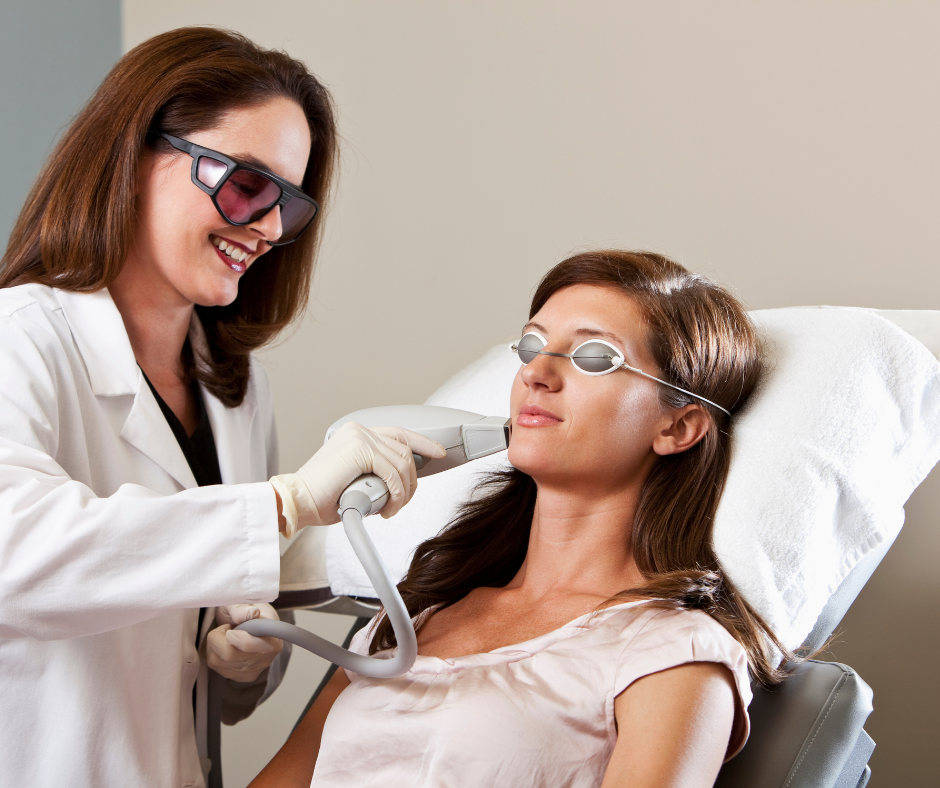
Laser depilation of the bunions This is a procedure for reducing hair growth around the temples and on the sides of the face. The treatment involves directing a laser beam at hair follicles in the active growth phase (anagen), which leads to their gradual weakening and a reduction in hair growth. The procedure is classified as a method of permanent hair reduction carried out as part of aesthetic treatments, such as depilation laser.

Laser depilation of the flanks - characteristics of the treatment

Laser depilation of the bunions It utilises laser technologies such as „In Motion” mode and the TEC (Thermoelectric Cooling) system. Their purpose is to ensure a uniform supply of energy and to control the temperature of the epidermis whilst the pulse is being emitted.

The laser energy acts selectively on the melanin in the hair follicle, leading to thermal damage to the follicle and a gradual inhibition of hair growth.

A consultation is carried out prior to the treatment, during which the hair type, skin phototype and any possible contraindications to the treatment are assessed. The effectiveness of the treatment depends on the patient’s individual characteristics and the hair growth phase.

Hair reduction occurs gradually, and a full effect requires a series of treatments.

Sideburn removal – indications

Laser hair removal of the flanks It is used to reduce facial hair and improve skin comfort in this area.

Another indication is a tendency towards ingrown hairs and skin irritation caused by shaving or other hair removal methods. The treatment is carried out on both women and men.

The main criterion for eligibility for the procedure is the absence of any medical contraindications.

Epilation of the flanks - contraindications

Contraindications to laser hair removal of the flanks These include, amongst others:

  • pregnancy and breastfeeding,
  • a fresh tan,
  • the use of photosensitising medicines and herbs,
  • active infections and skin conditions,
  • vitiligo,
  • a tendency to scarring,
  • retinoid therapy (e.g. isotretinoin – completed a sufficient time ago),
  • blood clotting disorders,
  • the use of anticoagulants,
  • epilepsy,
  • cancer,
  • the presence of a pacemaker (depending on the area being treated),
  • hormonal and endocrine diseases,
  • active autoimmune diseases.

Final eligibility for the treatment is determined on the basis of a medical history and an assessment of the skin and hair. The conditions for carrying out the procedure safely are established on this basis.

Find out which treatment plan will work best for you

Fill in the form and find out about individual therapy options.

Wellclinic ∙ Warsaw ∙ Gdansk ∙ Krakow

Search in encyclopaedia

Show more search results

Generic selectors
Exact matches only
Search in title
Search in content
Post Type Selectors
Filter by Categories
Uncategorized
Blog
What's new in the industry?
Patient stories
Metamorphoses
Slimming
Events and Successes
Treatment for women
Treatment for men
Laser treatment
Body treatment
Facial treatment
Non-invasive treatment
Slimming treatment
Rejuvenating treatment
Treatment to remove wrinkles
Treatment performed by a cosmetologist
Treatment performed by a doctor
Treatments
AI treatments

Recommended treatments

Call

Search for information

Show more search results

Generic selectors
Exact matches only
Search in title
Search in content
Post Type Selectors
Filter by Categories
Uncategorized
Blog
What's new in the industry?
Patient stories
Metamorphoses
Slimming
Events and Successes
Treatment for women
Treatment for men
Laser treatment
Body treatment
Facial treatment
Non-invasive treatment
Slimming treatment
Rejuvenating treatment
Treatment to remove wrinkles
Treatment performed by a cosmetologist
Treatment performed by a doctor
Treatments
AI treatments