
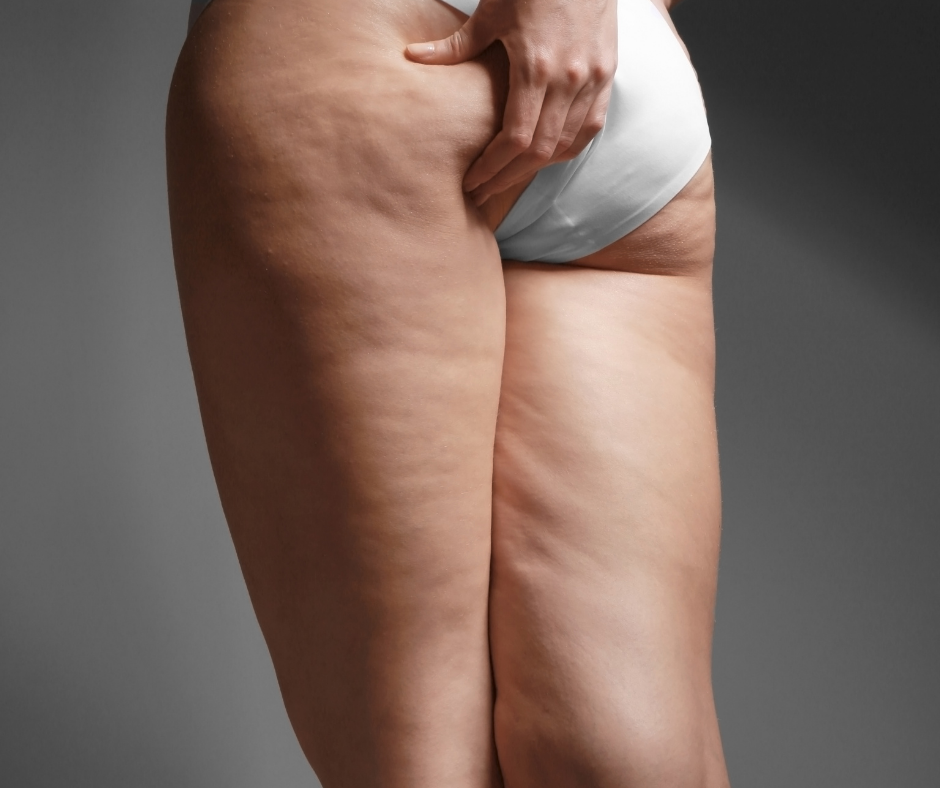
Fibrous cellulite This is an advanced form of cellulite, in which changes occur in the structure of the subcutaneous tissue and fibrosis develops around the fat cells. As a result, the following appear: hard lumps and nodules, which may be noticeable to the touch and sometimes cause pain when pressed.
Unlike milder forms, such as water cellulite or adipose cellulite, changes in the fibrous form of cellulite are more persistent and visible even at rest. In some cases, there may also be mixed cellulite, combining the characteristics of different types of cellulite.
The formation of fibrous cellulite disorders may contribute to this microcirculation, lymphatic stasis and abnormalities in the functioning of connective tissue. Over time, collagen fibres can become thicker and less elastic, leading to the formation of fibrosis. Genetic predisposition, low levels of physical activity, an unhealthy diet and excess body weight may also play a role.
The following are characteristic of fibrotic cellulite: irregularities in the skin’s surface, hard lumps, thickening and reduced tissue elasticity. These changes most commonly occur on the thighs, buttocks, hips and stomach. Cellulite is particularly common in the area buttocks.
On palpation, clusters of hard, fibrotic tissue can be felt. In more advanced stages, skin irregularities may be visible regardless of body position and do not disappear when the skin is stretched.
Treatment of fibrous cellulite is usually more demanding than in the case of earlier stages of the condition. Treatment may include procedures aimed at improving microcirculation, reducing fibrosis and stimulating regenerative processes in the subcutaneous tissue. Depending on the type and severity of the condition, the following are used, amongst others: radiofrequency, radio waves, endermassage or carboxytherapy.
Other methods may also be used in treatment, selected on an individual basis according to the condition of the skin and subcutaneous tissue. Further information on the available options can be found under the following headings: cellulite treatments and removal of cellulite.
The treatment is complemented by regular physical activity, a well-balanced diet, adequate hydration and maintaining a healthy weight. The choice of an appropriate course of action should take into account the stage of the condition and the patient’s individual needs.
Fibrous cellulite It may occur alongside other types of cellulite. For more information on its causes, types and stages, see the article: Cellulite – causes, types and stages of development
Warsaw ∙ Gdansk ∙ Krakow
Please fill in the contact form and our team will get in touch with you to arrange a convenient time for your appointment.
Show more search results
Show more search results