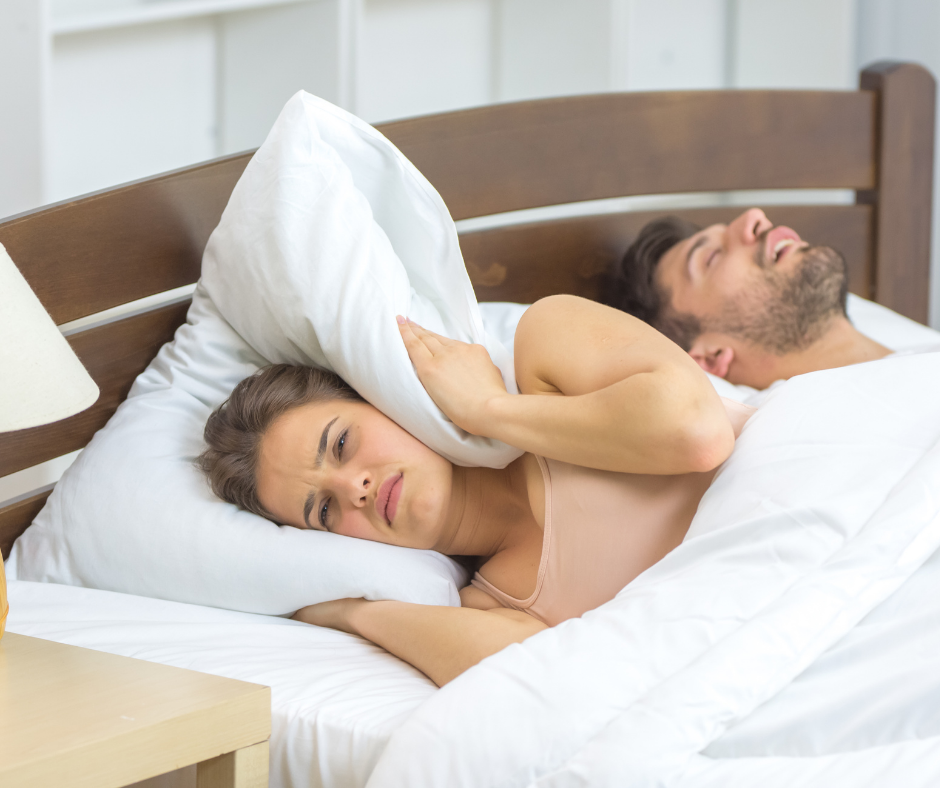
Snoring It is an acoustic phenomenon that occurs during sleep as a result of vibrations in the tissues of the upper respiratory tract. The sounds occur when the flow of air through the narrowed airways causes vibrations in, amongst other things, the soft palate, the uvula or the walls of the throat. Snoring can occur in both women and men, and its prevalence increases with age. Snoring alone does not always indicate a medical condition, but it may accompany sleep-related breathing disorders.
Snoring at night It can have various causes related to both the structure of the upper airways and lifestyle. Factors contributing to snoring include, amongst others, excess tissue in the soft palate, enlarged tonsils, tongue hypertrophy, laxity of the throat tissues and crooked nasal septum. Being overweight or obese, drinking alcohol before bed, smoking, taking certain medicines and sleeping on your back may also be factors.
Diagnosis of the causes of snoring This may include an ENT consultation and an assessment of upper airway patency. If sleep-related breathing disorders are suspected, the doctor may recommend further tests, including a sleep study.
Treatment of snoring depends on its cause and severity. In the case of snoring linked to lifestyle factors, weight loss, cutting down on alcohol before bed and changing sleeping position may help. Where there are anatomical abnormalities of the nose or throat, a doctor may consider appropriate conservative or surgical treatment. For people with obstructive sleep apnoea, treatments include CPAP therapy and other methods tailored to the cause of the disorder.
The following are also used in the treatment of snoring laser treatment of snoring. The procedure uses laser energy to apply a controlled effect to the tissues of the soft palate and throat. The aim of the treatment is to remodel these tissues and improve their tone, which may reduce tissue vibrations caused by airflow. Whether this method can be used depends on the cause and nature of the snoring.
Snoring is not always a symptom of an illness, however, chronic and severe snoring may be associated with obstructive sleep apnoea. This condition is characterised by recurrent episodes of reduced or obstructed airflow during sleep, which may be accompanied by drops in blood oxygen levels and sleep fragmentation.
For more information on snoring, see the article on our blog: How can you effectively treat snoring and get rid of the symptoms?