
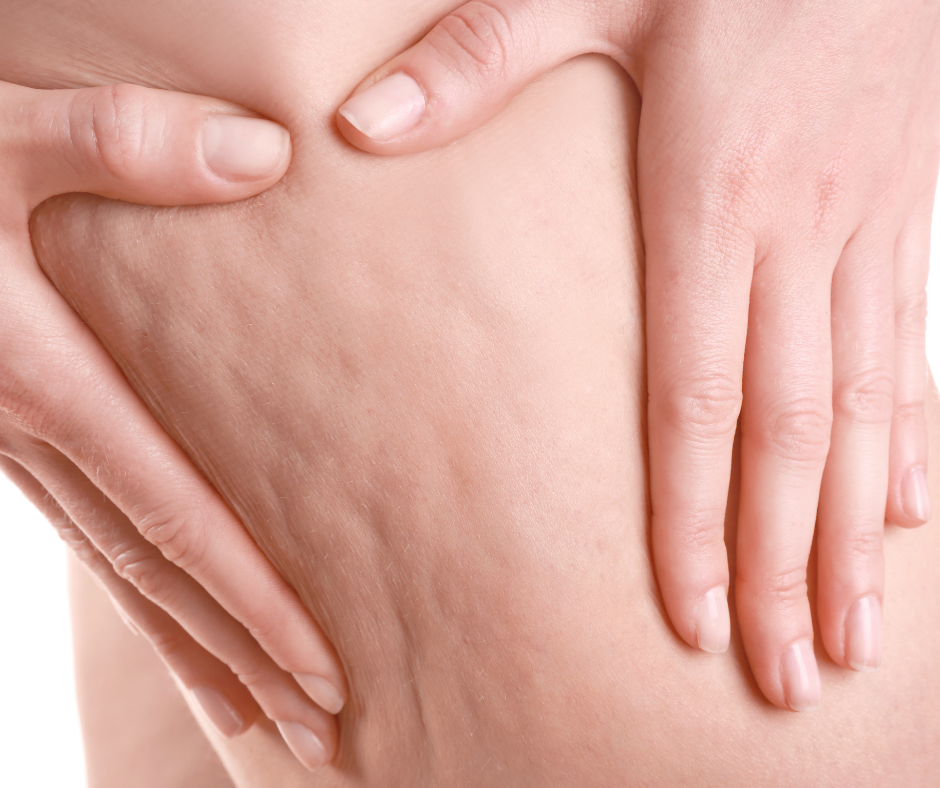
Water cellulite, also known as hard or oedematous cellulite, is a form of aesthetic cellulite primarily associated with disturbances in water balance and impaired lymphatic drainage. Unlike adipose cellulite, it is not directly linked to excess body weight; therefore, it can also occur in people with a healthy body weight. The changes affect the subcutaneous tissue and are caused by fluid build-up and impaired microcirculation.
Water cellulite most commonly appears on the thighs, buttocks and hips, although it can also occur in other areas of the body. In the case of established lesions, treatment options may include cellulite reduction treatments, selected individually to suit the type of skin condition and the condition of the skin.
Water cellulite It develops primarily as a result of disturbances in venous and lymphatic circulation. Impaired drainage of fluids leads to their accumulation in the interstitial spaces, which increases pressure in the tissues and impairs their nutrition.
Factors that contribute to the development of water-based cellulite include a sedentary lifestyle, low levels of physical activity and remaining in the same position for long periods. Wearing clothing that is too tight, which hinders proper blood and lymph flow, may also play a role.
The development of these changes is also influenced by a diet high in salt and simple sugars, which promotes water retention in the body, as well as hormonal imbalances and certain medicines that affect water and electrolyte balance. Chronic stress and insufficient sleep may also increase the risk of developing water-related cellulite.
In the early stages water cellulite It may be barely visible and only become apparent when pressure is applied to the skin. Characteristic features include slight irregularities, thickening and a feeling of tightness in the tissues.
In more advanced cases, the changes remain visible even at rest. The skin may appear swollen, and the tissues become less elastic. Some people also experience a feeling of heaviness in the lower limbs, which worsens towards the end of the day. Occasionally, the skin becomes more sensitive to touch.
Water cellulite It is mainly associated with fluid retention in the tissues and impaired lymphatic drainage. It can occur in slim people and is often accompanied by a feeling of swelling and heaviness in the legs.
Fatty cellulite It develops primarily as a result of excessive accumulation of adipose tissue. It is more common in people who are overweight or obese, although it can also occur in those of normal weight. In practice, both types of cellulite often co-exist, which is why identifying the type of changes is important when choosing the appropriate course of treatment.
Treatment for water cellulite aims to improve microcirculation and improving lymphatic drainage. Regular physical activity, maintaining a healthy weight and avoiding staying in the same position for long periods are of fundamental importance.
It is also worth ensuring you stay properly hydrated and limiting your salt intake, as this can reduce the tendency for the body to retain water in the tissues. A healthy lifestyle can be complemented by a well-balanced diet and regular exercise to support cardiovascular health.
In the case of permanent changes, the doctor may recommend cellulite treatments. Depending on the indications, techniques such as those using acoustic waves or monopolar radiofrequency are employed, with the aim of improving microcirculation, increasing skin elasticity and supporting the remodelling of subcutaneous tissue.
The extent to which water-related cellulite can be reduced depends on the cause of the changes and how advanced they are. In many cases, a combination of regular physical activity, a balanced diet and adequate hydration can bring about an improvement. If the condition persists despite lifestyle changes, a doctor may suggest complementary treatment using modern technologies.
A medical consultation is recommended when skin changes worsen rapidly and are accompanied by pain, significant swelling or a feeling of heaviness in the legs, as well as when cellulite appears suddenly or is accompanied by other symptoms that may indicate circulatory or hormonal disorders. A specialist’s assessment allows other causes of the condition to be ruled out and the appropriate course of treatment to be selected.
Body contouring • Weight loss • Aesthetic medicine • Acne treatment
Laser hair removal • Hair loss treatment • Snoring treatment
Warsaw ∙ Gdansk ∙ Krakow
Show more search results
Show more search results