
 Katarzyna Pawłowska
  18.05.2026
 Table of contents
Therapy with Mounjaro is becoming increasingly popular among those battling overweight, obesity and metabolic disorders. With the growing popularity of the treatment, however, many questions are being asked about the impact of the treatment on facial appearance, skin condition and overall aesthetics. Patients are increasingly searching for phrases such as „mounjaro side effects”, „mounjaro side effects forum” or „mounjaro long-term side effects”, trying to understand why facial features, skin tone or tissue volume change during rapid weight loss.
What is Mounjaro?
Mounjaro is a medicine containing the active substance thirzepatide, It is mainly used in the treatment of type 2 diabetes. In certain situations, it can also be used in the treatment of obesity, as it affects the pathways of GLP-1, lowering blood glucose levels, regulating appetite and reducing body weight.
When using the drug Mounjaro it is important to choose the correct dose and to increase it gradually according to the doctor's instructions, as this affects the effectiveness of the therapy and its tolerability. The drug can also be used in patients taking other drugs, including glucose-lowering drugs, but this requires particular caution and monitoring of the risk of hypoglycaemia and individual adjustment of therapy. In the case of inappropriate dosing of the drug or inappropriate dosing, there may be an increased risk of side effects, which patients should report to the treating physician. In patients with type 2 diabetes, the drug helps to stabilise blood glucose levels, while in the treatment of obesity it promotes appetite reduction and weight loss.
Side effects of Mounjaro
The most commonly reported adverse effects include gastrointestinal complaints such as abdominal pain, nausea or vomiting. These symptoms are usually mild and may occur especially at the beginning of treatment, during the period of adaptation to the drug. In most cases they are transient and diminish over time. Common side effects mainly include gastrointestinal symptoms, which are the body's natural reaction to the change in metabolism and regulation of appetite.
Among the frequently reported side effects also includes feeling fatigue, dizziness and general złe wellbeing. Some side effects may vary in severity from patient to patient, so individual monitoring and assessment of the body's response is important. Hypersensitivity reactions may occur in individual cases and require special observation.
It is worth noting that some side effects may be related not only to the mechanism of action of the drug itself, but also to the individual reaction of the body, weight change or diet modification during treatment. In addition, some gastrointestinal symptoms may lead to dehydration, so adequate hydration during treatment is important.
During application Mounjaro special attention should be paid to the risk of pancreatitis, which is a rare but serious side effect. Such symptoms should be reported immediately to the physician as they require urgent clinical assessment. This risk may be higher especially in patients taking other antidiabetic drugs concomitantly, as combination therapy requires closer monitoring of clinical status. Serious side effects, such as angioedema, occur infrequently, but require immediate medical consultation and immediate reporting to the treating physician, discontinuation of treatment and further diagnostics.

Safety of use and monitoring of therapy
Before starting to use the drug Mounjaro it is necessary to take into account the indications and contraindications, as well as regular monitoring of the body's reaction and possible side effects during treatment. It is particularly important to monitor the tolerance of the treatment in the first weeks of use, when side effects may occur with greater intensity and should be reported on an ongoing basis.
Drug Mounjaro, When used as recommended, dosage should be adjusted individually and the treatment regimen should not be changed on its own. If severe reactions occur, such as hypersensitivity symptoms, increased systemic complaints or other disturbing symptoms, these must be reported urgently to the physician and therapy discontinued.
Regular monitoring is also recommended during treatment metabolic parameters, including renal function, especially in patients at risk of dehydration or with coexisting chronic diseases. The drug should only be administered in accordance with the leaflet and the doctor's instructions, as the correct technique and dosage regimen affect the safety and efficacy of the treatment.
How does Mounjaro affect appearance?
Therapies such as Mounjaro support the treatment process, which often leads to significant weight loss. Changes that may be perceived as side effects Mounjaro visible on the face are not directly due to the effect of the drug on the skin. They are the result of a dynamic process in which fat is reduced in the cheeks, temples or under the eyes.
It is a natural phenomenon that weight reduction during treatment Mounjaro goes hand in hand with a loss of volume. The face loses its natural „support”, i.e. the deep fat pads that over the years have maintained its oval and given it a youthful contour.
Mounjaro vs Ozempic vs the look on your face
Comparisons between Mounjaro a Ozempic come up very frequently, especially in the context of facial appearance after weight loss. Patients often search for phrases such as „ozempic face” i „mounjaro face” to find out why the face changes during treatment.
In practice, the changes observed are mainly the result of a rapid decrease in body fat, rather than the direct effect of the product on the skin. The greater and faster the weight reduction, the more visible the changes in facial volume may become, regardless of the type of treatment. It is therefore crucial that the skin is properly supported from the start of the weight loss process.
When the volume of subcutaneous tissue decreases at a rapid rate, the skin does not always have time to adapt and shrink. Rapid weight loss can highlight signs of skin ageing, including loss of elasticity, deepening of nasolabial furrows, marionette lines and sagging of the facial oval.
The longer the treatment and the greater the weight reduction, the more visible changes may appear not only on the face, but also on the neck, shoulders and chin. In these situations, the skin may need more time and support to adjust to the new proportions, so it is a good idea to take care of its regeneration at the beginning of the treatment.
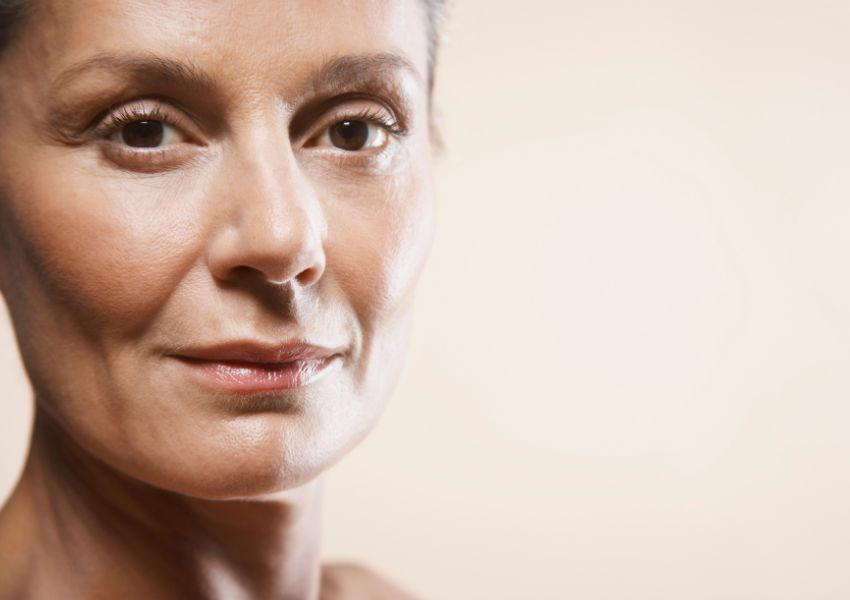
Mounjaro - side effects versus skin condition
In online forums under the headings „mounjaro side effects forum” patients describe, among other things, flabbiness of the facial skin, loss of cheek volume, a more tired appearance, deepening of wrinkles and a reduction in the skin tone of the neck. The body needs time for the skin to adapt to the new body proportions. Therefore, an adequate diet rich in protein, resistance training and measures to support the preservation of muscle mass are essential. A slower and more controlled weight reduction often preserves better skin quality.
After the age of 30, natural collagen production gradually declines. When, in addition, there is a rapid reduction in body fat, it can be difficult for the skin to maintain adequate tone. This is also why those using Mounjaro often notice changes in the facial oval and skin quality.
Collagen and elastin are responsible for the elasticity and structure of the skin. Their restoration can be promoted through the right diet, supplementation and biostimulant treatments.
Diet during Mounjaro therapy
Proper nutrition is extremely important not only during weight loss, but also in maintaining good skin, hair and muscle condition. During treatment, a diet rich in complete protein, healthy fats and substances that support the body's regenerative processes is recommended.
Patients often ask what the diet should look like during treatment Mounjaro and what best supports the body during this period. Of particular importance are products rich in amino acids, vitamin C, omega-3 fatty acids and antioxidants. It is also important to adequate hydration, because dehydrated skin loses elasticity more quickly and can look more tired.
How to prevent loss of facial volume?
Fat reduction is a natural effect of weight loss, but excessive changes in facial volume can be limited. A gradual rate of weight loss that gives the skin time to adapt is crucial.
Patients often focus solely on weight loss, forgetting that the skin is an organ that needs support in adjusting to the new volume. Therefore, regenerative processes should be planned early in treatment to support the skin on an ongoing basis and stimulate remodelling before loss of tone becomes permanent.
W aesthetic medicine Increasingly, preventive measures are being implemented at an early stage of treatment, before visible changes in skin firmness appear.
With a holistic approach, it is possible to simultaneously achieve weight reduction and maintain a fresh, harmonious facial appearance. Appropriate care and treatments minimise the trade-off between figure and skin condition. This requires a well-planned approach to facial rejuvenation, the aim of which is not to over-fill, but to rebuild the skin's structure and improve its elasticity.
What treatments are worth doing during the Mounjaro treatment?
Any treatment plan should take into account individual factors such as the patient's age, rate of weight loss and initial skin quality. It is also advisable to contact your aesthetic practitioner to select the appropriate skin support methods for your individual needs.
Modern protocols use technologies that stimulate fibroblasts for the production of new collagen and elastin. Of particular importance are certified medical-grade devices that have FDA and CE medical approvals.
We achieve the stated objectives by:
- Volumetric lift - we use advanced tissue biostimulators (e.g. based on L-polylactic acid or calcium hydroxylapatite) to restore the skin's elasticity where it has been lost, achieving the planned result of tightening without overstretching.
- Hi-Tech technologies (HIFES, RF) - we use radiofrequency to thicken the skin and targeted ultrasound to support multi-level tightening.
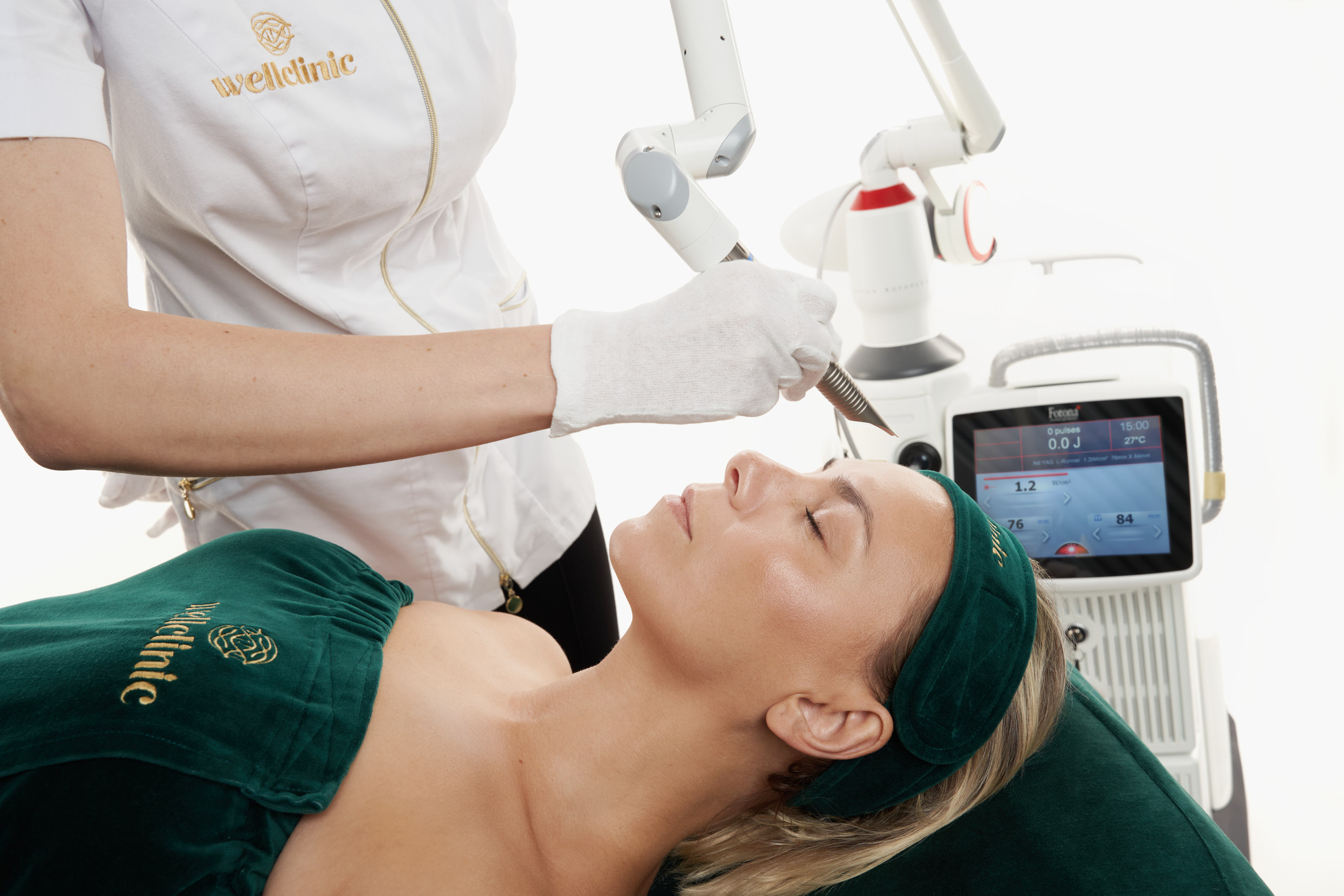
- Recovery treatments after Mounjaro - This category includes fractional laser therapies, which promote the structural remodelling of the skin, and targeted mesotherapies providing the peptides and amino acids needed to build new collagen fibres.
Skin care during treatment
Treatments at the aesthetician's office are only one part of supporting the skin. Equally important is daily home care. In the course of applying Mounjaro intensive moisturising of the skin and regeneration of the hydrolipidic barrier are key.
Worth using: hyaluronic acid, ceramides, peptides, vitamin C, retinol as recommended by a specialist and a high level of sun protection SPF 50.
As the skin undergoes remodelling, it is more susceptible to UV radiation and external factors, so regular sun protection is of paramount importance to maintain its quality and tone.
Mounjaro and body skin
The changes following weight loss do not only affect the face. Many people also observe a loss of skin firmness on the abdomen, arms, thighs and buttocks. The greater the fat reduction and the faster the weight loss process takes place, the greater the risk of skin flabbiness appearing.
Phrases such as „loose skin after weight loss” or „how to firm skin after Mounjaro” show that patients are increasingly looking for ways to improve skin quality during treatment. Central to this is an adequate supply of proteins, regular physical activity and treatments to support the production of collagen i elastins. Modern aesthetic medicine uses laser lipolysis, radiofrequency and ultrasound.
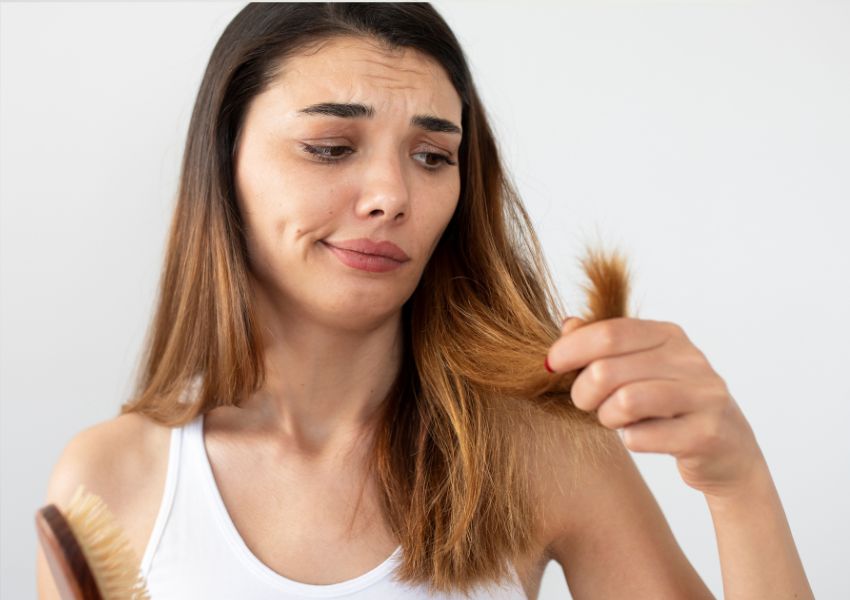
Mounjaro and hair loss
During intensive weight reduction, some patients notice increased hair loss. This is not usually due to a direct effect of the preparation Mounjaro, but from rapid metabolic changes in the body. Intense weight loss can lead to deficits proteins, iron, zinc and B vitamins, important for the condition and growth of hair.
Patients often enter search terms such as „mounjaro hair” or „whether Mounjaro causes hair loss”, as the problem usually appears after several months of treatment. Often this is known as 'hair loss'. telogenetic alopecia, associated with overloading the body and dynamic weight reduction. A well-balanced diet, supplementation and regular laboratory tests can significantly support the condition of the hair during treatment Mounjaro.
Mounjaro - long-term changes in appearance
Slogans such as „mounjaro long-term side effects” are appearing more and more frequently, as patients want to know how the treatment may affect the appearance of the face many months later. The skin's process of adaptation to change depends largely on the rate of weight loss, age, genetics and the initial content of the collagen.
For some people, appropriate care and regeneration allow the skin to remain in good condition despite major weight loss. Others may need more advanced treatments to promote tension and tissue recovery.
Mounjaro versus face - key information
A holistic approach combining the weight loss process with the right diet, skin care, collagen support and regenerative treatments. With conscious prevention and properly selected procedures, it is possible to maintain good skin quality, firm tissues and harmonious facial proportions even during the intensive weight loss process.
Mounjaro treatment can provide significant health benefits and aid weight loss, but rapid weight reduction can also affect facial features, skin firmness and hair condition. Changes described by patients as side effects of Mounjaro are usually the natural consequence of rapid fat loss and the body's adaptive processes.
Would you like to find out more about personalised facial and body treatments during and after your Mounjaro treatment at Wellclinic? Consult with our medical team, who select the technologies and procedures based on your skin’s actual needs, its condition and your aesthetic goals.
Sources:
1. PubMed „Thiotropatide in dermatology: cutaneous adverse events, emerging therapeutic roles, and cosmetic implications”.”
https://pmc.ncbi.nlm.nih.gov/articles/PMC12800350/
2. PubMed / PMC – „Ozempic Face” in *Plastic Surgery*”
https://pmc.ncbi.nlm.nih.gov/articles/PMC12232544/
3. Oxford Online Pharmacy – What is „Mounjaro face”?”
https://www.oxfordonlinepharmacy.co.uk/blog/what-is-mounjaro-face
4. Asda Online Doctor – „Mounjaro Face Changes” https://onlinedoctor.asda.com/uk/mounjaro-face-changes.html

Frequently asked questions
Not always. Whether changes to the appearance of the face are permanent depends on many factors, such as age, the rate of weight loss, skin elasticity and individual physiological predispositions. In some people, the skin gradually adapts to the new facial proportions, especially if weight loss is gradual. In other cases, the loss of volume may be more noticeable and may take time or require additional support. Proper skincare, a protein-rich diet and measures to support skin regeneration are all important. If necessary, an aesthetic medicine specialist may recommend treatments to improve skin firmness and tissue quality.
No. The term „Mounjaro face” describes changes in facial appearance associated with fat loss, but these do not occur in all patients. The risk of these changes occurring depends primarily on the rate of weight loss, age, the amount of weight lost, and the skin’s natural elasticity. In younger people or those losing weight gradually, the changes may be minor or virtually imperceptible. A properly planned treatment programme, a healthy diet and appropriate skincare can further minimise the visibility of these changes.
Yes, some patients taking Mounjaro may experience a noticeable loss of facial volume. This is not a direct result of the medicine’s action, but stems from a reduction in body fat throughout the body, including the face. This most commonly affects the cheeks, temples and the area around the jaw. The rate and extent of these changes vary from person to person and depend, amongst other things, on the amount of weight lost, age and skin elasticity. In people who lose weight gradually and have good skin condition, the changes may be less noticeable. In the case of rapid weight loss, the loss of facial volume may be more noticeable.
It is not possible to completely eliminate the risk of changes to the appearance of the face during weight loss, but it can be significantly reduced. The rate of weight loss is crucial — gradual weight loss reduces the risk of a sudden loss of volume in the face. It is also important to follow a suitable, protein-rich diet, stay well-hydrated, and look after your skin to maintain its elasticity. For some patients, aesthetic medicine treatments, such as tissue stimulators or skin rejuvenation, may also be helpful. The final result, however, depends on the individual’s natural predisposition.
No, weight loss does not always result in the face looking older. Much depends on the patient’s age, skin quality, the rate of weight loss and their general state of health. For some people, a reduction in body fat leads to a more harmonious and „lighter” facial appearance, without visible signs of ageing. In others, particularly when losing a large amount of weight rapidly, the skin may lose its firmness. In such cases, measures to support skin regeneration and treatments to improve skin firmness may be helpful.
Yes, many patients experience a sharpening of their facial features during weight loss. This is due to the loss of fat tissue around the cheeks, chin and jawline, which can make the face appear more defined. This effect is often seen as a positive aesthetic change, particularly in people who were initially overweight or obese. However, it is important to bear in mind that the extent of these changes varies from person to person and depends on the natural structure of the face and the rate of weight loss.
Yes, some patients may notice that the area under their eyes becomes more prominent as they lose weight. This is due to the natural loss of fat tissue and changes in skin tone, which can make the tear troughs, dark circles or slight hollows more visible. However, this does not mean that the medication directly affects this area — it is a result of overall weight loss and individual facial structure. In younger people or those with good skin quality, the changes may be minimal. Where changes are more noticeable, they can be alleviated through appropriate skincare, hydration and treatments designed to improve skin quality.
Yes, a change in facial proportions is a natural effect of weight loss during Mounjaro therapy. As body fat is lost, the face may become slimmer and its contours more defined. The changes most commonly affect the cheeks, jawline and temples. For many people, this leads to a more harmonious appearance, although others may feel that their face has lost some of its „fullness”. The final result depends on the rate of weight loss, age and individual anatomy.

 +48 600 100 177