Acne vulgaris - find out about the causes of the lesions and the options for modern treatment
You can get rid of a spot. It’s much harder to get rid of what might be left behind.Acne vulgaris It does not end once the inflammation has subsided. If the lesions recur, each subsequent episode may increase the risk of discolouration, scarring and permanent skin irregularities. What may seem like a minor problem today could, over time, develop into a condition requiring much more intensive treatment.
And that is precisely why waiting for the acne to „clear up on its own” may be the worst strategy. The condition is chronic and can persist for years - even in adults who have never had any major skin problems before. Blackheads, spots or isolated inflammatory lesions can, over time, develop into more severe forms, whilst deep and painful nodules increase the risk of scarring. Proper diagnosis and acne treatmentIt helps to minimise the severity of the changes and reduce the risk of scarring.
How does acne vulgaris develop?
Acne vulgaris It is one of the most common skin conditions. Lesions appear mainly on the face, back, chest and other areas where there are a large number of sebaceous glands. The characteristic symptoms are blackheads open and closed lesions, as well as papules, pustules and nodules. The lesions may vary in severity and occur individually or in larger clusters.
One of the factors contributing to the development of acne is excessive activity of the sebaceous glands, leading to increased sebum production. Abnormal keratinisation of the hair follicle openings, bacterial proliferation and inflammatory processes also play a role. Seborrhoea It may contribute to the development of acne, as excess sebum makes it easier for the follicle openings to become blocked.
Hormonal, genetic and environmental factors can also influence the development and severity of acne. The relationship between the state of the gut microbiota and skin condition is also being studied with increasing frequency. Imbalances in gut bacteria may influence inflammatory processes and the functioning of the immune system; however, the link between the microbiota and acne is the subject of further research.
Acne vulgaris can leave lasting effects, such as discolouration and acne scars. Depending on the type and severity of the lesions, various methods are used acne treatment. Treatment options may include, amongst other things, topical preparations, dermatological procedures and laser therapy. The choice of the appropriate method depends on the type of lesions, their severity and the condition of the skin.
Causes of acne
The development of acne jIt is a multifactorial process. It is not possible to identify a single cause responsible for the onset of lesions in every patient. Of particular significance is, first and foremost, increased activity of the sebaceous glands, leading to excessive sebum production. At the same time, abnormal keratinisation of the hair follicle opening occurs, making it more prone to blockage.
Bacteria also play a role in the progression of the disease Cutibacterium acnes, which occur naturally on the skin. Under conditions that favour their excessive proliferation, and when the skin-sebum barrier is compromised, they can exacerbate the inflammatory response. As a result, lesions characteristic of acne appear - ranging from blackheads to papules, pustules and deep nodules.
The following may also be relevant hormonal factors. Androgens They stimulate the sebaceous glands to become more active, which is why acne often worsens in during puberty. In some women, the changes may also appear or become more pronounced in at specific points in the menstrual cycle. In the event of a sudden occurrence severe acne As an adult, it is worth considering seeking medical advice and having the possible causes assessed.
What is acne vulgaris?
Acne vulgaris It is a chronic inflammatory condition of the hair follicles and sebaceous glands. It most commonly affects the face, but lesions may also occur on the back, chest, arms and other areas of the body where there are many sebaceous glands.
The clinical presentation of the condition can vary greatly. In one person, the main symptoms are blackheads, in one case they predominate, whilst in another they are predominant inflammatory lesions. In more severe cases, painful lumps, nodules and cysts appear, which may leave permanent marks.
However, not every spot means acne vulgaris. Similar changes may be associated with, amongst other things, folliculitis, rosacea or reactions to cosmetics. An accurate diagnosis is important for choosing the appropriate course of treatment.
How common is acne?
Acne vulgaris It is one of the most common skin conditions. It usually appears during puberty, when hormonal activity changes and sebum production increases. However, this does not mean that the problem disappears once you reach adulthood.
These changes may persist for many years or first appear in adulthood. Particular attention is paid to adult acne, which often has a chronic course and may primarily affect the lower part of the face, the area around the jaw and the chin.
Blackheads - the first sign of a problem
Blackheads They are often among the first visible signs of acne. They form when the hair follicle opening becomes blocked by sebum and dead skin cells. Open blackheads have a distinctive dark spot, whereas closed blackheads They look like small, pale or flesh-coloured lumps.
Their presence does not necessarily indicate a severe form of the condition, but may suggest abnormalities in the keratinisation process and increased activity of the sebaceous glands.
Acne treatment for teenagers
Acne in teenagers It most commonly occurs during puberty, when hormonal changes increase the activity of the sebaceous glands and sebum production. The skin may show blackheads, papules, pustules and inflammatory lesions, affecting not only the face but also the back, chest and shoulders. The severity of the symptoms can vary - from isolated imperfections to extensive lesions requiring specialist treatment.
A teenager’s skin requires appropriately tailored care and treatment, as excessive drying, frequent exfoliation or squeezing spots can further exacerbate inflammation. In the case of recurrent or severe acne, it is advisable to assess the condition of the skin at an early stage and choose a treatment plan appropriate to the type of lesions. This not only helps to reduce active acne but also minimises the risk of new lesions forming post-inflammatory hyperpigmentation and acne scars.
Acne in adults It may appear for the first time even after many years without any skin problems. It is often chronic and recurrent in nature, and the lesions may be concentrated primarily in the area of the chin, jaw and lower part of the face. In some women, the severity of these symptoms may vary depending on their menstrual cycle; therefore, in the event of sudden changes or a marked increase in severity, it is worth considering possible hormonal factors as well.
Treatment of adult acne should take into account not only visible imperfections, but also the cause and nature of the changes. Factors such as hormonal balance, stress, genetic predisposition, medication and skincare routine may all play a role. Depending on the skin’s needs, the following are used: topical treatment, systemic therapy and carefully selected procedures to support acne treatment. This personalised approach allows us to focus both on soothing active changes and on improving the appearance and condition of the skin.
The development of acne lesions It is the result of several processes that interact with one another. Increased sebum production creates conditions conducive to the blockage of hair follicle openings, whilst impaired keratinisation leads to the formation of microcomedones. Over time, these can develop into visible blackheads.
If inflammation develops within the hair follicle, the following symptoms appear: bumps and spots. Where the inflammatory process is more severe, deep nodules and cysts may develop. It is precisely these deep, long-lasting inflammatory lesions that are associated with a greater risk of scarring.
It is worth remembering that acne vulgaris It is not simply the result of „dirty skin”. Excessive washing, intensive exfoliation or harsh skincare products can further irritate the skin and weaken its protective barrier. Your skincare routine should be tailored to the type of skin condition and the current state of your skin.
Factors that aggravate acne
Course acne vulgaris It can vary depending on a number of factors. For some people, chronic stress plays a role, as it can affect the activity of the sebaceous glands and exacerbate inflammatory processes. Inappropriate skincare routines may also be a factor, particularly the use of comedogenic cosmetics or excessive drying of the skin.
The course of the disease may also be influenced by diet. The most attention is paid to products with a high glycaemic index and certain dairy products. However, this does not mean that everyone with acne should completely cut out dairy products or follow a restrictive diet. Diet should be regarded as just one element of the overall treatment plan.
Certain medicines can also affect the skin, hormonal changes, smoking, insufficient sleep and environmental factors. Identifying the individual factors that exacerbate the condition may make it easier to manage the disease.
Types of acne
Acne vulgaris It can vary depending on the type of skin lesions and their severity. In milder cases, the skin is primarily affected by open and closed comedones. This form is referred to as comedonal acne. Blackheads form when the openings of the hair follicles become blocked by sebum and dead skin cells. Open blackheads are dark in colour, whilst closed blackheads appear as small, light-coloured or flesh-coloured bumps.
When blackheads are accompanied by inflammatory lesions, such as red papules and pustules containing pus, we refer to this as papulopustular acne. Inflammation can cause redness, swelling and tenderness of the skin. Lesions often occur on the face, but may also appear on the back, chest and arms.
The more severe form is nodular-cystic acne. As the condition progresses, deep, painful nodules and cysts form, which may persist for a long time. The lesions affect the deeper layers of the skin, which is why acne scars and discolouration may remain once they have cleared up.
Among the heaviest varieties are pustular acne, accompanied by extensive and deep inflammatory and purulent changes. In some cases, infiltrates and fistulas may develop. This course of the disease is associated with a high risk of permanent scarring.
The type of lesions is important when choosing the appropriate treatment. Skin with a predominance of blackheads requires a different approach to deep acne with inflammatory lesions. The location of the lesions, their severity, duration and whether scars or discolouration have already appeared on the skin are also important factors.
Less common forms of acne
Apart from the usual changes acne vulgaris There are also rarer, more severe forms of the disease. These may be characterised by severe inflammation, deep and painful lesions, and a higher risk of scarring.
Acne conglobata It is characterised by numerous nodules, cysts, pustules and blackheads, which may merge together. Lesions often appear on the face, back and chest and may leave permanent scars.
Fulminant acne (acne fulminans) It is a very rare, rapidly progressing form of the disease. In addition to painful skin lesions, general symptoms such as fever or weakness may occur. It requires urgent medical attention.
Unusual varieties also include mechanical acne, caused by friction, pressure or overheating of the skin, and acne-like lesions caused by certain medicines.
It is worth bearing in mind that not every pimple or lump means acne vulgaris. Similar symptoms may occur, for example, in cases of folliculitis or other skin conditions. An accurate diagnosis enables the right treatment to be chosen and helps to minimise the risk of complications.
Can spots be squeezed?
Squeezing blackheads, spots and pimples may seem like a quick way to get rid of blemishes, but it often has the opposite effect. Mechanically damaging the skin can increase inflammation, prolong healing and increase the risk of developing acne scars and discolouration.
In particular, you should not squeeze deep, painful spots yourself. In the case of severe acne, it is safer to choose the right treatment than to repeatedly cleanse the skin mechanically.
Acne - how can you get rid of it?
There is no single method that will be suitable for every person with acne. An effective treatment plan depends on the type of lesions, their severity, the patient’s age, their location and previous treatments.
The key is proper diagnosis and consistent treatment. Depending on the situation, this may include topical preparations, oral medication, hormonal treatment and, in certain cases, complementary dermatological and cosmetic procedures.
It is also worth bearing in mind that treatment of active acne and treating its after-effects are two distinct stages. Scars and discolouration require a separate approach, which is why it is best to plan treatment taking into account both the current lesions and the condition of the skin once they have subsided.
In cases of mild to moderate disease severity, the following is often used: topical treatment. Depending on the clinical presentation, the doctor may recommend, amongst other things, retinoids, benzoyl peroxide, azelaic acid or other preparations with anti-inflammatory and anti-comedogenic properties.
The results are not immediate. The treatment requires consistency and sufficient time to minimise the formation of new lesions and gradually improve the appearance of the skin. At the same time, it is important to ensure gentle skincare and sun protection.
Acne - oral treatment
In cases of more severe acne, topical treatment alone may not be sufficient. A dermatologist may then consider using oral medicines, the type of which depends on the form of the disease and the patient’s individual circumstances.
General treatment requires medical supervision. You should not start, alter or stop treatment on your own, as the choice of medication and dosage should be based on an assessment of your health and the nature of the skin lesions.
Acne - antibiotic treatment
Antibiotics may be used in selected cases of acne with severe inflammation. Treatment involves both topical preparations and - where indicated - oral medication.
Given the risk of developing antibiotic resistance, antibiotic treatment should be administered in accordance with the doctor’s instructions and should not, as a rule, be the sole component of long-term treatment.
Acne - treatment with isotretinoin
Isotretinoin It is one of the most effective medicines used to treat severe forms of acne and, in selected cases, acne that does not respond to other treatments. It acts on several key mechanisms responsible for the development of lesions.
Isotretinoin treatment It requires close monitoring by a dermatologist, appropriate follow-up examinations and adherence to safety guidelines. The medicine may cause, amongst other things, significant dryness of the skin and mucous membranes; therefore, proper skincare is essential during treatment.
Acne - hormonal treatment
In some women acne vulgaris may be linked to hormonal balance. This is particularly important in cases where symptoms appear suddenly in adulthood, worsen at specific points in the cycle, or are accompanied by other symptoms of hormonal disorders.
In such situations, the doctor may decide that tests and consultations with the relevant specialists are necessary. Hormone therapy It is selected on a case-by-case basis and should not be used solely on the basis of the appearance of the skin lesions.
Laser therapy for the treatment of acne
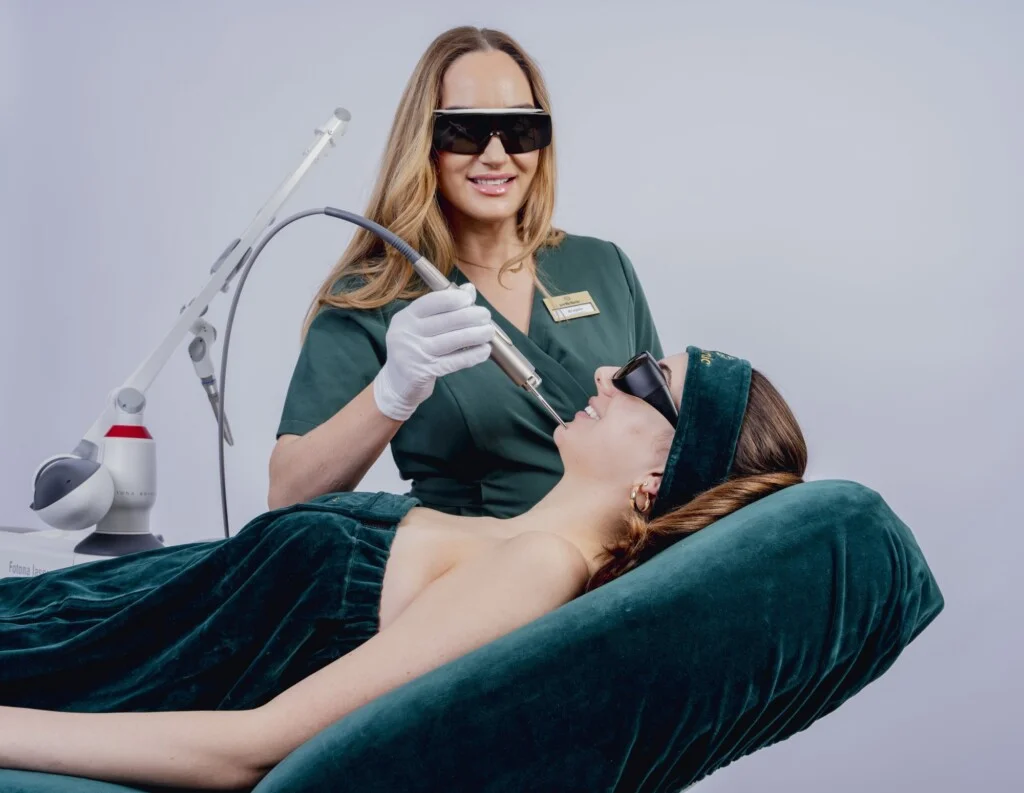
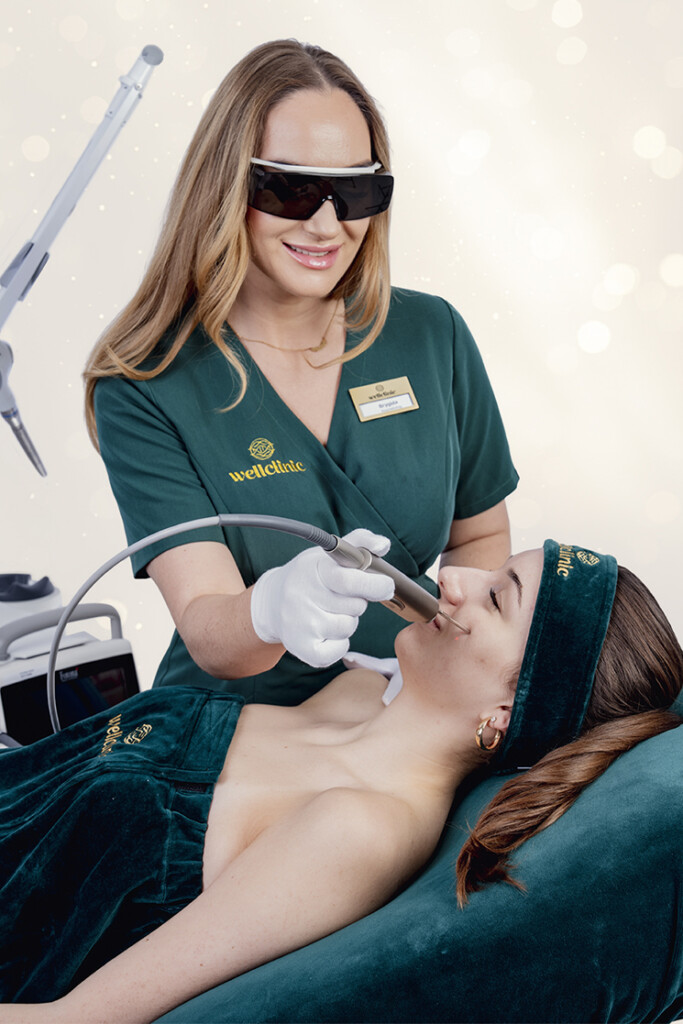
Laser treatment of acneThis is one of the modern approaches to supporting the treatment of active acne. A suitably chosen laser energy It may act on several mechanisms associated with the development of skin lesions - helping to reduce inflammation, limiting the activity of the sebaceous glands and improving the condition of the skin. As a result, this treatment can be a valuable component of a personalised management plan, particularly when the aim is not only to alleviate the lesions but also to improve the overall appearance and condition of the skin. As emphasised by Master-level beautician Brygida Kasperowicz:
„Laser treatment for acne offers the possibility of targeting not only what we see on the skin’s surface, but also the processes underlying the formation of lesions. It is precisely this multi-faceted approach that makes laser therapy a valuable component of acne treatment. Depending on the method used, the treatment can influence, amongst other things, sebum production, inflammation and the environment conducive to the formation of lesions. However, there is no single treatment plan suitable for every skin type. What makes the therapy unique is, above all, its individual tailoring - to the type of acne, its severity and the current condition of the skin. This allows the treatment to be targeted precisely where the skin needs it most.”
How long does acne treatment take?
Treatment of common acne It is a process that requires time and consistency. The first results may become apparent after a few weeks, but full improvement often takes several months of consistent effort.
The duration of treatment depends on the type of condition, its severity, the methods used and the individual’s skin response. Even once the active lesions have subsided, it is advisable to continue with the recommended maintenance measures, as acne is a chronic condition and may recur.
If the changes persist, it is not worth repeatedly changing your skincare products on your own. It is far more important to identify the cause of the problem and draw up a coherent treatment plan.
Acne vulgaris, diet and the gut microbiota
The relationship between diet and acne vulgaris has been the subject of numerous studies. Most attention has been focused on diets with a high glycaemic index and the potential impact of certain dairy products. This does not, however, mean that diet is the sole cause of acne.
Increasingly, the relationships between gut microbiota, inflammation and the condition of the skin. The gut-skin axis It is an area that is being intensively researched; however, there is currently no evidence to suggest that probiotic supplementation or restrictive diets should be regarded as a universal treatment for acne.
The best results are achieved through an approach that combines accurate diagnosis, appropriate care and treatment tailored to the type and severity of the condition. Diet can be one of the factors supporting treatment, but it should not replace the treatment recommended by a specialist.
Acne vulgaris and its consequences
The problem does not always come to an end once the active symptoms have subsided. Acne vulgaris It may leave post-inflammatory hyperpigmentation, an uneven skin texture, and atrophic or hypertrophic scars.
That is why it is so important to start treatment early enough and to reduce chronic inflammation. Only once active acne has been brought under control can a treatment plan be drawn up to address its after-effects, tailored to the type of scarring and the current condition of the skin.
Is your acne not clearing up? Break the vicious cycle of repeated flare-ups
If your spots keep coming back, the next step shouldn’t be to try yet another random beauty product. You can spend months testing new products, notice a temporary improvement, and then have to start all over again each time. Meanwhile, active inflammatory changes continue to take their toll on your skin, and with them, the risk of discolouration and scarring increases.
Acne vulgaris won’t go away just because you learn how to cover it up. It is a chronic skin condition that requires a personalised approach. Lesions that appear similar may have different causes and vary in severity; therefore, at Wellclinic, the treatment plan is preceded by a thorough assessment of the condition of the skin and its current needs.
In the case of active acne, it is possible to use a suitably selected laser therapy. This modern approach allows the treatment to be targeted at skin requiring special care, helping to reduce inflammation, regulate sebum production and improve the skin’s condition.
Don’t wait until the problem is no longer the acne itself, but its after-effects. If the changes return, your skin isn’t giving you another reason to wait - it’s telling you to take action.
Instead of hoping yet again that your spots will clear up on their own, find out which treatment options are suitable for your skin. Contact Wellclinic and book a consultation, during which a specialist will assess the condition of your skin and recommend the next steps. Laser treatments for acne We carry out these procedures at our clinics in Warsaw, Gdańsk and Cracow.
Wellclinic is a modern clinic offering comprehensive medical and aesthetic care. We have top-of-the-range equipment, including the Fotona laser with anaesthesia system, 2nd generation HIFU and Prime3D laser. Treatments are safe, effective and painless - from weight loss to the removal of scars, hyperpigmentation, blood vessels or acne.