
 Katarzyna Pawłowska
 07.09.2026
 Table of contents
Blackheads (from the English). blackheads), i.e. a few black spots on the nose or chin, may seem like a minor problem. Over time, however, they can become more noticeable, and the skin may appear uneven and less smooth. It is therefore worth tackling them early on, before the problem starts to get worse.
A well-chosen skincare routine can help reduce the formation of new spots and improve the appearance of the skin. However, it is important to first identify the type of blackheads you are dealing with.
What are blackheads?
Blackheads These are non-inflammatory skin lesions caused by the blockage of hair follicle openings by excess sebum and keratinised skin cells. They most commonly appear on the nose, forehead and chin, that is, in the so-called. Zone T, but they can also appear on the cheeks, back or chest. Blackheads are common in people with oily skin or mixed, and may be one of the symptoms acne vulgaris.
It stands out open blackheads i closed blackheads. Open comedones appear as distinctive dark spots. Their dark colour is not due to the presence of dirt, but to the oxidation of sebum and keratin found at the opening of the hair follicle. Closed comedones, on the other hand, are small, light-coloured or flesh-coloured lumps that remain beneath the skin’s surface.
The formation of blackheads is primarily caused by excessive sebum production, disturbances in the skin’s natural oil-regulating process, a tendency for the hair follicle openings to become keratinised, and the use of an unsuitable skin care. Over time, these changes may develop into inflammation and be accompanied by active acne. In the case of severe lesions, the following may also occur pimples.
The basis of preventative care is regular and gentle cleansing of the skin, as well as the use of skincare products suitable for your skin type. For skin prone to blackheads, treatments that support the proper zł sebum production of the epidermis are used, amongst other things. Professional cleansing treatments, such as microdermabrasion.
Types of blackheads
There are, first and foremost, two basic types blackheads.
Open blackheads, commonly referred to as blackheads, have a visible opening on the skin’s surface. Their characteristic dark colour is not due to dirt on the skin. It is primarily caused by the oxidation of substances found within the blocked hair follicle.
Closed blackheads They take the form of small, white or flesh-coloured lumps. Their openings remain closed, so the contents of the follicle do not come into direct contact with the air. Lesions of this kind may become inflamed over time.
Causes of blackheads
One of the most important factors contributing to the formation of blackheads There is excessive sebum production. This problem can occur, amongst other things, in cases of seborrhoea, when the sebaceous glands produce too much sebum.
Improper exfoliation of the epidermis is also a factor. Excess dead skin cells can mix with sebum and lead to the formation of blockages in the hair follicle openings.
The appearance of blackheads is also influenced by hormonal changes, an unsuitable skincare routine and the use of cosmetics that may contribute to blocked pores. For some people, the problem worsens during puberty or as a result of the hormonal changes that occur during the menstrual cycle.
Where do blackheads most commonly appear?
Blackheads are most commonly found in the so-called Zone T, covering the forehead, nose and chin. These areas contain a particularly large number of sebaceous glands.
These changes may also appear on the cheeks, back, chest or arms. Their location and severity depend, amongst other things, on skin type, sebaceous gland activity and skincare routine.
Typical symptoms include uneven skin texture, visible black or white dots, and enlarged pores. Blackheads can also increase the skin’s susceptibility to inflammation.
Blackheads and acne
Themselves blackheads These are non-inflammatory changes, but they may be one of the features of the clinical picture acne vulgaris. If the hair follicle opening becomes blocked, this can lead to inflammation and the formation of papules, pustules or spots.
Therefore, if you are prone to blackheads, it is a good idea to keep an eye on your skin and take action early on when you notice any changes.
How can you prevent blackheads from forming?
The key to prevention is proper and regular skincare. You should thoroughly cleanse your face to remove make-up, sebum and impurities, whilst taking care not to dry out your skin excessively.
It is worth choosing cosmetics that are suitable for your skin type and paying attention to their ingredients. Carefully selected products can be helpful active cosmetic ingredients, which support the care of skin prone to blocked pores.
Ingredients that regulate the skin’s sebum production process may also be used in skincare. One of these is retinol, used at an appropriately selected concentration and frequency.
It is also important to avoid harsh cleansing and frequent mechanical removal of lesions. Rubbing the skin too vigorously can lead to irritation and make the problem worse.
How do you get rid of blackheads?
The course of action depends on the type of lesions, their number and the condition of the skin. In the case of isolated blackheads, the basis may be a suitably chosen home care.
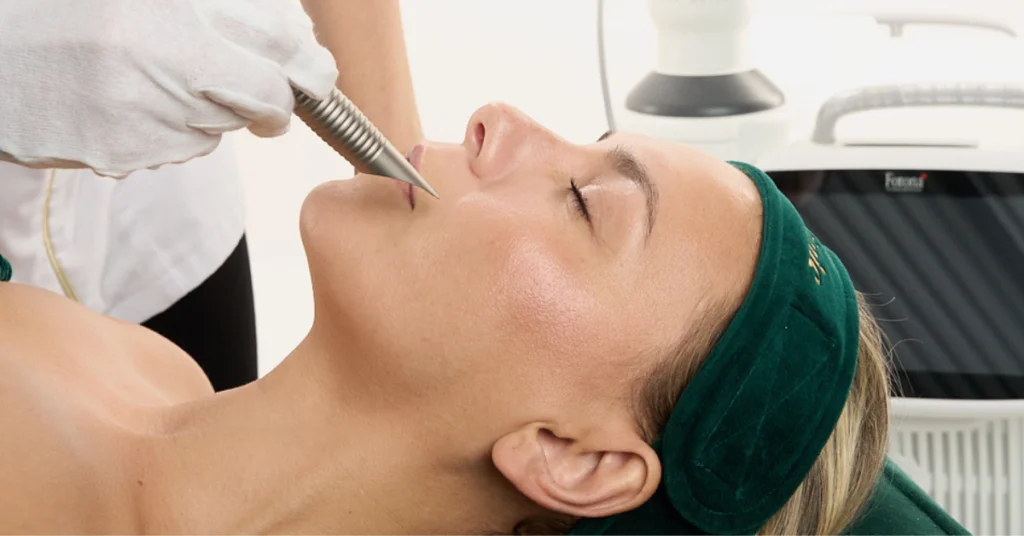
If the problem is more severe, you may wish to consider professional cleansing and slimming treatments. One such method is microdermabrasion, which involves the mechanical exfoliation of the superficial layers of the epidermis.
In some cases, a specialist may also recommend a suitably tailored dermatological treatment. Depending on the skin’s needs, treatments used include, amongst others, products containing retinoids or acids.
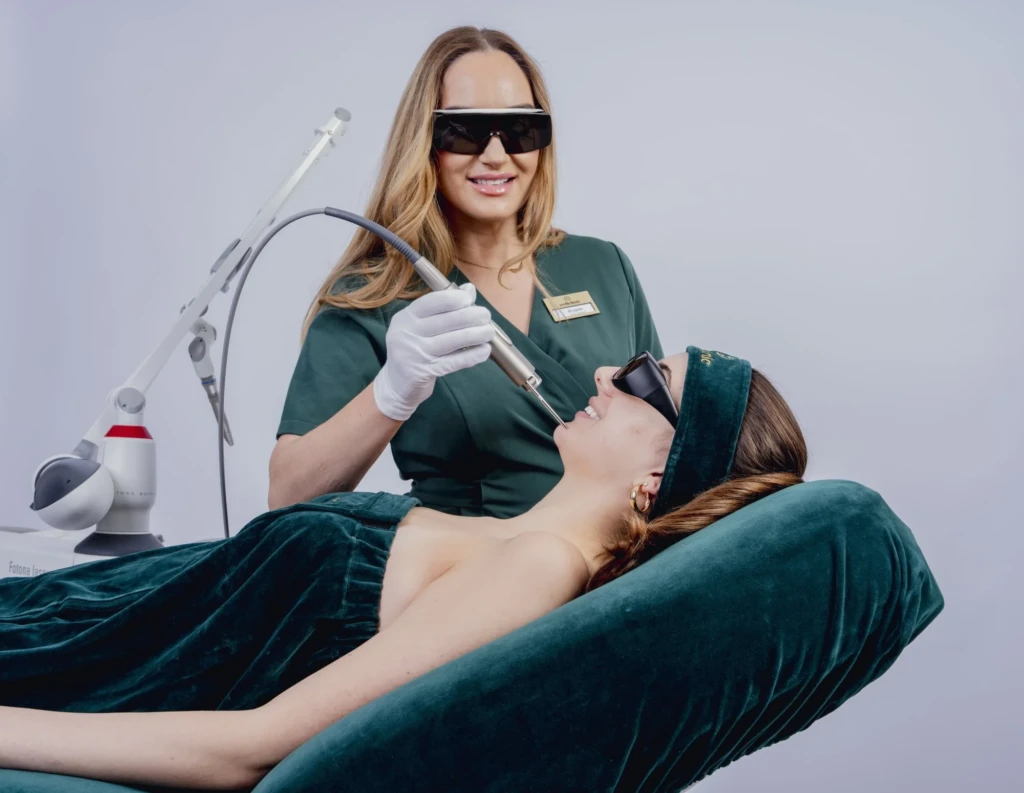
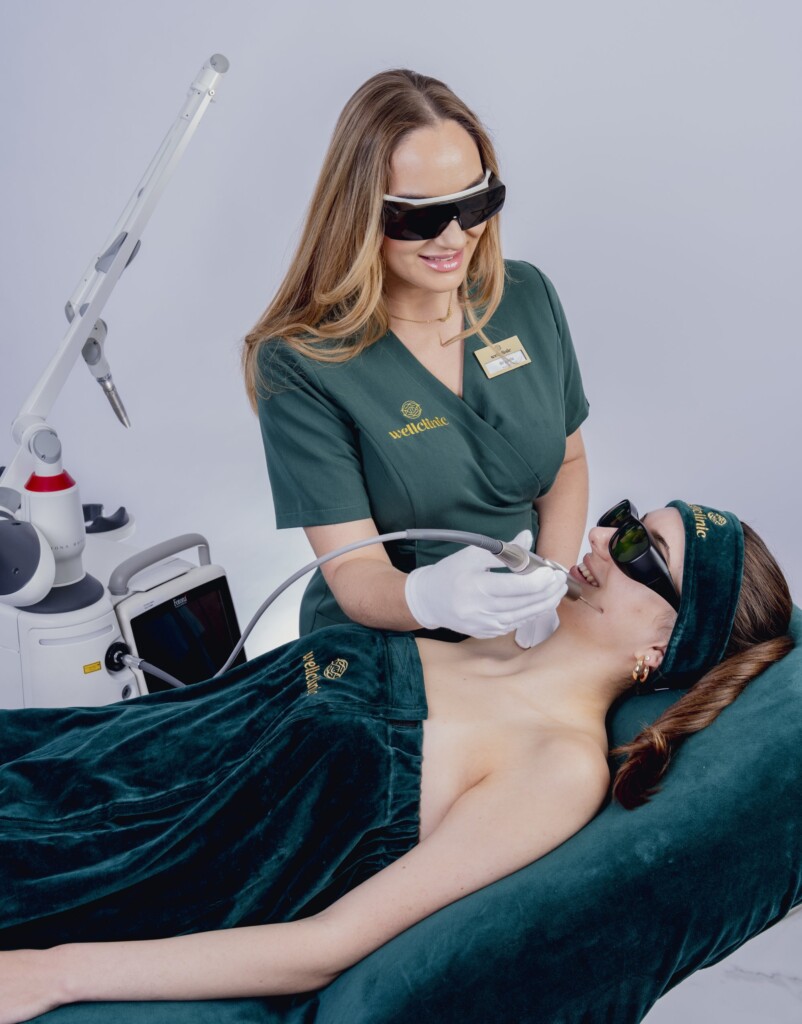
For certain conditions, treatments involving laser therapy. The choice of method should take into account the nature of the changes and the skin’s individual needs.
Is it OK to squeeze blackheads?
Doing press-ups on your own blackheads is not a good way to remove them. Improper cleansing can lead to skin irritation, micro-injuries and an exacerbation of inflammation.
In the case of numerous or recurrent lesions, it is safer to consult a specialist, who will assess the condition of the skin and recommend the appropriate course of action.
Blackheads They are a common skin problem, particularly for those with oily or combination skin. Regular cleansing, a properly tailored skincare routine and appropriate treatments can help minimise their occurrence and improve the appearance of the skin. If there are numerous spots, they keep coming back or start to become inflamed, it is worth consulting a specialist for advice on how to manage them.
What should you do if blackheads start to get worse?
Blackheads are often just the start. If papules, pustules and inflammation begin to appear on the skin, the problem is no longer just a matter of appearance. As the condition worsens, it can leave behind discolouration, uneven skin texture and even acne scars, which remain on the skin for much longer than the acne itself.
If blackheads If these are accompanied by inflammation, papules, pustules or other acne-like lesions, it is worth considering professional treatment. At Wellclinic, we use laser treatment for active acne. The treatment can help reduce inflammation and curb excessive sebaceous gland activity. Depending on the condition of the skin, the treatment may also involve working on acne scars.
If blackheads accompanied by severe inflammation, papules, pustules or other acne lesions, whilst consultation You can find out which treatment would be suitable for you. We carry out treatments at our clinics in Warsaw, Gdańsk and Cracow.
Sources:
- American Academy of Dermatology, „Acne: Overview”
https://www.aad.org/public/diseases/acne/really-acne/overview - American Academy of Dermatology, „Acne: Diagnosis and Treatment”
https://www.aad.org/public/diseases/acne/derm-treat/treat - NICE „Acne vulgaris: management (NG198)”
https://www.nice.org.uk/guidance/NG198 - PubMed „Guidelines for the management of acne vulgaris”
https://pubmed.ncbi.nlm.nih.gov/26897386/ - DermNet „What causes acne?”
https://dermnetnz.org/topics/what-causes-acne - DermNet „Lasers, lights and acne”
https://dermnetnz.org/topics/lasers-lights-and-acne


 +48 600 100 177