
 Katarzyna Pawłowska

 02.11.2026
Table of contents
You can lose a few kilograms and still not be happy with the way your body looks. Your weight goes down, your clothes become looser, but your body shape doesn’t always change the way you’d expect.
The reason is simple: weight loss It does not always mean simply losing weight. The amount of body fat, muscle mass, fat distribution and skin condition are also important.
If you’re keen to change your body shape, it’s worth taking a broader view of the process. Sometimes, small changes to your daily habits make a bigger difference than yet another restrictive diet. In other cases, the problem mainly concerns localised fat deposits, which remain despite a healthy body weight.
Losing weight starts with what the scales don’t show
Body weight is just one of the parameters. Two people of the same weight may have completely different proportions, measurements and body composition.
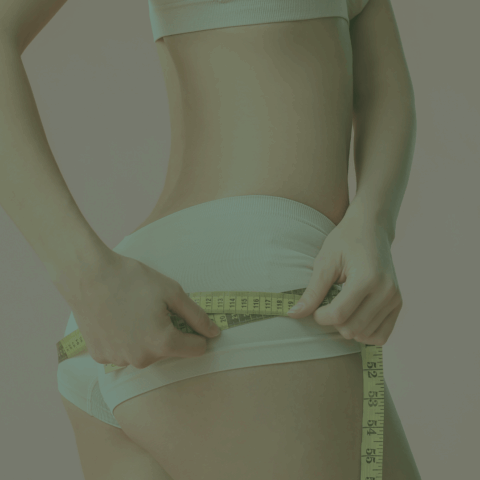
Therefore, when assessing the results, it is also worth paying attention to the circumference of the waist, hips and thighs, how clothes fit, and changes in the appearance of your figure. If you exercise regularly, an increase in muscle mass may also mean that your weight changes more slowly, even though your body fat percentage is gradually decreasing.
1. Increase your daily physical activity, not just the number of training sessions
Not every bit of extra movement has to mean a workout at the gym. The activity you do between your planned exercises is very important.
Walking to work, taking the stairs instead of the lift, walking around whilst on the phone, or getting up from your desk more often all increase your total energy expenditure throughout the day. This is known as spontaneous physical activity, also referred to as NEAT.
If you spend most of the day sitting down, a single intense workout does not always make up for hours of inactivity. That is why the first step towards body slimming It might not be another training session, but simply more physical activity as part of your normal day.
2. Instead of just focusing on kilograms, work on your body composition
Weight loss alone does not tell you exactly what you are losing. If your calorie deficit is too large, some of the weight lost may also come from muscle mass.
Resistance training helps to maintain it, whilst an adequate intake of protein provides the body with the amino acids needed for muscle recovery. As a result, your figure may appear slimmer and more proportionate, even if the number on the scales changes only slowly.
This is particularly important when the aim is to body modelling, rather than simply reaching a specific weight in kilograms.
3. Pay attention not only to how much you eat, but also to what you put on your plate
A diet followed for a few weeks can lead to rapid weight loss. The problem arises when it becomes difficult to stick to it over the following months.
In your daily diet, it is worth ensuring you include foods that provide protein, vegetables, sources of fibre and an adequate amount of healthy fats. Meals put together in this way usually leave you feeling fuller than foods that are high in calories but low in nutritional value.
So it’s not about completely cutting out specific foods. What’s far more important is the overall structure of your diet and whether you can stick to it in the long term.
4. Don’t neglect sleep and recovery
Sleep is often overlooked when it comes to reducing body fat. Yet a lack of sleep can affect your appetite, food choices and daily activity levels.
If you’re constantly tired, it’s harder to stick to a regular exercise routine and keep your diet under control. Your body also needs time to recover after exercise.
That is why, when planning slimming, it is worth viewing sleep as part of the whole process, rather than simply an addition to diet and physical activity.
5. When diet and exercise fail to make a difference in a specific area – consider body contouring
There are places where adipose tissueand persists despite a healthy weight and an active lifestyle. These may include, for example, the abdomen, hips, thighs or chin.
In such a situation, simply losing more weight does not always produce the results you are hoping for. If the problem concerns a small, localised build-up of body fat, you might consider methods aimed at body modelling.
Laser liposuction – when localised fat remains a problem
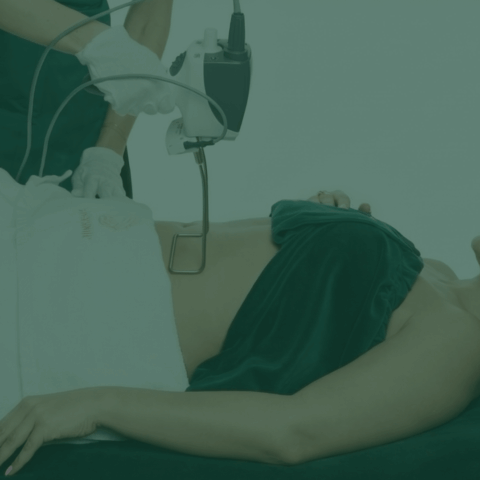
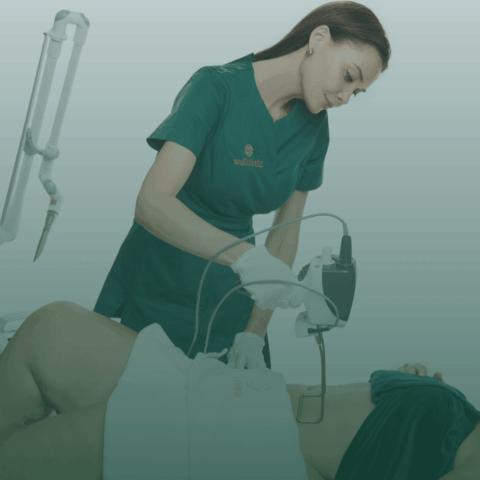
Laser liposuction It is a method used to reduce localised fat deposits and improve the contour of a specific part of the body. It is not intended to treat obesity or to replace a healthy diet or physical activity.
Its use is primarily considered when body weight is relatively stable, but there remains a specific area of concern that is not changing as much as expected despite the measures taken.
The scope of the procedure depends on the patient’s anatomy, the amount of body fat and the area being treated. Therefore, before choosing a method, an individual assessment is required to determine whether laser liposuction It does indeed meet a specific need.
A new figure doesn’t always mean fewer kilograms
Effective weight loss It does not necessarily mean constantly striving for an ever-lower body weight. Sometimes, changing your body proportions, reducing localised body fat and improving your body composition can make a bigger difference.
So it’s worth first deciding exactly what you want to change. Is it a few kilograms? Your waist measurement? A specific part of your body? Or perhaps your body proportions, which haven’t changed despite regular exercise?
Only by answering this question can we choose a solution that makes sense in a particular case.
Do you want to get in shape, but don’t know where to start? Book a consultation at Wellclinic. During the meeting, we will assess the area you wish to change and select a solution that meets your needs.
Sources:
- World Health Organisation, "WHO Guidelines on Physical Activity and Sedentary Behaviour", 2020. https://www.who.int/publications/i/item/9789240015128
- American College of Sports Medicine, "Progression Models in Resistance Training for Healthy Adults". https://pubmed.ncbi.nlm.nih.gov/19204579/
- Morton R. W. et al., "A systematic review, meta-analysis and meta-regression of the effect of protein supplementation on gains in muscle mass and strength resulting from resistance training."
https://pubmed.ncbi.nlm.nih.gov/28698222/ - St-Onge, M. P. et al., "Sleep Duration and Quality: Impact on Lifestyle Behaviours and Cardiometabolic Health."
https://pubmed.ncbi.nlm.nih.gov/27647451/ - Pontzer H. et al., "Daily energy expenditure throughout the human life course". https://pubmed.ncbi.nlm.nih.gov/34385400/
- U.S. Food and Drug Administration, "Non-invasive body contouring technologies". https://www.fda.gov/medical-devices/aesthetic-cosmetic-devices/non-invasive-body-contouring-technologies
- American Society of Plastic Surgeons, Liposuction.
https://www.plasticsurgery.org/cosmetic-procedures/liposuction




 +48 600 100 177