
 Katarzyna Pawłowska

 19.11.2026
You may have smooth skin, well-groomed hair and carefully applied make-up, yet still notice that your face looks different from how it did a few years ago. It’s not just about wrinkles. Over time, the proportions of your face also change – your cheeks lose their former fullness, your skin becomes less taut, and jawline it becomes less pronounced. As a result, the lower part of the face may appear heavier, and the features lose their definition.
Do you notice the so-called… hamsters on the face? Are your chin and jawline no longer as well-defined, and is the contour of your face gradually becoming rounder? Such changes can begin to appear as early as the age of 35, even if your body weight remains the same.
It is worth noting that loss of facial oval It is not always solely due to sagging skin. Changes in the distribution of fat tissue, a loss of volume in certain areas of the face, and a weakening of the structures responsible for supporting the tissues also play a significant role.
A voucher for you
Wellclinic gift vouchers from just 1,000 zł – treat yourself or your loved ones to health and beauty. Order by the end of November!
Collect your voucherHow can you improve the shape of your face without surgery? Can massage, facial yoga and exercises produce visible results? When should you consider aesthetic medicine treatments? To choose the right method, you first need to determine what is causing the change in your facial contours.
Table of contents
Why does the face lose its oval shape? What is happening beneath the skin?
A distinct jawline and well-defined oval face do not depend solely on the condition of the skin. Adipose tissue, muscles, ligaments and bone structure also play a role. As we age, all these elements gradually change, affecting the appearance and proportions of the face.
Facial ageing takes place on several levels simultaneously:
- Leather - it becomes thinner, less elastic and loses its ability to maintain the correct tension.
- Adipose tissue - changes in volume and distribution. In some places it disappears, whilst in others it may form more visible accumulations.
- Muscles - their volume, tension and interaction with the surrounding tissues change.
- Bone structures - they gradually undergo remodelling, which alters the natural support provided to the soft tissues.
It is precisely these processes that are responsible for the emergence of so-called ‘hams’ and the deepening of nasolabial furrows i puppet strings, as well as a gradual loss of the distinct contour of the lower jaw.
The rate of these changes is also influenced by genes, the endocrine system, UV radiation, fluctuations in body weight and daily habits.
That is why two women of the same age may have completely different oval face. In one case, these changes will be almost imperceptible; in the other, noticeable skin laxity, a loss of volume in the cheeks or sagging of the tissues in the lower part of the face will appear sooner.
The redistribution of body fat – where do „love handles” come from?
Full cheeks and well-defined features are, amongst other things, the result of the correct placement of body fat. It provides natural support for the skin and gives the face a youthful appearance.
However, as we age, both its volume and distribution change. Some areas of the face lose volume, whilst others become more prominent. This is due to changes in the supporting tissues, the remodelling of facial structures and the effects of gravity.
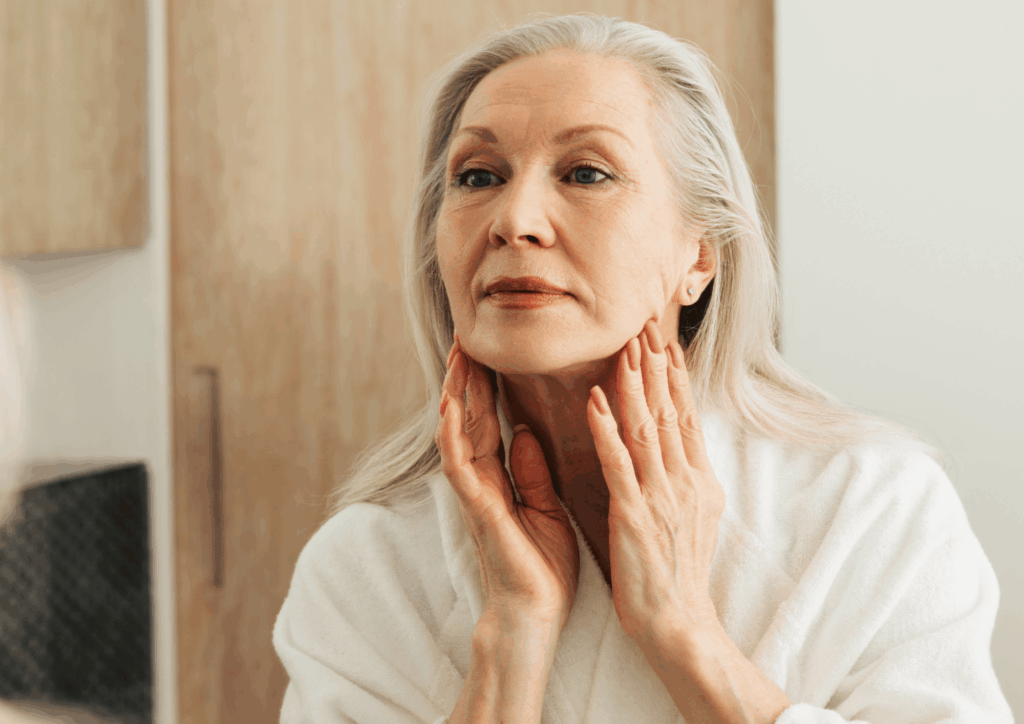
Volume loss can occur in the central part of the face, causing the cheeks to become less full and the area under the eyes to appear more sunken. At the same time, the tissue support in the lower part of the face changes. Characteristic sagging appears around the jawline, commonly known as „jowls”.
That is why your face may look fuller, even if you haven’t put on any weight. Its proportions change, and the line between your cheek and jaw gradually becomes less defined.
Facial ligaments – natural support for the skin and tissues
The following, amongst others, are responsible for maintaining the correct position of the facial tissues: support ligaments. These are strong, fibrous structures that connect soft tissues to deeper layers, including the fascia and periosteum.
They can be compared to a natural support system that helps keep the tissues in the right place. However, as we age, their properties change, and the entire network of structures supporting the face gradually loses its former effectiveness.
Combined with a loss of fat tissue volume and a reduction in skin elasticity, this contributes to sagging tissues. The changes are particularly noticeable in the lower part of the face, where jawline It gradually fades, and distinctive bulges appear on either side of the chin.
Collagen loss and hormonal changes – why does the skin lose its firmness?
Collagen and elastin These are two proteins without which it is difficult to talk about firm and supple skin. Collagen is responsible for the skin’s structure and strength, whilst elastin enables it to return to its original shape after being stretched. Unfortunately, as we age, the body produces fewer and fewer of these components. Collagen fibres gradually weaken, and the skin loses its density and elasticity.
Particularly marked changes occur during the period menopause. This is linked to a drop in oestrogen levels, which have a significant impact on the condition of the skin. Among other things, they support collagen production and help maintain the skin’s moisture levels and thickness.
When oestrogen levels fall, the skin may lose moisture more quickly firmness, it becomes thinner and more prone to dryness. Its elasticity also decreases, making it more prone to sagging.
These changes are often visible around the cheeks and jawline. The skin loses its firmness, the cheeks may appear less lifted, and jawline It is gradually becoming less pronounced. The nasolabial folds and marionette lines are also becoming deeper.
However, it is not only age and hormones that affect the condition of the skin. UV radiation, smoking, chronic stress and diet also play a significant role. These factors can exacerbate the breakdown of collagen and accelerate the loss of firmness.
That is why, as the years go by, regular skincare becomes increasingly important – particularly sun protection and the use of skincare products that support the skin’s health. Whilst these will not prevent all age-related changes, they can help to maintain the skin’s good condition for longer.
How to improve the facial oval with home remedies?
Not every change in the appearance of your face requires a treatment. If you notice, above all, slight swelling, dryness or a loss of skin firmness, you can start by taking care of your skin every day and changing a few habits.
However, there is one thing to bear in mind: home remedies may improve the appearance of the skin, but they will not reverse advanced anatomical changes or remove excess body fat.
1. Facial massage – a way to tackle puffiness and achieve more defined contours
Does a facial massage improve the contours of the face? Yes, but its effects are more limited than some online sources suggest.
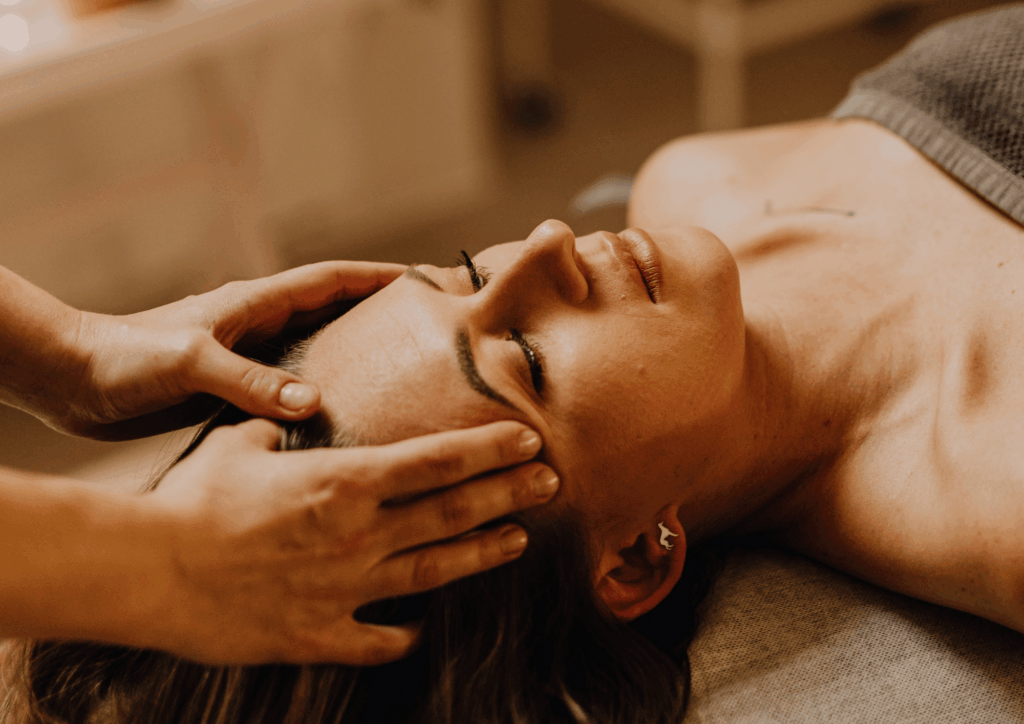
A facial lifting massage, e.g. Kobido massage and lymphatic drainage can help reduce the appearance of swelling, improve the skin’s comfort and temporarily enhance its contours. This is particularly noticeable in the morning, when the face is often puffy after a night’s sleep.
You can give yourself a gentle massage using a serum or oil to ensure it glides smoothly. Another popular option is Gua Sha stone massage.
However, don’t expect a massage to remove jowls or permanently lift sagging cheeks, as it is no substitute for facelift procedures.
2. Exercises for a more oval-shaped face – do facial exercises help?
Facial yoga It has gained popularity as a natural way to maintain a youthful appearance. Its advocates point out that regular exercise can improve the tone of the facial muscles and affect the appearance of the cheeks.
Can you really improve the shape of your face in this way?
Research into facial muscle exercises is limited. Some small observational studies suggest that certain aesthetic parameters may be improved, but there is insufficient evidence to show that facial yoga effectively reduces ‘hamster cheeks’ or lifts a sagging jawline.
You can treat it as a complement to your skincare regime and part of your daily routine. However, you shouldn’t expect results comparable to those of professional treatments.
3. Firming cosmetics – which ingredients should you choose?
Proper skincare is also important if your aim is to improve the contours of your face.
It’s not about buying the most expensive firming cream. What matters is the ingredients and how regularly you use it.
When choosing skincare products for mature skin, it is worth looking for the following ingredients:
- Retinol - It promotes cell renewal and improves the appearance of the skin, and with regular use it can help to stimulate collagen production.
- Vitamin C - has antioxidant properties and plays a role in collagen synthesis.
- Peptides - are used in products designed to improve the condition of the skin.
- Hyaluronic acid - binds water, improving the skin’s hydration and visible smoothness.
- Ceramides - strengthen the hydrolipid barrier and reduce moisture loss.
Don’t forget to use sun cream, too. Using SPF 50 sun cream every day is one of the most important aspects of preventing skin ageing.
How can I get rid of my cheek fat and improve the contour of my jawline?
Hamsters, i.e. sagging tissue in the lower part of the cheeks, are among the most common reasons why women look for ways to improve the shape of their face.
It is often these that cause the face to lose its former contours. The jawline becomes less defined, and the transition between the cheek, chin and neck is no longer as harmonious.
It is worth noting, however, that Hamster-like features are not always the result of excess body fat. They may be associated with a weakening of the supporting structures, changes in the distribution of body fat and a loss of skin elasticity.
That is why losing weight is not always the best solution. If the face has lost volume, further weight loss may actually accentuate the signs of ageing.
Double chin This, in turn, is a separate issue. It may be due to a build-up of body fat, sagging skin or an individual’s anatomical structure.
First, you need to determine what is causing the change in shape. Only then should you choose a course of action.
Which treatments can improve the shape of the face? Discover the possibilities of aesthetic medicine
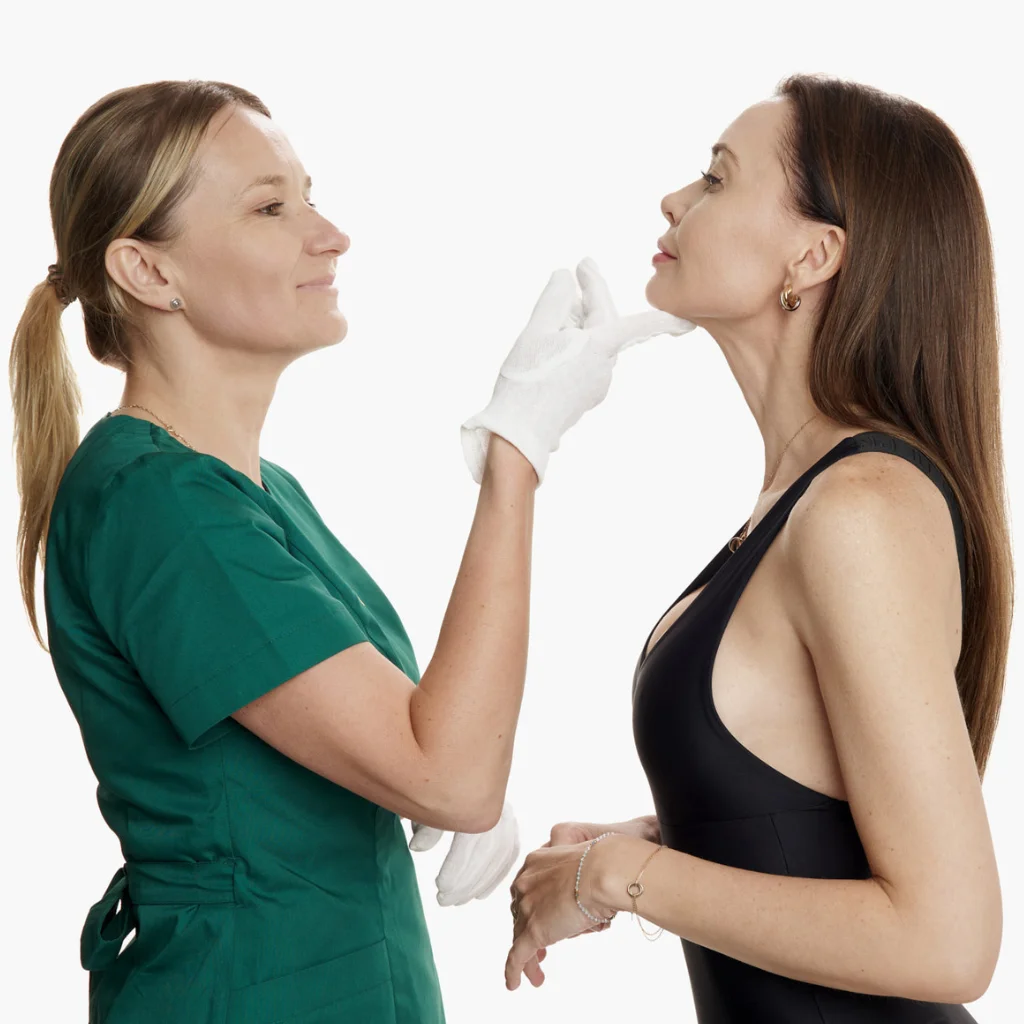
Creams, massages and exercises are not always enough. If your skin is noticeably losing its firmness, your cheeks are sagging and your jawline is becoming less defined, it is worth considering professional treatments to improve the contours of your face.
Modern aesthetic medicine offers several methods that target different anatomical structures. Some focus on improving skin firmness, others promote regeneration, whilst others help to restore lost volume.
Microneedle radiofrequency – improving skin firmness and density
If sagging is the main problem, one possible solution could be micro-needle radiofrequency.
The treatment combines controlled micro-punctures with the function radio wave energy. The resulting thermal and mechanical stimuli trigger repair processes in the skin, promoting collagen remodelling.
As a result, this can improve the skin’s firmness, density and texture. This is particularly important in the area of cheeks, jawline and chin.
The results develop gradually. Their extent depends on the initial condition of the skin, the device’s settings and the individual’s response.
HIFU – a non-surgical facial contour lift
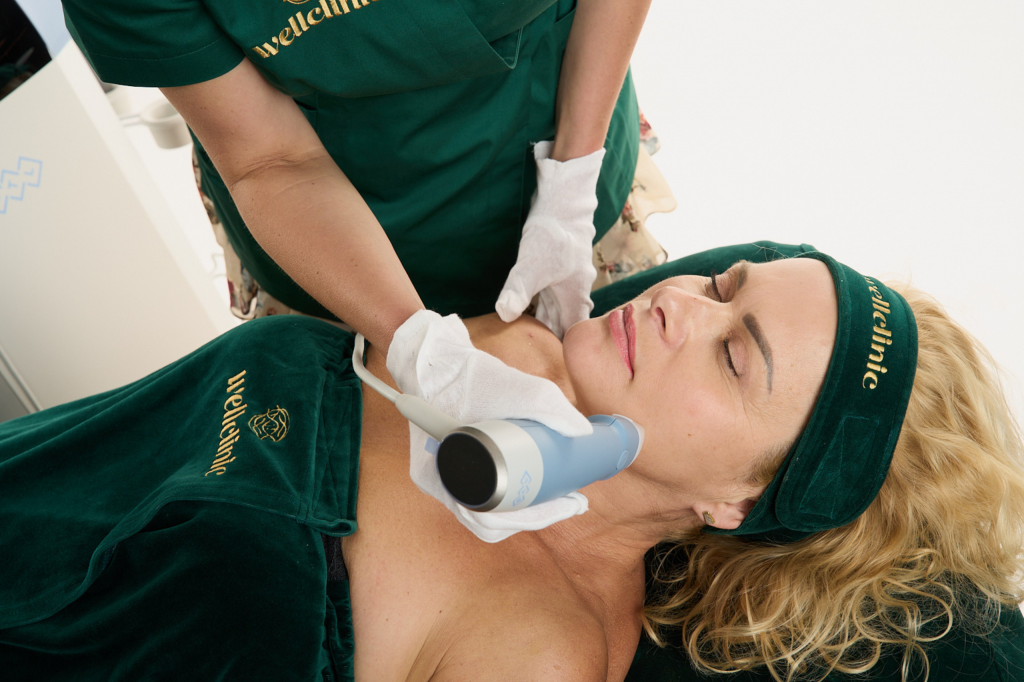
Is it possible to improve the shape of the face without surgery? One of the available methods is HIFU, i.e. high-intensity focused ultrasound technology.
Ultrasonic energy is directed to specific depths within the tissues, where it induces controlled thermal effects. This stimulates remodelling processes which can lead to improved skin firmness.
HIFU is used, amongst other things, in treatments for the lower face, the chin area and the neck.
However, this does not mean that the procedure is a substitute for a surgical facelift. The best candidates are those with the appropriate medical indications, whose main concern is moderate tissue laxity.
EMFACE – a combination of muscle stimulation and skin rejuvenation
The shape of the face depends not only on the condition of the skin. The facial muscles and their relationship with other structures also play a significant role.
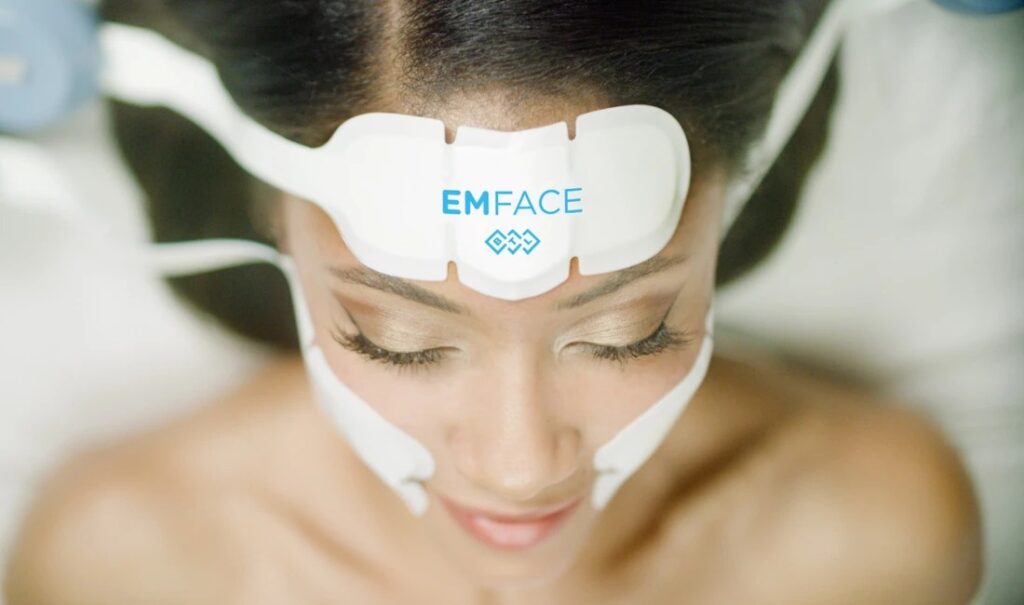
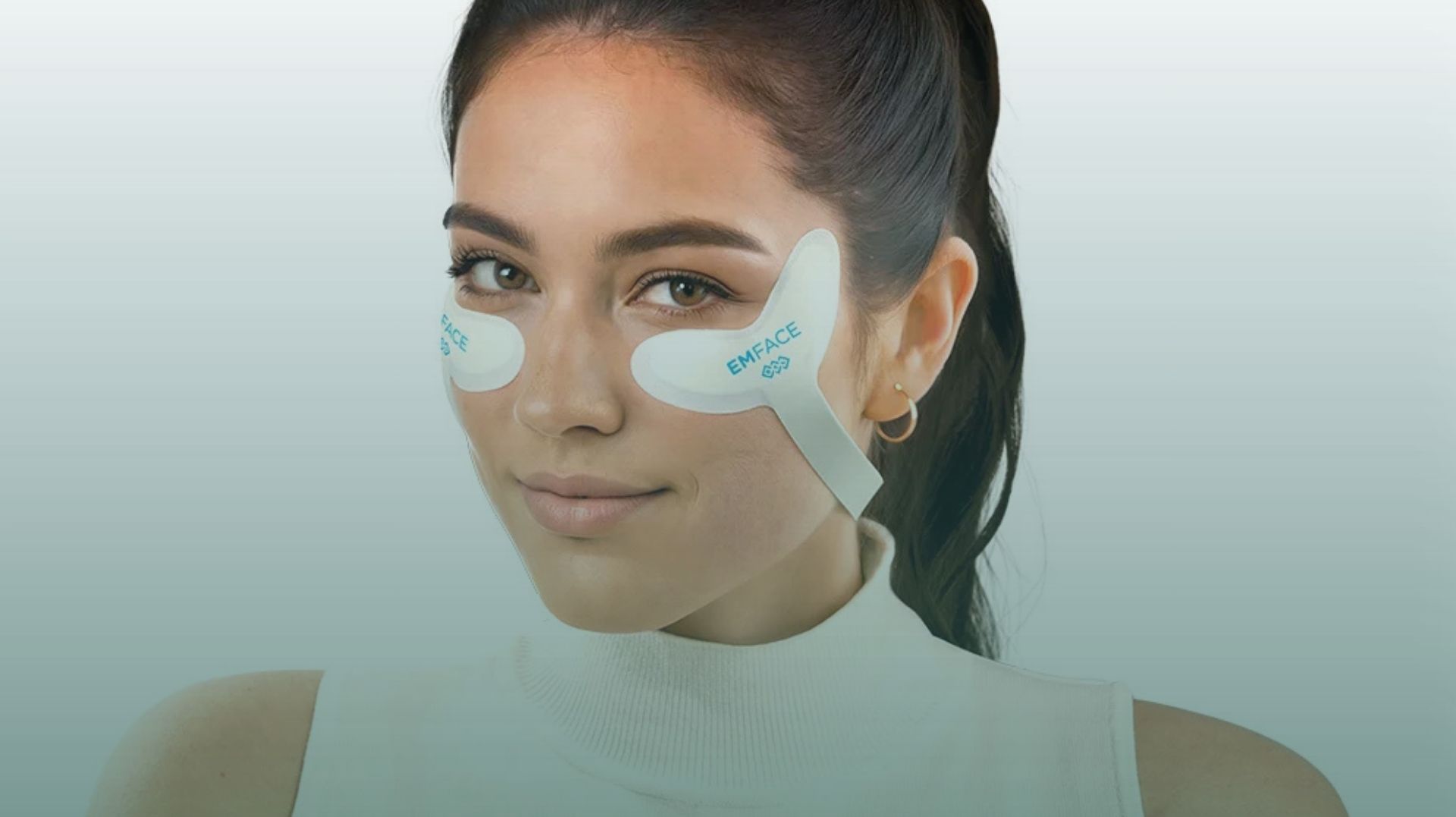
EMFACE It is a technology that combines radiofrequency with high-intensity electromagnetic stimulation of the facial muscles.
Its activities cover two areas:
- Radiofrequency delivers thermal energy to the skin and supports remodelling processes;
- Electromagnetic stimulation causes contractions in specific facial muscles.
As a result, the technology acts on both the skin and the muscles at the same time. It can form part of a non-surgical treatment to improve the appearance of the face.
It is important, however, not to regard it as a method for removing excess body fat or restoring lost volume. Each of these issues requires a separate assessment.
Tissue stimulators – when the skin needs to regenerate
Thin, flaccid skin, a loss of firmness and a deterioration in skin texture are problems that often arise with age.
In such cases, the doctor may consider tissue stimulators, i.e. products that support the skin’s renewal and regeneration processes.
Depending on the substance used, they may stimulate processes involved in collagen production, improve skin density and enhance its elasticity.
Not all stimulants work in the same way. They differ in their composition, mechanism of action, indications and method of administration.
Their aim is not to over-fill the face, but to improve the quality of the tissues and achieve a natural-looking result.
Facial volumetry – restoring lost proportions
It isn’t always sagging skin that’s the problem. Sometimes the face looks older because it gradually loses its natural volume.
This applies, amongst other things, to the cheeks and temples, which are responsible for the youthful proportions of the face.
In such situations, you might consider facial volumetrics, i.e. restoring volume in key areas using carefully selected products.
The aim is to restore the natural support of the tissues, not to alter facial features.
Precision is key. Using too much of the product can put excessive strain on the lower part of the face and produce the opposite effect to the one intended.
Quantum Face – a comprehensive treatment programme at Wellclinic
Why is one treatment not always enough?
Because sagging of the facial contours It is rarely caused by a single mechanism. The changes affect the skin, subcutaneous tissue, muscles and supporting structures. Focusing solely on one of these elements may not bring about the expected improvement.
At Wellclinic, we take a personalised approach to enhancing the appearance of the face, taking into account the skin’s needs and its current condition.
One of the available solutions is Quantum Face - a multi-stage programme utilising advanced laser technology, designed to improve the quality of the skin and support its natural regenerative processes.
The programme may be supplemented by EMFACE, which works by stimulating specific facial muscles and utilising radiofrequency energy.
Each of these technologies serves a different purpose. Therefore, the combination of procedures should be based on an assessment of the patient’s needs, rather than on the assumption that the more treatments, the better the result.
At Wellclinic, we don’t focus solely on a single visible problem. We look at the face as a whole. What matters are the proportions, the quality of the skin, the firmness of the tissues and the preservation of natural features.
Diet and facial shape – how can you make a double chin less noticeable?
Is it possible to lose weight from your face? Yes, but you cannot decide for yourself from which part of the body your body will break down fat.
If excess fat in the chin area It is caused by general excess weight; gradually losing weight may improve the contours of the face.
However, this does not mean that intensive weight loss will be beneficial for everyone. Too rapid weight loss may lead to reduction in cheek volume i to highlight skin laxity.
That is why it is worth ensuring that a balanced diet, which supports both metabolism and skin health.
The following are particularly important:
- Protein - provides the amino acids needed to maintain and repair tissues.
- Vitamin C - plays a part in collagen synthesis.
- Omega-3 fatty acids - support the body’s normal functioning.
- Antioxidants - they help protect cells from oxidative stress.
- Adequate hydration - supports the healthy functioning of the skin and the whole body.
It is also worth cutting down on excess salt, particularly if you notice a tendency to retain fluid and experience morning facial swelling.
How can you improve the shape of your face? The most important thing is to choose the right method
The loss of a defined facial contour does not necessarily mean that a surgical facelift is required. There are methods that can improve skin firmness, support its regeneration and restore harmonious proportions.
Massage, skincare and a healthy lifestyle help keep the skin in good condition. On the other hand, microneedle radiofrequency, HIFU, EMFACE or tissue stimulators may form part of professional practice, provided there are appropriate indications.
However, there is no single treatment that will be best for every woman.
If your problem is sagging cheeks, you need a different approach to that required for excess fat under the chin. The treatment is different again when the face loses volume and its natural support.
Would you like to find out how to improve the shape of your face without surgery, and which treatments would be suitable for you?
Book a consultation at Wellclinic. Our Medical Team will assess the condition of your skin, analyse your facial proportions and help you choose a personalised treatment plan.
Sources:
1. Medical University of Silesia: „Cosmetics and salon treatments used in skin care for women during the perimenopausal period” (2025).
https://ppm.sum.edu.pl/info/article/SUM27653d7a1aa44db5be92799f5449c0cf/
2. Aesthetic Cosmetology and Medicine: „Changes in the appearance of the skin and its appendages in women during the menopause”, Aneta Sugier (2025).
https://aestheticcosmetology.com/changes-in-the-appearance-of-the-skin-and-its-appendages-in-women-during-menopause/
3. Aesthetic Cosmetology: „Hormone therapy and home and salon skincare for women going through the menopause”, Aneta Sugier (2026).
https://www.kosmetologiaestetyczna.com/2026/hormonoterapia-oraz-pielegnacja-domowa-i-gabinetowa-skory-u-kobiet-w-okresie-menopauzy/
4. Aesthetic Cosmetology and Medicine: „Clients” knowledge of the active ingredients used in the care of ageing skin at beauty salons”, Natalia Kaganiec, Marta Rogalska, Sylwia Klasik-Ciszewska (2023).
https://doi.org/10.52336/acm.2023.017
5. Jagiellonian University: „Methods and scales for assessing photoageing of the facial skin – a review of the scientific literature”, Karolina Łagosz, Radosław Śpiewak, Jan Kobierski (2025).
https://ruj.uj.edu.pl/entities/publication/f78785fa-5094-4b6d-afa1-198c611b5ac1
Book a consultation

 +48 600 100 177