
 Katarzyna Pawłowska

 07.10.2026
Table of contents
Exosomes They are increasingly mentioned in discussions about skin regeneration, improving skin quality and treatments to support hair health. And with good reason. Their action is based on intercellular communication, a process that is of vital importance for the functioning and regeneration of tissues.
In aesthetic medicine, the interest in exosomes stems primarily from their regenerative potential. They are used in treatments for the facial skin and scalp, as well as for treating scars and stretch marks. They can also form part of a broader treatment plan, in which they are combined with other methods designed to improve skin quality.
At Wellclinic exosomes They are used as part of individually tailored regenerative therapies. Their application may include improving the condition of the skin, as well as supporting hair treatments or addressing structural changes in the skin.
Exosomes - what exactly are they?
Exosomes These are small extracellular vesicles that are naturally produced by cells. They can be likened to information carriers - they transport various types of molecules between cells, including proteins, lipids and genetic material.
Their importance stems precisely from their ability to participate in intercellular communication. This enables them to influence the behaviour of other cells and support the processes taking place in tissues.
It was precisely this mechanism that meant that exosomes in aesthetic medicine they began to be used as part of treatments aimed at regenerating and improving the quality of the skin.
It is not merely a matter of temporarily smoothing the skin’s surface. The aim of the treatment is to create the right conditions to improve the skin’s condition, structure and ability to regenerate.
In practice exosome therapy It can be used as a stand-alone treatment or as part of a broader treatment plan, such as Quantum Face. The choice of the most suitable treatment depends on the condition of the skin, the problem the patient is presenting with, and the desired outcome.
Exosomes in aesthetic medicine
Over time, the skin loses its ability to regenerate as effectively as it once did. Collagen and elastin production decreases, wrinkles appear, firmness declines, and the skin’s texture becomes less uniform.
Added to this are discolouration, uneven skin tone, scars and marks left by inflammation.
That is why modern regenerative therapies are increasingly focusing not only on the skin’s appearance, but also on improving its quality.
Exosomes in cosmetology and aesthetic medicine They are of particular interest precisely because of their potential to support regenerative processes. They can be used in treatments aimed at improving the skin’s elasticity, structure and overall condition.
However, this does not mean that every patient needs exosomes. It is not a one-size-fits-all treatment for every skin problem.
The right diagnosis is important. Depending on the skin’s needs, the treatment may be combined with other methods, such as mesotherapy or tissue biostimulators.
Exosomes for the face - regeneration and improvement of skin quality
The face is one of the areas where exosomes are used particularly frequently. The skin on the face is constantly exposed to UV radiation, pollution, stress and other factors that accelerate the ageing process.
Over time, wrinkles appear, the skin loses its firmness, the complexion becomes uneven and the skin’s texture changes. The skin may become thinner, drier and less radiant.
Facial exosomes They are primarily used in treatments aimed at improving the quality and regeneration of the skin. Their potential in terms of intercellular communication means that they can support the processes taking place in the skin and create conditions conducive to its renewal.
The treatment may result in an improvement in the skin’s appearance, elasticity and firmness. Over time, the face may look fresher and healthier, and minor imperfections may become less noticeable.
However, when it comes to skin showing signs of ageing, it is important to take a broader view. Simply improving the skin’s surface is not always enough.
Therefore, depending on the indications Exosomes can be combined with mesotherapy and tissue biostimulators. This approach makes it possible to tailor the treatment to the condition of the skin, its needs and the desired outcome.
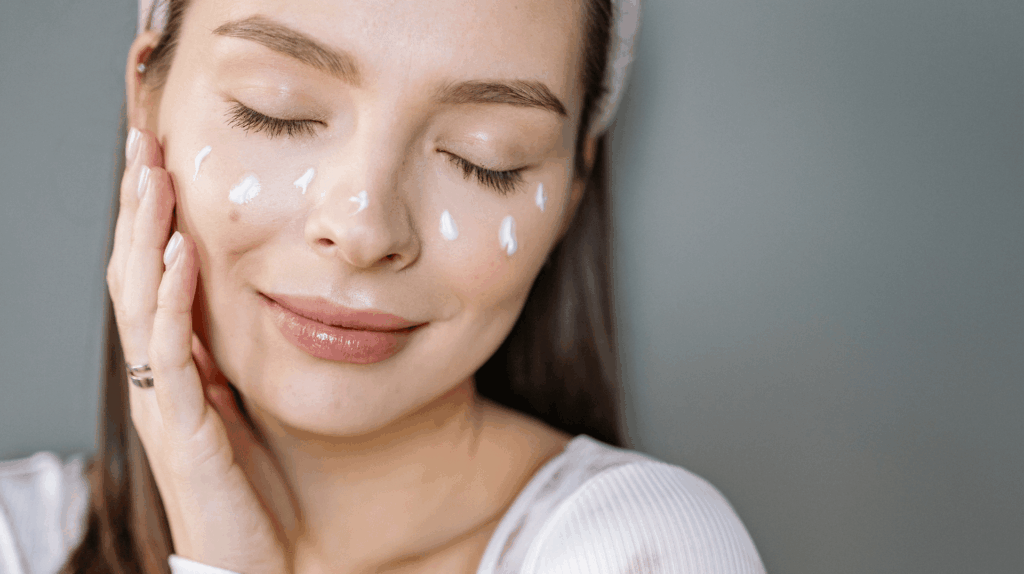
Exosomes and wrinkles and loss of firmness
Wrinkles do not form simply because my skin is dry. As we age, its structure changes and the amount decreases collagen i elastins, and the recovery processes take longer.
That is why intensive moisturising alone does not always produce the results the patient expects.
Exosomes for wrinkles can be used as a component regenerative therapy, which aims to improve the quality of the skin and support its natural renewal processes.
In the case of mature skin It is particularly important to preserve the face’s natural appearance. It is not about completely smoothing out every wrinkle. The aim is for the skin to look healthier, be firmer and have a better texture.
This approach helps to avoid the ‘over-treatment’ effect, which can occur when the entire course of treatment is focused solely on reducing wrinkles.
Exosomes and skin discolouration and uneven skin tone
Discolouration are one of the most common problems that patients present with at aesthetic medicine clinics.
They may be linked, amongst other things, to UV radiation - the so-called. post-sun discolouration, hormonal changes, skin inflammation or the ageing process.
In the case of such problems, treatment should always be tailored to the cause of the changes. There is no single treatment that is suitable for every type of discolouration.
Exosomes They can form part of a treatment programme designed to support skin regeneration and improve skin quality. Depending on the specific issue, they can be combined with other methods used in aesthetic medicine.
The aim is not merely to lighten individual blemishes. What matters is improving the overall appearance of the skin - its texture, tone and condition.
Exosomes for hair and the scalp
Hair problems require a completely different approach to facial skin treatment.
Hair loss There may be many causes. Factors such as genetic predisposition, hormones, the condition of the scalp, nutritional deficiencies, stress, illnesses and diet all play a role.
It is therefore worth establishing the cause of the problem before starting treatment.
Exosomes for hair They are used as part of regenerative scalp therapies. Their potential in terms of intercellular communication may support tissue function and improve tissue health.
This treatment may be considered, amongst other things, for weakened hair and certain types of hair loss. However, this does not mean that exosomes replace the diagnosis of the cause of hair loss.
That’s important.
If you start losing a lot of hair, it is worth finding out why this is happening first. Only then can you plan your treatment properly.

Exosomes in the treatment of hair loss
One of the reasons for the growing interest exosomes in the treatment of hair loss is their potential impact on the regenerative processes taking place within the scalp.
The environment in which they operate is particularly important hair follicles. Their condition depends not only on the hair follicle itself, but also on the surrounding tissues.
Regenerative therapies They may therefore complement the treatment used for patients with hair loss.
In the case of androgenetic alopecia However, in the case of other chronic hair problems, exosomes should not be regarded as a simple solution. An accurate diagnosis and tailoring the treatment to the underlying cause remain essential.
At Wellclinic scalp exosome therapy It may form part of a personalised treatment plan. Depending on the patient’s needs, the doctor may decide to combine various methods to support the health of the scalp and hair.
Exosomes for scars
Scar is the result of the healing process. It occurs when the damage to the skin is deep enough that the body has to rebuild the tissue in a different way to that involved in normal epidermal regeneration.
That is why scars can vary in texture, colour and depth.
Exosomes for scars They can be used as part of a treatment to support the skin’s regenerative processes. Their use may be particularly important when the aim is to improve the quality and structure of the skin in the area of the scar.
However, not every scar reacts in the same way. Acne scars require a different approach to traumatic or post-operative scars.
For this reason, treatment should be preceded by an assessment of the type of scar and its maturity.
Exosomes for stretch marks
Stretch marks They are caused by damage to the skin’s structures resulting, amongst other things, from the sudden stretching of tissues. They may appear during pregnancy, periods of rapid growth, rapid weight gain, and also during a rapid increase in muscle mass.
Over time, stretch marks change in appearance. Initially, they may be red or purple; later, they become lighter in colour and more noticeable against healthy skin.
Exosomes for stretch marks are used in treatments designed to improve the quality and structure of the skin.
It is not a question of „erasing” stretch marks in a single treatment. These are changes that have occurred in the deeper layers of the skin, which is why improving their appearance usually takes time and requires a carefully selected course of treatment.
Exosomes could form part of such a plan. Depending on the type and appearance of the stretch marks, the treatment may be combined with other regenerative methods.
Exosomes and skin regeneration
One of the main reasons for the interest in exosomes is their regenerative potential.
The skin is constantly renewing itself. The problem arises when these repair processes become less efficient. As we age, skin cell activity decreases, collagen production drops, and recovery from damage takes longer.
That is precisely why skin regeneration It is now one of the key areas of aesthetic therapy.
Instead of focusing solely on concealing the signs of ageing, you can work on the quality of the skin itself.
Exosomes They may act as a factor supporting intercellular communication and repair processes in this process.
The result should not be understood as an immediate change in appearance. Regeneration is a process. The skin needs time to respond to the treatment.
Exosomes and mesotherapy
Exosomes can be combined with mesotherapy, provided that such a combination is justified by the condition of the skin and the treatment plan.
Mesotherapy enables carefully selected substances to be delivered directly into the skin. When combined with regenerative therapy, it can form part of a comprehensive plan to improve tissue quality.
However, this does not mean that everyone needs all the available methods.
In aesthetic medicine, more does not always mean better.
What matters is correctly identifying the problem, carrying out the treatments in the right order, and ensuring appropriate intervals between procedures.
Exosomes and tissue biostimulants
The second method, which Exosomes can be combined; they are tissue biostimulants.
Biostimulants are designed to stimulate the natural processes occurring in tissues and to support improvements in their quality. Depending on the preparation used and the indications, they may, amongst other things, influence the remodelling of the skin and improve its parameters.
Combining different methods can enable you to tackle several problems at once - but only if it is properly planned.
When it comes to mature skin, it’s not just about wrinkles. Its density, firmness, hydration, texture and ability to regenerate are all important.
Therefore exosomes and tissue biostimulants They can form part of a broader plan to improve skin quality, rather than being two random treatments carried out one after the other.
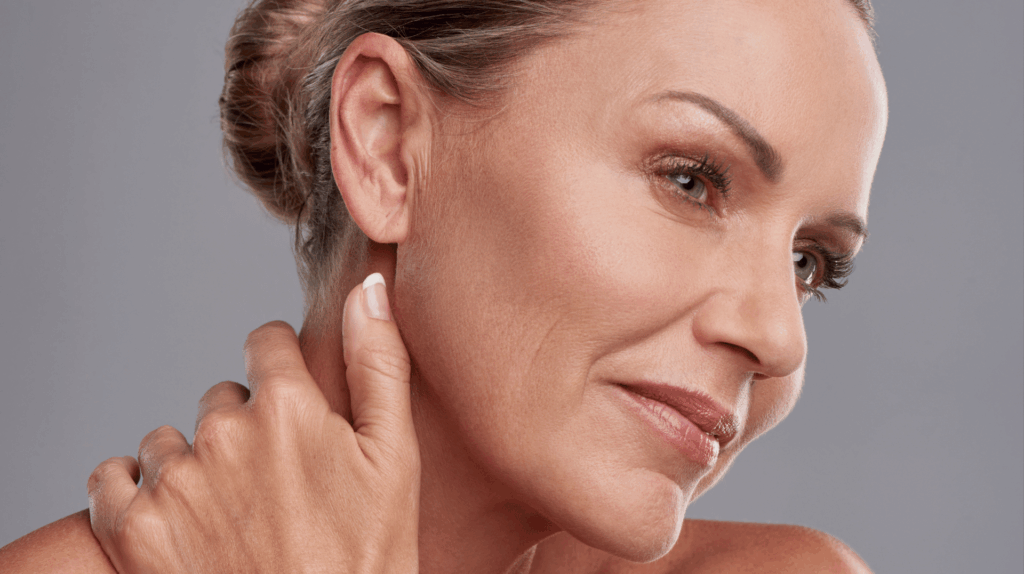
ASCE+ exosomes in regenerative therapies
At Wellclinic, the following preparations are used ASCE+, used in treatments aimed at regenerating the skin and improving its quality.
ASCE+ ta product based on exosome technology, which can be used as part of personalised treatments.
Depending on the problem, the treatment may focus on the skin of the face, the scalp, scars or stretch marks.
However, it is important to ensure that the treatment and the method of application are correctly tailored to the specific case. The same treatment will not be suitable for someone with skin discolouration, a patient with acne scars, or someone seeking treatment for hair loss.
Therefore, a consultation and assessment of the condition of the skin or scalp are required before the treatment.
Exosomes - when should therapy be considered?
Exosome therapy may be considered when the aim is to improve skin quality and regeneration, to support scalp treatments, or to address specific skin problems.
Their use may be particularly important for people who wish to improve the quality of their skin without altering their facial features.
The main aim is to improve the condition of the tissues and create the conditions for their regeneration.
Are exosomes suitable for everyone?
No.
And it’s worth saying this quite plainly.
Every aesthetic medicine treatment requires an assessment of the indications and contraindications. Factors such as the condition of the skin, any existing medical conditions, medication being taken, previous treatments and the patient’s expectations are all important.
Exosomes should not be regarded as a universal remedy for anti-ageing, hair loss, scars or stretch marks.
First, you need to identify the problem. Only then should you choose the right tool.
During the consultation, the specialist assesses the condition of the skin or scalp and, on that basis, may suggest a suitable treatment plan.
The effects of exosome therapy
The results depend on a number of factors - the type of problem, the condition of the skin, age, individual predispositions and the treatment used.
In the case of facial skin, the aim may be to improve its quality, elasticity, firmness and appearance. Scalp therapy is primarily about supporting the functioning of the hair follicles.
In the case of scars and stretch marks, the aim is to improve the structure and appearance of the affected skin. Aesthetic medicine can significantly improve their appearance, but the results depend on the type of lesion and the individual’s response.
The same applies to wrinkles. The aim of regenerative therapy is to improve the quality of the skin, not to completely remove the natural signs of ageing.
Why should treatment be tailored to the individual?
The same problem can look completely different for two different people.
Two patients may have a similar number of wrinkles, but their skin may be of a completely different quality. One may have thin, dry skin, whilst the other may have thicker skin, but with a noticeable loss of firmness.
The situation is similar when it comes to hair. Hair loss can have various causes and may require completely different approaches.
Therefore exosomes in aesthetic medicine should not be treated as a ready-made treatment package.
First, the diagnosis. Then, the strategy.
A well-planned treatment programme may include exosomes and other procedures, such as mesotherapy i tissue biostimulators, provided that their use is justified.
Exosomes at Wellclinic
At Wellclinic exosome therapy is part of an approach aimed at improving quality and regenerating tissues.
Exosomes They can be used in treatments for the face, scalp, scars and stretch marks. Depending on the patient’s needs, they can also be combined with other methods, primarily mesotherapy and tissue biostimulators.
There is no single approach that suits everyone.
That is why, during the consultation, the condition of the skin, the nature of the problem and the patient’s expectations are assessed. Only on this basis can a decision be made as to whether exosome therapy is appropriate and which other methods it should be combined with.
It is precisely this approach that helps to avoid choosing treatments at random.
Exosomes - a new direction in regenerative therapies
Exosomes are attracting a great deal of interest, as they are in line with the direction in which contemporary developments are heading regenerative therapies - rather than focusing solely on concealing imperfections, increasing attention is being paid to the quality and function of tissues.
Exosomes can be a valuable tool, but only if they are used in the right context.
If you notice a loss of skin firmness, a deterioration in its texture, scars, stretch marks or hair problems, Book a consultation at Wellclinic. A team of specialists will assess the condition of your skin or scalp and tailor the treatment to your specific problem.
Sources:
- PubMed „Exosomes in regenerative medicine: biological functions and therapeutic potential”
https://pubmed.ncbi.nlm.nih.gov/33419156/ - PubMed „Exosomes in Skin Regeneration and Rejuvenation”
https://pubmed.ncbi.nlm.nih.gov/35050209/ - PubMed „Exosomes: Biological Pharmaceutical Nanovectors for Regenerative Medicine”
https://pubmed.ncbi.nlm.nih.gov/33925717/ - PubMed „Exosomes as a Cell-Free Therapy for Regenerative Medicine”
https://pubmed.ncbi.nlm.nih.gov/32121828/ - PubMed „Exosomes in Hair Regeneration”
https://pubmed.ncbi.nlm.nih.gov/37406477/ - PubMed „Exosomes in dermatology: a systematic review”
https://pubmed.ncbi.nlm.nih.gov/37492089/



 +48 600 100 177