
 Katarzyna Pawłowska

 23.11.2026
You might lose a few kilograms, but your tummy will still look the same. And that’s what’s most frustrating.
Love handles It can persist even when you’re watching what you eat, exercising and seeing results in other parts of your body. Worse still, further attempts to lose weight don’t always yield the expected results. Why? The body does not burn fat evenly, and its distribution depends, amongst other things, on genetics, age, hormone balance and daily habits.
How can you effectively reduce your waistline? The key is a properly tailored diet and regular physical activity. However, if, despite consistent effort, localised fat deposits remain, it is worth looking into body contouring methods. Don’t waste any more months on random solutions. First, work out what is causing your tummy to look the way it does and which approaches actually make sense.
A voucher for you
Wellclinic gift vouchers from just 1,000 zł – treat yourself or your loved ones to health and beauty. Order by the end of November!
Collect your voucherTable of contents
A spare tyre around the waist – subcutaneous or visceral fat?
Not every protruding tummy means the same thing. In the abdominal region, there are the two main types of adipose tissue: subcutaneous and visceral. They differ in terms of their location, function and significance for health.
Subcutaneous fat It is located directly beneath the skin. It is this layer that is most often responsible for the visible fold in the lower abdomen, commonly known as a ‘spare tyre’. It can usually be pinched between the fingers. Its amount and distribution depend, amongst other things, on genetics, age, hormonal balance and energy balance.
Visceral fat It is located deeper within the abdominal cavity and surrounds the internal organs. It does not form the typical fold under the skin, but excess fat can increase abdominal circumference. It is also a significant risk factor for metabolic disorders, including insulin resistance, type 2 diabetes and cardiovascular disease.
This is an important distinction. The methods used for aesthetic body contouring primarily concern the appearance of specific areas of the body. They are not a substitute for the treatment of obesity or for managing excessive visceral fat.
Why does a spare tyre form around the waist?
One of the main reasons increasing body fat is long-lasting positive energy balance. This means that the body takes in more energy from food than it uses. The surplus can be stored as body fat, including in the abdominal area.
Other factors also influence the development of a spare tyre:
- An unhealthy diet - Frequent consumption of highly processed foods, sweetened drinks, sweets and alcohol can make it easier to exceed one’s daily energy requirements. It is not only the type of food that matters, but also the portion sizes and the total calorie content of the diet.
- Lack of physical activity - A sedentary lifestyle and a lack of daily physical activity reduce energy expenditure. Combined with a calorie surplus, this can lead to an increase in body fat.
- Chronic stress and sleep deprivation - can affect hormone balance, appetite and dietary choices. Long-term stress is associated, amongst other things, with changes in cortisol levels, but this does not mean that stress alone automatically causes fat to accumulate around the abdomen.
- Hormonal changes - As we age, our hormone balance and the distribution of body fat change. In women, this can be particularly noticeable during the menopause.
- Genetic predisposition - they influence the parts of the body where the body tends to store fat.
It is worth bearing in mind that a spare tyre does not necessarily indicate a hormonal imbalance. Insulin resistance or an underactive thyroid may co-occur with excess weight, but they should not be regarded as the direct and sole cause of every fold of fat on the stomach.
Why won’t the spare tyre around my waist go away, despite dieting and exercise?
Fat reduction It does not happen evenly. Even if body weight gradually decreases, the stomach may remain an area where changes are barely noticeable for a long time. The body regulates for itself which areas it draws energy from first.
The following are also important age and hormonal changes. In women with menopause The distribution of body fat may change – it tends to accumulate more frequently around the abdomen, even if total body weight does not change significantly. Genetic predisposition and individual body shape also influence the appearance of this area of the body.
However, a visible spare tyre is not always simply a matter of adipose tissue. The appearance of the stomach may also be affected by bloating, posture, muscle weakness or excess loose skin following significant weight loss. That is why, before starting to lose weight, it is worth establishing what is responsible for your appearance.
How can you get rid of your belly fat? Start with your diet
There is no single product or diet that allows you to burn fat exclusively from your stomach. Fat reduction Above all, it requires maintaining a negative energy balance. This means that the body should consume less energy from food than it expends.
A diet to get rid of a pot belly It does not have to be based on strict restrictions. A diet that can be maintained over the long term works much better. It is worth including the following in your daily diet:
- fruit and vegetables, which provide fibre, vitamins and minerals;
- wholemeal products, which are a source of dietary fibre;
- sources of protein, such as fish, eggs, dairy products, pulses and lean meat;
- vegetable fats, nuts and seeds;
- an adequate amount of fluids.
It is also worth cutting down on sugary drinks, frequent snacking and excessive alcohol consumption. These items can be high in calories without providing a long-lasting feeling of fullness.
It is important not to overlook the importance of regular meals and getting enough sleep. These are factors that help maintain healthy eating habits and control your appetite. However, the most important thing is your overall energy balance, rather than any single food considered to aid weight loss.
Exercises for a spare tyre around the waist – what really works?
Sit-ups, planks or leg raises They strengthen the abdominal muscles, but do not in themselves cause fat to be burnt specifically in the area where the exercises are performed. The body utilises its energy reserves in a way that cannot be directly influenced by the choice of a particular exercise.
If the aim is reducing belly fat, it’s worth combining several types of activity:
- Aerobic training - Brisk walking, cycling, swimming and running increase energy expenditure.
- Strength training - helps to maintain and build muscle mass, which is important when losing weight.
- Exercises to strengthen the abdominal muscles - improve core stability, strength and postural control.
- Daily activity - Going for walks, taking the stairs and taking frequent breaks from sitting increase the amount of physical activity you do during the day.
Consistency yields the best results. The intensity of your training should be tailored to your fitness level, abilities and state of health. There’s no need to start with demanding interval training – for many people, a good first step is to walk regularly and gradually increase their activity levels.
Is it possible to lose weight from just the lower part of the tummy?
You cannot choose where your body will draw energy from whilst losing weight. Exercises that target the abdominal muscles strengthen that area, but do not guarantee a reduction in body fat in the lower abdomen.
It is also worth distinguishing between excess body fat from a protruding tummy. Its appearance may also be affected by bloating, posture, muscle weakness, changes following pregnancy, or excess loose skin following significant weight loss. Each of these situations requires a different approach.
That is why, before choosing methods of abdominal modelling It is worth identifying what determines its appearance. Fat reduction, improving skin firmness and working on posture are different goals that should not be confused with one another.
Abdominal contouring – when should you consider additional methods?
Diet and physical activity remain the cornerstones of weight loss. However, they do not always result in the desired appearance of a specific part of the body. People with a normal or stable body weight may still have localised fat deposits subcutaneous fat on the stomach or reduced skin turgor.
In such situations, one might consider the methods used in body shaping. Their purpose is to improve the appearance of a specific area, not to treat excess weight or replace a healthy lifestyle.
The choice of technology depends on several factors: the thickness of the fat layer, the condition of the skin, the desired result and any contraindications. Not every method will be suitable for every person. It is also important to distinguish between non-surgical procedures and liposuction, which is a surgical procedure.
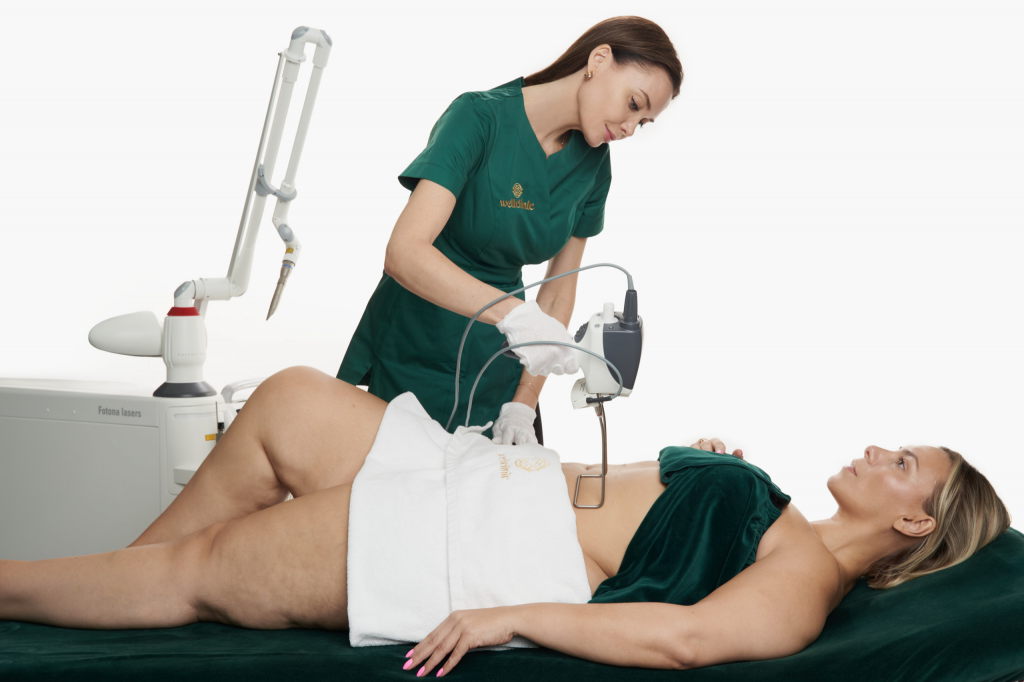
Fotona TightSculpting – laser abdominal contouring
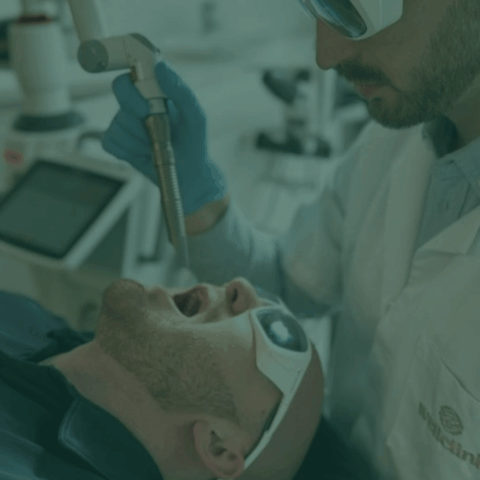
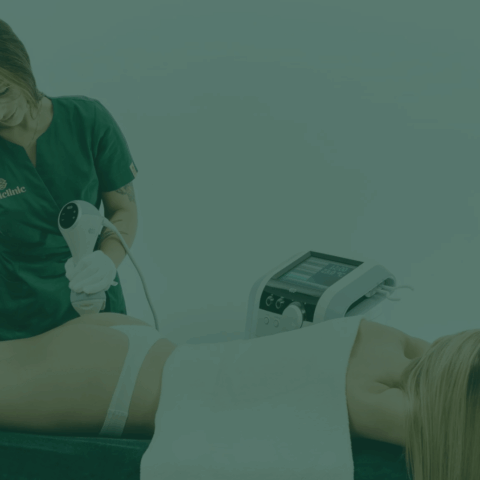
One of the methods used to improve body contour is Fotona TightSculpting. This is a non-surgical laser procedure, the protocol for which combines the effects of two wavelengths: Nd:YAG i Er:YAG.
In the first stage, the following is used: Nd:YAG laser energy. Its purpose is to heat the deeper layers of tissue in a controlled manner. The second stage utilises Er:YAG laser and focuses on heating the surface layers of the skin, which is intended to support its firmness and improve its structure.
Combining these two stages allows you to work on your body shape and the condition of your skin. Fotona TightSculpting It can be used, amongst other areas, on the abdomen, thighs, hips and arms. The scope of the treatment and the parameters are tailored to the patient’s individual needs.
This method is not the same as surgical liposuction. Nor should it be regarded as a treatment for obesity. It is primarily used for the aesthetic contouring of specific areas of the body.
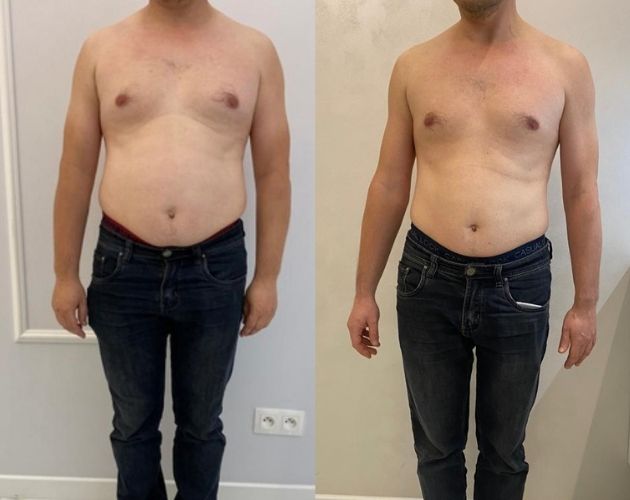
What results can you expect from Fotona TightSculpting?
The results of the treatment depend on the initial condition of the skin, the amount of body fat, the parameters used and the individual’s response. For some people, the aim is to improve skin firmness; for others, it is to alter the contour of a specific area of the body.
It is not possible to predict in advance by how many centimetres the waist circumference will decrease, nor can a specific result be guaranteed after a single session. In some cases, the specialist may recommend a series of sessions.
Before starting treatment, it is essential to have a consultation to assess whether the chosen method is suitable for the patient’s needs. This also provides an opportunity to discuss the possible effects, limitations and contraindications.
Laser liposuction versus non-surgical abdominal contouring – how do they differ?
Terms such as laser lipolysis, laser liposuction and laser body contouring are sometimes used interchangeably.
Liposuction It is a surgical procedure involving the mechanical removal of fatty tissue using a special cannula. It requires appropriate medical qualifications and involves a period of recovery.
In turn non-surgical body contouring uses technologies that act on tissues without surgically removing them. In the case of Fotona TightSculpting Laser energy is used to heat tissue in a controlled manner and improve the appearance of the selected area.
The differences relate to how the procedures work, the range of possible outcomes, the indications and the course of the procedure. It is therefore worth checking, before choosing a method, what technology the offer involves and what results can realistically be achieved.
Do supplements help get rid of a spare tyre?
Dietary supplements are not a method that, on their own, can eliminate a spare tyre around the waist. Products advertised as fat burners often promise more than is supported by the available scientific evidence.
L-carnitine, CLA or plant extracts They are sometimes found in weight-loss supplements. However, this does not mean that taking them leads to a noticeable reduction in abdominal fat. The effects depend on the composition of the product, the dosage and a number of individual factors, and for some products, evidence of effectiveness is limited.
A healthy diet, physical activity and maintaining an appropriate energy balance remain the cornerstones. It is advisable to consult a doctor or dietitian about taking supplements, particularly if you are taking medication or have any chronic conditions.
How can you get rid of a spare tyre around your waist? Choose a method based on the cause
Not every bit of belly fat requires the same approach. If it is caused by excess body fat linked to weight gain, the key will be to change your eating habits and increase your physical activity. If the problem involves localised accumulation of subcutaneous fat or reduced skin elasticity, additional methods to improve the appearance of the figure may be considered.
At Wellclinic, the selection of abdominal contouring therapy This is preceded by a one-to-one consultation. A specialist assesses the condition of the skin, the nature of the problem and the suitability of the relevant technology. Make an appointment for a consultation and find out which method is right for you and what results you can realistically expect.
Sources:
1. PubMed, „Comparisons of calorie restriction and structured exercise on reductions in visceral and abdominal subcutaneous adipose tissue: a systematic review” (2022).
https://pubmed.ncbi.nlm.nih.gov/34040197/
2. PubMed, „An exercise programme to reduce abdominal visceral and subcutaneous fat in adults who are overweight or obese: A systematic review and meta-analysis of randomised controlled trials” (2025).
https://pubmed.ncbi.nlm.nih.gov/41109785/
3. PubMed, „Characteristics of Abdominal Visceral Adipose Tissue, Metabolic Health and the Gut Microbiome in Adults”, The Journal of Clinical Endocrinology & Metabolism (2024).
https://pubmed.ncbi.nlm.nih.gov/37837606/
4. PubMed, „Obesity and the menopause”, Best Practice & Research: Clinical Obstetrics & Gynaecology (2023).
https://pubmed.ncbi.nlm.nih.gov/37244787/
5. PubMed / PMC, „Efficacy and safety of long-pulse 1064 and 2940 nm lasers in non-invasive lipolysis and skin tightening”, Journal of Biophotonics (2019).
https://pmc.ncbi.nlm.nih.gov/articles/PMC7065637/
6. FDA, „Non-Invasive Body Contouring Technologies” - information on the possibilities, limitations and safety of non-surgical body contouring.
https://www.fda.gov/medical-devices/aesthetic-cosmetic-devices/non-invasive-body-contouring-technologies
Book a consultation

 +48 600 100 177