
 Katarzyna Pawłowska

 19.10.2026
Table of contents
A sagging facial contour, ‘hamster cheeks’, a double chin and skin that is losing its firmness can alter the appearance of the face more than individual wrinkles. The problem does not always lie with the skin itself. As we age, collagen and elastin levels decrease, tissue volume is lost, and the structures that support the face gradually weaken. The result? Contours become less defined, the cheeks lose volume, and the lower part of the face appears heavier.
Does this mean that the only solution is a surgical facelift? Not necessarily. A lift without a scalpel It includes aesthetic medicine and cosmetology treatments aimed at improving skin firmness, stimulating collagen production and restoring harmonious facial proportions. Depending on individual needs, concentrated ultrasound, radiofrequency, tissue stimulators, lifting threads, laser therapy or carefully selected hyaluronic acid-based products.
However, not every treatment works in the same way. Some stimulate collagen remodelling, whilst others provide mechanical support for the tissues or restore lost volume. Therefore, the choice of method should be based on the cause of the problem, rather than solely on the name of the treatment or the popularity of a particular technology.
What is a non-surgical facelift and how does it work?
A lift without a scalpel This term refers to non-surgical methods that improve skin firmness, density and appearance, as well as facial contours. Unlike a traditional surgical facelift, these treatments do not require extensive incisions or the surgical repositioning of tissues. However, this does not mean that every method is completely non-invasive. Some utilise energy from devices, others require injections, whilst others involve manual manipulation of the tissues.
The mechanism of action depends on the technology chosen. HIFU uses focused ultrasound, radiofrequency acts on tissues by means of radio wave energy, a tissue stimulators are intended to support skin regeneration. Laser therapy It uses light energy to exert a controlled effect on specific skin structures, stimulating regenerative processes, improving the skin’s texture and tone, and promoting collagen remodelling. In turn, volumetrics involving hyaluronic acid enables the restoration of lost volume in selected areas.
It is worth distinguishing between two aims of therapy. The first is improvement in skin quality, that is, its density, elasticity and structure. The second is changing the contours of the face by supporting or lifting the tissues. Not every technology achieves both of these effects to the same extent.
Well-planned non-surgical facelift It should take into account the patient’s age, skin thickness, degree of skin laxity, distribution of body fat and the patient’s expectations. A natural result does not involve altering facial features, but rather improving their harmony.
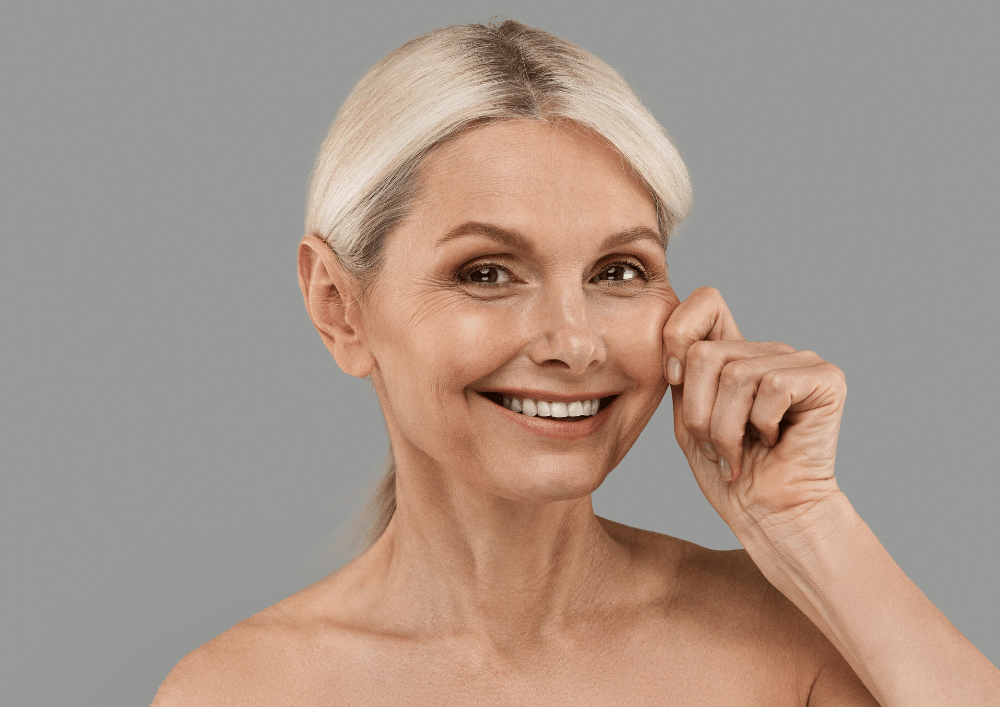
Why does the face lose its oval shape and why do jowls appear?
Loss of a distinct oval shape Facial ageing is a multifactorial process. As we age, activity decreases fibroblasts, that is, the cells responsible, amongst other things, for the production of collagen. The supporting fibres gradually lose their quality, and the skin becomes less elastic and less responsive to stretching.
At the same time, they are changing deeper facial structures. This leads to the displacement and loss of subcutaneous adipose tissue, as well as changes in bone structure. The tissues lose some of their natural support, which means that cheeks may seem less full, nasolabial furrows become more visible, and jawline loses its sharpness.
This is how the so-called hamsters, i.e. the bulging of tissue in the lower part of the cheeks, near the jaw. These are not always caused solely by excess skin. The distribution of fat tissue, facial structure and changes occurring in the deeper layers of the face also play a role.
This is important because a treatment designed to improve skin quality does not necessarily also effectively lift sagging tissues. If the main problem is a loss of volume, simply heating the skin may not be enough. On the other hand, if the face is slim and the skin is loose, excessive reduction in fat volume may produce an undesirable effect.
An effective facelift without a scalpel It starts with identifying the cause of the loss of facial contour. Only then can the appropriate treatment be selected to address the specific problem.
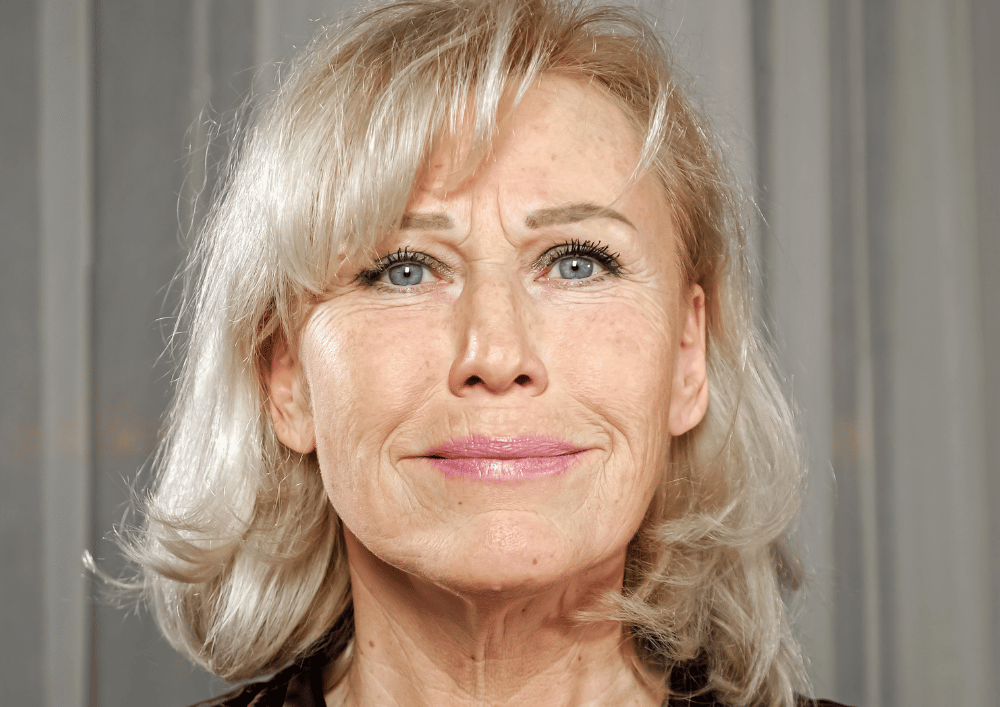
What non-surgical facelift treatments are worth considering?
The choice of treatment should depend on whether the main problem is sagging skin, loss of volume, visible wrinkles or tissue sagging. The various methods differ in terms of the depth of action, the mechanism involved and the time it takes for results to become apparent.
The most commonly considered solutions include HIFU, monopolar radiofrequency, microneedle radiofrequency, laser therapy, tissue stimulators and facial volumisation. The treatment can be complemented by procedures to improve skin hydration and facial massages, which help to achieve a more rested appearance.
These methods should not be regarded as substitutes for one another. A treatment designed to stimulate collagen production does not work in the same way as a procedure to restore volume to the cheeks. Similarly, a method designed to improve skin firmness does not produce results comparable to those achieved through surgical tissue repositioning.
The best treatment plan may involve a single method or several complementary procedures. However, combining treatments requires careful planning, an assessment of any contraindications, and taking into account the time needed for recovery.
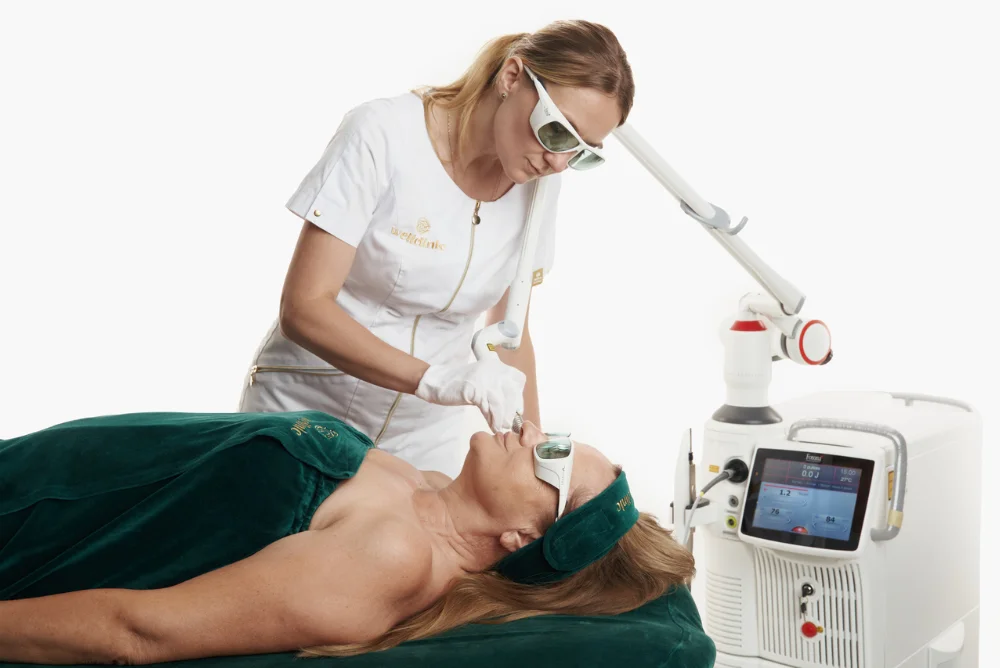
Quantum Face – what does this treatment involve?
Quantum Face a multi-stage anti-ageing treatment that combines laser therapy with personalised treatments designed to improve the condition of the skin, its firmness and facial contours. The programme comprises five stages: skin preparation and hydration, laser treatments to support skin remodelling, eye area care, treatments aimed at relieving facial tension, and facial contouring.
The treatment is preceded by a detailed skin analysis, which helps to assess, amongst other things, wrinkles, discolouration, skin texture and moisture levels, and then select the appropriate procedures. The treatment Quantum Face is in line with the approach to a lift without a scalpel, which aims to improve skin quality and achieve a natural rejuvenating effect without surgical intervention. The final results depend on the initial condition of the skin, the methods used and the individual’s response.
The programme may be of particular interest to people who notice loss of skin firmness, deeper nasolabial folds, crow’s feet or a less defined facial contour. Rather than focusing on a single problem, the therapy involves a comprehensive approach to facial appearance. However, the scope of each stage should be tailored to the patient’s needs, and the choice of procedures should be preceded by a consultation with a specialist. This makes it possible to plan measures aimed at improving skin quality and achieving a more rested appearance, taking into account the indications and contraindications for each treatment.
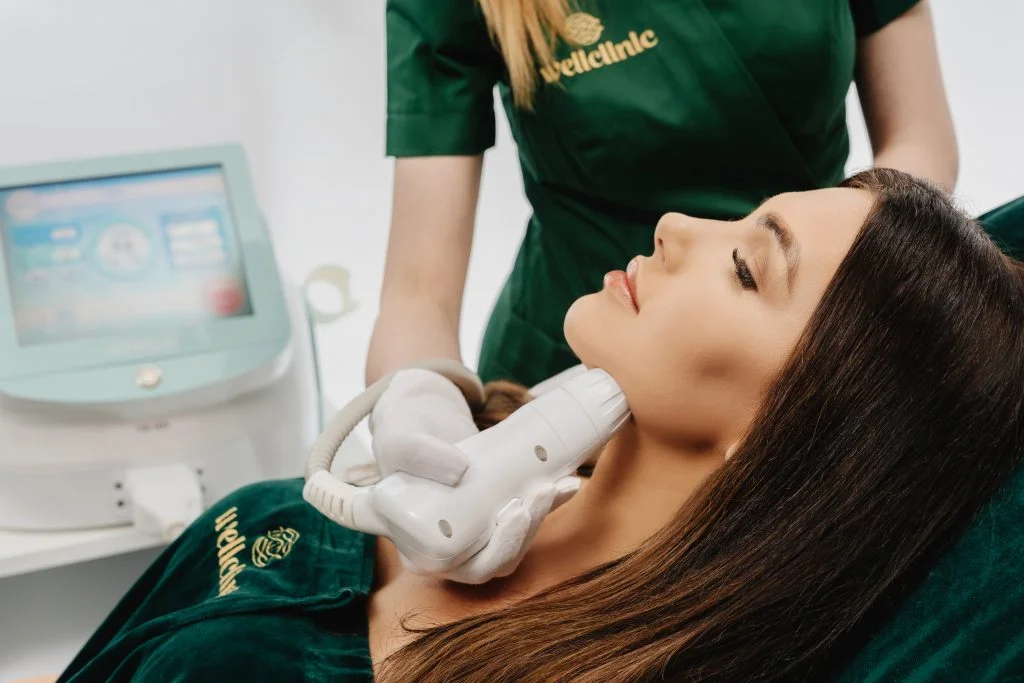
What is a HIFU facelift and how does it affect the contours of the face?
HIFU (High-Intensity Focused Ultrasound) This is a technology that uses focused ultrasound. The energy is focused at specific depths, where it causes controlled heating of small areas of tissue. The aim is initiating repair processes and stimulating collagen remodelling.
Depending on the device and the transducer used, the energy can affect various layers, including the deeper structures that support the face. However, this does not mean that every HIFU treatment reaches to the SMAS (superficial muscular aponeurotic system) nor that every procedure achieves the same degree of tissue lifting. The result depends on the device’s parameters, the technique used and the patient’s anatomy.
HIFU for the face It is primarily considered in cases of moderate skin laxity, a less defined facial contour and loss of firmness in the chin area. The results may develop gradually, as collagen remodelling takes time. This method does not guarantee the removal of excess skin, nor is it equivalent to a surgical facelift.
Proper assessment is also important. In people with little subcutaneous fat in the facial area, treating the deeper layers too intensively may not be beneficial. Therefore, before the procedure, it is necessary to assess not only the degree of sagging, but also the volume of the tissues and their distribution.
Exion RF with AI – what is intelligent skin rejuvenation?
Exion RF fractional treatment with AI control This is a technology used in treatments aimed at skin rejuvenation, reducing wrinkles and improving skin firmness. It combines energy radio waves combined with microneedling, whilst intelligent parameter control is designed to enable the energy delivered to be precisely adjusted to the treatment conditions.
The aim of the treatment is to stimulate regenerative processes and collagen production, which can gradually improve the density, elasticity and structure of the skin on the face and body. Exion RF It can be used to treat sagging skin, fine lines and uneven skin texture, depending on the indications and the treatment area. Compared with conventional microneedle radiofrequency, the main differences lie in the way the energy is controlled and the course of the treatment.
You will need to wait for the results. The collagen remodelling process takes place gradually, so an improvement in skin firmness and texture may only become visible after a few weeks, and the results may continue to improve over the following months. The number of recommended sessions depends on the initial condition of the skin, the treatment area and the expected results.
What is X-RF Lift and how does monopolar radiofrequency work?
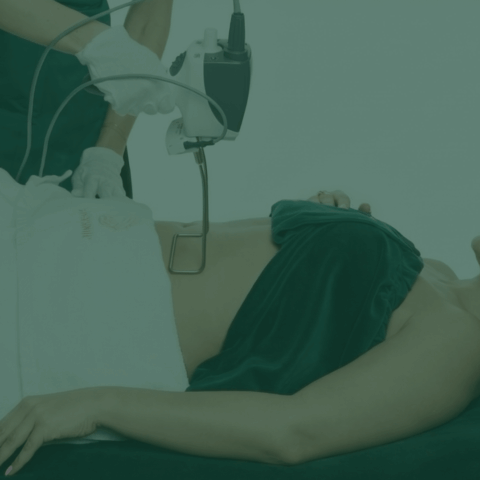
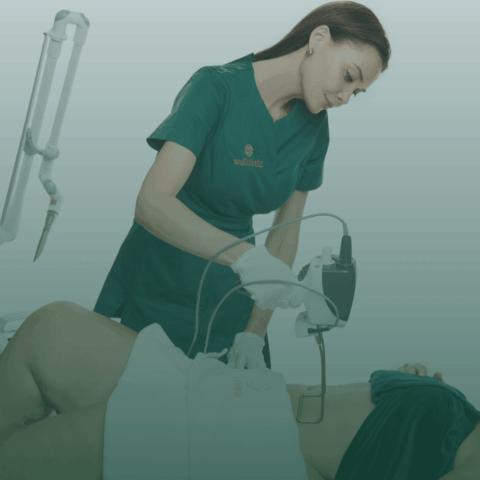
X-RF Lift This is the name of a procedure that uses monopolar radiofrequency. This technology is based on the transmission of radio-frequency energy to tissues, leading to their controlled heating. Under the right conditions, changes occur in the structure of the collagen fibres, and a process of remodelling may then develop.
In a typical monopolar radiofrequency configuration, current flows between the treatment electrode and the return electrode placed on the patient’s body. The energy acts on the tissues, and carefully selected parameters are designed to improve skin tone and texture.
During the procedure, the patient may feel warmth; the intensity of this sensation depends on the technology used, the settings and the patient’s individual sensitivity. The treatment should not be carried out without monitoring the parameters and assessing the skin’s reaction.
Monopolar radiofrequency treatment for the face It may be considered in cases of loss of firmness, fine lines and a less defined jawline. However, the results are not the same for all patients. They depend on the condition of the skin, age, the device used and how the treatment is carried out.
It is worth bearing in mind that the popularity of a treatment amongst celebrities is not proof of its effectiveness. Far more important factors include the technology of the device, the available clinical documentation, the experience of the person performing the procedure, and the patient’s suitability for the treatment.
How does microneedle radiofrequency differ from monopolar radiofrequency?
Micro-needle radiofrequency It combines micro-needling of the skin with the delivery of radiofrequency energy via special needles. This makes it possible to induce controlled micro-damage and heat the tissues to a predetermined depth. This process stimulates skin remodelling, including that of collagen fibres.
This method is used, amongst other things, to treat sagging skin, fine lines, uneven skin texture and certain types of scars. Depending on the parameters, the treatment can target different layers of the skin, but it should not be regarded as a universal method for lifting all sagging tissues.
Monopolar radiofrequency, such as that used in procedures X-RF Lift It does not require micro-punctures of the skin with needles. Energy is transmitted via an electrode, causing the tissues to heat up. The differences therefore relate to both the method of energy delivery and the nature of the procedure, as well as the possible recovery period.
The choice between these methods depends on the aim of the treatment. If the main concern is skin quality, its texture and fine lines, microneedle radiofrequency may be one of the options to consider.
Do lifting threads actually lift the skin?
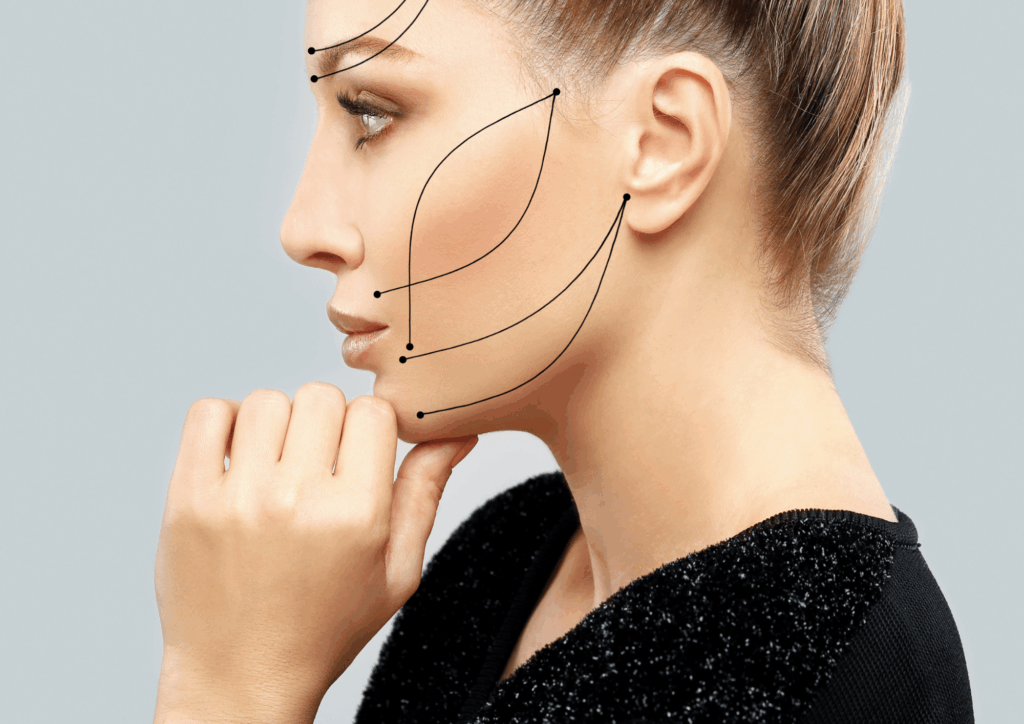
Lifting threads These are absorbable materials inserted under the skin to provide specific support or reposition tissue. Depending on the type of suture, its design and the implantation technique, they can provide a mechanical lifting effect and, in the longer term, also influence local tissue remodelling processes.
The procedures involve, amongst other things, threads made from materials such as PDO or PLLA. However, not all threads have the same properties. They differ in terms of their structure, method of anchoring and intended effect; therefore, the result depends on the correct choice of product and treatment technique.
These threads may be considered in relation to selected issues concerning sagging cheeks i loss of jaw contour. However, they are no substitute for a surgical facelift in cases where there is a significant excess of skin. The results also depend on the quality of the tissue and may fade over time.
This is a procedure that requires a good knowledge of anatomy. Possible complications include, amongst others, asymmetry, unevenness, visible or palpable sutures, infection and damage to structures in the treatment area. Patients should therefore be assessed with great care.
How do tissue stimulators affect skin firmness?
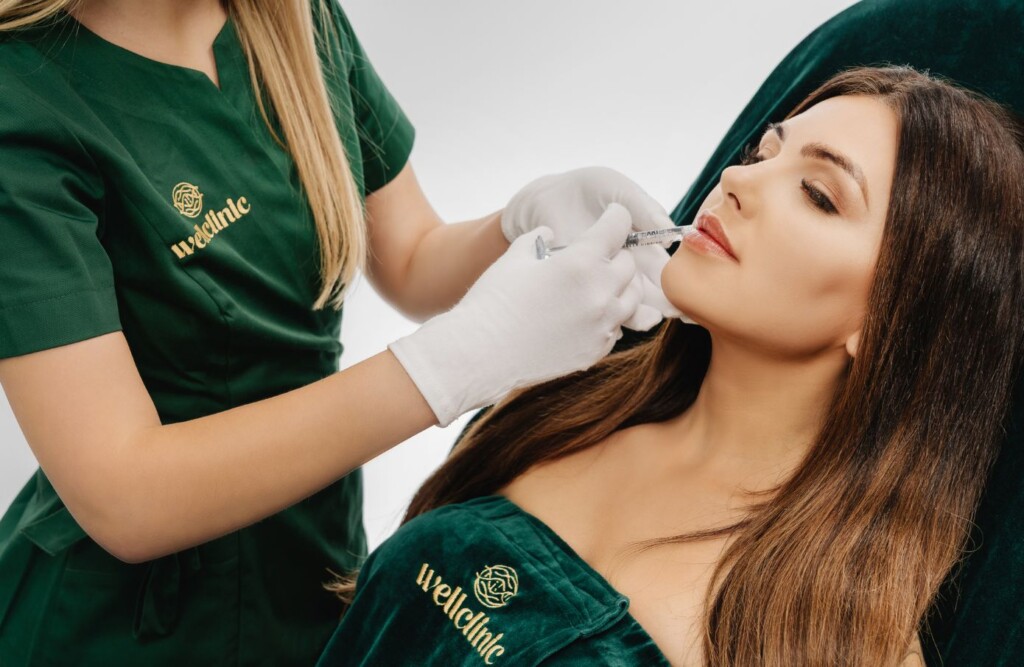
Tissue stimulators This is a group of products used to improve skin quality and support tissue remodelling processes. Their effects depend on the active ingredient, its properties and the method of administration. Not every product in this group works in exactly the same way, and not every one provides a lifting effect.
Depending on its composition, the treatment may help to improve skin density, elasticity and overall appearance. Results are not usually immediate, as the remodelling processes take time. Nor should all dermal fillers be equated with traditional fillers nor should one assume that every preparation increases tissue volume in the same way.
In the case of skin laxity Stimulators may form part of a wider treatment plan. Their use in treatment depends on the degree of loss of firmness, facial anatomy and the desired outcome. In cases of significant tissue sagging, the stimulating preparation alone may not provide a visible lifting effect.

Can hyaluronic acid improve the shape of the face?
Hyaluronic acid It is used in aesthetic medicine, amongst other things, to restore lost volume. In suitably selected cases, administering the product at strategic points on the face can improve facial proportions and provide a subtle lifting effect.
This procedure is often referred to as facial volumetry or a soft lift. The aim is not to fill in every wrinkle, but to restore volume where its loss affects the contours and proportions of the face.
This does not, however, mean that the procedures facial modelling with hyaluronic acid They are suitable for any patient with a sagging oval. If too much volume is added, the face may appear heavier, and the result may deviate from natural proportions. In cases of marked skin laxity, fillers alone will not resolve all the issues.
Treatments using hyaluronic acid They require knowledge of anatomy and an awareness of possible complications, including rare but serious vascular disorders. They should therefore be carried out by a suitably qualified specialist.
Can a Kobido massage replace a non-surgical facelift?
Kobido massage It is an intensive manual technique for working on the face, neck and nape of the neck. It involves various movements, including kneading, rubbing and techniques that stimulate the superficial tissues. It can promote microcirculation, relax tense muscles and temporarily improve the appearance of the skin.
After a massage, your face may look more rested and any puffiness may be less noticeable. The results depend on individual factors and how regularly you have the treatments.
However, a distinction must be made between a temporary improvement in appearance and the remodelling of deeper structures. Massage does not have the same effect as treatments that utilise the energy of machines. Nor does it permanently restore lost tissue volume.
Kobido It can be a valuable addition to your skincare routine, particularly if the aim is to improve the appearance of a tired face and reduce puffiness. However, it should not be regarded as a substitute for any lifting treatment.
When do the results of a non-surgical facelift become apparent?
The time it takes for results to become apparent depends on the method used. Some treatments may cause an initial change in tissue tension, whilst the effects associated with collagen remodelling develop gradually.
In the case of HIFU and radiofrequency Improvements in skin quality may become more noticeable over the coming weeks or months. Tissue stimulators they also take time to take full effect. When volumetric treatments Changes to the contour may be visible earlier, but the final appearance should be assessed once the swelling has subsided and the tissues have completed their initial adaptation.
In the case of Quantum Face The results depend on the skin’s individual response to each stage of the treatment. Improvements in skin hydration and appearance may be noticeable relatively quickly, whilst effects related to collagen remodelling, improved firmness and the smoothing of wrinkles develop gradually over the following weeks or months. Because Quantum Face combines several methods within a single programme, it is best to assess the final result once the planned stages have been completed and the skin has had time to recover.
A lift without a scalpel It does not guarantee the same result for all patients. Factors such as age, genetics, the initial condition of the skin, lifestyle, the treatment parameters used and adherence to post-treatment instructions all play a role.
It is also worth bearing in mind that a lift without a scalpel It does not halt the ageing process. It can improve certain aspects of one’s appearance, but maintaining the results requires proper skincare, sun protection and, in some cases, maintenance treatments.
Is a non-surgical facelift safe?
The non-surgical nature of the procedure This does not mean there is no risk. Every procedure requires consideration of any contraindications, the patient’s state of health, any medication they are taking and their individual anatomy.
Before starting treatment, you should discuss any possible side effects, the expected outcomes and alternative treatment options. It is also important to check whether the device is suitable for the intended use and whether the person carrying out the procedure is suitably qualified.
You should not choose a treatment solely on the basis of advertising, the popularity of the technology or the promise of an immediate facelift. Safety and the predictability of results depend, above all, on proper patient selection and the correct performance of the procedure.
How do you choose the best non-surgical facelift?
There is no single treatment that is best for everyone. Where there is only slight skin laxity, treatments that promote collagen remodelling may be considered.
Therefore, the consultation should include an assessment of skin quality, facial contours, the distribution of fat tissue and the degree of tissue sagging. It is also important to determine whether the priority is to improve skin firmness, reduce the appearance of wrinkles, restore volume or achieve a more defined jawline.
It is only on this basis that a comparison can be made HIFU, monopolar radiofrequency, microneedle radiofrequency, Quantum Face, lifting threads, tissue stimulators and volumetry.
In some situations, the best approach will be to combine methods. In others, a single procedure will prove sufficient.
A non-surgical facelift – how do you choose the method best suited to your skin’s needs?
A lift without a scalpel It offers the possibility of improving skin firmness, tissue quality and facial contours without traditional surgery. The most commonly used methods include HIFU, laser therapy, monopolar radiofrequency, microneedle radiofrequency, thread lifts, tissue stimulators and volumising treatments using hyaluronic acid. Kobido massage, on the other hand, can complement your skincare routine and improve the appearance of a tired face.
Each of these methods works differently. Some promote collagen remodelling, whilst others provide tissue support or restore lost volume. Quantum Face This is a comprehensive, multi-stage anti-ageing treatment programme that combines skin diagnostics with laser therapy and procedures aimed at improving skin quality, firmness and facial contours. It is not a single treatment, but a planned course of therapy comprising skin preparation, laser treatments, eye area care, treatments targeting expression lines and facial contouring.
The most important thing is to take a realistic approach. The final choice should take into account anatomy, skin condition, contraindications and the expected result.
Are you wondering which non-surgical facelift treatment would be right for you? Book a consultation at Wellclinic. An assessment of your skin’s needs and facial structure will enable us to select a method that suits your goals, without promising unrealistic results or carrying out unnecessary treatments.
Sources:
1. PubMed – A Systematic Review of the Efficacy of Microfocused Ultrasound for Facial Skin Tightening https://pubmed.ncbi.nlm.nih.gov/36674277/
2. PubMed – Radiofrequency Microneedling: A Comprehensive and Critical Review https://pubmed.ncbi.nlm.nih.gov/33577211/
3. PubMed – Minimally Invasive Radiofrequency Devices
https://pubmed.ncbi.nlm.nih.gov/27363771/
4. American Society of Plastic Surgeons (ASPS) – Non-Surgical Skin Tightening
https://www.plasticsurgery.org/cosmetic-procedures/non-surgical-skin-tightening
5. PubMed – Radiofrequency Microneedling for Facial Rejuvenation: A Systematic Review https://pubmed.ncbi.nlm.nih.gov/41947517/
6. PubMed – A Systematic Review of the Efficacy of Microfocused Ultrasound for Facial Skin Tightening https://pubmed.ncbi.nlm.nih.gov/36674277/



 +48 600 100 177