
 Katarzyna Pawłowska

 19.11.2026
Ozempic It can help you lose a dozen or so kilograms, but it isn’t a magic cure that solves the problem lose weight effortlessly. In some patients, the first changes appear after just a few weeks, whilst others have to wait much longer. These differences are due not only to the dose of the medicine, but also to metabolism, starting body weight, diet and the body’s individual response.
More and more people are taking an interest in the subject Ozempic for weight loss, looking for answers to questions such as: how many kilograms can you lose, how long does it take to see results, and is the weight loss permanent? There are also concerns regarding side effects, sagging skin, loss of facial volume or hair loss.
It is worth knowing what actually happens in the body during semaglutide therapy. Especially as successful weight loss isn’t just about seeing a lower number on the scales. It’s also about changes to your metabolism, body composition and appearance.
Table of contents
What is Ozempic and why does it help you lose weight?
Ozempic This is a medicine containing semaglutide, that is, a substance belonging to the group of GLP-1 receptor agonists. The medicine is primarily authorised for the treatment of type 2 diabetes, and its effects include regulating blood glucose levels and influencing the mechanisms responsible for feelings of hunger and satiety.
Semaglutide mimics the action of the natural hormone GLP-1, which is released in the digestive tract after a meal. It affects the appetite-regulating centres in the brain, slows down gastric emptying and helps you feel full for longer.
In practice, this means that a patient can:
- feel less hungry between meals;
- feel full more quickly;
- feel the need to snack less often;
- it is easier to control the size of the portions you eat;
- reduce your total calorie intake.
Why Ozempic Does it lead to weight loss? Primarily because it alters the mechanisms that regulate appetite. The patient does not have to constantly battle feelings of hunger, and maintaining a calorie deficit may become easier.
An important distinction: Ozempic is a medicine intended for the treatment of type 2 diabetes. Semaglutide, in the doses and for the indications intended for weight management is also available as Wegovy. These are not interchangeable terms for the same therapeutic indication.
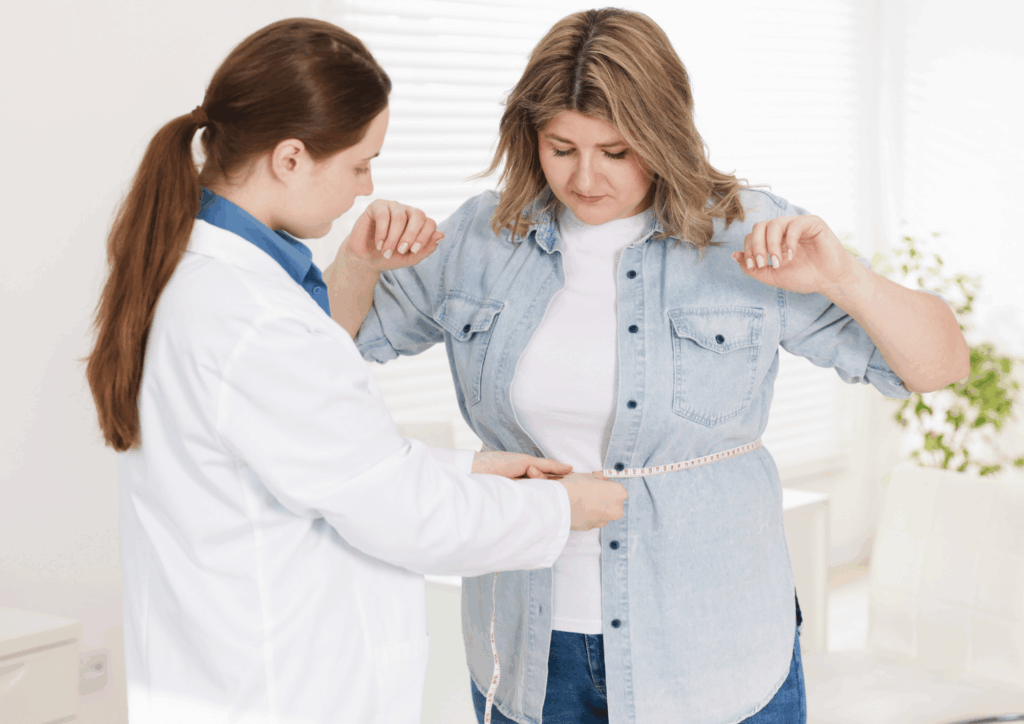
How much weight can you lose on Ozempic?
This is one of the most frequently asked questions by people considering pharmacological treatment for being overweight or obese. The answer depends on many factors, so the results of studies should not be taken as a guarantee of individual outcomes.
In a large clinical trial STEP 1 were assessed the action of semaglutide at a dose of 2.4 mg once a week in people who were overweight or obese, but did not have diabetes. After 68 weeks, the average weight loss was approximately 14.9 per cent of baseline weight. In the placebo group, it was approximately 2.4 per cent.
What do these results mean in practice?
| Initial mass | A 10 per cent reduction | A 15 per cent reduction |
|---|---|---|
| 80 kg | 8 kg | 12 kg |
| 90 kg | 9 kg | 13.5 kg |
| 100 kg | 10 kg | 15 kg |
| 110 kg | 11 kg | 16.5 kg |
| 120 kg | 12 kg | 18 kg |
These are illustrative mathematical values, not a prediction of treatment outcomes.
How many kilograms can you lose on Ozempic? A weight loss of 5–10 per cent of initial body weight can already yield significant metabolic benefits. In some patients, the reduction is greater; however, not everyone achieves the results observed in clinical trials.
It is also worth bearing in mind that the results cited relate to a 2.4 mg dose of semaglutide used in studies on treatment for obesity, rather than automatically every Ozempic treatment. These values cannot be directly applied to patients taking different doses.
When do the first effects of Ozempic become noticeable?
You don’t have to wait several months to notice the first changes. However, it is important to distinguish between a reduced appetite and an actual reduction in body fat.
The initial effects of Ozempic They may be noticeable as early as the first few weeks of use. Patients often report a reduced appetite, feeling fuller more quickly and eating fewer snacks. However, this does not mean that everyone will see a marked reduction in weight straight away.
The course of treatment is tailored to the individual. It is worth looking at it in stages:
- The first 2–4 weeks: The body becomes accustomed to the medicine. In some people, appetite and portion sizes decrease.
- The first 1–3 months: More noticeable changes in body weight may occur. The rate at which these changes occur depends on the body’s response and dietary habits.
- 3–6 months: In many patients, the reduction becomes more noticeable. The doctor can assess the effectiveness and tolerability of the treatment.
- 6–12 months and longer: The effects may accumulate, although the rate at which you lose kilograms often gradually slows down.
This is not a fixed timetable. Semaglutide dose is increased gradually, and in the case of Wegovy The standard regimen for reaching the maintenance dose lasts 16 weeks.
The absence of spectacular results after the first month does not mean that the treatment is not working. However, you should not increase the dose or speed up the treatment yourself in an attempt to force a faster weight loss.
Why do some people lose weight faster than others?
Two people taking the same medicine may experience completely different results. This is due to differences in metabolism, hormones, genetics and lifestyle.
At the rate of weight loss whilst taking Ozempic The main factors influencing this are:
- Starting body weight - People with a higher starting weight may lose more kilograms in absolute terms.
- Dosage and tolerance of the medicine - they affect the course of treatment and its effectiveness. Any increase in the dose must be carried out in accordance with the doctor’s instructions.
- Diet - Semaglutide reduces appetite, but is not a substitute for a well-balanced diet.
- Physical activity - helps to increase energy expenditure and preserve muscle mass.
- Metabolic disorders - Insulin resistance, type 2 diabetes and other health issues may affect the weight-loss process.
- The body’s individual response - Every patient responds differently to treatment.
It is worth bearing in mind that Ozempic does not directly burn body fat. Its action is primarily based on regulating appetite and metabolic processes. The ultimate effect also depends on how your daily energy balance changes.
Side effects of Ozempic – what should you watch out for?
Treatment efficacy That is only one aspect of the treatment. The other concerns safety. Side effects of Ozempic most commonly relate to the digestive system and may occur particularly at the start of treatment or following a dose increase.
The most commonly reported side effects include:
- nausea and a feeling of fullness;
- vomiting;
- diarrhoea or constipation;
- stomach ache;
- bloating and belching;
- a reduction in appetite.
In many patients, the symptoms are mild or moderate and subside over time. However, severe symptoms should not be ignored, particularly if they lead to dehydration or make it difficult to eat or drink.
Rarer but more serious complications, such as pancreatitis or problems with the gallbladder, also require particular attention. Severe, persistent abdominal pain, particularly if it radiates to the back, requires urgent medical assessment. Sudden loss of vision or a significant deterioration in eyesight also requires urgent medical attention.
In patients taking insulin or sulphonylureas at the same time, the risk of hypoglycaemia may be increased. Therefore, treatment requires individual monitoring.
Is Ozempic safe for everyone? No. Before starting treatment, the doctor should assess the indications, contraindications, any medicines the patient is taking and their medical history. Semaglutide must not be used during pregnancy, and if you are planning a pregnancy, you must discuss stopping the medicine with your doctor beforehand.
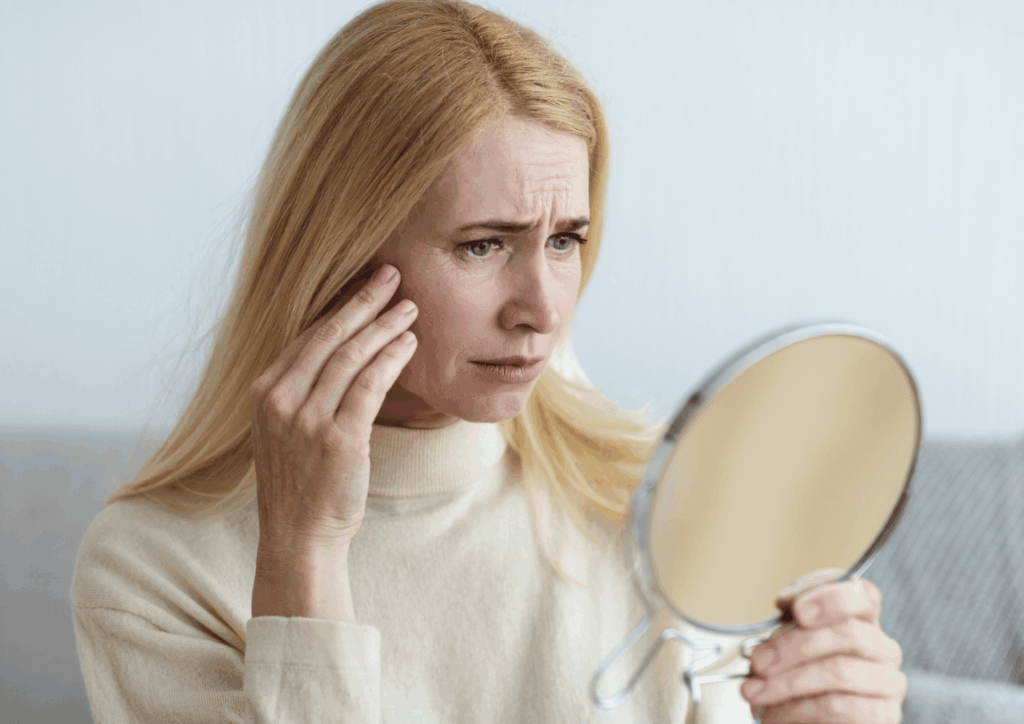
Ozempic and facial appearance – what causes the ‘Ozempic Face’ effect?
Rapid weight loss It can change not only your figure, but also the appearance of your face. There is increasing talk of a phenomenon known as Ozempic Face.
This is not direct damage to the skin caused by semaglutide. It is, above all, athe consequences of losing subcutaneous fat, which is responsible for the natural volume and support of facial tissues.
As body weight decreases, there may be a reduction in volume in the following areas:
- cheeks;
- temples;
- the Valley of Tears;
- the area around the jaw;
- chin.
As a result, the face may appear more sunken, tired and older. In some people, nasolabial folds, marionette lines and a loss of facial contour become more pronounced.
The patient’s age is a significant factor. Younger skin is generally better able to adapt to changes in volume. After the age of 40 or 50, the natural production of collagen and elastin decreases, which is why the skin may find it more difficult to adapt to new proportions.
However, this does not mean that every person who uses Ozempic for weight loss she will have problems with her facial appearance. The rate of weight loss, the number of kilograms lost, genetics and the initial condition of the skin are all important factors.
Why does the skin lose its firmness when you lose weight?
Weight loss means a reduction in the volume of adipose tissue. The skin, which was previously stretched, must adapt to the body’s new proportions.
It doesn’t always go smoothly.
The following factors are primarily responsible for the skin’s firmness and elasticity collagen fibres and elastin. Collagen forms the skin’s structural framework, whilst elastin is responsible for the skin’s ability to return to its original shape.
As we get older, the amount of these proteins gradually decreases. Furthermore, rapid reduction in body fat may mean that the skin is unable to adapt quickly enough to the reduction in tissue volume.
The problem most commonly relates to:
- face and neck;
- abdomen;
- the inside of the arms;
- thigh;
- around the knees;
- buttocks.
Skin laxity following weight loss It is therefore not merely an aesthetic issue. It is the result of changes taking place in the structure of the tissues, the severity of which depends on a number of individual factors.
How can you protect your skin whilst taking Ozempic?
If you are losing weight rapidly, it is worth ensuring from the outset that you focus not only on the number of kilograms, but also on the condition of your skin and maintaining your muscle mass.
Three elements are of particular importance.
1. An adequate supply of protein
Protein provides the amino acids needed to maintain muscle mass and ensure the body functions properly. When cutting, it is important to ensure you are getting an adequate amount, tailored to your body weight, activity level and state of health.
2. Resistance training
Strength training helps to minimise muscle loss whilst losing weight. This allows you to improve your body shape and maintain a higher level of fitness.
3. Watering and care
Drinking enough fluids and regularly using moisturising skincare products help to maintain the skin’s protective barrier. It is worth choosing products containing ceramides, hyaluronic acid and regenerating ingredients.
However, one should not expect the cream alone to restore lost tissue volume or eliminate advanced sagging.
What treatments can help after losing weight?
Losing weight does not always mean that the skin will automatically regain its former firmness. In such cases, it is worth assessing the condition of the skin and selecting appropriate methods to improve the condition of the tissues.
Modern aesthetic medicine offers a number of treatments to support skin regeneration.
Microneedle radiofrequency – improving skin firmness and density
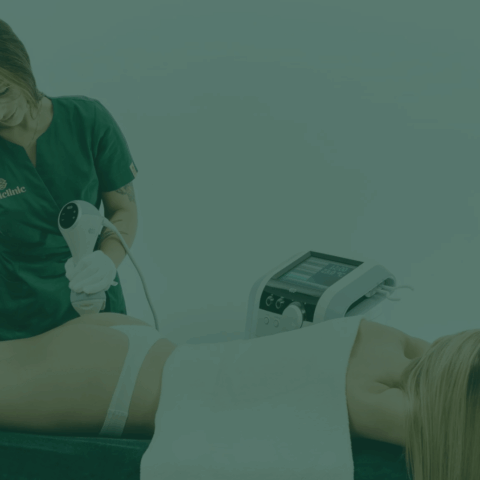
Micro-needle radiofrequency It combines controlled micro-needling with thermal energy. The stimuli generated in the tissues trigger repair processes and stimulate fibroblasts to produce collagen.
The treatment may help to:
- improved skin firmness;
- increasing its density;
- smoothing out fine lines;
- improvement in skin structure;
- a reduction in the laxity of selected areas.
The results appear gradually, as collagen regeneration takes time. Eligibility for the treatment depends on the condition of the skin and any contraindications.
Tissue stimulators – supporting natural regeneration
Tissue stimulators They are used to improve skin quality and stimulate regenerative processes. Depending on the type of product, they can support collagen production and improve tissue density and elasticity.
Not all medicines work in the same way. They differ in their composition, mechanism of action and indications; therefore, they should be selected by a doctor.
This solution may be of particular interest to people who notice a deterioration in their skin’s condition following significant weight loss.
Facial volume – when is volume loss a problem?
If the face becomes gaunt following weight loss, simply stimulating collagen production may not be enough.
In such cases, the doctor may consider facial volumetrics, the aim of which is to restore lost volume in specific areas.
A carefully selected procedure can improve facial proportions, emphasise the jawline and restore natural tissue support.
It’s not about overfilling the face. The aim is to maintain harmonious features and avoid an unnatural, exaggerated look.
Laser therapy – improving skin texture
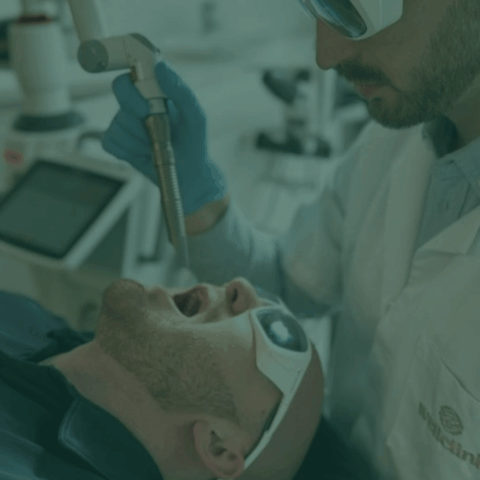
Laser therapy It can support skin renewal and improve its texture, tone and firmness. Depending on the technology used, it may also reduce the appearance of discolouration and fine lines.
In the case of skin following significant weight loss, the choice of laser should take into account the skin’s thickness, elasticity, phototype and any vascular issues.
It is worth bearing in mind that none of these methods is a substitute for proper treatment of obesity, nor do they guarantee the complete removal of excess skin.
Loss of skin firmness on the abdomen following weight loss – which treatments can help?
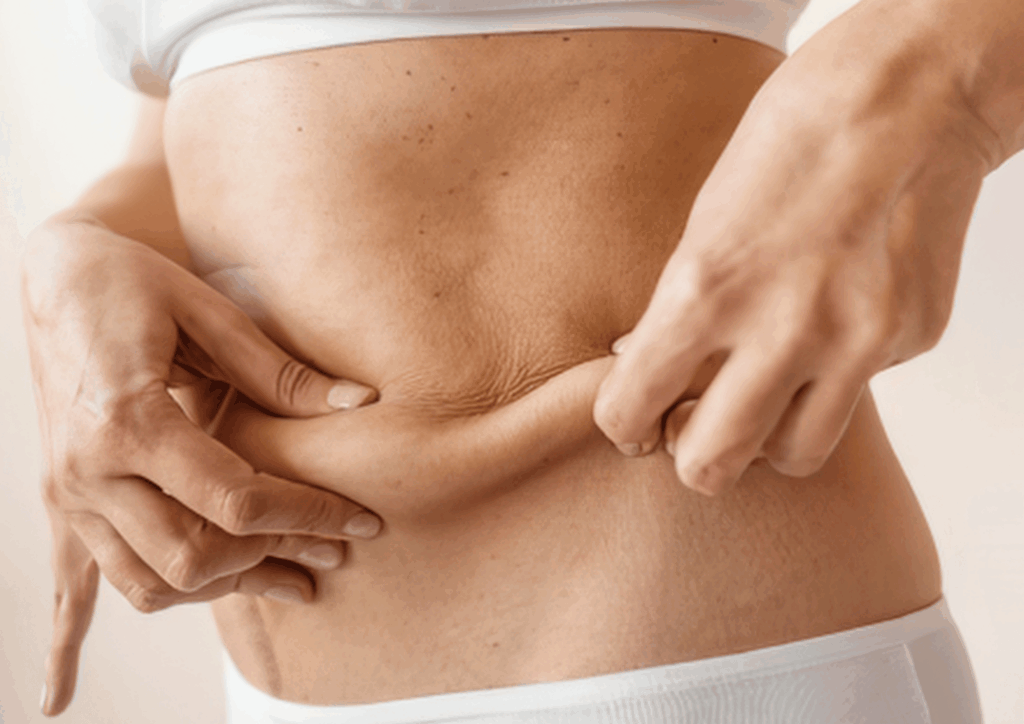
After intensive weight loss, the changes do not always stop at a smaller waist circumference. For many people, another problem arises – loose skin on the stomach, which is unable to keep pace with the reduction in body fat. The abdomen may be noticeably smaller, but the skin remains loose, less elastic and lacking its former firmness. This is particularly noticeable after significant or rapid weight loss, including whilst taking medicines such as Ozempic.
Laser liposuction – abdominal contouring and improved skin firmness
Laser liposuction This is one of the methods used to body shaping, particularly when, in addition to a loss of firmness, there is localised accumulation of fat. The treatment involves the use of elaser energy to influence fat cells.
Additionally thermal energy it may stimulate tissue contraction and the remodelling of collagen fibres, helping to improve skin firmness. This makes it possible to simultaneously shaping the abdominal area and improving its appearance. However, it is important to bear in mind that where there is a significant amount of excess skin, liposuction alone may not produce the desired result.
HIFU – tightening the skin on the abdomen using ultrasound
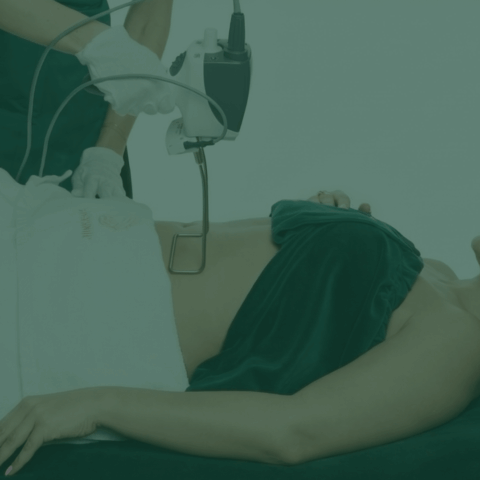
HIFU This is another method worth considering in the event of a loss toning the stomach after losing weight. The technology utilises concentrated ultrasound, which penetrate to specific depths within the tissue and induce controlled heating. This stimulates the body’s natural regenerative processes and collagen remodelling. As a result, the skin can gradually regain better firmness and elasticity. HIFU is particularly effective for moderate sagging, where there is no significant excess skin.
The choice of the appropriate method depends primarily on the amount of weight lost, the degree of skin laxity and the presence of residual adipose tissue. Before starting treatment, it is worth assessing the condition of the skin and underlying tissues and choosing a treatment that addresses the actual problem, rather than focusing solely on the appearance of the abdomen.
Do you put the weight back on once you stop taking Ozempic?
This question is of immense importance to people planning to fpharmacological treatment of obesity. The effects of Ozempic do not last automatically.
Semaglutide It helps to control your appetite whilst you are taking it, but it does not permanently eliminate the causes of obesity. Once treatment has finished, feelings of hunger may gradually return, and your body may try to regain its previous weight.
This is confirmed by the results STEP 1 studies relating to the period following the end of treatment. In participants who stopped semaglutide, Over the following 52 weeks, a significant proportion of the weight previously lost was regained.
That is why it is so important that treatment is not limited solely to taking the medication. It should also include changes to dietary habits, regular physical activity and long-term weight management.
Slimming It doesn’t end once you’ve reached your target weight. It’s just as important to maintain the results and look after your metabolic health.
Ozempic for weight loss – key information
Semaglutide therapy may result in significant weight loss, particularly in people struggling with obesity. However, its effectiveness depends on the individual’s response, medical indications and a comprehensive approach to treatment.
It’s worth bearing a few rules in mind:
- Ozempic contains semaglutide and is authorised for the treatment of type 2 diabetes.
- The first results, in the form of a reduced appetite, may become apparent as early as the first few weeks.
- Weight loss occurs gradually and can take many months.
- Results from studies of semaglutide at a dose of 2.4 mg show an average reduction of around 15 per cent of baseline body weight after 68 weeks.
- Side effects most commonly affect the digestive system.
- Rapid weight loss can lead to a loss of facial volume, sagging skin and a reduction in muscle mass.
- A balanced diet, physical activity and self-care help you look after your body whilst losing weight.
- Once treatment has finished, there is a risk of regaining weight.
Are you planning to lose weight with Ozempic? Make sure you look after your facial and body skin as well
Losing weight can bring many health benefits, but it should not be at the expense of the condition of your skin, muscles and general well-being.
If, whilst losing weight, you notice a loss of firmness, sunken cheeks, deeper wrinkles or sagging skin on your body, it is worth having the condition of your tissues assessed at an early stage.
At Wellclinic, our approach to enhancing the appearance of the face and body is based on the individual selection of technologies and treatments that support skin regeneration and improve skin quality.
Don’t wait until loss of firmness becomes your next problem after losing weight. Book a consultation at Wellclinic and find out which options for improving skin firmness, restoring its quality and rebalancing the proportions of your face and body would be suitable for you.
Sources:
1. Wilding J.P.H. et al., ‘Once-Weekly Semaglutide in Adults with Overweight or Obesity’, New England Journal of Medicine, 2021. The STEP 1 trial on the efficacy of semaglutide in weight loss. https://pubmed.ncbi.nlm.nih.gov/33567185/
2. European Medicines Agency (EMA), Ozempic – "European Public Assessment Report. Information on therapeutic indications, efficacy and safety."
https://www.ema.europa.eu/en/medicines/human/EPAR/ozempic
3. European Medicines Agency (EMA), Wegovy – "Product Information. Information on the dosage of semaglutide for weight management."
https://www.ema.europa.eu/en/documents/product-information/wegovy-epar-product-information_en.pdf
4. Davies M. et al., "Semaglutide 2.4 mg once a week in adults who are overweight or obese and have type 2 diabetes" (STEP 2), The Lancet, 2021.
https://pubmed.ncbi.nlm.nih.gov/33667417/
5. Wilding J.P.H. et al., "Weight regain and cardiometabolic effects following discontinuation of semaglutide: The STEP 1 trial extension", *Diabetes, Obesity and Metabolism*, 2022.
https://pubmed.ncbi.nlm.nih.gov/35441470/
6. U.S. Food and Drug Administration (FDA), Wegovy – "Prescribing Information. Information on the safety, adverse reactions and usage guidelines for semaglutide."
https://www.accessdata.fda.gov/drugsatfda_docs/label/2026/218316s002lbl.pdf
Book a consultation





 +48 600 100 177