
 Katarzyna Pawłowska

 17.11.2026
The skin around the eyes quickly betrays the passage of time. It is thin, delicate and almost constantly in motion – we blink, squint and smile. No wonder that it is precisely in this area that the first signs often appear wrinkles around the eyes. At first, they are barely visible, but over time they can become more pronounced and make the face look tired.
Is it possible to smooth them out without a scalpel? Yes, although a great deal depends on the type of wrinkles, the condition of the skin and the cause of the wrinkles. Different approaches are required for crow's feet, fine lines under the lower eyelid in one case, and hollows in the tear trough area in another. Find out what causes wrinkles under the eyes, how to minimise their appearance, and what options modern aesthetic medicine has to offer.
Table of contents
Why do wrinkles form around the eyes?
The area around the eyes ages in a distinctive way. The skin here is thinner than in many other areas of the face, has fewer sebaceous glands and is more prone to dryness. Added to this is the intense activity of the facial muscles. Every smile, squint or furrow of the brow causes repetitive movements of the skin.
A voucher for you
Wellclinic gift vouchers from just 1,000 zł – treat yourself or your loved ones to health and beauty. Order by the end of November!
Collect your voucherOn the formation of wrinkles around the eyes Several factors come into play:
- Natural skin ageing - As we age, the amount of collagen and elastin decreases, and the skin gradually loses its firmness and elasticity.
- Facial expressions - Frequent smiling and squinting can lead to the formation of expression lines.
- UV radiation - accelerates the process of photo-ageing and weakens the structures responsible for the skin’s elasticity.
- Over-drying - it can accentuate fine lines and make the skin look less taut.
- Genetic predisposition - they affect, amongst other things, skin thickness and the rate at which signs of ageing appear.
- Lifestyle - Smoking, a lack of sleep and certain daily habits can worsen the condition of your skin.
It is worth bearing in mind that not every line under the eyes is a sign of the same problem. It is therefore worth examining the nature of the line before choosing a treatment.
What sort of wrinkles appear around the eyes?
Not all wrinkles under the eyes They form in the same way. They differ in terms of location, depth and cause, which is why they require an individual approach.
Crow’s feet – expression lines at the outer corners of the eyes
Crow's feet These are fine lines that appear at the outer corners of the eyes. They usually become visible when you smile or squint. Initially, they disappear when the face is at rest, but over time they may also be noticeable even when the muscles are not moving.
Their formation is primarily linked to the repeated contraction of facial muscles and the gradual loss of skin elasticity. Sun exposure also affects how visible they are.
Fine lines under the eyes
Fine lines beneath the lower eyelid may be caused by a loss of moisture, age-related changes and a gradual loss of skin elasticity. The thin skin in this area means that even minor changes can be clearly visible.
It is worth distinguishing between wrinkles and temporary creases in the skin caused by dryness. In the former case, a more targeted approach may be required; in the latter, the appearance can often be improved with a suitably chosen skincare routine.
Tear troughs and under-eye hollows
Valley of tears It is not a wrinkle in the strict sense of the word. It is a depression running from the inner corner of the eye towards the cheek. It may be linked to anatomical structure, loss of tissue volume or changes associated with ageing.
It often causes a shadow to form, which makes the eyes look more tired. This is not always down to the condition of the skin itself – the arrangement of the tissues and the individual structure of the eye area also play a part.
How can you smooth out wrinkles around the eyes?
Choosing the right method depends on whether the problem is early expression lines, deep-set wrinkles, dry skin or loss of volume. It is worth starting with a daily skincare routine, and if this does not produce the desired results, consider consulting a specialist.
Massage and daily skincare for the area around the eyes
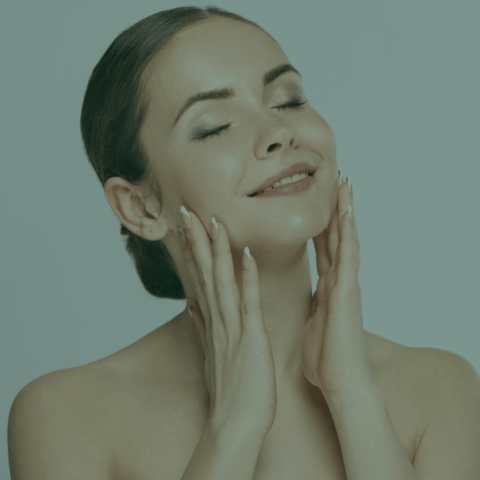
Delicate eye area massage It can be an enjoyable part of your daily skincare routine. It helps to relax tense muscles and may temporarily improve the appearance of the skin. However, it should not be regarded as a method for removing deep-set wrinkles – its effects are limited.
The following are particularly important when it comes to skincare:
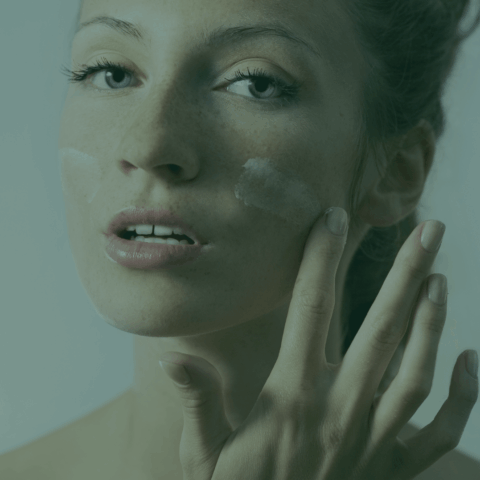
- Skin moisturising - A cream tailored to the needs of the eye area helps to reduce the feeling of dryness and minimise the appearance of fine lines.
- Sun protection - Using cosmetics with an SPF of 30 or higher helps to protect the skin against photoageing.
- Retinol and other retinoids - Carefully selected products can help improve the skin’s texture, but the area around the eyes requires particular care due to the risk of irritation.
- Gentle massage techniques - Movements should be gentle, without rubbing or stretching the skin too hard.
Consistency is key. Skincare won’t reverse all the signs of ageing, but it can help keep your skin in better condition and minimise the appearance of fine lines.
Aesthetic medicine – ways to smooth out wrinkles
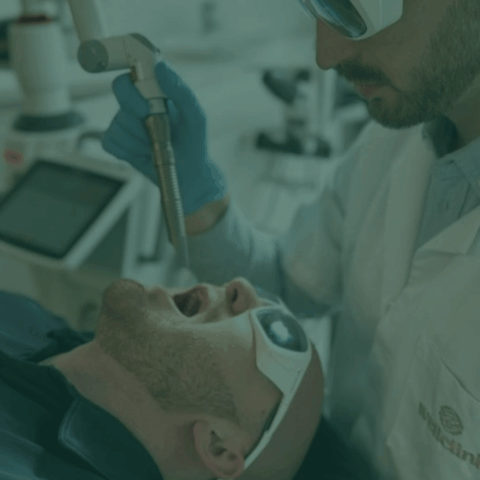
If wrinkles around the eyes Once these have become established, skincare alone may not be enough. In such cases, it is worth consulting a doctor, who will assess the condition of your skin, identify the cause of the problem and recommend the appropriate course of action.
Depending on the specific needs, various methods of improving the appearance of the eye area may be considered. However, there is no single method that is suitable for every type of wrinkle.
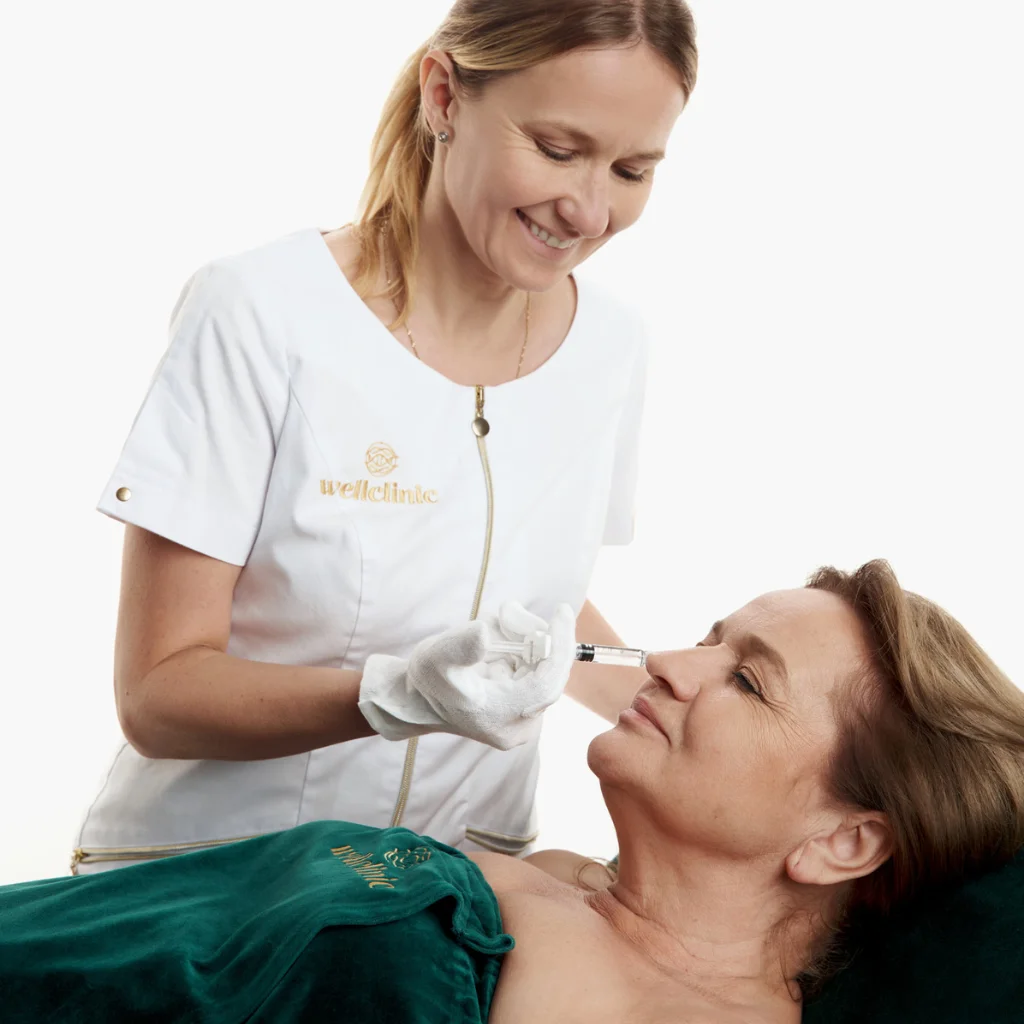
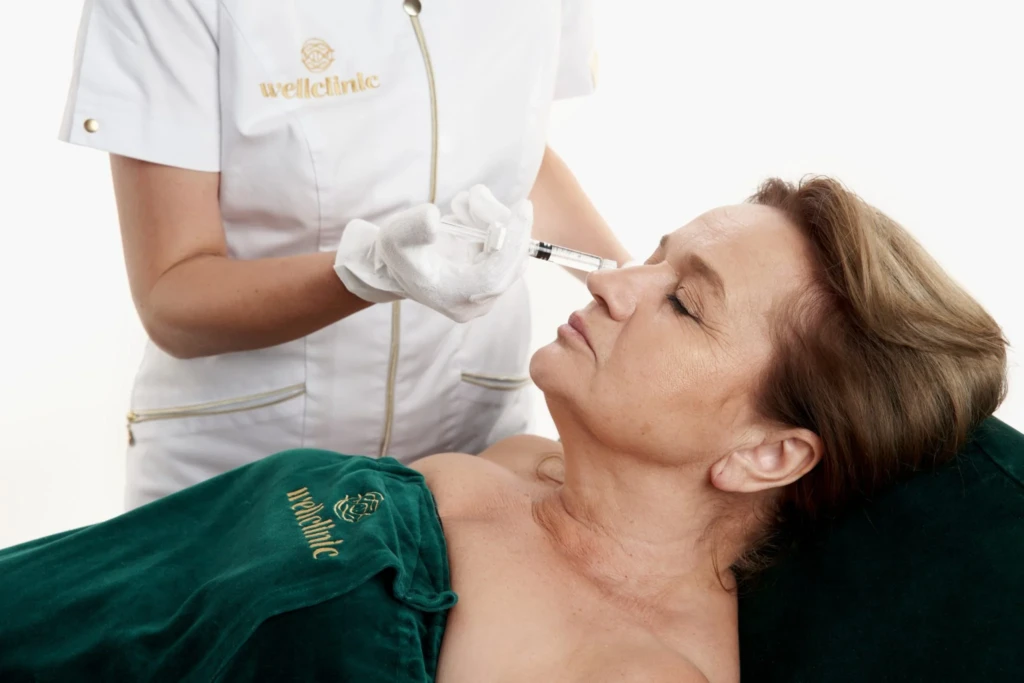
In the event of volume loss and a pronounced hollow in the tear trough area, the doctor may consider using hyaluronic acid. Its primary purpose is to restore lost volume, rather than to directly eliminate all under-eye lines.
This is an area requiring particular caution. Following administration of the product, swelling, unevenness or a change in skin colour may occur. Serious vascular complications may also occur, albeit rarely. It is therefore crucial to ensure you are suitable for the procedure and to choose an experienced doctor.
In the case of expression lines, fine lines or a deterioration in skin quality, a specialist may suggest other treatments. The choice of treatment should be based on an assessment and the patient’s actual needs, rather than solely on the location of the wrinkles.
How can you prevent wrinkles from forming under the eyes?
It is impossible to completely halt the natural ageing process, but it is possible to minimise the impact of factors that accelerate the appearance of signs of ageing. The most important thing is to look after your skin regularly and protect it from UV radiation.
It’s worth bearing a few rules in mind as part of your daily routine:
- Use sun cream with an SPF of 30 or higher - including around the eyes, if the product is designed for this delicate area.
- Moisturise your skin regularly - A well-chosen cream helps to minimise the appearance of fine lines caused by dryness.
- Avoid rubbing your eyes - Use gentle movements when removing make-up and applying cosmetics.
- Choose cosmetics to suit your skin’s needs - Introduce active ingredients, such as retinol, with caution. If irritation occurs, reduce the frequency of use or consult a skincare specialist.
- Make sure you stick to your daily routines - Don’t smoke, get enough sleep and make sure you eat a balanced diet.
Even the best cream is no substitute for sun protection. It is precisely the regular use of SPF that is one of the most important aspects of preventing premature skin ageing.
Can wrinkles around the eyes be completely removed?
Not always. The extent to which the appearance of the skin can be improved depends on the depth of the wrinkles, their cause and individual anatomical characteristics. Fine lines caused by dryness can become less visible with the right skincare. However, deep-set expression lines and changes resulting from a loss of volume require a different approach.
It is also worth bearing in mind that the aim of the treatment should not always be to completely smooth the skin. Natural facial expressions and subtle lines are part of one’s facial appearance. The most important thing is to choose a method that will improve the condition of the skin whilst preserving one’s natural features.
Wrinkles around the eyes – when should you consult a specialist?
If you notice that wrinkles around the eyes If these signs are becoming increasingly noticeable and your at-home skincare routine isn’t delivering the results you’d hoped for, it’s worth seeking a consultation. A specialist will assess whether the issue relates to skin quality, facial muscle activity or a loss of volume under the eyes.
At Wellclinic, our approach to improving the appearance of the skin is based on an individual assessment of your needs and the selection of the appropriate treatment. During consultation We can discuss the available options and their expected outcomes.
A fresh look doesn’t necessarily mean changing your facial features. Sometimes it’s enough simply to improve the condition of your skin, whilst at other times a more targeted approach is needed. The key is to identify the cause of the problem.
Sources:
1. Clinical Assessment, Diagnosis and Management of Infraorbital Wrinkles and Pigmentation - Dermatology Clinics, 2024.
https://pubmed.ncbi.nlm.nih.gov/37977688/
2. Periocular Ageing Across Populations and Aesthetic Considerations: A Narrative Review - Journal of Clinical Medicine, 2025.
https://pmc.ncbi.nlm.nih.gov/articles/PMC11765755/
3. The Efficacy and Safety of Hyaluronic Acid Injections for Tear Trough Deformity: A Systematic Review and Meta-analysis - Aesthetic Plastic Surgery, 2024.
https://pubmed.ncbi.nlm.nih.gov/37684413/
4. Complications of Periorbital Cosmetic Hyaluronic Acid Filler Injections: A Comprehensive Review - Turkish Journal of Ophthalmology, 2025.
https://pmc.ncbi.nlm.nih.gov/articles/PMC12559836/
5. Photoageing and Topical Rejuvenation – a publication on photoageing and skin care methods.
https://pubmed.ncbi.nlm.nih.gov/35934431/
6. Diagnosis and Treatment of Periocular Discolouration: An Evidence-Based Review - an examination to check for changes around the eyes.
https://pubmed.ncbi.nlm.nih.gov/34078228/
Book a consultation



 +48 600 100 177