
 Katarzyna Pawłowska
 28.09.2026
 Table of contents
Wrinkles, discolouration, scars, broken capillaries, stretch marks, unwanted hair and even chronic pain – many problems that are difficult to treat using traditional methods can now be addressed with laser therapy. However, this does not mean that every laser will work for every problem. The desired result depends primarily on the type of laser used, the depth to which it penetrates, and the specific aim of the treatment.
Laser therapy uses light energy to precisely target specific tissue structures. In medicine, it can support the treatment of certain conditions and ailments, whilst in aesthetic medicine It is used, amongst other things, to improve skin quality and reduce scars, discolouration, vascular lesions and signs of ageing.
Importantly, Laser therapy is not a single treatment or a single technology. The Nd:YAG laser works differently from the Er:YAG or CO₂ lasers, and choosing the right wavelength can completely change the way it interacts with tissues.
What is laser therapy?
Laser therapy It utilises laser light energy, which is directed at a selected area of the body. The beam has specific parameters, allowing its effect to be tailored to the specific aim of the treatment.
Depending on the type of laser used, the energy may be absorbed by various structures within the tissues. Examples include haemoglobin in blood vessels, melanin, which determines the colour of the skin and hair, and water present in the tissues.
It is precisely this ability to precisely target specific structures that enables lasers to be used in so many fields. In some procedures, their action is focused on the surface of the skin, whilst in others the energy reaches deeper layers of tissue. The light beam has specific properties which allow it to be directed at a specific area and used to perform a precise procedure.
Effect laser therapy It depends on the type of device used, the wavelength, the power and the method of treatment. Depending on the indication, the treatment may, amongst other things, support tissue regeneration, reduce inflammation, alleviate pain or exert a controlled effect on specific structures.
Laser therapy in medicine
In medicine laser therapy It is used in many specialist fields. It is employed both during procedures carried out directly on tissues and as part of a therapy to support treatment or regeneration.
The range of applications depends on the type of laser. Different parameters are used for the treatment of skin conditions, for vascular treatments, and for ophthalmic, surgical or urological procedures.
Laser therapy in rehabilitation and physiotherapy
W rehabilitation and physiotherapy Laser therapy can be used as one of the methods of physiotherapy. These treatments are used, amongst other things, in the treatment of pain, inflammation and problems relating to the musculoskeletal system.
Laser therapy It can form part of the treatment for conditions such as tennis elbow or carpal tunnel syndrome. It is also used for soft tissue inflammation, muscle contractures and certain degenerative joint diseases.
Depending on the indication, treatment may also address rheumatic conditions. In such cases, laser therapy is one component of the overall rehabilitation process, which may also include other physiotherapy methods.
The use of lasers in phlebology
Phlebology This is another area in which laser technology is used. The treatments can be used for certain vascular conditions, including varicose veins.
The laser allows for precise targeting of blood vessels. In certain procedures, the laser energy is absorbed by haemoglobin, which enables the treatment to be directed primarily at the structure of the blood vessel.
The scope of laser treatment depends on the type of lesions, their location and the stage of the condition. It is therefore essential for a specialist to assess the problem before the procedure.
Laser therapy in ophthalmology
W ophthalmology Lasers are used to perform precise procedures on various structures of the eye. This technology can be used, amongst other things, in the treatment of certain retinal conditions and during procedures to correct vision defects.
Ophthalmic procedures require the use of specialist equipment and carefully selected parameters. Given the delicate structure of the eye, laser procedures in this field are carried out exclusively using technology designed specifically for this purpose.
Lasers in dentistry
Laser therapy in dentistry It can be used, amongst other things, in the treatment of certain inflammatory conditions. Lasers are also used in biostimulation and for the disinfection of root canals.
The introduction of laser technology into dentistry allows for highly precise treatment of the affected area in certain procedures. The way the laser is used depends on the type of procedure and the equipment employed.
The use of lasers in oncology
Lasers are also used in oncology. In certain situations, they can be used for both diagnostic and therapeutic purposes.
A suitably selected light beam can enable precise targeting of specific tissues. However, the suitability of laser treatment depends on the type of cancer, its location and stage, and the chosen course of treatment.
Lasers in surgery
W surgery A laser can be used as a tool for the precise cutting and coagulation of tissues. This means that, in certain procedures, it is possible to cut through tissue whilst simultaneously minimising bleeding.
This approach can help to maintain adequate visibility of the surgical field. In certain procedures, the use of a laser also helps to minimise damage to surrounding tissues.
Laser therapy in urology
Laser therapy in urology It is used, amongst other things, in the treatment of urinary stones and certain prostate conditions. Laser technology can also be used in certain procedures relating to cancers of the urinary tract.
The type of laser used and the procedure followed depend on the specific condition and the patient’s condition. The final treatment method is determined by the doctor following appropriate diagnostic tests.
Laser therapy in aesthetic medicine
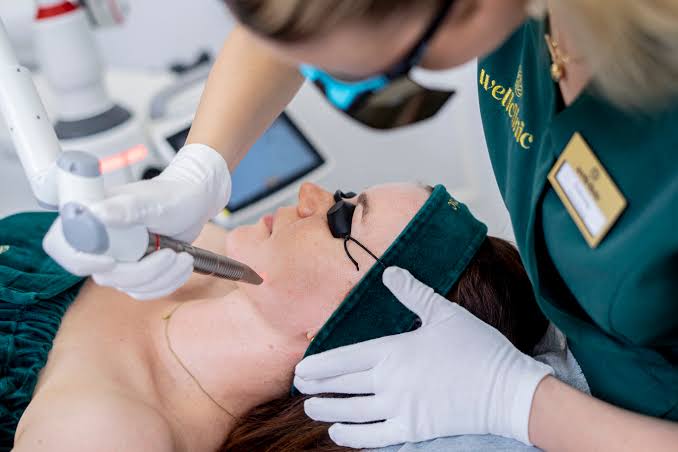
The use of lasers is not limited to the treatment of diseases and ailments. Advances in this technology have meant that Laser therapy has become an important part of aesthetic medicine.
In this field, lasers are primarily used to improve the appearance and quality of the skin. They can be used to treat wrinkles, discolouration, scars, stretch marks and vascular lesions. Some technologies also allow treatment of deeper tissue layers, which means they are used in body-contouring treatments.
It is important to choose the right type of laser for the specific problem. Different technologies may be required to reduce discolouration, to improve skin firmness, and to remove hair.
Ablation laser – the controlled removal of layers of skin and the stimulation of its regeneration
Ablation laser It acts on the skin’s surface, causing the controlled removal of its layers. The laser energy is absorbed by the water present in the tissues, enabling the precise vaporisation of specific areas of the skin. In the area treated with the laser, processes begin regenerative and tissue remodelling.
Ablative lasers It is primarily used when the aim is to significantly improve the skin’s texture. The treatments can be used, amongst other things, for wrinkles, acne scars, uneven skin texture and signs of photoageing. Depending on the technology used, the laser can penetrate to varying depths, and treatment parameters are selected according to the type of problem and the condition of the skin.
Due to the way they work, ablative treatments require a period of skin regeneration. After the procedure, the skin may be red, swollen and more sensitive. The healing time depends, amongst other things, on the type of laser, the intensity of the treatment and the area treated.
Non-ablative laser – acting on the deeper layers of the skin without damaging its surface
Non-ablative laser It acts on the deeper layers of the skin without removing the surface layer. The laser energy is delivered to specific structures, where it causes controlled heating of the tissues. This can stimulate processes associated with skin regeneration and collagen production.
Treatments of this kind are used, amongst other things, to improve skin firmness and elasticity, to reduce the appearance of fine lines and improve the skin’s overall condition. Depending on the wavelength used, a non-ablative laser may also be used for selected discolouration and vascular changes.
As the treatment does not involve the deliberate removal of skin tissue, the recovery period is usually shorter than after intensive ablative treatments. However, this does not mean that there is no skin reaction at all. Depending on the technology used, temporary redness, swelling or a sensation of warmth may occur.
Fractional laser – targeted skin renewal and faster regeneration
Fractional laser It acts on the skin in a targeted manner. Rather than affecting the entire surface of the treated area, it creates numerous microscopic zones of controlled action within it. Between these zones, there remain sections of untreated tissue which retain their functions and can support the process skin regeneration.
This approach helps to stimulate skin remodelling whilst limiting the area directly affected by the laser. Fractional technology is used, amongst other things, in acne scars, wrinkles, uneven skin texture, stretch marks and signs of photoageing.
It is worth noting that „fractional” does not refer to a specific type of laser. It is a method of delivering energy to the skin. Fractional laser It can be either ablative or non-ablative. An example of ablative technology is fractional CO₂ laser, which creates microscopic areas of controlled damage and stimulates the skin to regenerate intensively.
CO₂ laser – improvement in skin texture, reduction in wrinkles and scars
CO₂ laser It is a type of ablative laser and uses light with a wavelength of approximately 10,600 nm. The energy at this wavelength is strongly absorbed by the water present in the tissues. As a result, CO₂ laser enables very precise treatment of successive layers of the skin.
This technology is primarily used in treatments aimed at improving the structure and appearance of the skin. CO₂ laser It is used, amongst other things, for wrinkles, acne scars, uneven skin texture and changes associated with the skin’s ageing process. The controlled removal of tissue fragments triggers repair processes that lead to its gradual remodelling.
In aesthetic medicine, the CO₂ laser can also be used in the fractional. The beam then creates microscopic columns of controlled damage in the skin, leaving untreated areas between them. This makes it possible to combine the laser’s intense action with the preservation of healthy tissue, which plays a part in the healing process.
Due to the ablative nature of the procedure, the skin requires appropriate care following treatment with a CO₂ laser care and protection against UV radiation. The extent of the reaction and the regeneration time depend on the parameters used and the intensity of the procedure.
Nd:YAG laser – applications in aesthetic medicine
Nd:YAG laser It emits light with a wavelength of 1064 nm, which can penetrate deeper tissue structures. Owing to its properties, it is used, amongst other things, in treatments relating to vascular changes. Laser energy can be absorbed by haemoglobin, which allows for targeted treatment of specific blood vessels.
Nd:YAG technology is also used in certain procedures designed to improve skin appearance and tone. The deeper penetration of this wavelength allows energy to be delivered to structures beneath the skin’s surface without the need for mechanical removal.
Technology Nd:YAG it is also one of the elements of the treatment TightSculpting carried out using the system Fotona Dynamis SP PRO. In this procedure, the Nd:YAG laser is used to target deeper layers of tissue, whilst the Er:YAG laser complements the treatment by targeting more superficial structures. The combination of both wavelengths allows for multi-level effects on tissues as part of a single procedure.
Er:YAG laser – improvement in skin quality and firmness
Er:YAG laser It utilises light with a wavelength of 2940 nm, which is absorbed very strongly by water. This enables it to be used to precisely target the superficial layers of the skin. Depending on the operating mode and the parameters set, Er:YAG technology can be used for both ablative skin treatment, as well as to less invasive procedures.
In aesthetic medicine Er:YAG laser It is used, amongst other things, in treatments aimed at improving skin structure and quality. It can be used on fine lines, uneven skin texture or certain types of scars. The controlled action of the laser stimulates processes tissue regeneration and remodelling.
Er:YAG is also one of the components of the system Fotona Dynamis SP PRO used in the procedure TightSculpting. When combined with Nd:YAG, it allows treatment at various tissue levels – from deeper structures to the more superficial layers of the skin. As a result, the treatment can simultaneously include procedures aimed at adipose tissue and improvement skin tone and texture.
Laser skin rejuvenation
Laser therapy It is one of the methods used to improve the appearance of mature skin. These treatments can affect the skin’s structure, firmness and overall condition, as well as reduce the appearance of certain signs of ageing.
Depending on the type of laser used, the energy can reach specific layers of the skin and trigger controlled remodelling processes. As a result, the skin may become smoother and its texture more uniform.
Laser treatments are used, amongst other things, for wrinkles, uneven skin texture and loss of firmness. The range of possible results depends on the type of technology used and the initial condition of the skin.
Dermatology and the treatment of skin conditions
Laser therapy in dermatology It is used to treat various skin conditions and problems. The laser can target vascular and pigmented lesions, as well as selected structures located in the deeper layers of the skin.
Problems for which laser technologies are used include, amongst others, acne, rosacea, scars, keloids and discolouration. Depending on the type of condition, the doctor may use a different wavelength and different device settings.
Laser treatment for broken capillaries
Visible broken capillaries on the face or body are a common cosmetic concern. One of the methods used to reduce them is laser treatments for capillaries.
With the right technology, the light energy can be absorbed by the haemoglobin in the blood vessels. This allows the laser to be directed at specific vessels.
The treatment may reduce their visibility. The choice of laser depends, amongst other things, on the diameter of the capillaries, their location and the nature of the lesions.
Reduction of scars and discolouration
Scars, discolouration and uneven skin texture They can persist for a long time and affect the appearance of the skin. In aesthetic medicine, various types of lasers are used to treat these kinds of changes.
In the case of scars, including acne scars, the laser aids the skin’s regeneration process. In the case of acne scars The energy can target specific layers of the skin, stimulating regenerative processes.
At discolouration The laser can be targeted at the melanin responsible for their colour. This makes it possible to gradually reduce the visibility of selected pigmented lesions.
Laser body contouring
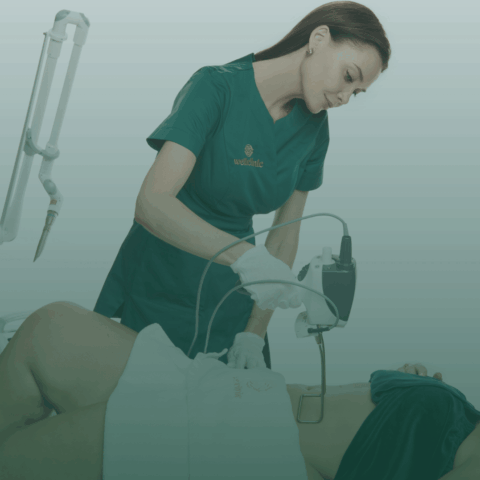
Laser technology can also be used in treatments designed to improve the appearance of the body. One example is Tight Sculpting, in which the effects of two wavelengths: Nd:YAG and Er:YAG.
Nd:YAG laser It acts on the deeper layers of tissue and supports processes associated with fat reduction and skin remodelling. Er:YAG It acts more superficially, helping to improve skin firmness and quality.
This combination allows you to treat both fat tissue and the skin at the same time. The procedure does not require a traditional surgical incision, which is why it is one of the methods used in non-surgical body contouring.
Laser hair removal – permanent hair reduction
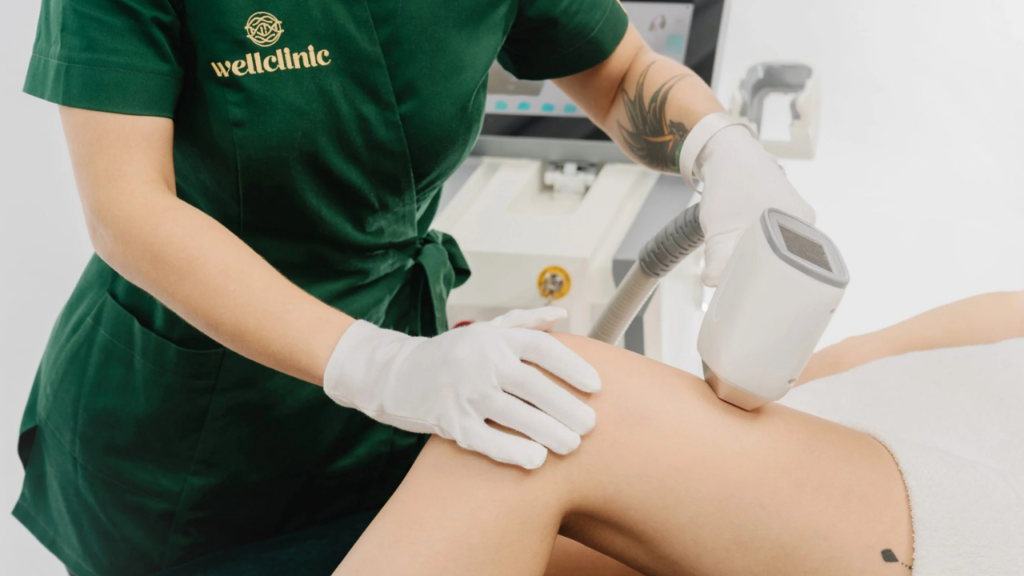
Laser depilation It is one of the best-known applications of lasers in aesthetic medicine. The treatment uses light energy to target the hair follicles and gradually reduce hair regrowth.
Depending on the hair removal device used, the following are employed, amongst others: diode laser or alexandrite laser. The energy of the beam is absorbed primarily by the melanin present in the hair shaft.
The effect of the laser on hair follicle This means that new hairs may grow back more slowly, be weaker and less visible. As not all hairs are in the same growth phase at the same time, a series of treatments is usually required to achieve the full effect.
Contraindications to laser therapy
Despite its widespread use laser therapy It is not suitable for every patient. Before the procedure, it is important to check for any factors that may increase the risk of adverse effects or affect the course of treatment.
Contraindications that may be relevant for some procedures include pregnancy, cancer, an infection at the site of the planned procedure, a fever, certain chronic conditions and the use of certain medicines.
Particular attention is paid, amongst other things, to photosensitising drugs, steroids and, in certain situations, anticoagulants. Diabetes, epilepsy, autoimmune diseases, the presence of electronic implants and skin hypersensitivity to radiation may also be significant factors.
List of contraindications It is not the same for all procedures. It may depend on the type of laser, the treatment area and the aim of the therapy. Therefore, a consultation is essential before the procedure, and appropriate safety procedures must be followed. An exception to this are specialist ophthalmic procedures carried out using lasers designed to treat eye conditions or correct vision defects. Patients must provide information about any chronic conditions, medication they are taking, previous procedures and any other circumstances that may affect the assessment of their individual situation.
Preparing for laser therapy
Preparing for laser therapy It depends on the type of treatment planned and the technology used. Before the procedure, a specialist assesses the condition of the skin or other area to be treated with the laser.
During the consultation, you should provide information about any chronic conditions, medicines you are taking, previous treatments and any other circumstances that may affect the safety of the procedure.
In the case of treatments aesthetic medicine Patients may also receive personalised advice on skin care before and after the treatment. Following this advice may be important for the recovery process and the final outcome of the treatment.
Number of sessions and the effects of laser therapy
There is no single number of treatments that would be suitable for all patients. For some procedures, a single session is sufficient, whilst others require a course of treatment.
W aesthetic medicine The number of treatments may depend, amongst other things, on the type of problem, the condition of the skin, the size of the area being treated and the desired result. For example, laser hair removal requires several sessions due to the different phases of hair growth.
Similarly, for treatments targeting scars, discolouration or signs of ageing, the number of sessions can be determined on a case-by-case basis.
The final treatment plan should be determined during the consultation. The specialist can then assess the condition of the skin or the nature of the symptoms and select the appropriate technology and treatment parameters.
Laser therapy – light that aids treatment and regeneration
Laser therapy It uses light energy to precisely target specific tissues and structures within the body. As a result, it can be used to treat various conditions and ailments, as well as in aesthetic medicine, where it is used to improve the appearance and condition of the skin. Depending on the type of laser and the treatment parameters, the light can penetrate to different depths and be directed at a specific problem.
This technology is used, amongst other things, in dermatology, physiotherapy, the treatment of vascular lesions and a wide range of cosmetic procedures. One of its major advantages is the ability to tailor its mode of action precisely to the patient’s needs. For this reason laser therapy It now encompasses a wide range of procedures, and the choice of a specific method should be made by a specialist following an assessment of the patient’s health, skin condition and the area to be treated.
If you are considering laser therapy and you want to check whether this is the right approach for you, We invite you to a consultation with a specialist. During your appointment, we will assess your skin condition, the nature of the problem and the area requiring treatment, and then recommend a suitably tailored treatment method that takes into account your individual needs and expected results.
- MedlinePlus „Laser therapy”
https://medlineplus.gov/ency/article/001913.htm - MedlinePlus „Laser surgery for the skin”
https://medlineplus.gov/ency/article/002958.htm - American Academy of Dermatology: „Skin conditions that lasers can treat”
https://www.aad.org/public/diseases/a-z/skin-conditions-lasers-treat - American Society for Laser Medicine and Surgery, „Medical Specialties Using Lasers and Energy-Based Devices”
https://www.aslms.org/for-patients/medical-specialties-lasers-devices/ - NCBI Bookshelf: „Laser Principles in Ophthalmology”
https://www.ncbi.nlm.nih.gov/books/NBK582153/ - PubMed „Aesthetic Applications of Laser and Light-Based Energy Devices”
https://pubmed.ncbi.nlm.nih.gov/42566673/ - PubMed „Updates on Lasers in Dermatology”
https://pubmed.ncbi.nlm.nih.gov/37977682/


 +48 600 100 177