
 Katarzyna Pawłowska

 03.11.2026
Have you managed to lose weight, but after a few months the needle on the scales is starting to creep up again? The yo-yo effect This is a common problem for people who try to lose excess weight through restrictive diets. Initially, body weight drops rapidly; however, once the diet is over, old habits return – and with them, the weight that was lost.
The problem is not simply a matter of willpower. After losing weight, the body may respond with an increased appetite and reduced energy requirements. Diet, physical activity and whether you manage to maintain your new habits after finishing the diet are also important factors.
How to avoid the yo-yo effect when losing weight? Instead of looking for yet another quick-fix diet, it’s better to plan your weight loss so that you can continue to follow the principles even after you’ve reached your target weight.
Table of contents
The yo-yo effect – what is it and why does body weight rebound?
The yo-yo effect refers to recurring fluctuations in body weight, most commonly associated with losing kilograms whilst dieting and regaining them once the diet has ended. This does not refer to natural, minor fluctuations in weight throughout the day, but rather to a marked regain of the weight that had been lost.
One of the reasons is an excessive calorie deficit. When the body receives significantly less energy than it needs, body weight begins to fall. Initially, part of this change is also due to the loss of water and glycogen stores. With prolonged weight loss, there is a reduction in body fat, but muscle mass may also be lost.
After losing weight, your energy requirements change. A smaller body uses less energy during everyday activities, and, in addition, physiological mechanisms may come into play that make it harder to maintain a lower body weight. In some people, appetite increases and the feeling of fullness after a meal becomes less pronounced.
This does not mean that the body automatically stores every extra meal as fat. Weight regain is usually the result of a long-term surplus of energy intake over energy expenditure, to which both physiological changes and daily habits may contribute.
Why do restrictive diets lead to the yo-yo effect?
A diet based on a very low calorie intake may lead to rapid weight loss, but it is often difficult to maintain over the long term. Hunger, tiredness, irritability and constantly thinking about food mean that, once the diet is over, many people revert to their previous eating habits.
Diets that eliminate entire food groups without medical advice are also risky. An unbalanced diet can make it difficult to ensure an adequate intake of protein, fibre, vitamins and minerals.
Particular caution should be exercised with very low-calorie diets. Diets providing 800–1,200 kcal per day should not be regarded as a one-size-fits-all solution for weight loss. Such approaches require appropriate qualifications, specialist supervision and a specific duration of use.
Effective weight loss without the yo-yo effect It is not about cutting down on food as quickly as possible. The aim is to develop a way of eating that allows you to gradually lose weight without making excessive sacrifices.
How to avoid the yo-yo effect? 7 rules for effective weight loss
Maintaining a lower body weight requires not only a suitable weight-loss plan, but also changes to your daily habits. The best results come from a combination of a balanced diet, regular exercise and monitoring your progress.
1. Opt for a moderate calorie deficit
The basis of weight loss is a calorie deficit, which means providing the body with less energy than it burns. However, this does not necessarily mean starving yourself or giving up your favourite foods.
Cutting calories too drastically can increase hunger, lower your mood and make it harder to stick to a diet. That is why a meal plan should take into account your age, body weight, height, activity level, state of health and individual needs.
It is a good idea to tailor the pace of weight loss to your body’s capabilities. Losing weight gradually makes it easier to monitor your body’s reactions and make changes that you can maintain even after you have finished losing weight.
2. Make sure you get enough protein and fibre
Protein It helps to maintain muscle mass whilst losing weight and increases the feeling of fullness after a meal. Good sources include eggs, fish, lean meat, dairy products, tofu and pulses.
Equally important is dietary fibre, which supports healthy digestion and helps control your appetite. You’ll find it mainly in vegetables, fruit, wholegrains, seeds and pulses.
A well-balanced meal should provide not only calories but also nutrients. This makes it easier to stay full and avoid snacking between meals.
3. Don’t give up on physical activity
Exercise helps reduce body fat, improves fitness and helps you maintain your target weight. However, there’s no need to start with intense workouts straight away. A good place to start is with regular walks, cycling, swimming or other forms of activity that you enjoy.
Of particular importance is strength training. It helps to minimise muscle loss whilst losing weight, and once weight loss is complete, it helps to maintain fitness and a healthy body composition.
The World Health Organisation recommends that adults engage in at least 150–300 minutes of moderate-intensity aerobic activity per week, or an equivalent amount of vigorous-intensity exercise. In addition, it is advisable to do exercises that strengthen the major muscle groups at least twice a week.
4. Don’t treat the end of your diet as a return to your old habits
Reaching your target weight does not mean you can completely abandon the rules you have been following. This is the moment when the next stage begins – maintaining the results of weight loss.
Once you have finished losing weight, it is worth adjusting the calorie content of your diet to your new energy requirements. This does not mean you have to stay on a weight-loss diet for the rest of your life. The aim is to find a way of eating that allows you to maintain a stable body weight without constantly counting every calorie.
It is also helpful to eat at regular times, plan your shopping and prepare meals in advance. These measures make it easier to manage your daily diet, particularly during periods of increased stress or when you have a lot on your plate.
5. Keep an eye on your body weight, but don’t judge your progress solely on the basis of your weight
Body weight naturally fluctuates depending on hydration levels, the amount of food consumed, physical activity and hormonal balance. Therefore, a single measurement should not be used to assess the entire process.
It is worth keeping an eye on trends, for example by comparing measurements taken under similar conditions. Waist and hip measurements, how well clothes fit, and an assessment of your physical condition can also be helpful.
If your weight starts to increase steadily, you can take a look at your habits early on and adjust your diet or level of physical activity.
6. Make sure you get enough sleep and allow your body to recover
Sleep deprivation It can make it difficult to control one’s appetite and make healthy dietary choices. Fatigue is often associated with a greater craving for high-calorie foods and a reduced desire to be physically active.
Therefore healthy weight loss It should also take recovery into account. A regular bedtime, an adequate amount of sleep and limiting the use of electronic devices before bed can support day-to-day functioning.
Stress is also a significant factor. For some people, emotional tension leads to emotional eating, snacking and difficulties in maintaining a regular meal schedule.
7. Seek support from a specialist
Trying to lose weight on your own does not always produce the desired results. If you find that your weight keeps coming back, despite your best efforts, it is worth consulting a dietitian or doctor.
A specialist can assess your current diet, energy requirements, state of health and any factors hindering weight loss. Where medically indicated, they may also recommend diagnostic tests or treatment for obesity.
Support is particularly important once an intensive weight-loss programme has ended. Regular consultations help you maintain your new habits and respond appropriately to the first signs of regaining the weight you’ve lost.
Body-contouring treatments and the yo-yo effect – what do you need to know?
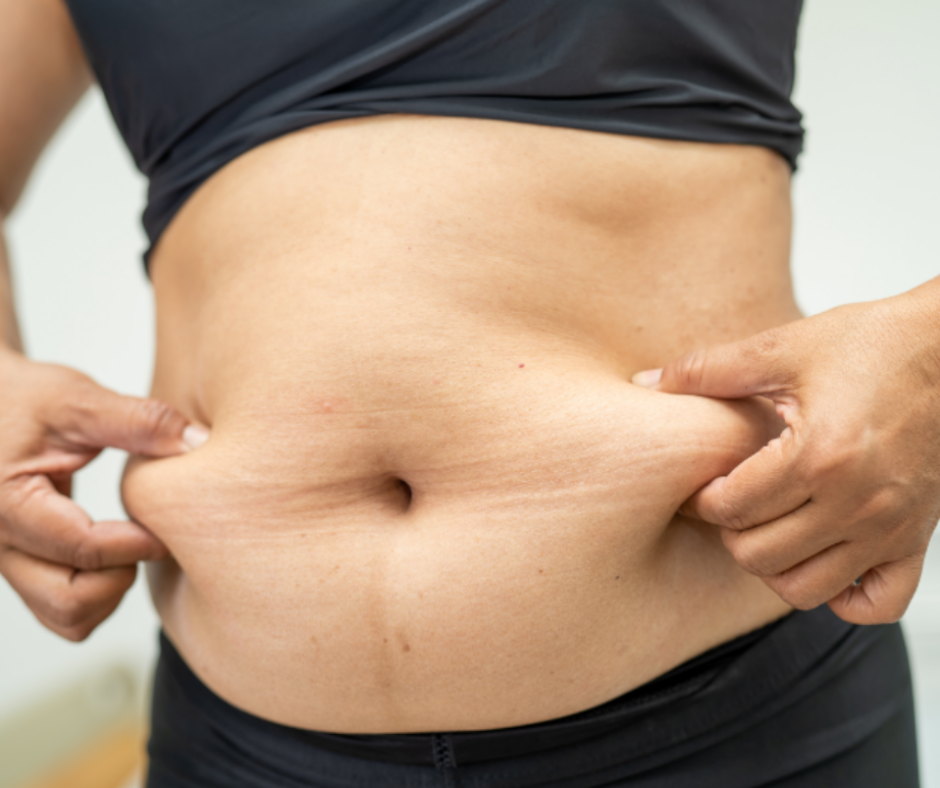
Weight loss does not always result in the patient achieving their desired figure. After losing a significant amount of weight, localised deposits of fat, uneven body contours or loose skin may remain. In such situations, aesthetic medicine and body contouring treatments may be considered.
However, it is important to distinguish between two objectives: weight reduction i improving the appearance of specific parts of the body. Body-contouring treatments are no substitute for a healthy diet, physical activity or treatment for obesity. Nor do they prevent weight regain.
TightSculpting – laser body contouring
One of the methods used to improve body contour is TightSculpting™ manufactured using laser technology Fotona. The procedure utilises two wavelengths: Nd and Er. Its aim is to target localised fat deposits and improve skin firmness in the treatment area.
TightSculpting It may be considered for people who wish to improve the appearance of specific areas of the body, such as the abdomen, thighs or waist. However, it is not a treatment for being overweight or obese. Nor does it replace weight loss, and it does not guarantee that body measurements will be maintained if fat is regained after the procedure.
Results depend on individual circumstances, the treatment area and the patient’s suitability. A consultation is required prior to the procedure, during which a specialist assesses the condition of the skin, the amount of body fat and the realistic potential for improving body contour.
HIFU II – improving skin firmness
Following significant weight loss, the skin does not always shrink to the extent the patient expects. As a result, it may remain loose, particularly around the abdomen, arms or thighs.
In certain cases, treatments involving HIFU, i.e. high-intensity focused ultrasound. The energy is directed to a specific depth within the tissues, where it produces a controlled thermal effect. The aim of the procedure is to stimulate remodelling processes and improve skin firmness.
HIFU II It is not a weight-loss method and does not address the cause of the yo-yo effect. It may be considered as a treatment to help improve the appearance of the skin in suitably selected individuals. Where there is a significant excess of skin, the results of non-invasive treatments may be insufficient; therefore, it is sometimes necessary to consult a surgeon.
How can you maintain your weight loss results in the long term?
Avoiding the yo-yo effect It requires an approach that doesn’t end on the day you reach your target weight. Maintaining your results depends on your day-to-day choices: your diet, physical activity, recovery and your ability to respond to changes in weight.
Restrictive diets and quick-fix solutions often do not work in the long term. A much better approach is gradual weight loss, a well-balanced diet and habits that can be maintained in the long term.
Treatments such as TightSculpting or HIFU II – HIPRO They may help to improve the appearance of the figure or skin firmness, but they are no substitute for a healthy lifestyle and do not protect against regaining weight. If localised imperfections remain after weight loss, it is worth discussing the available options with an experienced specialist.
Book a consultation









 +48 600 100 177