
 Katarzyna Pawłowska

 10.11.2026
You can lose 15, 20 or even 30 kilograms and achieve the figure you’ve long dreamed of. Your clothes fit better, your face looks slimmer, and you feel better about yourself. However, there is something not everyone expects: instead of just looking younger and fresher, in In the mirror, you can see sunken cheeks, more pronounced furrows and a less defined facial contour.
This is one of the less obvious consequences of a large weight reduction. The body gets rid of body fat not just around the stomach or thighs. It also reduces facial tissue volume, which previously gave it its fullness and provided natural support for the skin.
Can this be remedied? Yes, although first you need to establish what exactly has changed in the appearance of the face. Because not every face after losing weight needs the same thing.
A voucher for you
Wellclinic gift vouchers from just 1,000 zł – treat yourself or your loved ones to health and beauty. Order by the end of November!
Collect your voucherTable of contents
Why does your face look older after losing weight?
The face has its own architecture. Its youthful appearance depends not only on the quality of the skin, but also on the distribution of fat tissue, the proportions of individual areas and the support provided by deeper structures.
During weight reduction The amount of body fat decreases throughout the body. This also applies to the face. The cheeks may lose their fullness, the temple area may become more sunken, and the transition between the lower eyelid and the cheek may become more pronounced. The way light falls on the face changes. Even if the skin does not have many wrinkles, the face may appear more tired.
It is worth noting one thing: Loss of facial volume and sagging skin are not the same thing. The first involves a reduction in the amount of tissue that gives the face its shape. The second is associated with a loss of its elasticity and its ability to adapt to a changing underlying structure.
Both phenomena can occur at the same time, but they require a different approach.
The face does not lose weight evenly. A little-known fact that changes the way we think about rejuvenating it
Facial adipose tissue It does not form a single, uniform layer. It is divided into distinct anatomical compartments, situated at different depths. Some are located just beneath the skin, whilst others are deeper – near the muscles and bony structures.
This is important because different areas may change in volume to varying degrees. In one person, the most noticeable change will be loss of fullness in the cheeks, at another one sunken temples or the area under the eyes. There is no single pattern according to which the face reacts to weight loss.
What’s more, some body fat is responsible for supporting the tissues situated above it. When it the volume decreases, it is not just the outline of a particular area that changes. The boundaries between different parts of the face may also become visible.
In practice, this means that the problem cannot always be solved simply by making corrections skin tension. Sometimes the source of change is loss of volume, and sometimes several processes taking place simultaneously.
Skin after weight loss – why doesn’t it always return to its previous shape?
Leather It can stretch and shrink slightly. Its elasticity depends, amongst other things, on collagen, elastins and the condition of the extracellular matrix, i.e. the structure that provides tissues with adequate support.
As body weight increases, the skin gradually adapts to the growing volume. After losing weight, it has to work in the opposite direction. This process does not always go as smoothly.
Age, genetics, the amount of weight lost, the duration of excess weight and the skin’s previous condition are all significant factors. In mature individuals, natural collagen production is already less active, so the tissues’ ability to adapt may be limited.
There is one more important detail: skin and adipose tissue do not change at the same rate. The volume of the tissues may decrease more quickly than the skin is able to adapt to the new shape. As a result, it may appear looser for a while.
Therefore the appearance of the face immediately after significant weight loss It is not always the final result. It is worth monitoring any changes and assessing the condition of the tissues once your weight has stabilised.

Mounjaro and facial appearance – does rapid weight loss change your features?
As pharmacological treatment for obesity grows in popularity, the term is being used more and more frequently „Mounjaro face”. It describes the characteristic appearance of the face following significant weight loss: sunken cheeks, more pronounced furrows, loss of fullness and less defined contours.
However, this is not a distinct clinical condition, nor is there a confirmed mechanism of skin damage specific to Mounjaro. Similar changes are also observed following weight loss through dieting, rapid weight loss or bariatric surgery.
The crux of the problem is, above all, fat loss. If weight loss occurs rapidly and involves a significant number of kilograms, the change may be particularly noticeable in areas where adipose tissue is responsible for the youthful fullness of the face.
This does not mean that treatment for obesity should be abandoned. The health benefits of properly managed treatment are more important than aesthetic changes, which can be assessed and, if necessary, taken into account in any subsequent care or treatment plan.
How can you tell what your face needs after losing weight?
This is the moment when it’s worth stepping back from focusing on one specific problem. The face after weight loss It may require improving the quality of the skin, supporting its firmness or restoring lost volume. Sometimes a combination of these measures is needed.
During the consultation, the specialist should consider a number of factors:
- Leather quality - its density, elasticity, moisture content and visible texture.
- Tissue volumes - particularly around the cheeks, temples and the central part of the face.
- Oval-shaped faces - the jawline, the chin area and the transition between the face and the neck.
- Depths of furrows and depressions - which may become more noticeable once support is lost.
- Facial proportions - because the aim is not to restore volume at any cost, but to preserve natural harmony.
The course of weight loss, age and general state of health are also important factors. Only after such an assessment can a decision be made as to which methods are appropriate.
How can you restore firmness to your face after losing weight?
There is no single procedure that can resolve every problem associated with changes to the appearance of the face following weight loss. Skin that has lost its elasticity requires a different approach to a face that has primarily lost volume.
In aesthetic medicine, several methods can be used, selected according to the condition of the tissues and the patient’s expectations.
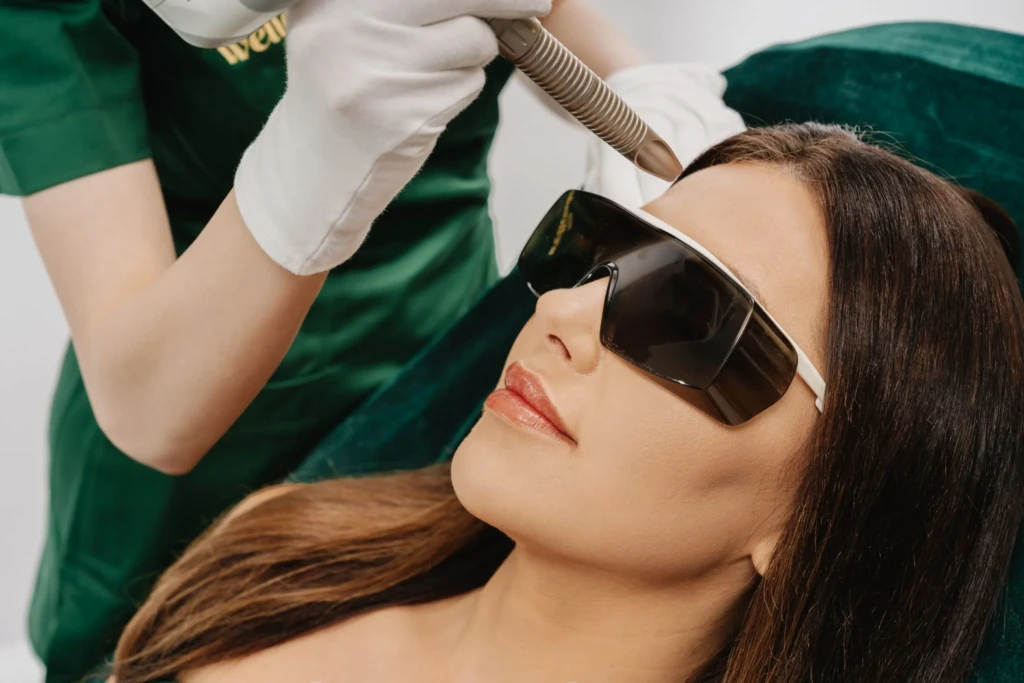
4D Endolifting – promoting skin firmness and remodelling
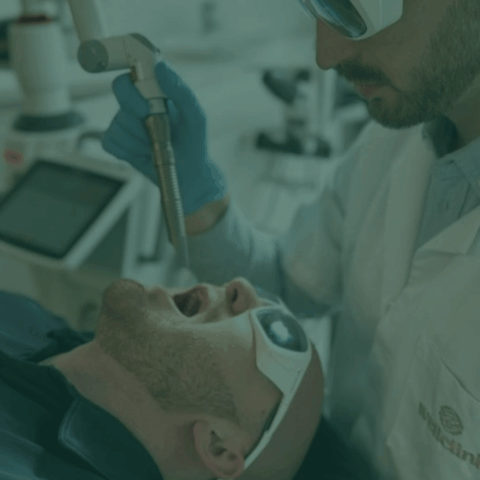
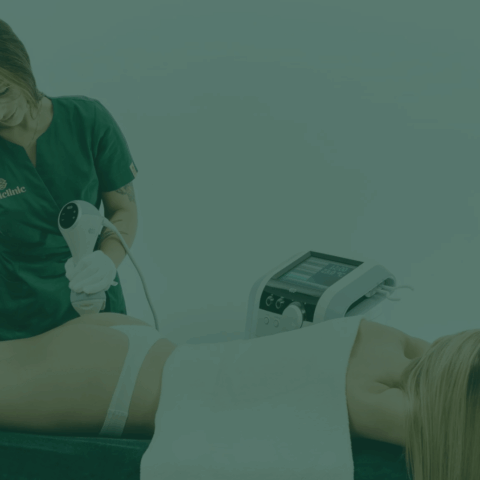
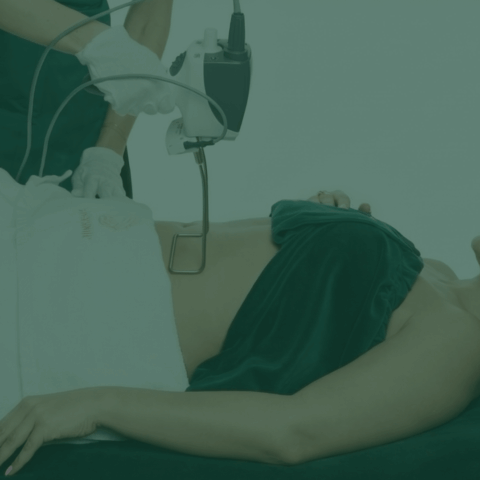
One option is 4D endolifting, utilising laser technology Fotona Dynamis SP Pro. It is designed to stimulate the skin and support its regenerative processes.
This method may be considered for people who, following weight loss, show a loss of skin firmness and a deterioration in skin quality. The aim is to stimulate the body’s natural regenerative processes and improve the appearance and firmness of the tissues. The final scope of treatment depends on an individual assessment and the specific indications.
„We often see that patients who come to us are not ready for surgery. They want support that is safe but strong. Our goal is to provide just that. action supporting skin tone i remodelling process, so that their face looks younger and reflects their inner success. This is possible thanks to certified, non-invasive technologies such as Endolifting 4D, supported by clinical trials and certifications (e.g. FDA).” - says Wellclinic's aesthetic medicine doctor.
Tissue biostimulants – when the skin needs a boost
Tissue biostimulators It is used to stimulate the skin’s natural renewal processes. Depending on the type of product and the indications, it can help improve the skin’s density, elasticity and quality.
This solution may be considered when, after As a result of weight loss, the skin has become thinner, less elastic or has lost its former quality.
It is worth bearing in mind, however, that biostimulation It is not the same as restoring volume. If the cheeks or temples have clearly lost their support, simply stimulating the skin may not be enough.
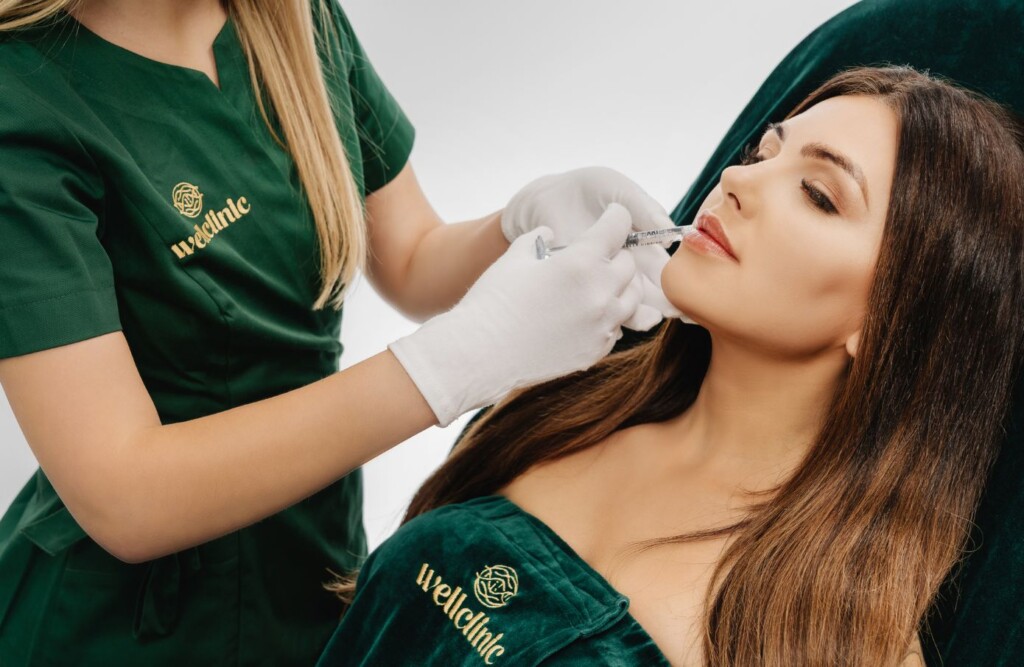
Facial volumetry – restoring proportions, not altering facial features
When face after losing weight becomes noticeably sunken, the problem may primarily relate to a loss of volume. In such situations, a specialist may consider volumetric treatment, the aim of which is to restore adequate tissue support and harmony of the facial features.
The treatment can target specific areas, such as the cheeks or temples. However, it is essential to exercise restraint. Over-filling will not restore a natural appearance – it may even disrupt the proportions of the face.
Well-planned volumetrics It should not alter distinctive facial features. Its purpose is to subtly correct those areas where the loss of body fat has had the greatest impact on appearance.
Skin rejuvenation and mesotherapy – when the issue is skin quality
Not every change following weight loss involves a loss of volume. For some people, dryness, an uneven texture, fine lines and a loss of skin radiance become more noticeable.
In such cases, one might consider revitalisation methods, of which mesotherapy. Their purpose is to improve the skin’s condition, hydration and appearance.
These are complementary solutions. They cannot replace methods designed to address significant volume loss, nor can they resolve the problem of advanced sagging.
Why does the neck often give away weight loss?
People talk about the neck far less often than they do about the cheeks or the shape of the face, although a reduction in tissue volume may also be visible in this area.
The skin on the neck It is relatively thin, and its appearance depends on the quality of the supporting fibres, the distribution of body fat and muscle tone. Following significant weight loss, horizontal lines, sagging or strands of the platysma muscle may become more visible.
Importantly, the face and neck age as a single aesthetic unit. If you are planning to improve the firmness of your facial skin, it is also worth assessing your neck and the area around your chin. This helps to avoid a situation where the difference between these areas becomes more noticeable.
What can you do for your skin whilst you’re still losing weight?
It’s worth looking after your skin before weight reduction will come to an end. This does not mean that proper skincare will completely prevent a loss of firmness. However, it can support the skin’s proper functioning and its natural regenerative processes.
In day-to-day conduct, the following are important:
- An adequate supply of protein - The body needs amino acids for the proper repair and functioning of tissues.
- Balanced diet - Vitamins, minerals and other nutrients play a part in the processes taking place in the skin.
- Sun protection - UV radiation accelerates the breakdown of collagen and elastin fibres.
- Regular moisturising care - supports the skin’s protective barrier and helps to reduce the feeling of dryness.
- A reasonable rate of reduction - A weight-loss plan should take into account not only the number of kilograms, but above all your health and your body’s needs.
It is also not worth judging the results solely on the basis of the first few weeks after finishing the weight-loss programme. The body’s tissues need time to adapt to the new body weight.
Will my skin regain its firmness after losing weight?
There is no one-size-fits-all answer. For some people, the skin will gradually adapt to with a changed silhouette, whilst in others, sagging or a loss of volume will remain visible. Age, genetics, the extent of the reduction and the initial condition of the tissues are all significant factors.
It is also worth bearing in mind that face after losing weight It does not always need „more volume”. Sometimes the most important thing is to improve skin firmness, sometimes to restore support, and sometimes to improve the skin’s quality. A proper diagnosis helps to avoid haphazardly combining methods and allows us to focus on the problem that is actually responsible for the change in appearance.
Losing weight changes your figure. Make sure your face keeps pace with this change.
If, after losing weight, you notice sunken cheeks, a less defined jawline or sagging skin, book an appointment for a consultation at Wellclinic. During the consultation, we will assess the condition of your skin and tailor the treatment to your skin’s needs.
Sources:
1. Collagen and elastin after weight loss – how can you boost them? – Wellclinic Encyclopaedia
https://wellclinic.pl/kolagen-elastyna-po-utracie-wagi-jak-pobudzac/
2. The role of selected proteins in maintaining skin health – a literature review. Aleksandra Sobczyk, Jagiellonian University, 2026.
https://ruj.uj.edu.pl/handle/item/581302
3. The effect of diet on skin condition. Anna Jagła et al., Medical University of Lublin.
https://www.umb.edu.pl/photo/pliki/WNoZ_jednostki/wnoz-z-zintegrowanej-opieki-medycznej/monografie/holistyczny_wymiar_wspolczesnej_medycyny_tom_ix-skompresowany.pdf
4. Loss of muscle mass and intracellular water as adverse effects of weight loss in women with obesity and hyperglycaemia – a longitudinal study. Jolanta Zalejska-Fiolka et al., 2022.
https://ppm.sum.edu.pl/info/article/SUM3a9c5f1ca21f4cca9c91e6b6687a1fd5
Book a consultation


 +48 600 100 177