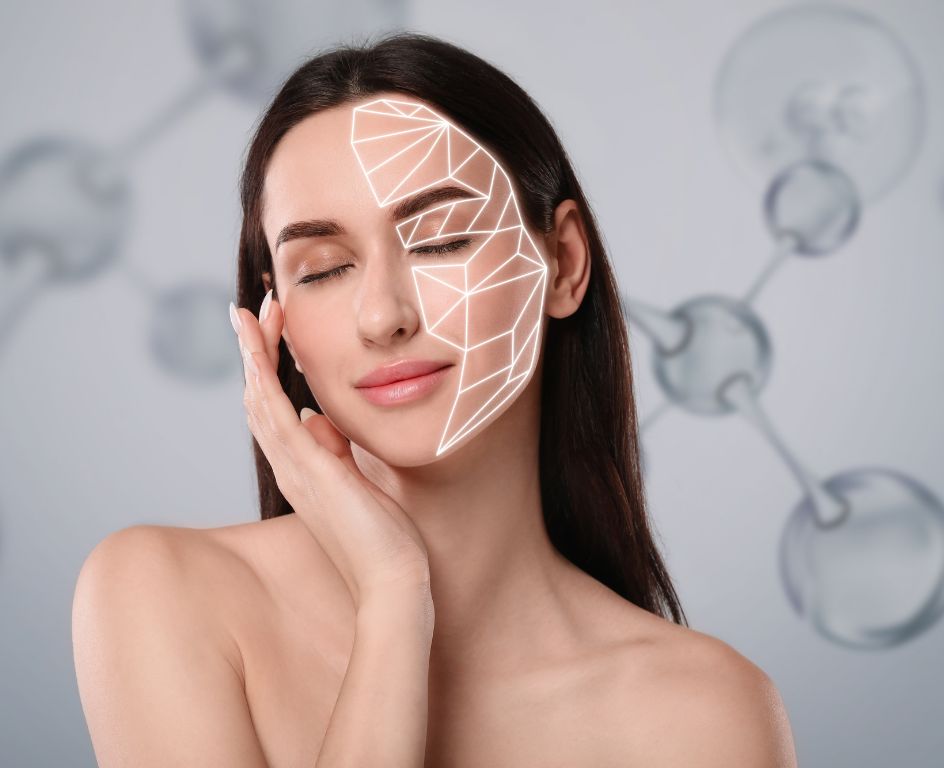
You’ve managed to lose weight. Your figure looks better, you have more energy, and yet when you look in the mirror, you notice something you didn’t expect – your face has lost volume, your cheeks are less full, and your facial contours have become less defined.
This is a common consequence of rapid weight loss. However, the problem is not simply that the skin „cannot keep up” with the loss of weight. As fat tissue is lost, the natural support provided by the tissues also changes, and the skin has to adapt to its new volume.
This therefore raises the question: how to firm up your skin after losing weight? and How long does it take for the skin to recover after losing weight?
The following are of great importance here collagen i elastin – proteins responsible for the skin’s structure, elasticity and firmness.
Collagen and elastin and weight loss
Rapid weight loss It does not directly weaken collagen and elastin fibres. However, it can alter the conditions in which the skin functions.
As body fat is lost, tissue volume decreases, including in the face. This can be particularly noticeable around the cheeks, temples and under the eyes. The support for the skin changes, and its surface must adapt to the new shape of the face.
If the reduction takes place too quickly, the skin may not have time to shrink sufficiently. As a result, the following occurs:
- loss of skin firmness,
- skin flaccidity,
- deepening of wrinkles,
- a less pronounced oval face shape,
- loss of volume in the cheeks,
- a more tired appearance.
However, this does not mean that once you have finished losing weight, there is nothing more that can be done to improve the appearance of your skin.
How can you boost collagen production after losing weight?
Skin regeneration after weight loss It is a gradual process. The body needs time to adapt its tissues to the change in volume.
One of the most important mechanisms is neocollagenesis, that is, the natural process of forming new collagen fibres. This occurs primarily as a result of the activity of fibroblasts – cells responsible for the production of extracellular matrix components.
Therefore, improving the quality of the skin should not rely solely on surface moisturisation. Where firmness is lost, it is also important to stimulate the remodelling processes taking place in the deeper layers of the skin.
They can be supported through carefully selected skincare routines, as well as biostimulating treatments and energy-based technologies.
How long does it take for the skin to recover after losing weight?
Skin regeneration following weight loss It takes time. The process of collagen remodelling takes place gradually and can take several weeks or months.
The rate of change depends, amongst other things, on age, genetics, skin condition, the amount of weight lost and the rate of weight loss.
Diet and physical activity are also important. An adequate intake of protein, vitamins and minerals supports the body’s normal functioning, whilst resistance training helps to preserve muscle mass during weight loss.
However, in cases of significant volume loss, skin regeneration alone may not be sufficient. In such cases, it is worth assessing both the quality of the skin and changes in the deeper facial structures.
Skin biostimulation following weight loss
Skin biostimulation It is designed to stimulate the skin to work more intensively. Depending on the method used, it can support collagen production, improve skin density and increase skin firmness.
This is a different approach to simply masking volume loss. The aim is to improve tissue quality and gradually regenerate the skin.
At Wellclinic, the choice of treatment depends on what has actually changed during weight loss. For one person
Treatments to improve skin firmness after weight loss
Various methods that stimulate skin remodelling can be used in the treatment of skin following weight loss.
Quantum Face after weight loss
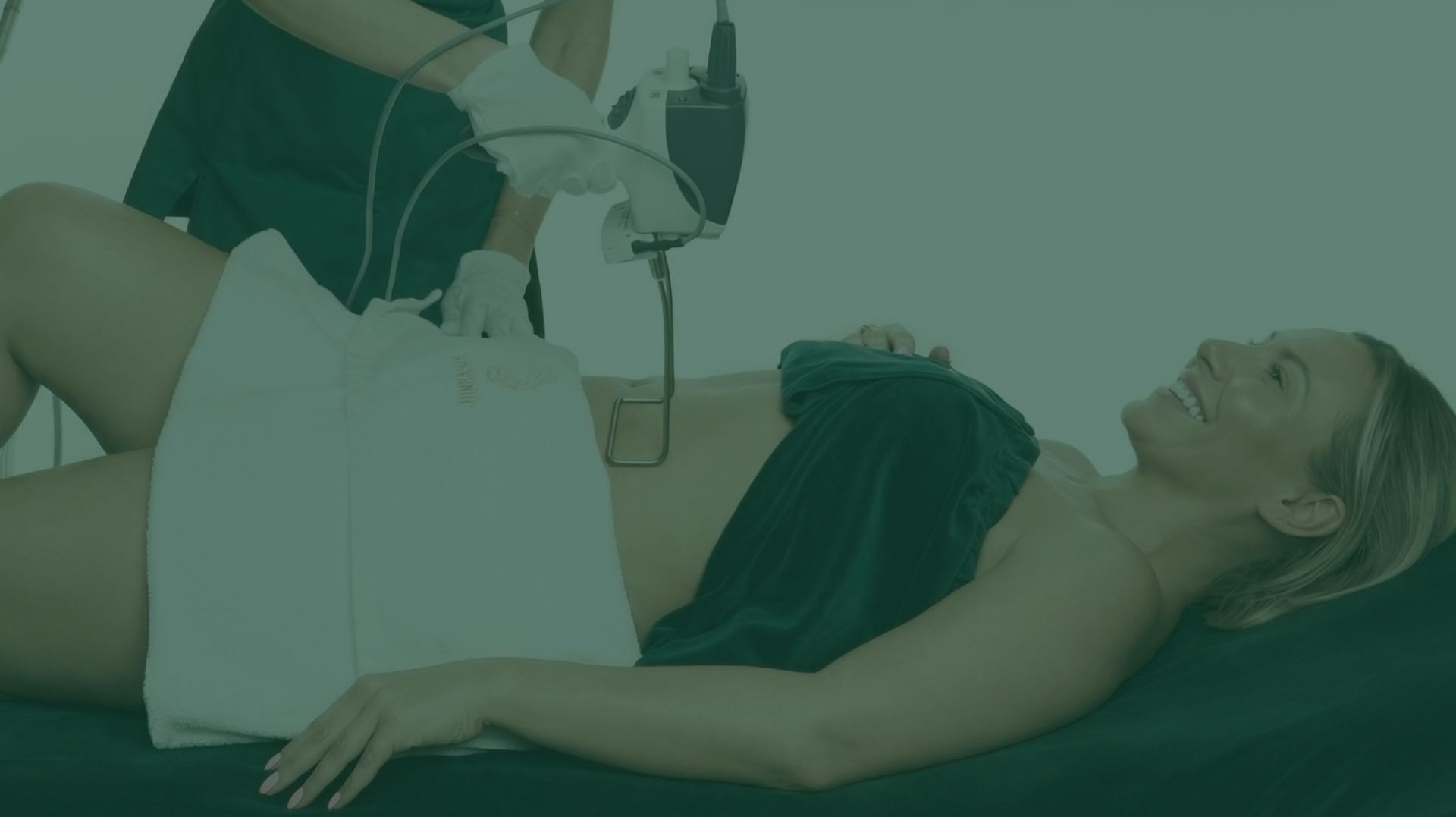
Natural facial rejuvenation is primarily about improving the quality of the tissues, rather than altering the facial features. Quantum Face This is a multi-stage therapy that utilises the effects of the Fotona DYNAMIS SP laser, which may support skin regeneration, improve skin firmness and aid the processes involved in collagen production.
The objective the Quantum Face treatment It does not involve altering the natural proportions of the face, but rather a gradual improvement in the quality, structure and condition of the tissues. The treatment addresses various aspects of the ageing process, thereby helping to support the skin’s firmness, tone and appearance, without creating an unnatural look. The results appear gradually, in line with the regeneration and remodelling processes taking place in the tissues, allowing you to achieve a fresher and more rested appearance whilst preserving your natural facial features.
EMFACE – support for the skin and facial muscles
EMFACE This is a non-invasive treatment that combines radiofrequency with facial muscle stimulation. This combination allows the treatment to act both on the skin, supporting its firmness and regeneration, and on the deeper structures responsible for the shape of the face.
EMFACE therapy It may be of particular interest following weight loss, when the reduction in tissue volume affects the contours of the face and may make the skin appear less taut. EMFACE It can help improve skin firmness and maintain a harmonious facial appearance without altering the face’s natural features.
However, the choice of treatment should always be based on an individual assessment of the skin and tissues, rather than solely on the number of kilograms lost.
Facial volumetry – natural restoration of volume
Facial rejuvenation does not always mean adding volume – sometimes it means restoring it to its proper level. Facial volumetrics It helps to restore volume lost with age or as a result of significant weight loss, thereby improving the proportions and contours of the face. However, the key to a natural result lies not in the amount of the product administered, but in a proper assessment of the face, a precise selection of treatment areas and taking the individual’s anatomy into account.
During the consultation, the doctor assesses the proportions and condition of the tissues to determine whether volumetrics will be the right solution and what level of correction will produce a harmonious result. In some cases, a subtle boost to volume in just one area is enough to improve the appearance of the whole face.
The aim is not to create a new facial shape, but to subtly restore lost proportions and preserve its natural character.
What should you do about your skin after rapid weight loss?
It is worth starting the recovery process whilst you are still cutting, rather than waiting until skin flaccidity it will become clear.
The key factors remain a balanced diet, adequate hydration, physical activity and daily skincare. If you notice a loss of firmness, it is worth consulting a specialist about the condition of your skin.
At Wellclinic, the treatment plan is tailored to each individual. The assessment covers not only the skin’s surface but also its firmness, tissue quality and changes in volume that have occurred during weight loss.
This makes it possible to determine whether the primary focus should be on stimulating collagen production, improving skin firmness, or a more comprehensive approach that also includes restoring lost volume. You don’t have to wait until skin laxity becomes more noticeable. Book a consultation at Wellclinic and find out which solution is best suited to your skin following weight loss.
For this article, I suggest six sources: on the loss of facial volume following weight loss, changes to the skin, collagen and elastin, and ways to improve skin laxity. I have also included sources from outside PubMed.
Sources:
- PubMed „The Effects of Weight Loss on Facial Ageing: A Systematic Review”
https://pubmed.ncbi.nlm.nih.gov/37607970/ - PubMed „Facial changes after bariatric surgery: a systematic review”
https://pubmed.ncbi.nlm.nih.gov/31430811/ - PubMed „The effect of weight loss on facial soft tissue: a systematic review”
https://pubmed.ncbi.nlm.nih.gov/36154705/ - American Academy of Dermatology: „Skin care: 5 tips for healthy skin”
https://www.aad.org/public/everyday-care/skin-care-basics/dry/skin-care-tips - Cleveland Clinic: „Loose Skin After Weight Loss”
https://health.clevelandclinic.org/loose-skin-after-weight-loss - DermNet „Skin ageing”
https://dermnetnz.org/topics/skin-ageing