
 Katarzyna Pawłowska

 10.11.2026
You can use anti-wrinkle creams regularly, have rejuvenating treatments and keep your skin well moisturised. And yet, your skin may gradually lose its firmness, elasticity and youthful appearance. Why? One reason is glycation – a process that slowly alters the structure of the proteins responsible for the skin’s elasticity.
It doesn’t happen overnight. You won’t always notice its effects straight away. Over time, however, collagen fibres can become stiffer and the skin can lose its ability to retain its natural elasticity.
Importantly, glycation It does not affect only people with diabetes. It is a natural process that occurs in everyone’s body, although its severity depends on many factors, including age, metabolic status and exposure to environmental factors.
That is why modern prevention anti-aging It is also increasingly taking into account protection against the effects of glycation. Three ingredients are of particular interest: trehalose, hyaluronic acid and polynucleotides. Each one works differently, but they all have a role to play in a modern approach to improving skin quality.
Table of contents
Skin glycation – an invisible process that alters the skin’s structure
Wrinkles are just one of the signs of ageing. There is much more going on beneath the skin’s surface.
One of the processes affecting its condition is glycation, that is, a non-enzymatic reaction between sugars and proteins, lipids and other molecules. This reaction results in the formation of so-called. advanced glycation end products (AGEs).
Why are they so important?
Collagen i elastin They form the skin’s natural scaffolding. They are responsible for its strength, firmness and elasticity. When glycation occurs in these proteins, additional bonds may form between their molecules. The fibres become less elastic, and their mechanical properties deteriorate.
The problem does not end there. AGEs can also activate RAGE receptors, exacerbating oxidative stress and mechanisms associated with the inflammatory response.
That is precisely why skin glycation is increasingly being incorporated into strategies for preventing premature ageing.
It may contribute to:
- loss of firmness and elasticity;
- the deepening of wrinkles;
- deterioration in the quality of collagen fibres;
- a reduction in the regenerative capacity of tissues;
- the severity of changes associated with oxidative stress.
AGEs are not just a problem for the skin. Their presence is also linked to the ageing of other tissues and the development of metabolic complications. This is one of the reasons why it is worth considering the condition of the skin in the context of the body’s overall health.
It is also worth noting that collagen is a protein with a relatively slow metabolic turnover. This means that certain changes in its structure may persist for a long time.
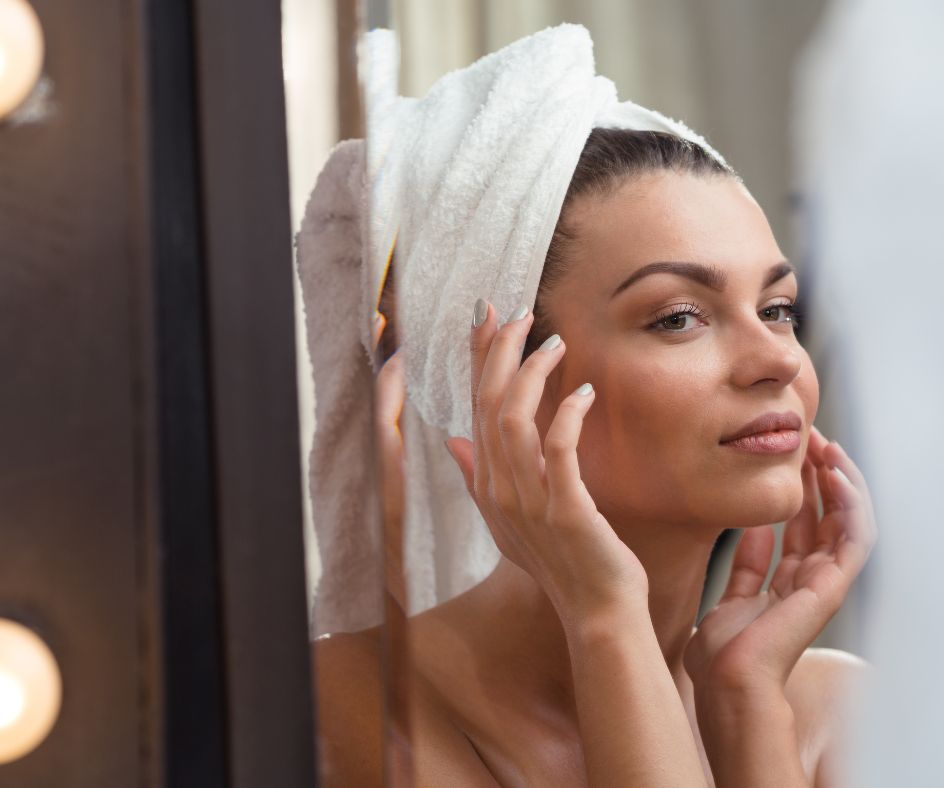
Why does moisturising alone not solve the problem of glycation?
Well-hydrated skin looks more rested. Fine lines caused by dryness become less noticeable, and the skin’s surface regains its smoothness.
But there is one difference.
Hydrating the skin and reducing the effects of glycation are two separate issues.
Hyaluronic acid cream It may improve the hydration level of the epidermis, but this does not automatically mean that it removes advanced glycation end products from the deeper layers of the skin.
That is why it is worth taking a broader view of preventative care. It is not just about smoothing out wrinkles, but about minimising the factors that accelerate ageing and supporting the skin’s healthy functioning.
A practical way of organising these activities is the ABC model:
- A – Anti-sugar: limiting the intake of excess simple sugars in the diet and ensuring proper glucose metabolism.
- B – Blocking: supporting the body through a balanced diet, antioxidants and reducing oxidative stress.
- C – Care: a mindful skincare routine, sun protection, physical activity and carefully selected salon treatments.
It is a simple way of organising your daily routine. However, it is not an official medical protocol, nor is it a method that guarantees the prevention of glycation.
Trehalose – a small ingredient that helps protect skin cells
Trehalose It is a naturally occurring disaccharide which has long been of interest to scientists due to its protective properties. In cosmetology, it is primarily used as an ingredient that helps to moisturise the skin and protect it from harmful environmental factors.
What makes it stand out in this context anti-glycation prevention?
Trehalose may help to stabilise cellular structures and mitigate some of the effects of environmental stress. It also has humectant properties, meaning it helps to maintain an appropriate level of moisture.
Trehalose It occurs naturally in certain organisms that are able to survive extreme conditions of dehydration. It is precisely its protective properties that have inspired research into the use of this compound in cosmetology and medicine.
However, it is worth maintaining scientific rigour. Trehalose is not an ingredient for which clinically proven elimination can be attributed AGEs made from human skin. Its protective potential is currently being researched, and findings relating to specific formulations should not automatically be applied to all cosmetics containing this ingredient.
W a well-chosen trehalose skincare routine It can be a valuable addition to moisturising and protective ingredients.
Hyaluronic acid – why does the size of the molecules matter?
As we age, the skin gradually loses its ability to maintain an adequate level of moisture. It becomes more prone to dryness, and fine lines and wrinkles begin to become more visible.
This is where hyaluronic acid - a natural component of the extracellular matrix which has an exceptional ability to bind water.
Not every product containing hyaluronic acid However, it works in exactly the same way.
Its molecular weight is of great importance. High-molecular-weight forms act primarily on the skin’s surface, helping to retain moisture. Smaller fractions have different physicochemical properties and may interact within the epidermis in a different way.
That is why there is growing interest in products that combine hyaluronic acid with varying molecular weights.
Such a combination can help to:
- improved skin hydration;
- reduction of dryness and tightness;
- smoothing out fine lines caused by dehydration;
- improving the skin’s comfort and appearance;
- maintaining a healthy extracellular matrix environment.
Polynucleotides – when does the skin need more than just a cream?
There are times when your daily skincare routine is no longer enough. The skin loses its density, becomes thinner and less supple, and regenerates more slowly.
In such situations, it may be worth considering professional regenerative therapies. One such option is treatments using polynucleotides.
Polynucleotides These are compounds made up of nucleotide chains. In aesthetic medicine, they are used in preparations administered intradermally, with the aim of improving skin quality.
Their potential effects are linked to the promotion of repair processes, fibroblast activity and their influence on the extracellular matrix environment.
Why is this important?
Fibroblasts These are the cells responsible, amongst other things, for the production of collagen and other structural components of the skin. Their proper functioning is vital for maintaining the skin’s density and elasticity.
Treatments using polynucleotides may be considered for the following purposes:
- improving the structure and quality of the skin;
- to support its flexibility;
- improved hydration;
- to support regenerative processes;
- to reduce the appearance of certain signs of ageing.
Polynucleotides do not directly remove glycation products. Their role in an anti-ageing strategy is, above all, to support the skin’s quality and regeneration.
What should a home anti-glycation skincare routine look like?
You don’t need a dozen or so beauty products to look after your skin properly. It’s far more important to choose ingredients that meet your skin’s actual needs.
It is worth including several groups of substances in your daily skincare routine.
1. Trehalose and hyaluronic acid
The combination of moisturising and protective ingredients can help maintain healthy skin. It is particularly effective for dry, dehydrated skin and skin in need of improved comfort.
2. Vitamin C
It is a powerful antioxidant that helps to reduce the effects of oxidative stress. It also plays a role in collagen synthesis, which is why it is widely used in anti-ageing skincare.
3. Retinol
It is one of the most thoroughly researched ingredients used in anti-ageing skincare. It supports epidermal renewal and improves the appearance of the skin, including the visibility of fine lines. It should be introduced gradually, taking the skin’s tolerance into account.
4. Ceramides and lipid components
They help to restore the hydrolipid barrier, reduce water loss and improve the skin’s resistance to external factors.
5. SPF 50 sun protection
This is a factor that should not be overlooked. UV radiation accelerates collagen breakdown, increases oxidative stress and contributes to the development of hyperpigmentation. Regular use of sunscreen is one of the best-documented methods of preventing photoageing.
This does not mean that all the ingredients have to be used at the same time. An overly elaborate skincare routine can lead to irritation. What matters is a sensible combination of products and consistency.
Diet and glycation – does what you eat show on your face?
It is definitely worth paying attention to your diet. Glycation processes take place throughout the body, which is why the condition of your skin cannot be viewed in isolation from your metabolic health.
It is particularly important to avoid chronically elevated blood glucose levels. Excess glucose promotes glycation reactions, so it is important to ensure proper carbohydrate metabolism.
Your daily menu should include:
- fruit and vegetables rich in antioxidants;
- wholemeal products and sources of fibre;
- complete protein;
- healthy fats, including omega-3 fatty acids;
- an adequate intake of fluids.
It is also worth cutting down on excess simple sugars and highly processed foods.
The way meals are prepared is also significant. Foods subjected to intense heat treatment at high temperatures, particularly frying and grilling, may contain more dietary AGEs than foods boiled in water. However, the effect of their consumption on the ageing of human skin has not yet been conclusively established.
Don’t forget about physical activity. Regular exercise helps maintain insulin sensitivity and a healthy metabolism. Sleep is just as important, as the body needs time to recover.
In-clinic treatments – how can you combine glycation prevention with improving skin quality?
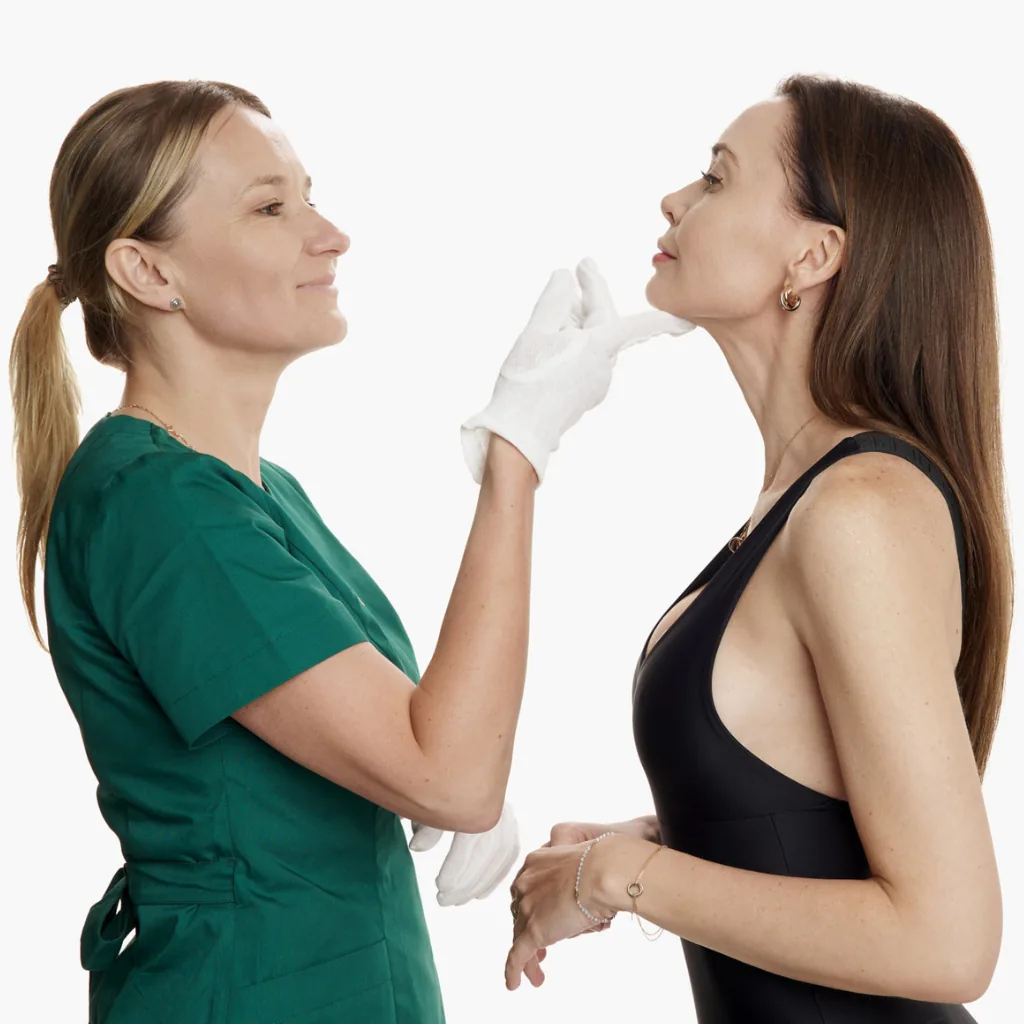
Home skincare is essential, but it does not always meet all the skin’s needs. If you notice a loss of firmness, a deterioration in skin texture or obvious dehydration, it is worth considering a consultation and selecting the appropriate salon treatments.
Depending on the condition of your skin, a specialist may recommend:
- Polynucleotides - to support the skin’s regenerative processes and improve its condition.
- Hyaluronic acid treatments - to improve hydration and help protect the skin’s structure; in the case of certain formulations, their anti-glycation potential is also being investigated.
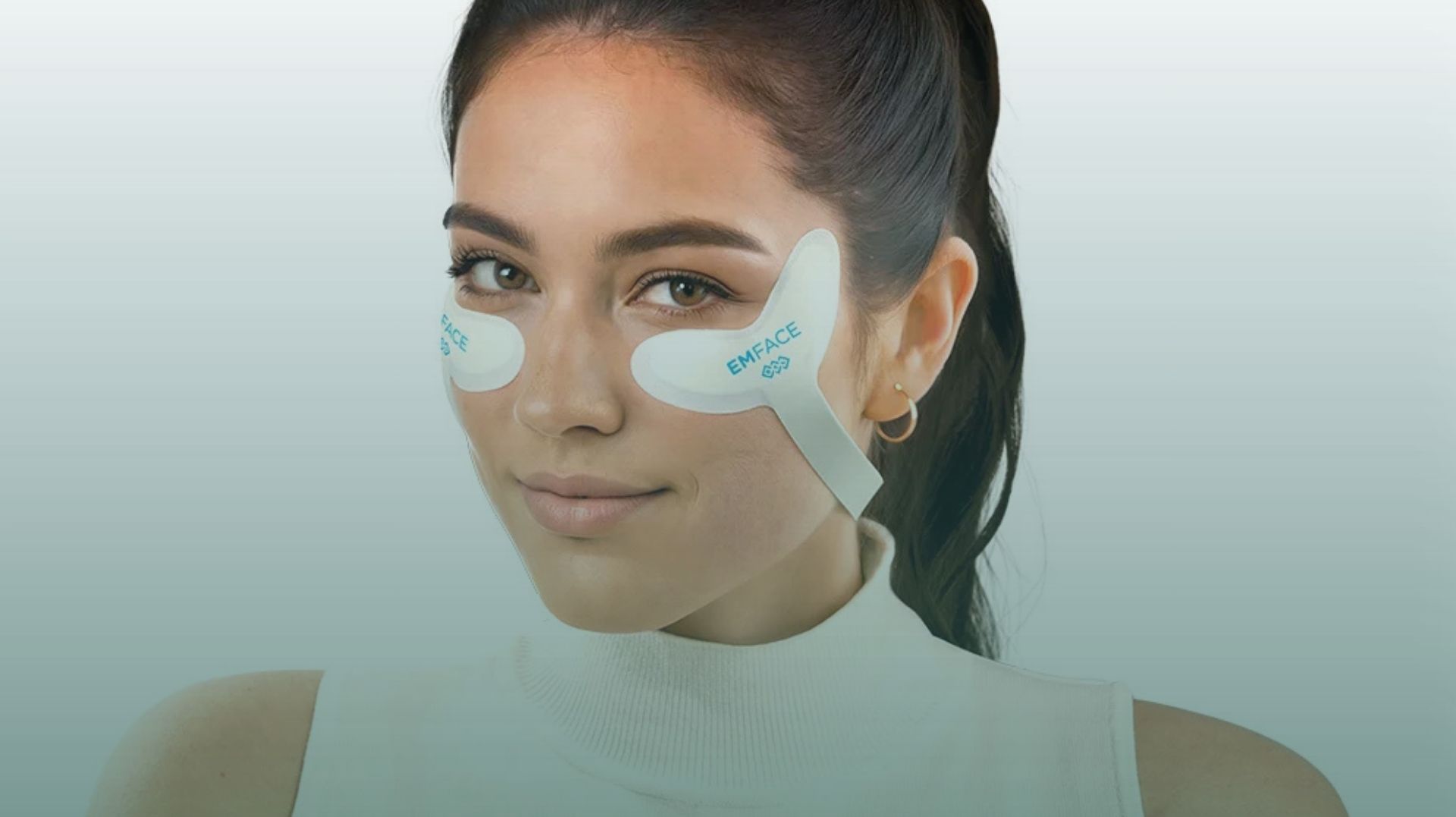
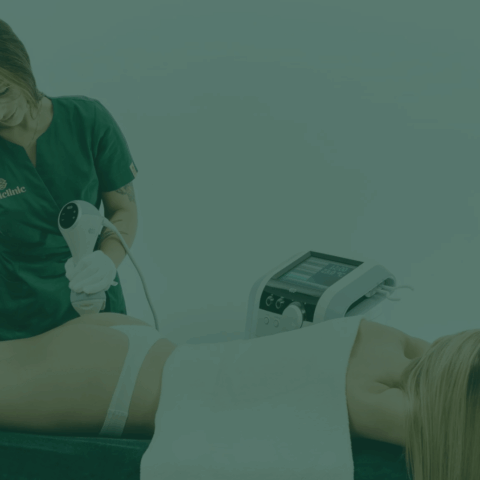
- Microneedle radiofrequency - a method that uses micro-needling and thermal energy to stimulate skin regeneration.
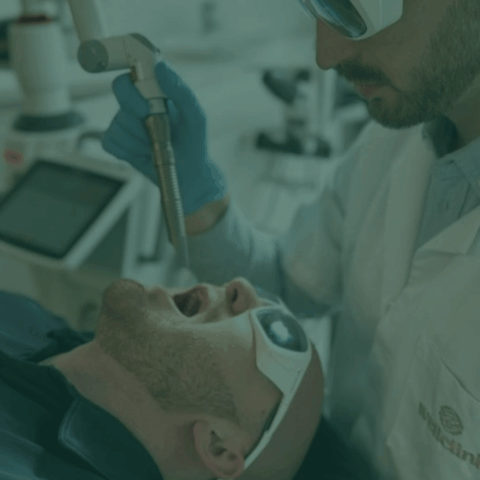
- Laser therapy - selected according to the specific problem, amongst other things to improve the skin’s texture, tone and certain signs of photoageing.
Not every patient needs all of these procedures. The approach differs for dehydrated skin, for loss of firmness, and again for severe discolouration and photoageing.
The treatment plan should therefore take into account the patient’s age, skin condition, general health, any medication they are taking and their expectations.
Don’t wait until the effects of ageing become clearly visible
Skin glycation is not a problem that can be solved with a single cream or a single treatment. It is a biological process influenced by both metabolic and environmental factors.
That is precisely why it is worth taking a multi-pronged approach. You should pay attention to your diet, maintain healthy blood sugar levels, use sun protection and choose the right skincare products. If your skin needs extra support, you can supplement your daily routine with professional regenerative treatments.
It’s not about looking younger at any cost. It’s about not neglecting the processes that affect the quality of your skin every day.
Would you like to find out how to look after skin affected by glycation? Book a consultation at Wellclinic. Our medical team will assess her condition and draw up a personalised care plan and programme of in-clinic treatments, taking your needs and circumstances into account.
Sources:
1. Chmielewski R., Lebiedowska A., Barańska-Rybak W. (2025). Assessment of the Curative Anti-Glycation Properties of a Novel Injectable Formulation Combining Dual-Weight Hyaluronic Acid (Low- and Mid/High-Molecular Weight) with Trehalose on Human Skin Ex Vivo. International Journal of Molecular Sciences. https://pubmed.ncbi.nlm.nih.gov/40429894/
2. Chmielewski, R., Lesiak, A. (2024). Mitigating Glycation and Oxidative Stress in Aesthetic Medicine: The Synergy of Hyaluronic Acid and Trehalose in Combating AGEs in the Treatment of Skin Ageing. Clinical, Cosmetic and Investigational Dermatology. https://pubmed.ncbi.nlm.nih.gov/39624066/
3. Chmielewski, R., Lebiedowska, A., and Barańska-Rybak, W. (2025). Evaluation of the anti-glycation protective effect of an injectable product based on a combination of hyaluronic acid and trehalose with two different molecular weight ranges on human skin explants. International Journal of Molecular Sciences. https://pmc.ncbi.nlm.nih.gov/articles/PMC11989952/
4. Gdańsk Medical University – Department and Clinic of Dermatology, Venereology and Allergology. A publication on the anti-glycation properties of a combination of hyaluronic acid and trehalose in human skin. https://ppm.edu.pl/info/article/GUMed89f97eb8e64b628be6a3854bfb35c2
5. Medical University of Silesia in Katowice. A publication on the protective effect of a combination of hyaluronic acid and trehalose against skin glycation. https://ppm.sum.edu.pl/info/article/SUM9a21397381c04fd19e2b593e8439ec42
Book a consultation





 +48 600 100 177