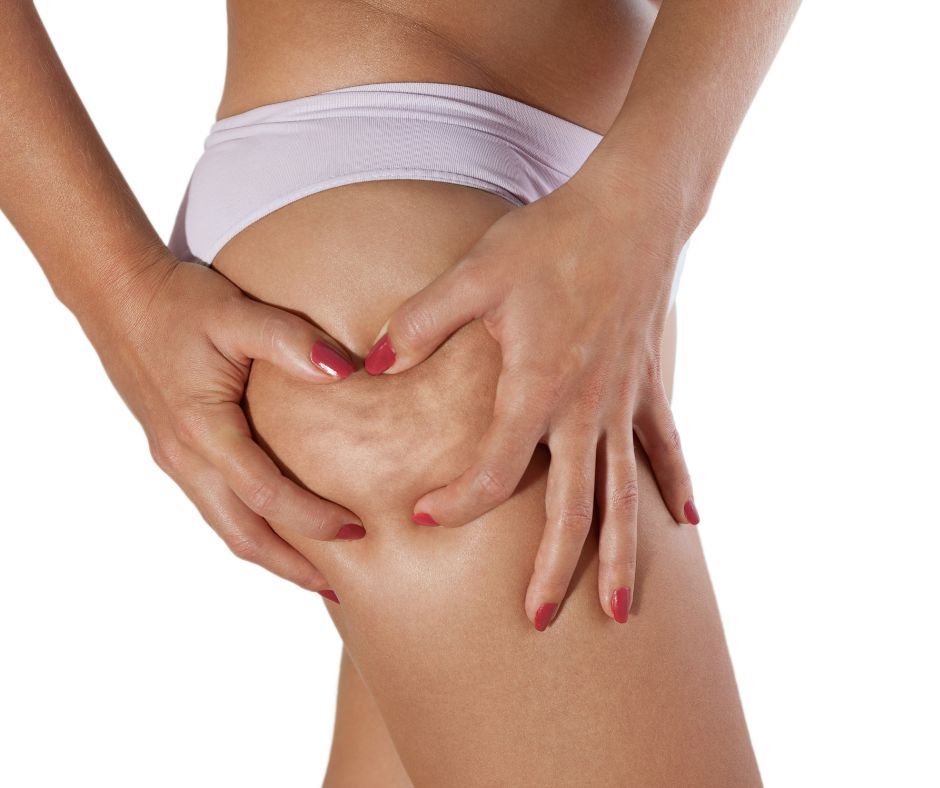
Cellulite on the skin These are changes occurring within the subcutaneous tissue that cause the formation of characteristic dimples, commonly referred to as „orange peel skin”. It is a common cosmetic concern, occurring primarily in women, regardless of age or body weight.
For development cellulite factors contributing to this include, amongst others, disorders microcirculation, impaired lymphatic drainage and changes in the structure of the subcutaneous tissue. Hormonal factors, genetic predisposition, insufficient physical activity, a sedentary lifestyle and diet may also play a role. The appearance of these changes is also influenced by the condition of the skin. Reduced firmness and elasticity can make these irregularities more noticeable.
Cellulite It may manifest as indentations, thickening and an uneven skin surface. It most commonly occurs in the area of thighs, buttocks, hips and stomach, although it may also appear on other parts of the body. Depending on the nature of the lesions, the following are distinguished, amongst others: water cellulite, adipose cellulite, fibrous cellulite and mixed cellulite.
Treatment depends on the type and stage of the condition. In cellulite reduction Regular physical activity, a balanced diet and proper hydration are important. Professional treatments also make use of technologies that act on the subcutaneous tissue, including, amongst others, sound waves i monopolar radiofrequency. Their action may help to improve microcirculation, promote tissue remodelling, increase skin firmness and reduce the appearance of skin unevenness.
You can find more information about the causes, types and stages of the condition in the article Cellulite – what are the causes, types and stages of cellulite development?.