
 Katarzyna Pawłowska
 17.06.2026
 Table of contents
You may be slim, exercise regularly and eat healthily, yet one day you might notice some characteristic dimpling on your thighs or bottom. That is precisely why cellulite It has been a source of so much emotion for years. Contrary to popular belief, it does not affect only those who are overweight – as many as 80–90% of women struggle with it. It is primarily due to one’s build subcutaneous tissue and the impact of hormones, which influence the distribution of body fat and the functioning of the skin. Importantly, cellulite is also very common in slim people.
Although cellulite is not a medical condition, for many people it is a source of discomfort and can undermine their self-confidence. The good news is that modern cosmetology i aesthetic medicine are increasingly effective in helping to reduce it, and in many cases also make it possible to permanent removal of cellulite. However, before we move on to treatment methods, it is worth understanding what cellulite actually is, where it comes from and why it can look different in each person.
Cellulite can also appear regardless of age or body weight. The first signs are often visible as early as puberty, when significant hormonal changes take place. Hormonal fluctuations during the menstrual cycle, pregnancy or the menopause also play a role, as they can increase water retention in the body and affect the appearance of the skin.
What is cellulite?
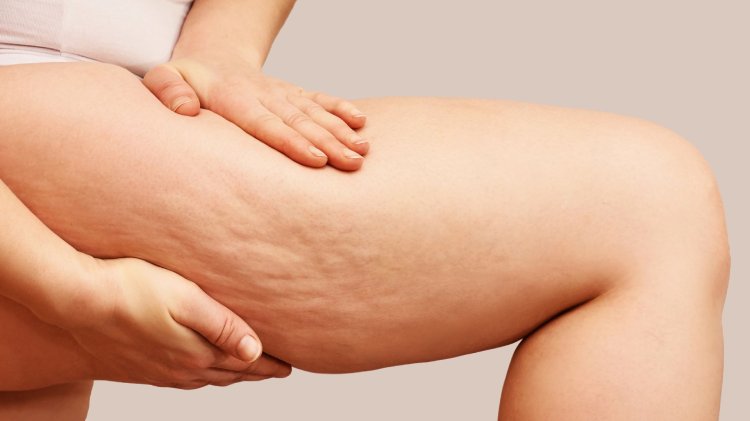
Cellulite, commonly known as „orange peel”, is a change in the structure of the subcutaneous tissue associated with an abnormal distribution of fat cells and impaired microcirculation. Characteristic dimples, unevenness and rippling appear on the surface of the skin, most commonly on the thighs, buttocks, hips and abdomen.
It is often regarded as a result of being overweight, yet this is one of the most widespread myths. Cellulite can occur in both overweight people and very slim women. This is because its development is a complex process and depends not only on the amount of body fat, but also on hormonal balance, genetic predisposition and the condition of the blood and lymphatic vessels.
Put simply, it works like this: the expanding fat cells begin to put pressure on the blood and lymph vessels. Blood and lymph flow slows down, which promotes fluid retention and hinders the removal of metabolic waste products and toxins from the tissues. Over time, collagen fibres lose their elasticity, and irregularities in the skin become increasingly visible.
Where does cellulite most commonly appear?
Cellulite It does not always occur in the same places or with the same intensity. It most commonly appears on the thighs, buttocks, hips and abdomen – areas where the body naturally stores more fat and where blood and lymph circulation is more likely to be impaired. Cellulite on the thighs It most commonly affects the back and sides, where the skin is more prone to losing its firmness. In turn, cellulite on the buttocks It manifests itself as unevenness and indentations, which may be visible both when standing and when sitting. Cellulite on the stomach It often occurs as a result of hormonal changes, after pregnancy, or due to a sedentary lifestyle and reduced skin elasticity. In some people, cellulite may also be visible on the arms or the backs of the knees.
Differences in its distribution are due, amongst other things, to genetic predisposition, hormonal balance and lifestyle. Cellulite develops gradually and may worsen over time if no measures are taken to support circulation and skin health.
Why does cellulite develop? Causes and symptoms
There isn’t just one the cause of cellulite. It is most often caused by the combined effect of several factors – microcirculatory disorders, hormonal imbalances, genetic predisposition, lifestyle, and changes in the structure of adipose and connective tissue. Their combined effect leads to disturbances in the functioning of the subcutaneous layer and the development of characteristic changes.
Hormonal imbalances and cellulite
Estrogens play a key role here. They affect the body’s water balance, increase the permeability of blood vessels and promote fluid retention in the tissues. This, in turn, can exacerbate swelling and make skin irregularities more visible. This is why the first signs of cellulite often appear as early as puberty, and its severity may increase during pregnancy, the menopause or whilst undergoing hormone therapy.
The role of blood and lymph circulation in the development of cellulite
When blood and lymph flow metabolism slows down, and tissues are less well oxygenated and nourished. At the same time, the removal of metabolic waste products is impeded, which contributes to the development of oedema. Under such conditions, the structure of the subcutaneous tissue is gradually disrupted, which promotes the development of cellulite.
The role of genes in the development of cellulite
Genetic factors They affect, amongst other things, the structure of connective tissue, the distribution of body fat and a predisposition to circulatory disorders. If your mother or grandmother had cellulite, the risk of it developing may be higher. It is worth emphasising, however, that genes merely predispose a person to its development; they do not determine whether it will occur.
Types of cellulite – how to recognise them and how they differ
Cellulite does not always look the same. Depending on the mechanism by which it develops, several types can be distinguished, which differ in their clinical presentation, causes and severity. Correct diagnosis of these types facilitates the selection of appropriate treatment methods.
Water cellulite – a form associated with fluid retention
Water cellulite It is primarily associated with impaired blood and lymph circulation and fluid retention in the body. It most commonly affects people who lead a sedentary lifestyle, although it can also occur in slim, physically active women.
The skin becomes taut, slightly swollen and uneven. A characteristic feature is that the symptoms often worsen before menstruation or after spending a long time in one position. Water-based cellulite most commonly appears on the thighs, buttocks and calves – areas that are particularly prone to impaired lymphatic drainage and the accumulation of excess fluid in the tissues.
Adipose cellulite – when fat cells enlarge
This type of cellulite develops as a result of fat cells enlarging. It is most commonly seen in people who are overweight or who have experienced sudden changes in weight. The unevenness of the skin is more pronounced, and characteristic lumps can be felt beneath the surface. In some cases, the tissue may be sensitive to pressure.
Fatty cellulite It most commonly appears in areas where a greater amount of body fat naturally accumulates, primarily on the thighs, buttocks, hips and around the abdomen. In some people, it may also appear on the arms or on the lower back.
Fibrous cellulite – an advanced form of cellulite
Fibrous cellulite This is the most advanced form of cellulite. It involves fibrosis of the connective tissue surrounding the fat cells. The skin becomes firmer, and thickened areas and lumps can be felt beneath the surface. Fibrous cellulite can cause discomfort and even pain when pressed. It is also the most difficult to reduce and usually requires a combination of treatments.
Fibrous cellulite most commonly appears in areas that have been exposed to microcirculatory disorders and chronic strain on the subcutaneous tissue over a long period of time. Typical locations include the thighs, particularly the outer and rear parts, the buttocks, and the hip area.
Stages of cellulite
Cellulite develops gradually, and its severity can be divided into several stages.
Stage I – the first, invisible changes
The changes are not visible to the naked eye. Irregularities only become apparent when the skin is pinched between the fingers. This is the stage at which it is easiest to take preventative measures and halt the further development of the changes. However, the first signs of impaired blood and lymph circulation in the subcutaneous tissue may begin to appear.
Stage II – changes visible when the muscles are tensed
The skin begins to lose its elasticity. Slight indentations are visible when standing or tensing the muscles, whilst when lying down the skin remains relatively smooth. At this stage, microcirculatory disorders and a tendency for fluid retention in the tissues become increasingly pronounced.
Stage III – visible swelling and skin irregularities
„Orange peel” skin becomes visible regardless of body position. Swelling occurs, and the unevenness is clearly visible and palpable. There is a worsening of blood circulation and lymphatic drainage, which contributes to fluid retention and the perpetuation of changes in the subcutaneous tissue.
Stage IV – advanced cellulite
This is the most advanced stage of cellulite. Deep dimples, thickened areas and hard lumps are visible, and these can often be felt even at rest. In some cases, tenderness and pain occur as a result of pressure on the tissues and nerve endings.
How can you get rid of cellulite?
There is no single effective method for eliminating cellulite. The best results are achieved through a combination of physical activity, a healthy diet, staying hydrated and skincare, which together help to reduce its appearance. It is worth remembering that cellulite is a problem faced by most women, regardless of age or body weight. Circulatory disorders, changes in adipose tissue and the weakening of collagen fibres play a key role in its development, leading to a loss of skin elasticity and increased susceptibility to the formation of dimples. Although cellulite most commonly occurs on the thighs, buttocks and stomach, it can also appear on other parts of the body. Regular physical activity, healthy eating habits and carefully selected treatments and skincare products help to reduce cellulite and improve the appearance of the skin.
Home remedies for combating cellulite
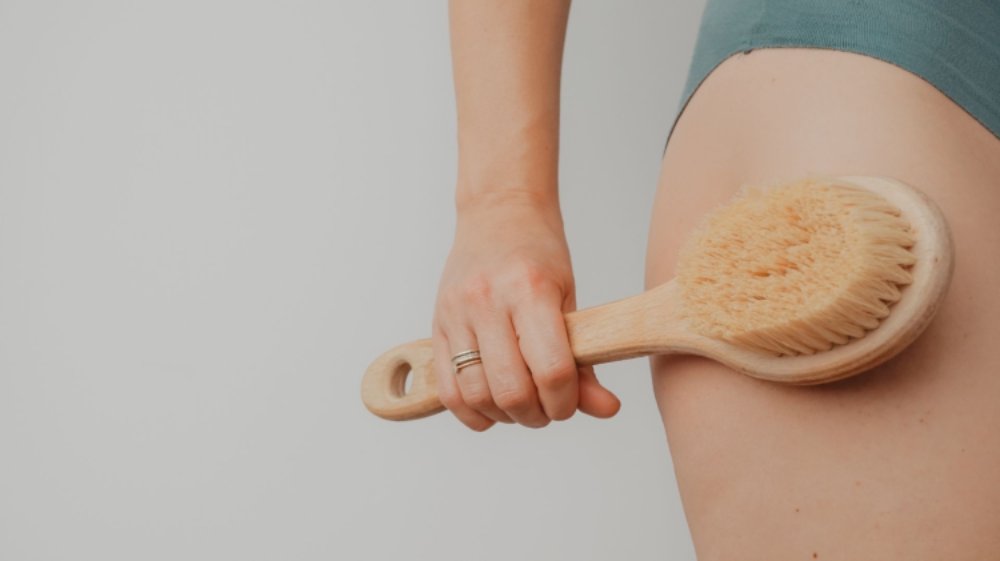
At home, the key to combating cellulite lies in regular practices that improve microcirculation and boost lymphatic drainage. One of the most commonly used methods is dry body brushing, which stimulates circulation, exfoliates the skin and improves skin firmness. A cellulite brush used as part of this method helps to stimulate microcirculation, firm the skin and support the body’s natural detoxification processes by stimulating the lymphatic system, which aids the removal of toxins from the tissues and improves their condition. Regular dry brushing makes the skin more elastic and firmer.
Chinese cupping massage is also very popular; it mechanically stimulates the tissues, promotes lymphatic drainage and may reduce the appearance of cellulite. Chinese cupping for cellulite works by drawing in the skin and subcutaneous layer, which stimulates circulation, supports lymphatic drainage and, with regular use, can help reduce swelling and smooth the skin. It is worth remembering that cellulite is very common and affects many people, regardless of age or body weight.
Cosmetics for cellulite
Home skincare routines often involve using scrubs (e.g. coffee scrubs) and self-massage with oils and products containing active ingredients such as caffeine, algae extracts, L-carnitine or plant-based firming agents. These help to boost microcirculation, improve the skin’s elasticity and help to reduce puffiness and smooth the skin’s surface.
In addition, the following is used anti-cellulite cosmeticssuch as anti-cellulite and firming lotions and oils for cellulite, which, thanks to their content of natural plant oils (e.g. grape seed oil, jojoba oil or avocado oil) and active ingredients, help to moisturise, improve the elasticity and smooth the skin. They often also contain substances that stimulate circulation, such as extracts of cayenne pepper, ivy, horse chestnut or butcher’s broom, which may help reduce the appearance of cellulite when used regularly.
How diet and lifestyle habits affect cellulite
A diet for cellulite plays a significant role in improving the appearance of the skin, as it affects the body’s water balance, microcirculation and fat metabolism. The basis is adequate hydration – Drinking water regularly helps to flush out excess waste products and reduces the likelihood of swelling, which is why it is recommended to drink around 2–3 litres of fluids a day.
It is also very important that an adequate supply of protein at a level of around 1.6–2 g per kilogram of body weight, as it supports tissue tone and regeneration, which may improve skin firmness and reduce the appearance of cellulite. It is worth including fruit and vegetables rich in antioxidants in your daily diet, as these support the health of blood vessels, as well as fibre-rich products, which help regulate the digestive system. Healthy fats, such as omega-3 fatty acids found in sea fish, nuts and linseed, are also beneficial.
At the same time, it is worth minimising the factors that make cellulite more visible and worsen the condition of the skin. Excess salt promotes water retention and the development of oedema; alcohol impairs microcirculation and the quality of the skin, and sugar It can exacerbate inflammatory processes in the tissues and reduce the skin’s elasticity. Even a partial reduction in these factors often leads to a faster, noticeable improvement in the skin’s appearance and supports the benefits of a healthy diet.
Walks, strength training and everyday activity
A very important, yet often underestimated element is regular walks, because even moderate, daily activity – such as 7,000–10,000 steps a day – improves microcirculation in the legs, reduces lymphatic congestion and supports the skin’s natural „smoothing” process. Walking acts as a gentle but regular form of cardio, which in the long term can significantly improve the appearance of the skin, particularly when combined with strength training and a balanced diet. Strength training However, it plays a key role in reducing cellulite, as it increases muscle mass and tone, making the skin firmer and less „dimpled”. Regular weight-bearing exercises, such as squats, deadlifts, hip thrusts or weighted lunges, help to even out the structure of the subcutaneous tissue, reduce the appearance of cellulite and improve the overall shape of the figure. When combined with cardio and everyday activity, this produces the most visible and lasting results.
Exercises for cellulite They are one of the most effective ways of helping to reduce skin irregularities, as they improve blood circulation, boost fat metabolism and strengthen the muscles in the areas most prone to changes. Workouts that target the lower body, such as squats, lunges, hip thrusts or step exercises, which activate the thigh and gluteal muscles, are particularly effective. Physical activity helps improve lymphatic circulation, which reduces swelling and the sensation of „heavy legs”. Cardio workouts are particularly effective in reducing cellulite; these include brisk walking, running, cycling and swimming, which help burn fat and improve both fitness and the appearance of the skin.
Cellulite tablets
Cellulite tablets These are dietary supplements that help reduce the appearance of cellulite by acting from within the body. Their composition is usually based on substances that support microcirculation, such as extracts of butcher’s broom, horse chestnut, ginkgo biloba and green tea, as well as ingredients that support fat metabolism, e.g. caffeine, L-carnitine and algae extracts. In addition, they often contain vitamins and antioxidants that support the health of blood vessels and protect cells from oxidative stress. However, it is important to remember that cellulite tablets are not a stand-alone treatment, and they are most effective when combined with physical activity, a balanced diet and skincare treatments.
Cellulite treatment in beauty salons in the 1990s.
In the 1990s, beauty salons were dominated primarily by intensive, manual methods removal of cellulite. The basis was anti-cellulite massage, often performed very vigorously, with the aim of breaking down lumps and bumps, stimulating circulation and improving skin tone. Also very popular was Chinese bubble, used as a vacuum massage to help remove excess fluid from the tissues and reduce cellulite.
Many salons also offered treatments such as body wrapping, that is, wrapping the body in special firming preparations and cosmetic film, which was intended to enhance the effect of the active ingredients through a warming effect and increased perspiration. Simple cosmetics with a warming or cooling effect were also frequently used; these were intended to intensively stimulate the lymphatic system and improve the appearance of the skin in areas affected by cellulite.
New technologies that have changed the way we approach cellulite
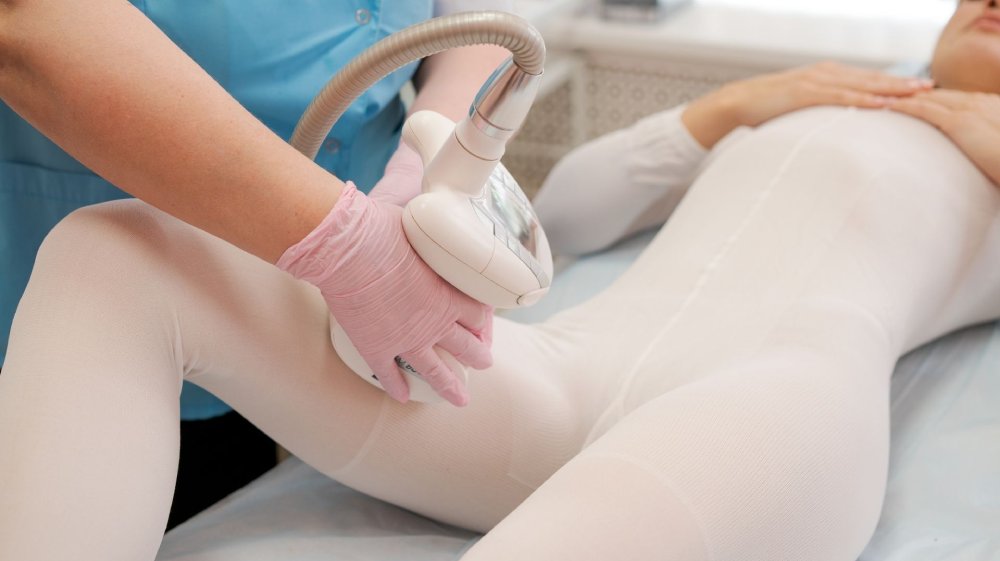
At the turn of the 2000–2010 A completely new approach to treating cellulite has begun to emerge in beauty salons, based on technology rather than solely on intensive massage. The first devices, such as endermologie (LPG), which used mechanical negative pressure to stimulate tissues and promote lymphatic circulation in a more controlled and reproducible manner than manual massage. Over time, further solutions emerged, including radiofrequency (RF), which, by heating the tissues, helped to improve skin tone and elasticity.
During this period, beauty salons began to increasingly combine different methods within a single treatment plan, rather than using individual, intensive procedures. There was a growing realisation that cellulite is not solely caused by the accumulation of fat, but also by the condition of the skin and the functioning of the lymphatic system. As a result, treatments have become less invasive and more focused on long-term improvement of skin condition and body contouring.
What cellulite treatments do beauty salons currently offer?
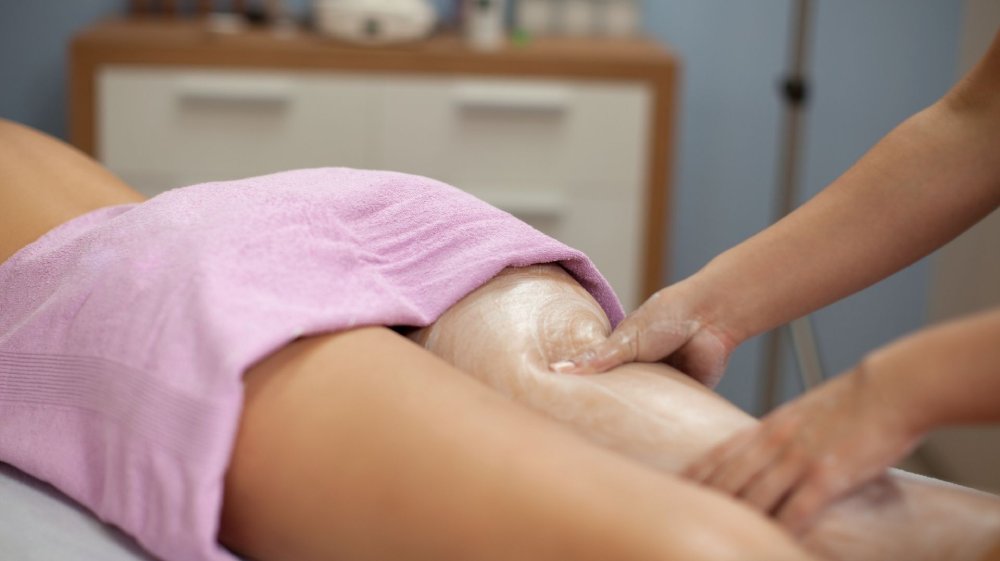
In beauty salons (excluding aesthetic medicine procedures), treatments are currently based mainly on massage, tissue stimulation and improved circulation. Among the most common are lymphatic drainage, which helps to eliminate excess fluid and reduce swelling, and professional anti-cellulite massage, which significantly boosts blood flow to the tissues and improves the skin’s elasticity. Treatments using Chinese bubbles and various forms cellulite massage, such as manual anti-cellulite massage or vacuum massage.
Their operation is based on intensive tissue stimulation, improvement blood and lymph circulation and by promoting the drainage of fluids, which may help to reduce the appearance of skin irregularities and improve its elasticity. The treatment is complemented by procedures body wrapping with masks based on algae, caffeine and plant extracts, which also help to smooth the skin, improve its firmness and enhance the effect firming. Many beauty salons combine them into treatment programmes, as the best results are achieved through regularity and the synergistic effect of several methods used simultaneously.
These methods are supplemented by endermologie, which is the mechanical stimulation of tissues carried out using special devices fitted with rollers and negative pressure. One of the best-known technologies is LPG endermologie, which works by providing an intense, controlled massage of the skin and subcutaneous tissue.
Treatments using equipment such as Roll Shaper involve a mechanical body massage using rotating rollers which rhythmically apply pressure and „roll over” the tissues in areas such as the thighs, buttocks and abdomen. Regular use of this type of treatment can help to reduce cellulite, improvement blood and lymph circulation, as well as influence skin firming and gentle body contouring. Unlike manual treatments such as LPG endermologie, the process takes place automatically, making it a quick and reproducible form of therapy, which is also often chosen as a means of relaxation.
A breakthrough in cosmetology in 2026 – advanced technologies for cellulite removal
Technological advances in cosmetology and aesthetic medicine have led to another breakthrough in the approach removal of cellulite. Treatments no longer focus solely on individual mechanisms of action, but on simultaneously influencing various layers of tissue – from the skin’s blood supply, through the structure of connective tissue, to the metabolism of fat cells. As a result, the treatment becomes more comprehensive and precisely tailored to the skin’s needs. Professional cellulite treatments They are increasingly using advanced technologies that operate on multiple levels, enabling them to effectively target both adipose tissue and skin structure, as well as circulation.
One of the modern technologies used at Wellclinic is UNISON, which combines the effects of radio wave i acoustic in a single treatment. Radio wave It warms the tissues, promoting collagen production and the metabolism of fat cells, which helps to improve the skin’s firmness and tone. In turn, acoustic wave It acts on the tissues, helping to break down fibrosis, improve circulation and reduce the dimpling characteristic of cellulite. As a result, this technology simultaneously smooths the skin, increases its elasticity and improves the overall quality of the subcutaneous tissue.
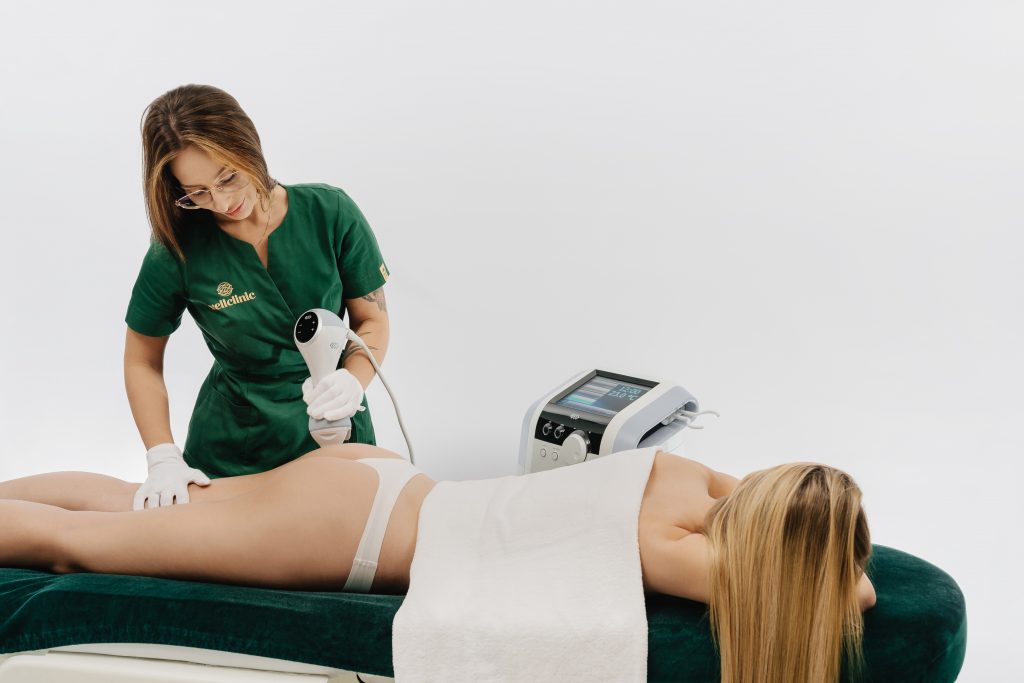
Cellulite reduction at Wellclinic
Cellulite This is not merely an aesthetic issue – it is the result of specific changes in the tissues, which require a personalised approach. Every treatment begins with an analysis of the causes of the problem, taking into account the patient’s lifestyle, activity level and state of health. Depending on individual needs, it includes procedures designed to reduce body fat, improve skin firmness and enhance circulation in the tissues. It is precisely these multifactorial disorders that play a key role in the development of cellulite, leading to the formation of the characteristic ‘orange peel’ appearance.
It is worth remembering that cellulite affects a great many people, regardless of age or body weight; therefore, its presence is a common occurrence rather than merely a cosmetic flaw. With the right approach, it is possible to gradually get rid of cellulite or significantly reduce its appearance and improve the skin’s texture.
The whole thing is rounded off by The WellEffect formula, which supports the body’s natural regenerative processes. Effective cellulite reduction no It is not about fighting the body, but about supporting its natural processes and gradually improving the quality of the skin.
Would you like to find out more about cellulite reduction in Wellclinic? Make an appointment for a consultation – Our beauty therapists will put together a personalised treatment plan, tailored to your skin and the results you’re hoping to achieve. We carry out professional cellulite removal treatments at our clinics in Warsaw, Gdansk i Krakow.
Sources:
- PubMed „Cellulite: causes, prevention, treatment„
https://pubmed.ncbi.nlm.nih.gov/25518090/ - PubMed „Taking into account the hypothesis regarding the pathophysiology of cellulite in its treatment” https://pmc.ncbi.nlm.nih.gov/articles/PMC5661147/
- PubMed „”Cellulite: Current Understanding and Treatment” https://pmc.ncbi.nlm.nih.gov/articles/PMC10324940/
- Dermatology Clinics „Cellulite: an update on pathogenesis and management„
https://pubmed.ncbi.nlm.nih.gov/37977679/ - Aesthetic Surgery Journal – A review of clinical approaches and the anatomy of cellulite
https://pubmed.ncbi.nlm.nih.gov/38057600 - DermNet NZ – Cellulite https://dermnetnz.org/topics/cellulite

Frequently asked questions
It is difficult to completely eliminate cellulite, as it is caused by the structure of the tissue and hormones. A realistic goal is to significantly reduce it and smooth the skin. The best results are achieved through a combination of diet, exercise and aesthetic medicine treatments, such as. UNISON.
Yes, cellulite can return if you do not maintain a healthy lifestyle. Diet, exercise and good circulation are key.
Water retention causes swelling and a feeling of heaviness, but without the typical dimpling. Cellulite, on the other hand, causes visible „orange peel” skin and changes to the skin’s texture.
Yes, stress can make cellulite worse by affecting hormones and circulation. It raises cortisol levels, which leads to water retention and a deterioration in the condition of the skin.
Cellulite does not usually cause pain, but in more advanced forms it can cause tenderness or discomfort. This is mainly due to swelling and fibrosis of the subcutaneous tissue.
Yes, men can also have cellulite, but it is much less common in them. This is due to differences in the structure of connective tissue and the effects of hormones – in men, the structure of collagen fibres is more compact, which makes it harder for dimpling to form. Cellulite in men most commonly occurs in cases of being overweight, hormonal imbalances (e.g. low testosterone) or a sedentary lifestyle. It is usually found around the abdomen and back.


 +48 600 100 177