
 Katarzyna Pawłowska
 01.07.2026
 Table of contents
The skin does not always keep pace with the changes taking place in the body. Stretch marks can appear during pregnancy, at puberty, following rapid weight gain, intensive muscle-building, and even after significant weight loss. They often appear despite skincare routines, and it is not always possible to prevent them effectively.
What causes stretch marks? They are permanent structural changes to the skin, associated with damage to the collagen and elastin fibres in the dermis. Initially, they may have a red or purple hue, but over time they fade and become more visible as pale, linear lesions resembling scars.
Therefore removal of stretch marks It is not simply a matter of smoothing the surface of the skin. The changes occur in its deeper layers, which is why the treatments used are primarily aimed at to reduce their appearance and improve the texture and appearance of the skin.
Stretch marks can affect both women and men, regardless of age or body shape. They most commonly appear when there is a rapid change in tissue volume and the skin is subjected to intense stretching.
Causes of stretch marks
Several different factors contribute to the formation of stretch marks. One of the key factors is genetic predisposition, which affects the quality and strength of the fibres collagen and elastins. Hormonal changes also play a significant role, particularly increase in cortisol levels, which may inhibit collagen synthesis and reduce the skin’s resistance to stretching.
It is also important that skin microcirculation, which are responsible for its nourishment and regeneration. Any disruption to this process can slow down repair processes and reduce tissue elasticity, thereby increasing the skin’s susceptibility to micro-damage.
In practice stretch marks They most often develop as a result of the combined effect of these factors and mechanical stretching of the skin, e.g. during rapid weight gain, pregnancy or intense muscle growth.
Types of stretch marks – why does it matter?
Red stretch marks These are fresh, active lesions, red, pink or purple in colour. Red stretch marks They have increased blood supply. This is the so-called inflammatory phase of stretch marks, during which the structure responsible for the skin’s elasticity is actively damaged, to which the body responds with inflammation. Such fresh stretch marks still retain the potential for remodelling, which is why treatment started early enough can yield very good results.
Over time stretch marks progress to the next stage – the regression phase, also known as white stretch marks. This is the stage at which the changes become permanent and resemble atrophic scars. Permanent changes then occur in the structure of the dermis – damage to the fibres collagen and elastin, which become thinner, fewer in number and irregularly arranged, whilst the skin’s natural structure is disrupted. At the same time, the inflammation subsides and blood supply decreases, which is why stretch marks lose their red colour and turn white or pearly.
The skin within such lesions is usually thinner, less elastic and slightly sunken in relation to the surrounding tissues. This is due to a loss of the skin’s supportive substance and reduced activity of fibroblasts, which are responsible for rebuilding the extracellular matrix. In contrast to the active phase, regenerative processes are much weaker here, which is why spontaneous improvement is limited.
Nevertheless, the atrophic phase does not rule out the possibility of improving the appearance of the skin. However, it requires methods that strongly stimulate the production of collagen, such as laser therapy, microneedle radiofrequency and microneedling, which stimulate the skin to gradually regenerate and even out its texture.
Why does the age at which stretch marks appear matter?
In therapy stretch marks The length of time they have been present on the skin is of key importance. Fresh stretch marks contain more blood vessels and exhibit greater biological activity, which is why they usually respond better to treatment. In the case of established stretch marks, the remodelling process is slower, as the tissue is dominated by scar tissue and fibroblast activity is reduced.
This does not mean, however, that older stretch marks cannot be treated. Appropriately chosen and regularly performed treatments can significantly improve their appearance, evening out the skin’s texture and increasing its density.
Do stretch marks disappear on their own?
This is one of the most frequently asked questions. Although, over time stretch marks they may become lighter in colour and less visible, but the damaged structure does not repair itself collagen-elastin. This means that the change remains permanently present in the skin’s structure and does not disappear completely without intervention.
In the initial phase stretch marks They are usually red or purple in colour, which is linked to the presence of blood vessels and an active inflammatory process. Over time, they progress to the white phase, in which they become less visible but, at the same time, more permanent. The skin’s natural regenerative processes can only partially improve their appearance; however, they do not restore the full structure that existed before the damage occurred.
Where stretch marks appear on the body – the most common areas affected
Stretch marks This is a problem that affects both women and men, regardless of age. Stretch marks They can appear in various parts of the body, although their location is most often determined by areas particularly prone to skin stretching and changes in tissue volume. The risk of them appearing stretch marks It depends on many factors and is usually the result of their combined effect, rather than a single specific cause.
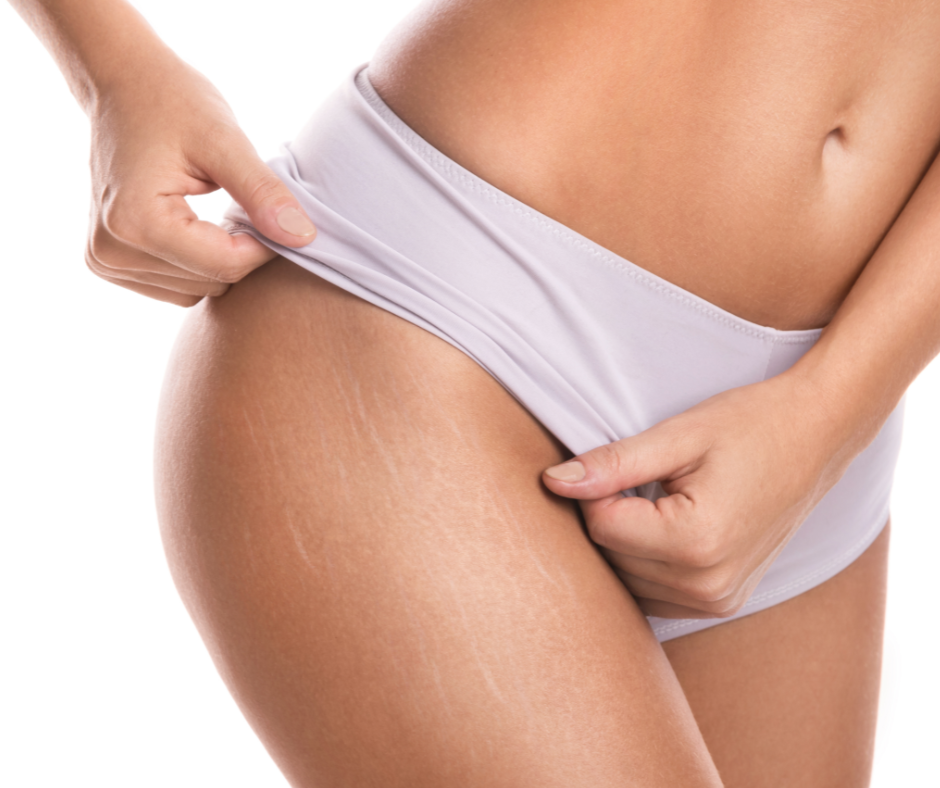
One of the most important factors is genetic predisposition – if there is a family history of stretch marks, the skin may be more prone to developing them. One of the most common cosmetic problems is stretch marks on thighs, which occur as a result of sudden changes in body weight, rapid increases in body fat or intensive muscle-building. The skin in this area is particularly prone to stretching, which leads to micro-damage to the skin’s structural fibres, resulting in the formation of characteristic, linear changes visible on the skin’s surface.
Another area is buttocks, which, due to the high variability in adipose tissue volume, are particularly prone to the formation of linear changes. Stretch marks on the buttocks They most commonly appear during periods of rapid weight fluctuations or during intensive training, when the skin and its supporting structure are suddenly overloaded.
In men stretch marks They are also frequently found on the shoulders, upper arms and back, particularly during periods of intensive muscle building. The location of the lesions is clinically significant, as skin thickness and its regenerative capacity vary depending on the area of the body, which influences the choice of treatment and the expected outcomes.
Stretch marks during pregnancy and after childbirth – causes and location
Stretch marks During pregnancy and breastfeeding, this is a problem faced by many women. They most commonly appear on the stomach, breasts and hips as a result of rapid changes in tissue volume and the effects of hormones, which affect the condition of the skin. During pregnancy, the skin is stretched intensely, leading to strain and the breaking of collagen and elastin fibres. Hormonal changes also play a significant role during this period, weakening the skin’s structure and reducing its resistance to rapid stretching. After childbirth stretch marks They may gradually fade, but they do not usually disappear completely, as the damage affects the dermis, the structure of which does not fully regenerate.
Stretch marks in the second trimester of pregnancy They usually appear as a result of rapid abdominal growth and gradual weight gain. They appear Stretch marks on the abdomen are associated with intense and excessive tension in the skin tissues. These changes place a strain on the structure responsible for the skin’s elasticity, which contributes to the formation of characteristic bands and tears in the skin’s structure. They are also often accompanied by stretch marks on the breasts, which occur as a result of their rapid enlargement during pregnancy and breastfeeding.
Stretch marks after pregnancy They often become more noticeable in the postnatal period, when the skin gradually loses its firmness and does not always regain its former elasticity.
It is worth bearing in mind that the risk stretch marks during pregnancy It depends not only on the strain placed on the skin itself, but also on individual genetic predisposition, the quality of the collagen fibres and the condition of the skin before pregnancy.
Stretch marks in teenagers – causes and how they develop
In adolescents during puberty stretch marks are most commonly associated with rapid physical growth. Rapid changes in height, weight gain or muscle development mean that the skin does not always manage to adapt to these changes. As a result, excessive tension builds up in the tissues, leading to micro-damage in the structure of collagen and elastin. These changes are most commonly found on the back, thighs, buttocks and, in girls, the breasts. Genetic and hormonal factors associated with puberty also play a significant role.
Stretch marks during the menopause and hormonal changes
During the menopause mechanism formation of stretch marks is different and is primarily linked to a drop in oestrogen levels. These hormones are responsible for maintaining the skin’s normal structure, hydration and elasticity; therefore, a deficiency in them leads to a gradual deterioration in tissue quality. The skin becomes thinner, drier and less resistant to excessive tissue tension, which means that even slight changes in body weight can contribute to the formation of stretch marks. As we age, collagen and elastin fibres weaken, making the skin more susceptible to damage.
When muscles grow faster than the skin
Rapid muscle mass gain, which is a common consequence of intensive strength training, can lead to sudden tension in the skin that exceeds its natural ability to adapt. Intensive strength training may contribute to the formation of stretch marks, particularly when muscle growth occurs rapidly and without the tissues gradually adapting. Most commonly, changes appear in the thighs, shoulders, chest and arms – in other words, where the muscles develop most rapidly. Under such conditions, the skin is subjected to significant strain, resulting in structural overload and microdamage to collagen and elastin fibres. If muscle mass is built up very rapidly, the skin may not be able to keep up with regeneration and adaptation, which increases the risk of permanent linear changes.
The effect of cortisol on the skin and the development of stretch marks
Hormonal disorders, including excess cortisol which occur, for example, in Cushing’s syndrome, significantly increase the risk of developing stretch marks. Cortisol has an adverse effect on the skin’s metabolism, inhibiting collagen synthesis and weakening its supportive structure. As a result, the skin becomes thinner, less elastic and more susceptible to damage, even with minor changes in body weight. Furthermore, these disturbances can slow down regenerative processes, making it more difficult to restore the skin’s normal structure.
When treatment affects the skin – steroids and tissue structure
Long-term use of glucocorticoids can lead to a weakening of the skin’s structure and an increase in the risk of developing stretch marks. Steroids reduce the activity of fibroblasts – the cells responsible for producing collagen and elastin – which directly leads to a deterioration in skin quality. As a result, the skin becomes thinner, more flaccid and less resistant to stretching, which means that stretch marks They can occur even with slight changes in body weight.
The role of metabolism in skin health and the development of stretch marks
Metabolic changes, such as insulin resistance, obesity and hormonal imbalances, also play a significant effect on the formation of stretch marks. Metabolic disorders impair skin quality, affect its blood supply and slow down regenerative processes. In the case of obesity, the skin is also gradually stretched as weight increases, which raises the risk of micro-damage. Hormonal fluctuations further weaken the skin’s elasticity, disrupting its natural balance.
Stretch mark treatments – a comparison of methods and technologies
Treatments for stretch marks In aesthetic medicine, they are among the most effective methods for reducing skin lesions, as they act directly on the skin’s structure and stimulate its regeneration.
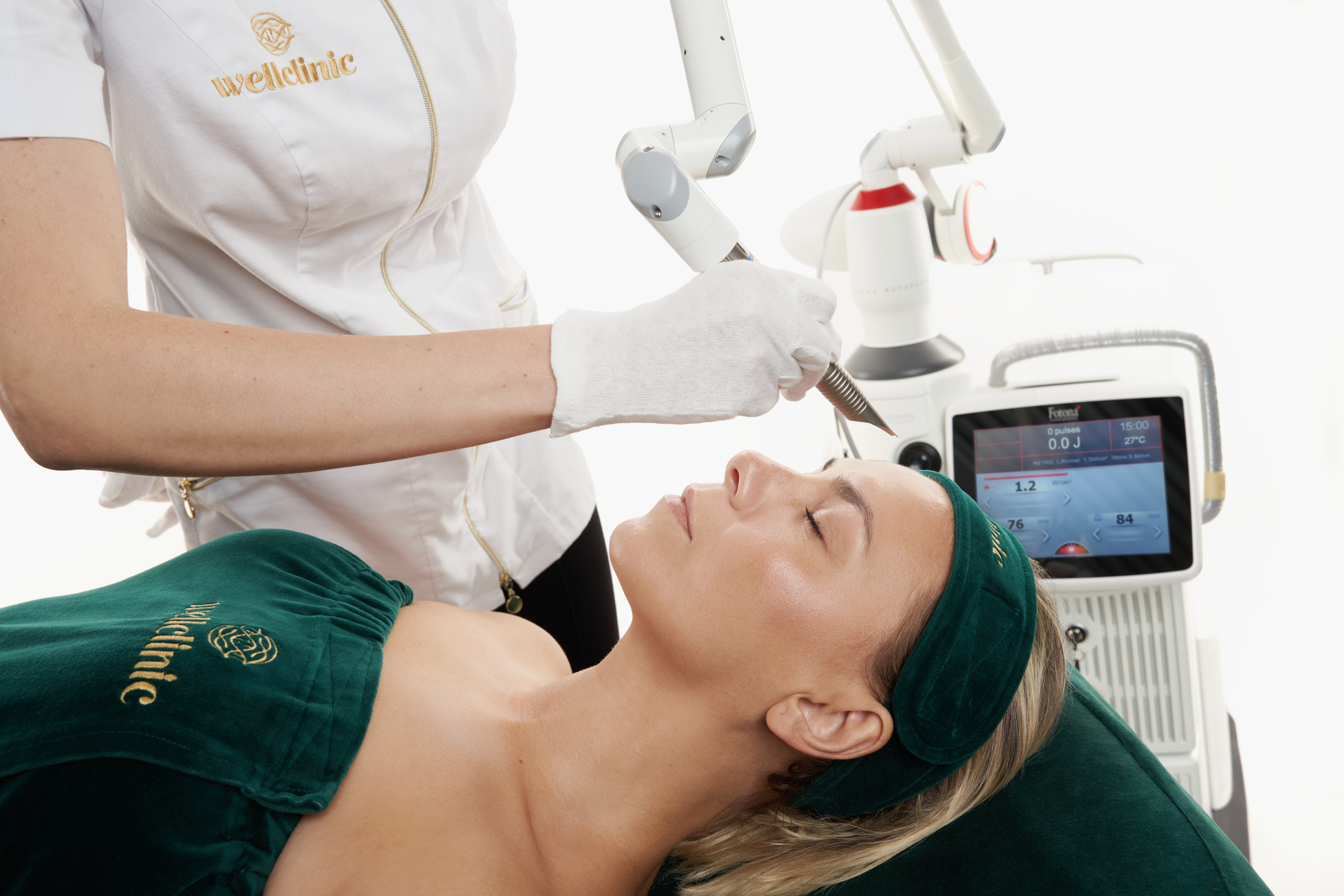
Fractional CO₂ laser leads to controlled thermal micro-damage in the skin, which triggers an intensive regeneration process and stimulates the production of collagen, leading to a gradual thickening and improvement in the skin’s structure. On the other hand, microneedling (Dermapen) It is based on the mechanical creation of tiny punctures, which trigger natural healing processes without the use of heat, thereby also increasing collagen production and improving tissue elasticity.
A good complement to the therapy is micro-needle radiofrequency, which combines micro-needling with controlled heating of the skin, thereby further enhancing the firming and tissue-thickening effects. In turn, needle mesotherapy involves administering active ingredients directly into the skin, which promotes its regeneration and improves the overall condition of the tissues. The proposed treatments for stretch marks It is tailored individually to the type of stretch marks, their location and the severity of the condition, thereby enabling the best possible therapeutic results and a gradual improvement in skin structure.
Exion RF microneedling: a new generation of stretch mark treatment
Unlike older methods, such as fractional CO₂ laser, microneedling (Dermapen) or traditional microneedle radiofrequency, Exion RF microneedling represents the next stage in the development of technologies that stimulate skin remodelling. It combines precise micro-needling with controlled radiofrequency (RF) energy and an advanced artificial intelligence (AI) system, which analyses tissue resistance in real time and automatically adjusts the treatment parameters to the individual characteristics of the patient’s skin. As a result, energy is delivered more evenly and precisely to the deep layers of the skin, enabling more effective stimulation of collagen and elastin production, increasing skin density and firmness, and supporting the remodelling of damaged support fibres.
As a result, the recovery process is more predictable, and the improvement in appearance stretch marks occurs gradually as the skin’s structure is restored. In some patients, the use of this technology Exion RF It may also enable the desired results to be achieved with fewer treatment sessions than with conventional microneedle radiofrequency.
Reducing stretch marks using Exion RF microneedling and AI technology
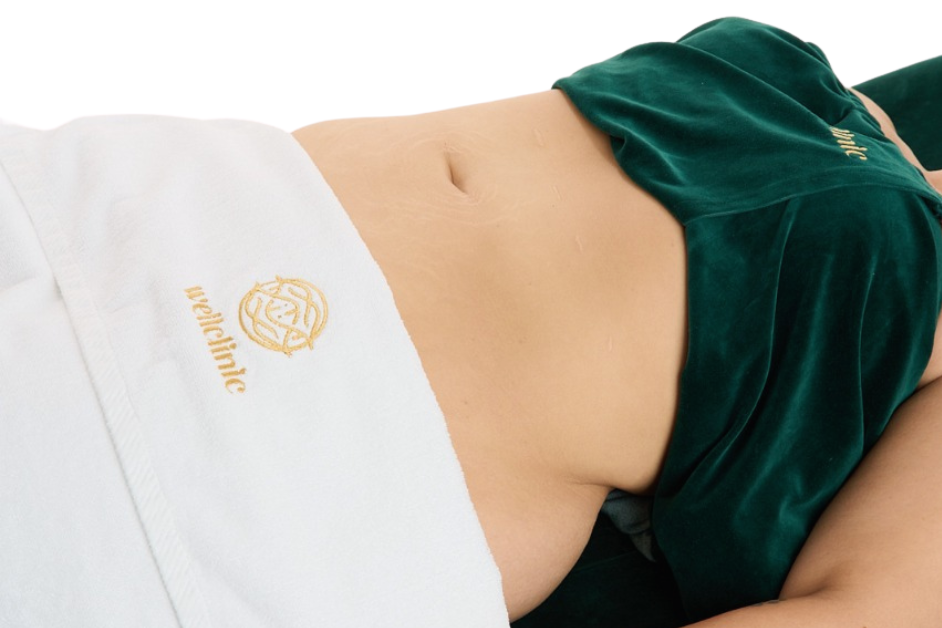
Technology Exion RF microneedling It is equipped with an advanced artificial intelligence (AI) system which analyses tissue resistance in real time and automatically adjusts the device’s operating parameters to the individual characteristics of the patient’s skin. By continuously analysing tissue response, the system optimises the delivery of radiofrequency (RF) energy, ensuring its even and precise distribution across the entire treatment area.
The intelligent selection of parameters allows for differences in skin thickness, tissue density and individual electrical resistance to be taken into account, thereby minimising variations in treatment resulting from patients’ anatomical characteristics. As a result, the procedure Exion RF microneedling is more precise, reproducible and predictable, and the results achieved are more consistent across successive therapy sessions.
Automatic parameter optimisation also enhances the safety of the treatment, as the device continuously adjusts the intensity of the treatment in response to the tissues’ current reaction. This approach enhances patient comfort, minimises the risk of excessive skin overheating and allows for more effective utilisation of the natural processes of collagen remodelling, elastin stimulation and skin regeneration. As a result, the therapy is more effective in firming the skin, reducing wrinkles, improving skin tone and promoting overall revitalisation and rejuvenation.
What does Exion RF treatment involve?
Technology Exion RF microneedling It is equipped with an advanced artificial intelligence (AI) system which analyses tissue resistance in real time and automatically adjusts the device’s operating parameters to the individual characteristics of the patient’s skin. By continuously analysing tissue response, the system optimises the delivery of radiofrequency (RF) energy, ensuring its even and precise distribution across the entire treatment area.
The intelligent selection of parameters allows for differences in skin thickness, tissue density and individual electrical resistance to be taken into account, thereby minimising variations in treatment resulting from patients’ anatomical characteristics. As a result, the procedure Exion RF microneedling is more precise, reproducible and predictable, and the results achieved are more consistent across successive therapy sessions.
Automatic parameter optimisation also enhances the safety of the treatment, as the device continuously adjusts the intensity of the treatment in response to the tissues’ current reaction. This approach enhances patient comfort, minimises the risk of excessive skin overheating and allows for more effective utilisation of the natural processes of collagen remodelling, elastin stimulation and skin regeneration. As a result, the therapy is more effective in firming the skin, reducing wrinkles, improving skin tone and promoting overall revitalisation and rejuvenation.
What results can you expect?
Effects reduction of stretch marks They appear gradually, as the process of synthesising new collagen continues for several months after treatment has finished. As the skin is remodelled, the tissues become firmer, more elastic and denser. There is a gradual reduction in stretch marks, smoothing the skin’s surface and improving its tone. Skin firmness is also enhanced, resulting in a more uniform appearance of the treated area.
The aim of the therapy stretch marks The aim is not to completely remove the lesions, but to minimise their depth as much as possible and improve the quality of the skin in a natural and long-lasting way. The skin remodelling process takes place in stages and may last several months, as it is based on the gradual regeneration of collagen and elastin fibres.
In the case of modern methods, such as Exion RF microneedling, this process can be further supported by intensive stimulation of neocollagenesis and controlled regeneration of the deep layers of the skin, which promotes a more uniform improvement in skin structure in the affected areas stretch marks.
First week – the body begins a natural regeneration process, and the micro-damage caused by the treatment triggers repair mechanisms.
From the 2nd to the 4th week – the activity of fibroblasts responsible for producing new collagen and elastin increases. The skin gradually regains its density and elasticity.
From week 6 to week 12 – there is extensive remodelling of collagen fibres and the extracellular matrix. Stretch marks they become shallower, and the skin’s surface becomes more even.
From the 3rd to the 6th month – the full effects of the treatment become apparent. The skin is tighter, firmer and has a more organised structure, thanks to which stretch marks are noticeably less visible.
Is the procedure painful?
Micro-needle radiofrequency It is a procedure that is well tolerated by most patients. During the treatment, you may feel warmth and slight pricks; however, the use of modern technology and carefully selected parameters ensures that the treatment remains very comfortable. Immediately after the treatment, there may be slight redness or swelling of the skin, which usually subsides within a few dozen hours.
Post-treatment recommendations
After the treatment, you should moisturise your skin regularly, avoid intense exposure to UV radiation and use sun creams with a high SPF SPF. It is also advisable to avoid saunas, hot baths and strenuous physical activity for a few days. Following the post-treatment guidelines supports the remodelling process collagen and enables optimal treatment outcomes to be achieved.
What does the EXION RF device look like, and is it safe?
Device Exion RF is part of a medical system developed by BTL Industries, a global manufacturer of technology for aesthetic medicine and physiotherapy. The system comprises a central unit (a control console with a touchscreen), an ergonomic treatment head and disposable tips fitted with microneedles, which ensure the precise delivery of energy to the skin.
The device has been designed with precision and treatment reproducibility in mind – the treatment head enables controlled micro-punctures, whilst the control system allows the parameters to be precisely adjusted to the patient’s skin type. Depending on the market and system configuration, the devices BTL hold the necessary medical clearances, including certification CE in force within the European Union. Exion RF it is also approved FDA (Food and Drug Administration) on the US market.
Can stretch marks reappear?
The treatment effectively reduces existing stretch marks, but it does not eliminate the factors that led to their development. If, following the end of treatment, there is a sudden increase in body weight, pregnancy or significant muscle growth, new lesions may appear.
This does not mean a recurrence of a previously treated condition stretch marks, but further skin damage will occur. That is why maintaining a stable weight and practising proper skincare remain an important part of prevention.
Is it possible to prevent stretch marks from forming?
Risk of formation stretch marks It can be significantly reduced, but it cannot be completely eliminated, as genetic and hormonal factors also play a significant role.
The key to prevention is maintaining a stable body weight. Sudden fluctuations weights – both its rapid increase and its reduction – lead to sudden changes in skin tension, which may exceed the skin’s ability to adapt. Consequently, this results in strain and microdamage to the skin’s supporting fibres, which are responsible for its resilience and elasticity.
A particularly important warning sign in the process of stretch mark formation there comes a moment when skin It becomes noticeably tight, and in some places there is a slight itching or a „tightening” sensation. This is the stage at which the tissues are already being stretched intensely, although the collagen structure has not yet suffered permanent damage. Introducing more intensive moisturising and regenerating skincare at this stage can actually reduce the risk of developing stretch marks.
Prevention also plays a significant role in diet rich in vitamins that support regenerative processes and synthesis collagen – in particular vitamins C, E and A. Ingredients such as the following are equally important: protein, zinc and silicon, contributing to the reconstruction and proper functioning of skins. Healthy fats are also important, especially omega-3 fatty acids, which affect its flexibility and the skin’s protective barrier. Adequate hydration also helps to maintain the skin’s elasticity.
It produces the best results diet based on simple, unprocessed foods – vegetables, fruit, fish, eggs, nuts and whole grains. This way of eating supports the body’s natural regenerative processes skins and may reduce the risk of stretch marks.
This preventive measure is complemented by regular physical activity, which improves microcirculation and oxygenation of the tissues, thereby helping to keep the skin in good condition.
Support for stretch mark treatment – skincare and lifestyle
The effects of the treatment can be further enhanced by appropriate skin care where they appear stretch marks. Gentle massages are helpful, as they improve microcirculation and support skin regeneration. Anti-[...], creams and lotions are an essential part of daily skincare stretch marks containing hyaluronic acid, glycerine or natural oils. These ingredients maintain the correct level of hydration skins, improve its softness and elasticity, and support its overall condition. Hyaluronic acid, as a natural component of the body, binds water in the tissues, making the skin more elastic and better able to cope with changes in volume.
Well-hydrated skin shows greater resistance to micro-damage. Regular use of products containing emollients, hyaluronic acid, ceramides or vitamin E supports the hydrolipid barrier and improves the skin’s resilience skins for stretch marks. It is a good idea to apply skincare products regularly, every morning and evening, to areas particularly prone to the formation of stretch marks, whilst gently massaging the skin, which further aids the absorption of the active ingredients and improves elasticity skins.
Factors and mechanisms underlying the formation of stretch marks, and ways to reduce them
Stretch marks are structural changes in the skin associated with damage to the fibres collagen i elastins w dermis. Several factors influence their formation, including rapid tissue stretching, hormonal changes and individual predisposition. They can therefore appear at various stages of life, in both women and men.
It is not always possible to remove them completely, but with the right choice of aesthetic medicine treatments They can reduce the appearance of stretch marks and improve the texture and appearance of the skin. The course of treatment depends primarily on the type, age and extent of the marks, as well as the condition of the skin.
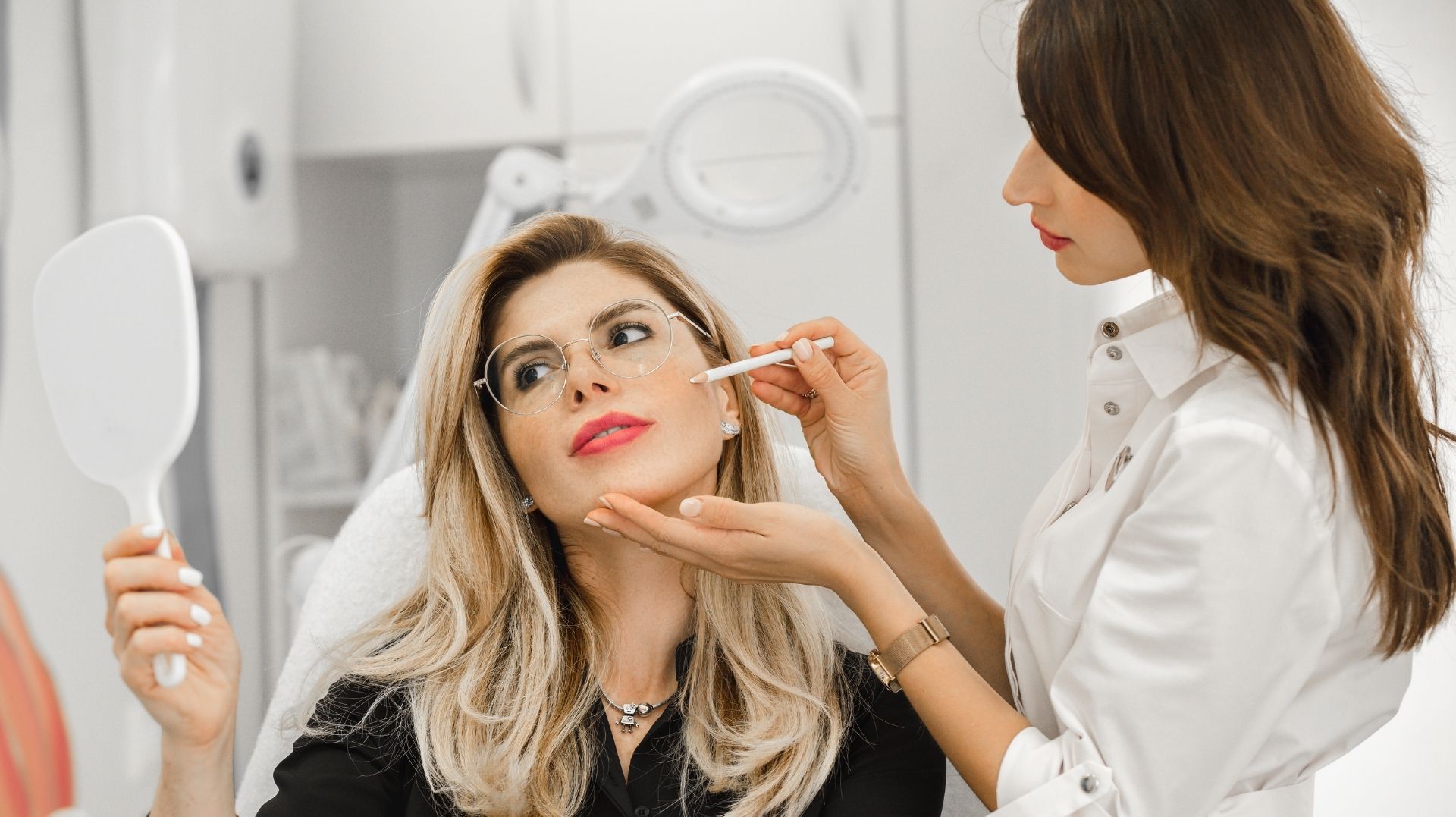
If stretch marks are a cosmetic concern for you, whilst consultations at Wellclinic it is possible to assess their type and severity and discuss the available treatment options. We carry out the procedures at Wellclinic in Warsaw, Gdańsk and Cracow.
Sources:
- PubMed „Advances in the treatment of stretch marks across all skin types: a comprehensive review of therapeutic approaches"
https://pmc.ncbi.nlm.nih.gov/articles/PMC12799299/ - PubMed „Advances in the Treatment of Striae Distensae"
https://pmc.ncbi.nlm.nih.gov/articles/PMC12820439/ - PubMed „Therapeutic targets in the management of striae distensae: A systematic review"
https://pubmed.ncbi.nlm.nih.gov/28551068/ - PubMed „Striae Distensae: Scars without Wounds"
https://pubmed.ncbi.nlm.nih.gov/34181606/ - PubMed „Striae distensae: a comprehensive review and evidence-based evaluation of prevention and treatment"
https://pubmed.ncbi.nlm.nih.gov/24125059/ - PubMed „A Systematic Review of the Treatment Outcomes of Striae"
https://pubmed.ncbi.nlm.nih.gov/38452322/ - Cleveland Clinic „Stretch Marks"
https://my.clevelandclinic.org/health/diseases/10785-stretch-marks

Frequently asked questions
Stretch marks are a permanent structural change in the skin, as they involve damage to the collagen and elastin fibres in the dermis. This means that they are not merely a superficial cosmetic defect, but a form of micro-damage to the deeper layers of the skin. For this reason, it is not possible for them to disappear completely on their own. Over time, however, their appearance may change – they become lighter in colour, less visible and stand out less clearly against the surrounding skin.
In the early stages, when stretch marks are red or purple in colour, there is greater potential to improve their appearance, as the biological processes are still active. At a later stage, when they turn white, they become more stable and resemble atrophic scars, which means they are less likely to heal spontaneously.
Modern methods, such as laser therapy, microneedle radiofrequency and microneedling, help to stimulate collagen production and improve the skin’s structure. As a result, stretch marks may become shallower, narrower and less visible, although the aim of the treatment is not to „remove” them completely, but to improve the quality and structure of the skin as much as possible.
The visibility of stretch marks does not depend solely on the stretching of the skin itself, but primarily on its biological structure. In some people, collagen and elastin fibres are naturally weaker or less organised, which is due to genetic factors. This means that the skin is less able to cope with sudden changes in tissue volume. Hormonal differences also play a role – particularly levels of oestrogen and cortisol, which influence the skin’s repair processes. In people with a predisposition, stretch marks may be deeper, wider and more permanent even at an early stage. Furthermore, the thickness of the skin in different parts of the body plays a significant role – for example, the skin on the abdomen and thighs is more susceptible to damage than the skin on the back. As a result, in some patients, the stretch marks are more visible and more difficult to treat without therapies that stimulate collagen remodelling.
Before stretch marks become visible, subtle changes occur in the skin’s microstructure. The collagen and elastin fibres weaken, losing their cohesion and elasticity. During this period, the skin may react with a feeling of tightness, itching or a slight stinging sensation. This is a sign that the tissues are under strain and are beginning to lose their ability to adapt. At this stage, the process is still partially reversible, as the skin’s structure has not been permanently damaged. This is precisely why early skincare intervention and improved hydration can significantly reduce the risk of permanent changes. Once the fibres break, the process becomes irreversible and progresses to the stage of permanent stretch marks.
Stretch marks are very often regarded solely as a cosmetic flaw, but in reality they may also indicate hormonal imbalances. Cortisol is of particular significance; elevated levels of this hormone weaken the skin’s structure by inhibiting collagen synthesis. In practice, this means that the skin becomes thinner, less elastic and more prone to damage, even with minor changes in body weight. Equally important are fluctuations in oestrogen levels, which are responsible for maintaining proper hydration and elasticity of the tissues. In some patients, stretch marks may be one of the first visible signs of endocrine disorders, particularly when they appear suddenly and in unusual locations. In such cases, it is worth paying attention to other symptoms, such as fatigue, fluctuations in body weight or a deterioration in skin condition.
Yes, in some cases stretch marks may become more visible over time, particularly if the skin continues to be exposed to factors that put it under strain. Although the marks themselves enter a white phase and become less biologically active, their structure remains weakened. If there are further fluctuations in body weight, pregnancy or intense muscle growth, stretch marks may widen or appear in new areas. Without treatment, they will not „reverse”, as the damage to the dermis is permanent and requires regenerative stimulation.
Stretch marks are not a condition limited to a single stage of life, although there are periods when they occur significantly more frequently. This is due to the combination of three factors: intense hormonal changes, rapid fluctuations in body weight, and an increased rate of tissue remodelling. The most characteristic periods are puberty, pregnancy and phases of rapid body shape changes associated with dieting or strength training. In these situations, the skin is particularly vulnerable to strain, as the collagen and elastin fibres cannot keep up with the changing volume of the tissues.
This does not, however, mean that stretch marks can only appear during these „typical” periods. In clinical practice, they are also observed in adults who are not experiencing rapid changes in body weight but have poor skin quality. Factors such as genetically determined collagen structure, chronic stress, hormonal imbalances or long-term use of medicines affecting skin metabolism play a role here. With age, there is also a natural decline in tissue elasticity, which increases susceptibility to micro-damage even under minor strain.
Consequently, stretch marks are not a phenomenon associated with a specific age, but rather with moments when the skin loses its ability to adapt to the changes taking place in the body. It is precisely the relationship between the rate of change and the skin’s ability to regenerate that determines whether they develop.
Stretch marks may give the impression that they appear „suddenly”, but in reality their development is a gradual process taking place in the deeper layers of the skin. The absence of previous changes in body weight does not rule out their formation, as the key mechanism is not solely the stretching of the skin, but also the weakening of the structure of collagen and elastin fibres. If the skin loses its mechanical strength, even slight changes in tissue volume can lead to micro-damage, which over time develops into visible linear marks.
Hormonal factors play a significant role, particularly cortisol, which slows down collagen synthesis and impairs regenerative processes. Under such conditions, the skin becomes less resilient to everyday stresses, and stretch marks may become visible within a short time, even though the process of their formation had already begun earlier. Furthermore, genetic predisposition and the quality of microcirculation, which affects tissue nourishment and repair capacity, are also significant factors.
In practice, this means that „sudden” stretch marks are merely the moment they become visible on the skin’s surface, not the start of the process. Therefore, the absence of changes in body weight should not preclude their diagnosis or prevention.
Yes, stretch marks can develop even in people who lead a healthy lifestyle, watch what they eat and look after their skin regularly. This is because the main mechanism behind their formation is not the surface condition of the skin, but the processes taking place in its deeper layer – the dermis. It is there that the collagen and elastin fibres, which are responsible for the mechanical strength of the tissues, become weakened and broken.
Even the best external skincare has a limited effect on these structures, as creams and lotions mainly act on the epidermis. However, if factors within the body contribute to skin weakening – such as genetic predisposition, hormonal fluctuations, rapid muscle growth or natural age-related losses in elasticity – micro-tears may occur, leading to stretch marks.
The rate of change taking place within the body is also significant. The skin may appear „healthy” in visual and skincare terms, but at the same time fail to keep pace with the remodelling of its collagen structure. In such cases, a discrepancy arises between the tissue’s resilience and the mechanical stress it is subjected to, resulting in the formation of stretch marks.
Therefore, even with a healthy diet and proper skincare, it is not possible to completely eliminate the risk of them occurring – one can only minimise this risk by supporting the skin’s elasticity and stabilising internal factors.



 +48 600 100 177