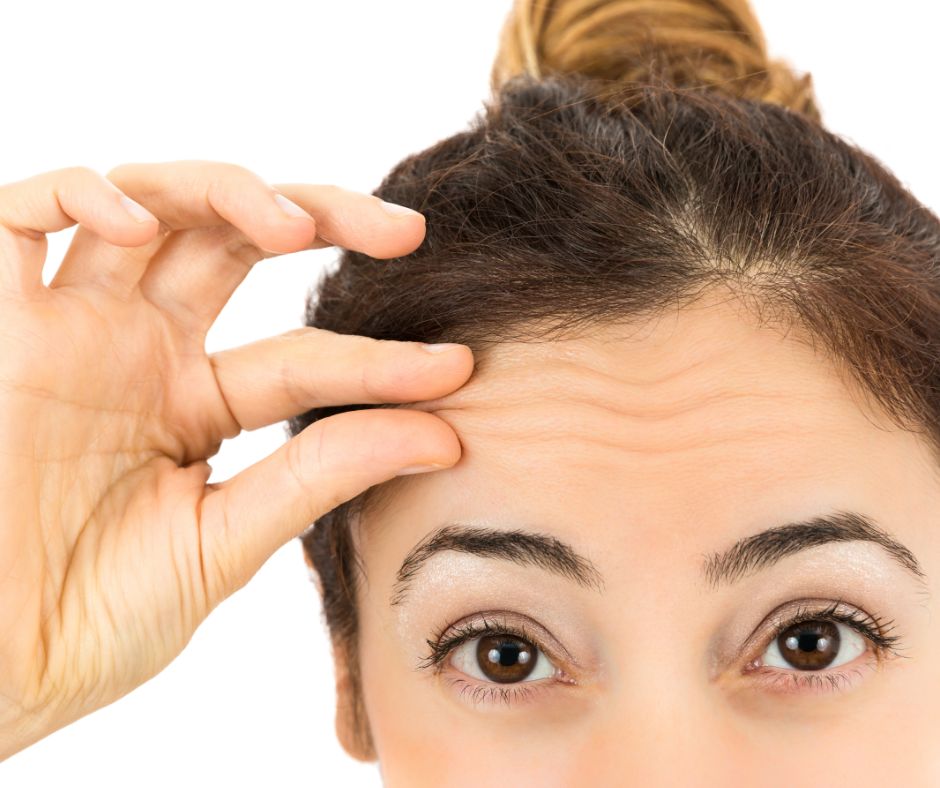
Sleeping wrinkles These are furrows and creases in the skin that develop or become more pronounced as a result of prolonged pressure on the face whilst sleeping. They most commonly affect the part of the face that is in direct contact with the pillow. They may appear, for example, around the eyes, cheeks and mouth, and may also deepen nasolabial furrows or so-called crow’s feet. Unlike other types of wrinkles Their formation is primarily linked to mechanical pressure and deformation of the skin.
Initially, sleep lines are usually most visible in the morning and become less noticeable over time. However, as we age and the skin loses its elasticity and ability to quickly return to its original shape, they may become permanently set. Their visibility is also increased by dryness and dehydration of the skin, which is why special care is required dry skin.
To minimise the formation of sleep lines, it is worth ensuring your skin is properly moisturised, as well as maintaining a regular skincare routine and good sleep hygiene. In your daily skincare routine, you can incorporate anti-ageing ingredients such as retinol. The following factors are also important for skin firmness and elasticity: collagen and elastin.
Sleeping on your back may also help, as this reduces the pressure of the pillow on your face. In the case of established changes, you may wish to consider treatments used to removal of wrinkles or wider facial rejuvenation.