
 Katarzyna Pawłowska
 15.10.2026
 Table of contents
You can reduce your waistline, tone your love handles and improve the shape of your thighs. But what will happen to your figure a few months later? Will, after laser liposuction The fat returns, and the results of the treatment fade as weight is gained
Non-invasive laser liposuction It does not work in the same way as surgical liposuction.
If you’ve been trying to get rid of it for a long time localised fat, if your body isn’t responding to diet and exercise in the way you’d expect, it’s worth finding out about the possibilities and limitations of body sculpting. Find out what the research says and what really determines whether you can maintain your results.
Surgical versus laser liposuction - the differences that matter
Surgical liposuction involves the mechanical removal of fatty tissue through small incisions in the skin. Depending on the technique, the doctor may also use laser energy to help loosen the tissue before it is suctioned out. This is invasive procedure, which requires medical assessment and an appropriate period of recovery.
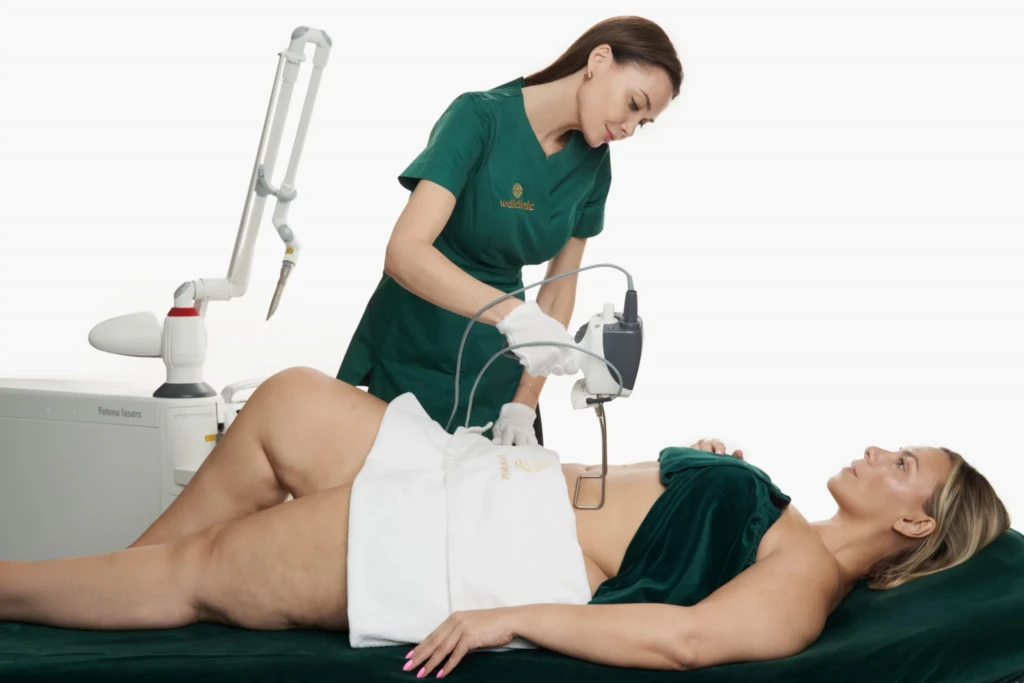
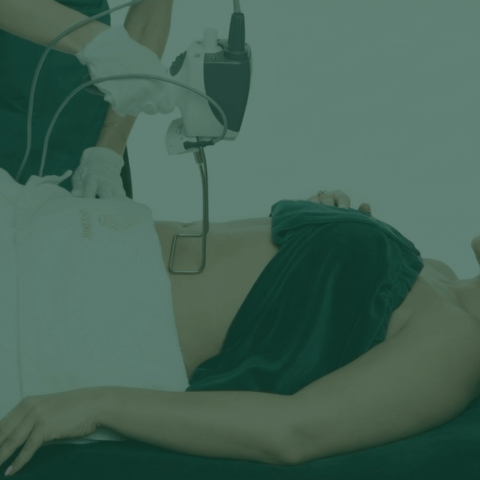
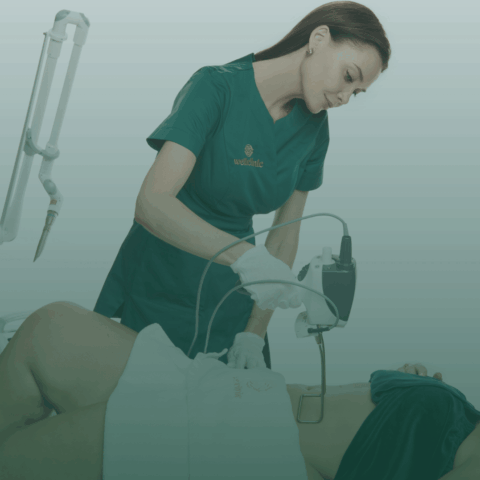
Non-invasive laser liposuction works differently. The laser energy acts on the tissues without making any incisions in the skin and mechanical fat removal. The aim of the procedure may be reduction in localised fat deposits and improved skin firmness. The range of possible effects depends on the technology used, the parameters of the procedure and the individual’s response.
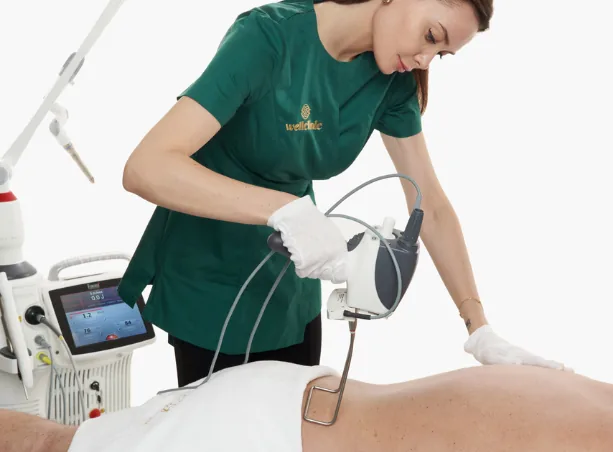
At Wellclinic, you can laser body contouring the technology is used Fotona TightSculpting, combining the effects of lasers Nd:YAG i Er:YAG. The treatment is designed to improve body contour and skin firmness without surgical fat removal.
Does the fat come back after liposuction?
After non-invasive laser liposuction Adipose tissue may increase in volume again. A body-contouring treatment does not cause the body to lose its ability to store energy.
After treatment, the following may be observed a reduction in the circumference of the treated area and an improvement in its contour. However, this does not mean that the result will remain the same regardless of any subsequent changes in body weight.
If you put on weight, fat cells may increase in volume. Changes may also be visible in the area that has undergone treatment. The extent of these changes depends, amongst other things, on the amount of weight gained, your body’s predisposition and the technology used.
Non-invasive laser liposuction It does not involve the mechanical removal of fat tissue. It cannot therefore be automatically assumed that all fat cells in the treated area have been permanently removed.
What do studies say about the effects of laser body contouring?
Research findings show that non-invasive laser technologies can reduce body measurements.
In a systematic review published in 2025 in the journal Lasers in Medical Science Three randomised clinical trials involving a total of 160 participants were analysed.
The authors noted favourable changes in waist and hip circumference in the treatment groups compared with the control groups. In two studies, the improvement was still evident at a follow-up two weeks after the end of treatment.
What does this mean for the patient? The research provides grounds for concluding that laser body-contouring methods improve body measurements.
How long do the results of laser liposuction last?
There is no set period after which the results are bound to disappear. Nor is there any guarantee that your figure will remain unchanged for the rest of your life.
The durability of the effects is primarily influenced by:
- Weight stability - significant weight gain may alter the contour of the treated area.
- Initial body fat mass - what matters is the area being treated and the nature of the localised fat deposits.
- Skin elasticity - A reduction in body fat does not always result in the skin tightening sufficiently.
- Age and individual predispositions - Tissues change over time, even when body weight remains stable.
In practice, it is advisable to assess the result on the basis of measurements taken under comparable conditions, rather than solely on the basis of appearance immediately after the procedure. A final assessment takes time and requires the specialist’s recommendations to be taken into account.
Why might your figure look different a few months after the procedure?
Changes to body shape This does not always mean that all the fat has returned. The appearance of the tummy, thighs and love handles is also influenced by skin tone, muscle mass and natural changes taking place in the body.
Imagine that, following the procedure, your waist measurement decreases and your clothes fit better. After a few months, your body weight remains roughly the same, but your skin no longer looks the same. This may be due to its elasticity and the way the tissues react to the previous change in volume.
The opposite situation is also possible: your body measurements remain smaller, even though you don’t notice any dramatic change in the photos. That is why The body-contouring effect should be assessed in terms of both measurements and the quality and firmness of the skin.
The method of measurement is also important. Circumference can vary depending on hydration levels, bloating, the time of day and how the tape measure is applied. A single reading does not always reflect an actual change in body fat.
Patient reviews and makeovers - what should you look out for?
Patient feedback can help us understand how the treatment is progressing, the experience during the treatment and the assessment of the results from the perspective of a specific individual.
It is worth paying attention to three elements:
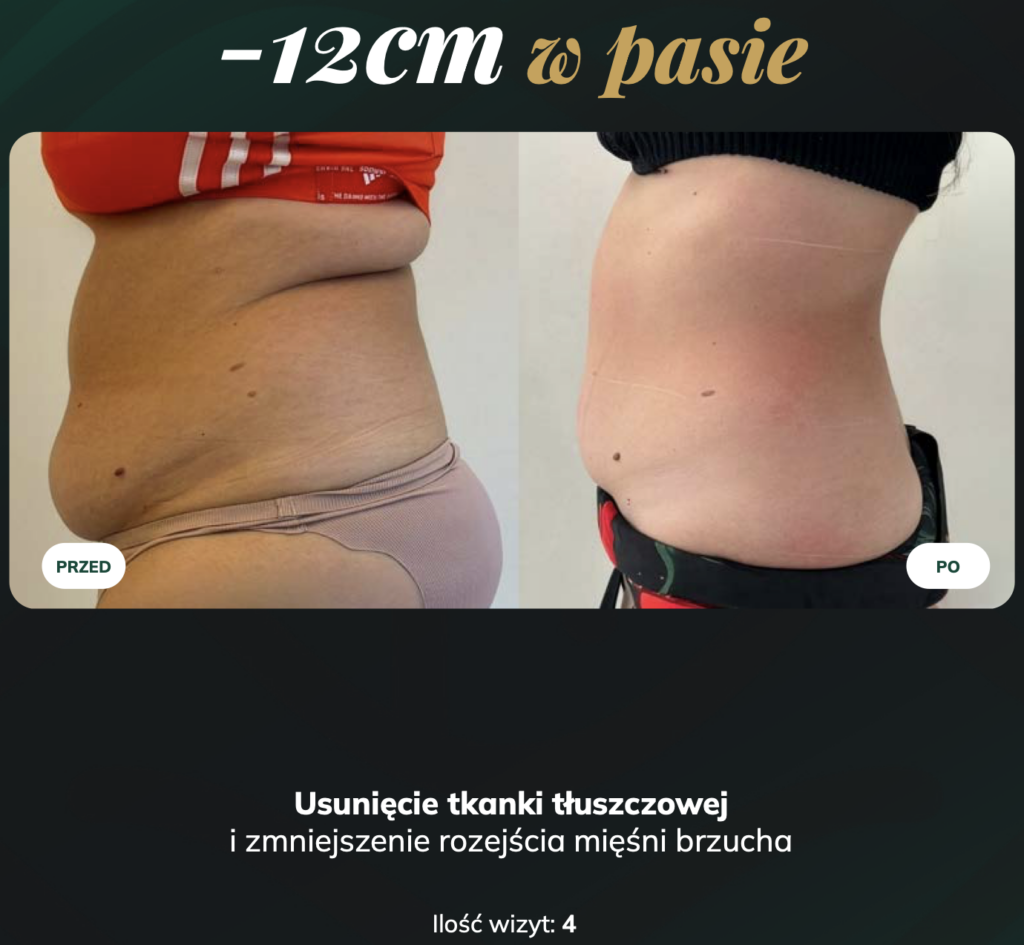
- Before and after photos - ideally taken under similar lighting conditions, with the same body posture and at the same distance from the camera.
- Observation period - Photographs taken immediately after completing a series do not show what the figure looks like after a few months.
- Information on the course of treatment - the number of treatments, the area treated, the technology used and any changes in body weight.
How can you maintain the results of laser liposuction?
You don’t need to follow a strict diet or give up all your pleasures. What matters most are the habits you can stick to on a day-to-day basis.
1. Make sure you eat a balanced diet. Regular meals, an adequate intake of protein, vegetables, fruit, whole grains and healthy fats help ensure the body receives the right nutrition. It is not about short-term restrictions, but about a way of eating that supports the maintenance of a stable body weight.
2. Make exercise a regular part of your routine. Physical activity helps with weight management and maintaining muscle mass. It is a good idea to combine aerobic exercise with resistance training, tailored to your abilities and state of health.
3. Keep an eye on the changes without obsessively checking your appearance. If you notice a gradual increase in weight or a change in your waist measurement, take a look at your habits and the possible causes. You don’t need to measure yourself every day. A regular, relaxed assessment is enough.
4. Take your skin’s condition into account. If, after reducing body fat, sagging skin remains an issue, it is worth discussing with a specialist the methods available to improve skin firmness. Not every body-contouring treatment addresses all the needs of the tissues at the same time.
5. Follow the post-treatment instructions. Preparation for and aftercare following the procedure depend on the specific technique used. Before your appointment, ask about possible side effects, restrictions on physical activity and skin care.
When should you consider laser liposuction?
If the problem is localised fat deposits, a body-contouring treatment may be one of the options to consider. However, it will not be suitable for everyone.
First of all, it is worth establishing what determines the appearance of a particular neighbourhood - localised fat tissue, skin flaccidity, cellulite or a combination of several factors. Each of these problems may require a different approach.
During your consultation, ask about how the device works, the expected results, any contraindications and possible side effects. Also find out how many treatment sessions may be required and how long the effects are likely to last.
Non-invasive body contouring It is not a treatment for obesity, nor is it a substitute for weight loss where this is medically indicated. Its aim is to improve the appearance of specific areas of the body.
„Patients often come to us not because they want to lose a significant amount of weight, but because, despite dieting and physical activity, there remains one specific area that disrupts the proportions of their figure. In such cases, the most important thing is to plan the treatment precisely and preserve the body’s natural appearance. It is not about changing one’s figure at any cost, but about sculpting it harmoniously.” says Sara Suszek, beautician at Wellclinic.
A consultation before laser liposuction - where to start?
If you are considering abdominal sculpting, bacon, thighs or shoulders, start by assessing your needs. During your consultation at Wellclinic, you can discuss your expectations, the condition of your skin and the possibilities offered by the available technologies.
Only after assessing the condition of your skin and the amount of body fat do we select the parameters for the laser liposuction procedure and determine whether this method will achieve the desired result. If we decide that a different technology would be a better option, we will tell you so straight away. If you are keen to sculpt your figure and want to know how to minimise the risk of losing the results you have achieved, book a consultation at Wellclinic. Together, we’ll draw up a plan tailored to your needs, your skin’s condition and the goal you wish to achieve.
Sources:
- Mustafa G.A. et al. "Low-level laser therapy for reducing body circumferences: a systematic review, *Lasers in Medical Science*, 2025.„
https://pubmed.ncbi.nlm.nih.gov/41423522/ - U.S. Food and Drug Administration, "Non-invasive body contouring technologies." https://www.fda.gov/medical-devices/aesthetic-cosmetic-devices/non-invasive-body-contouring-technologies
- U.S. Food and Drug Administration, "Aesthetic (Cosmetic) Devices."
https://www.fda.gov/medical-devices/products-and-medical-procedures/aesthetic-cosmetic-devices - PubMed Caruso-Davis MK et al.
„Efficacy of low-level laser therapy for body contouring and localised fat reduction”. Obesity Surgery, 2011."
https://pubmed.ncbi.nlm.nih.gov/20393809/ - PubMed: Jackson RF et al. „Application of low-level laser therapy for non-invasive body contouring”. *Lasers in Surgery and Medicine*, 2012."
https://pubmed.ncbi.nlm.nih.gov/22362380/ - PubMed Mustafa GA et al. „Low-level laser therapy for reducing body circumferences: a systematic review”. Lasers in Medical Science, 2025."
https://pubmed.ncbi.nlm.nih.gov/41423522/

Frequently asked questions
Laser liposuction works in the same way for both women and men, as the mechanism for reducing fat tissue and stimulating collagen does not depend on gender. However, there are differences in the distribution of fat and in aesthetic expectations.
In women, the thighs, hips, abdomen and arms are most commonly problematic areas, whilst in men, the abdomen, love handles and chest area are the main areas of concern. For this reason, the treatment plan is always tailored to the patient’s individual anatomy.
The effects include body contouring for women and men, reduction in localised body fat and improving body proportions, regardless of gender.
It is worth noting that men often opt for the treatment because of their faster metabolism of visceral fat and their desire to achieve a more athletic appearance, whilst women focus on subtly slimming their figure.

 +48 600 100 177