
 Katarzyna Pawłowska
 16.10.2026
 Table of contents
Cellulite It doesn’t always disappear, even if you exercise regularly, watch what you eat and maintain a healthy weight. The characteristic dimples on the thighs, buttocks or stomach may persist despite exercise, as their cause is not solely down to excess body fat. Microcirculation, fluid balance, the structure of subcutaneous tissue and the condition of collagen fibres also play a role.
Therefore cellulite treatments They should address a specific problem. In one case, the aim will be to reduce swelling and improve lymphatic flow; in another, to firm the skin or target localised fat deposits. Not every technology works in the same way. Making the right choice requires an assessment of the type of cellulite, the severity of the condition and the patient’s individual needs.
In cosmetology and aesthetic medicine, the following are used, amongst other things: endermology, microwaves, shockwave therapy, carboxytherapy, mesotherapy and radiofrequency. Each of these methods has a different mechanism of action, indications and limitations. Find out which options are worth considering and what you can realistically expect from the treatment.
Why doesn’t cellulite go away despite diet and exercise?
Cellulite, commonly known as „orange peel”, these are irregularities in the skin’s surface resulting from the interaction of several factors. The structure of the subcutaneous tissue plays a significant role, including the system of fibrous septa connecting the skin to deeper structures. When these septa pull the skin inwards and the surrounding adipose tissue bulges towards the surface, characteristic depressions are formed.
The appearance of the skin is also influenced by its thickness, elasticity, collagen content and changes that occur with age. Hormonal and genetic factors also play a role. Cellulite occurs in people of all body weights, including those who are slim and physically active.
It is important to distinguish between irregularities caused by the structure of the subcutaneous tissue and changes accompanied by swelling and fluid retention. In practice, these problems can occur simultaneously. Therefore, simply reducing the amount of body fat is not always enough to achieve a smoother skin surface.
Diet and physical activity help to maintain the condition of the tissues, but do not directly eliminate all the structures responsible for cellulite. That is precisely why, in certain cases, it is worth considering treatments that complement your daily skincare routine and target the specific mechanisms behind the formation of skin imperfections.
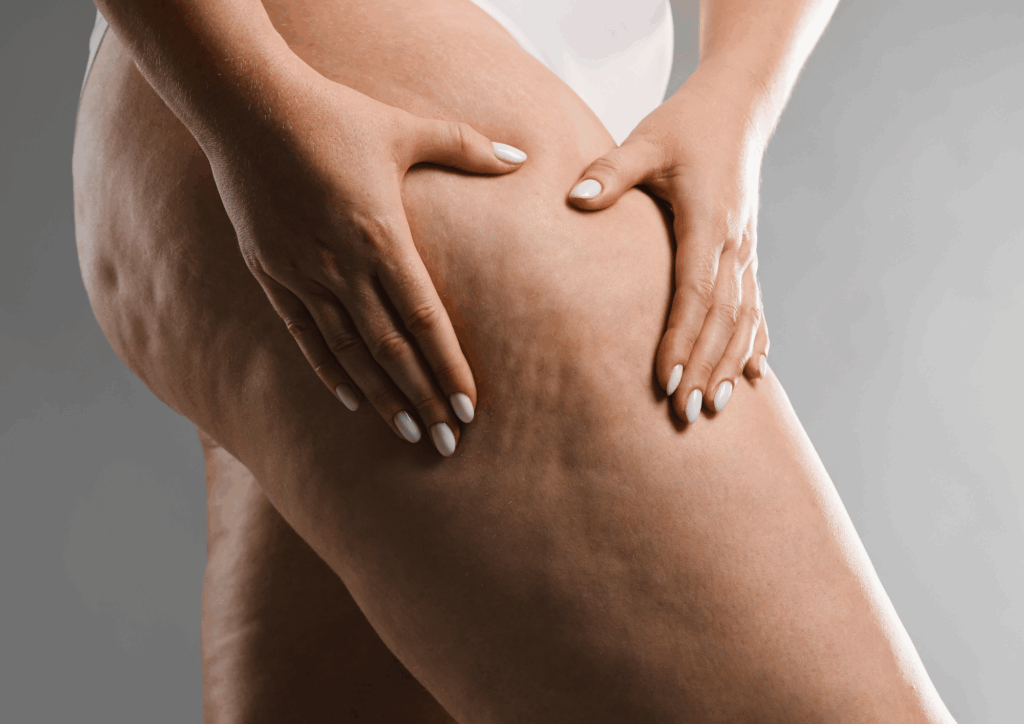
Types of cellulite – how can you recognise the problem?
Classifying cellulite helps us understand why different people may require different treatment approaches. In practice, the assessment focuses primarily on the appearance of the skin, the presence of swelling, tissue firmness and the visibility of dimples.
Fatty cellulite
Fatty cellulite It is linked to the structure of the subcutaneous tissue and the distribution of fat cells. These irregularities may be visible both when the skin is pinched and whilst standing. They often occur on the thighs, buttocks, hips and stomach.
In such cases, one might consider body-contouring technologies, including selected microwave treatments. However, their effectiveness depends on whether the problem is actually accompanied by localised fat deposits. If the main cause of the dimples is fibrous septa, fat reduction alone may not bring about the expected improvement.
Water cellulite
Term water cellulite It is commonly used to describe irregularities accompanied by fluid retention and a tendency towards oedema. The skin may appear tighter, and the legs may feel heavy.
In such situations, it is worth assessing whether there are any problems with the drainage of tissue fluid and whether there is a medical cause for the swelling. One should not automatically attribute every instance of swelling to cellulite. If it appears suddenly, is unilateral, painful or accompanied by other worrying symptoms, it requires medical assessment.
Where clinically indicated, methods that promote the flow of interstitial fluid, such as negative pressure massage, may be considered.
Fibrous cellulite
Fibrous cellulite It is associated with changes in the connective tissue septa that link the skin to the deeper tissues. When these become tighter and pull the skin inwards, characteristic indentations appear on its surface. These irregularities may also be visible without pressing on the skin, and the tissues may feel firmer and less elastic.
In this case, simply moisturising the skin or measures aimed solely at reducing body fat may not produce the expected improvement. What matters most is an assessment of the tissue structure and the mechanism behind the formation of dimples.
The choice of treatments should take into account the severity of the changes and the condition of the skin. Depending on the indications, one may consider technologies that improve skin firmness and texture, as well as methods targeting the subcutaneous tissue. It is important to bear in mind, however, that established depressions associated with fibrous partitions may require a different approach to irregularities caused mainly by oedema or the distribution of adipose tissue.
Mixed cellulite
Mixed cellulite It involves several overlapping issues, such as uneven distribution of body fat, sagging skin and a tendency to retain fluid. This is a common situation in which a single method may not address all the needs of the tissues.
In such cases, the treatment plan may incorporate more than one technique. However, the aim is not to carry out as many procedures as possible, but to ensure they are appropriately tailored. First, the primary cause of the unevenness must be identified, and then a realistic treatment goal must be set.
Popular cellulite treatments in aesthetic medicine and cosmetology
The choice of method should be based on an assessment of the skin, rather than solely on the popularity of a particular device. The patient’s state of health, any contraindications, tolerance to treatments and the expected outcome are also important factors.
Endermology – vacuum massage for cellulite and oedema
Endermologie, also known as LPG vacuum massage, utilises mechanical stimulation of the skin and subcutaneous tissue. A special handpiece draws in a fold of skin and massages it using rollers. This type of massage can promote the flow of interstitial fluid, improve microcirculation and temporarily reduce swelling.
This method is primarily considered when skin irregularities are accompanied by a sensation of heaviness in the legs or a tendency to retain fluid. Improved fluid circulation may result in a smoother appearance of the skin and a temporary reduction in the circumference of the treated area.
It is worth bearing in mind, however, that Endermology does not permanently eliminate all the causes of cellulite. The results may be temporary, and maintaining them may require regular maintenance treatments. The outcome depends, amongst other things, on the initial condition of the skin, the type of unevenness and the regularity of the treatment.
ONDA Microwaves – when is fatty cellulite a problem?
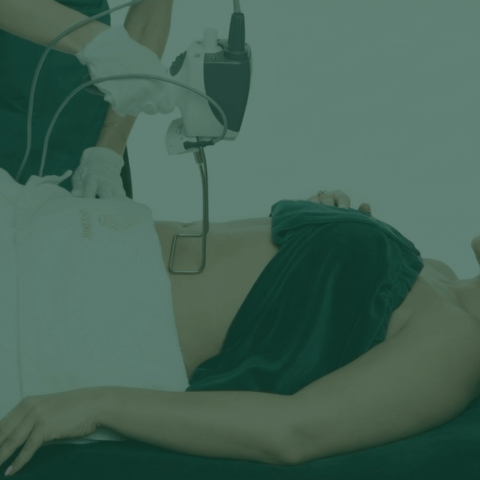
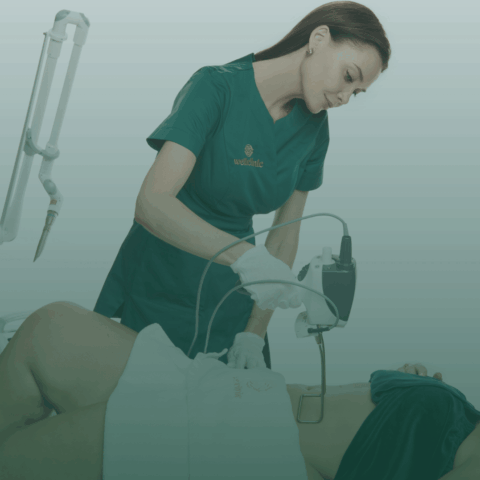
Coolwaves® microwaves, used in devices such as ONDA, are designed to target subcutaneous tissue and sculpt the body. Energy is delivered to specific areas to target localised fat deposits. Depending on the treatment head used and the parameters set, the therapy may also help to improve skin firmness.
The procedure may be considered for people who cellulite It occurs alongside localised fat deposits, for example on the thighs, buttocks or abdomen. The aim is then to improve the contour of the selected area and reduce the appearance of unevenness.
However, this does not mean that microwaves will eliminate any type of cellulite. If the dimples are primarily caused by fibrous septa pulling the skin inwards, simply reducing body fat may not be enough. Before choosing ONDA, it is therefore worth assessing whether the main problem is fat accumulation, sagging skin or structural dimpling.
Shockwave therapy – improving microcirculation and skin structure
Shockwave, also known as tAWT acoustic wave therapy, utilises mechanical pulses transmitted to the tissues via a special handpiece. These pulses can support microcirculation, influence the mechanical properties of tissues and improve the appearance of the skin’s surface.
The method is primarily used in cellulite treatment on the thighs and buttocks. It may be considered for irregularities that become more apparent when the muscles are tensed or the skin is pressed. Depending on the device and treatment protocol, the therapy may also support collagen remodelling processes.
However, it is worth distinguishing between an improvement in the appearance of the skin and an actual reduction in body fat. Shockwave It is not a weight-loss method, and the term „breaking down fat cells” does not accurately describe how it works in every instance.
Research on acoustic wave therapy suggest that the appearance of cellulite can be improved, but the extent of the effects and how long they last depend on the method used. It should not be assumed that every patient will achieve the same result.
Carboxytherapy – supporting microcirculation in tissues
Carboxytherapy involves administering medical-grade carbon dioxide (CO₂) into specific tissues using a fine needle. The procedure triggers a local physiological response, including, amongst other things, changes in blood flow. For this reason, the method is used in certain treatments designed to improve the appearance of the skin.
In the case of cellulite, the primary aim is to improve the appearance of the treatment area and support local physiological processes. Carboxytherapy may be considered as one option within a personalised treatment plan; however, it should not be assumed that the administration of CO₂ alone will dissolve fat deposits or permanently remove skin irregularities.
The treatment may cause temporary pain, a sensation of tightness, redness and bruising. A suitably qualified specialist should assess the patient’s suitability, taking into account their state of health and any contraindications.
Evidence relating to the effectiveness of carboxytherapy The benefits in terms of reducing cellulite are limited. It is therefore advisable to discuss the possible outcomes and available alternatives before starting treatment.
Mesotherapy for cellulite – what should you know about the treatments?
Needle mesotherapy involves the administration of preparations into the skin or subcutaneous tissue, depending on the product and the indication. Various formulations are used in the treatment of cellulite, and their composition, mechanism of action and regulatory status may vary significantly.
Before choosing this method, it is worth checking carefully which preparation is to be used, what its indications are, and what evidence supports its effectiveness. One cannot assume that every substance used in mesotherapy dissolves fat tissue or improves skin texture to the same extent.
This also applies to products advertised as being intended for the treatment of cellulite, including Alidya. The mere fact that a product is available does not mean that its effectiveness has been confirmed by high-quality research for every type of condition.
Injection treatments also carry a risk of pain, swelling, bruising, inflammatory reactions and infection. Mesotherapy should not be chosen solely on the basis of the promise of quick results. What matters is the composition of the preparation, medical expertise and a realistic assessment of the possible outcomes.
RF radio waves – skin firming and smoothing out unevenness
Radiofrequency (RF) It utilises electromagnetic energy to heat the tissues. This controlled thermal effect can promote collagen remodelling, improve skin firmness and make the skin’s surface smoother. This is particularly important when cellulite is accompanied by sagging and a loss of elasticity.
Radiofrequency This may be considered in cases of cellulite accompanied by reduced skin tone on the thighs, buttocks or abdomen. The effects associated with collagen remodelling appear gradually.
The procedure should therefore be carried out by a suitably trained specialist, taking any contraindications into account.
The combination of radio waves and sound waves in cellulite treatment
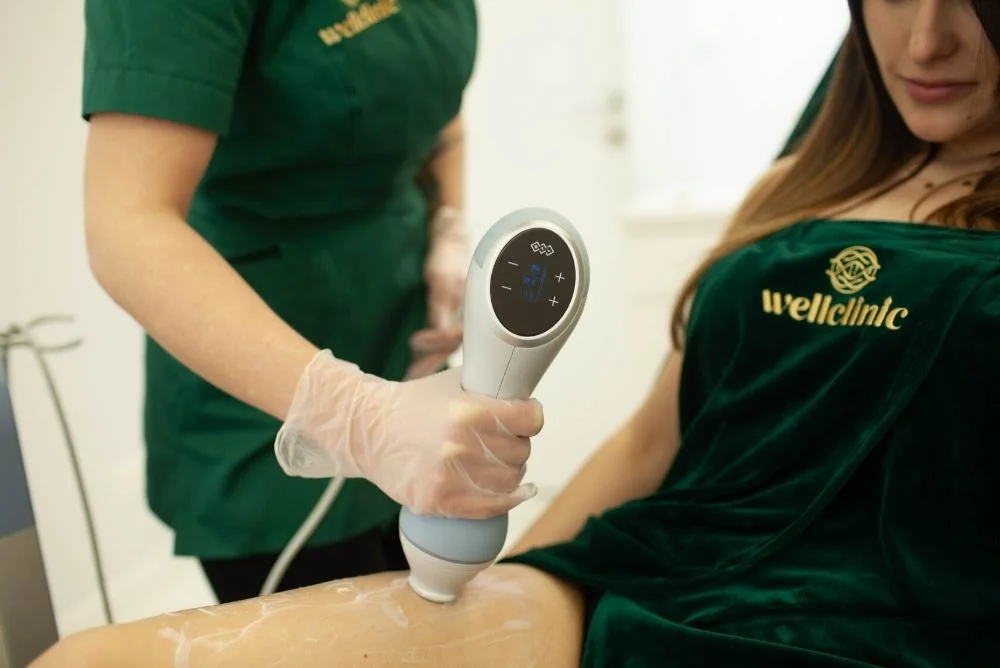
Adipose, water-based or fibrous cellulite may require a different approach, which is why the following are becoming increasingly important: technologies that affect tissues at various levels. One solution is to combine monopolar radio waves combined with acoustic waves, which enables both thermal and mechanical energy to be delivered simultaneously during a single treatment.
Radio wave It supports collagen remodelling processes, improving the skin’s firmness and elasticity. Acoustic wave It exerts a mechanical effect on the tissues, helping to improve their structure. The synergistic action of both technologies allows the treatment to be targeted at both the quality of the skin and specific characteristics of the subcutaneous tissue.
Treatments using this combination can be carried out on areas particularly prone to cellulite, such as the thighs, buttocks, stomach and love handles. The aim of the therapy is reducing the appearance of unevenness and improving skin firmness. The range of possible results depends on the type of cellulite, the condition of the tissues and individual predispositions; therefore, the choice of treatment should be preceded by a consultation with a specialist.
Which cellulite treatments should you choose?
There is no single method that works for everyone. Cellulite It may result from several overlapping mechanisms; therefore, treatment should address the underlying problem, rather than merely the visible irregularities.
- Cellulite is accompanied by oedema: You might consider endermology, which promotes the flow of interstitial fluid and may temporarily improve the appearance of the skin.
- Cellulite occurs alongside localised fat deposits: It is worth assessing the validity of using microwaves or other body-shaping technologies.
- The skin is flaccid and less elastic: Radiofrequency can help to improve skin firmness and promote collagen remodelling.
- Irregularities associated with the structure of the subcutaneous tissue are visible: One might consider using acoustic waves or other methods suited to the nature of the changes.
- Are you considering carboxytherapy or mesotherapy: First, check the indications, safety and quality of the evidence relating to a specific product or protocol.
Some technologies can be combined, but this does not mean that the more treatments there are, the better the result. The treatment plan should be based on an assessment of the skin, the patient’s state of health and the practical limitations of each method.
How many cellulite treatments are needed?
The number of treatments depends on type of cellulite, the extent of the changes and the technology chosen. In the case of non-invasive methods, a series of treatments is often used, but the duration of the series and the intervals between appointments should be in accordance with the recommendations for the specific device.
It is not worth judging the effectiveness solely on the basis of the skin’s appearance immediately after the treatment. A reduction in swelling may result in a rapid improvement, which does not necessarily indicate permanent tissue remodelling. The effects associated with collagen remodelling, on the other hand, develop gradually.
A realistic aim is to reduce the appearance of cellulite, improve skin firmness and smooth the skin’s surface. You should not promise the complete elimination of cellulite or guarantee a specific reduction in circumference. Results depend on individual circumstances and may need to be maintained.
How can you maintain the results of cellulite treatments?
A treatment at the clinic is just one part of the process. Daily habits, physical activity and changes in body weight also affect the appearance of the skin. That is why it is worth combining the treatment with measures that support the health of the tissues.
Physical activity and strength training
Regular strength training It helps build muscle and can improve the body’s appearance and tone. Aerobic exercise supports overall fitness and metabolic health. None of these methods guarantees the complete elimination of cellulite, but they can form an important part of a comprehensive approach.
Balanced diet
Balanced diet It helps maintain a stable body weight and provides the nutrients needed for tissues to function properly. It is important to ensure you consume sufficient amounts of protein, vegetables, fruit and healthy fats. However, there is no single food or diet that can eliminate cellulite on its own.
Skin care and moisturising
Regular skincare It helps to maintain the skin’s moisture levels and supports its protective barrier. Products containing moisturising ingredients can improve the smoothness of the skin’s surface, whilst certain firming cosmetics may produce moderate visual effects. However, they are no substitute for methods that act on the deeper structures of the subcutaneous tissue.
Consistency and realistic expectations
Consistency is key, both in your daily routines and in following the recommended treatment plan. It is also worth remembering that cellulite is common and can affect people who are slim, physically active and watch what they eat. It is not a sign of neglect or a lack of discipline.
The aim of the treatment should not be to strive for an unrealistically perfect complexion, but to improve its appearance to the extent that is actually achievable.
Cellulite treatments at Wellclinic – where to start?
If you want to reduce visibility cellulite on the thighs, buttocks or stomach, start by assessing your skin and identifying what is causing the unevenness.
At Wellclinic, the choice of treatment should take into account the patient’s individual needs, the condition of their skin and the treatment objectives. During the consultation, it is worth discussing the expected results, the number of sessions required, any contraindications and possible side effects. Choose a method tailored to the cause of the problem. Book a consultation at Wellclinic and find out which solution might be right for your skin.
Sources:
1. PubMed – „Cellulite: an evidence-based review”
https://pubmed.ncbi.nlm.nih.gov/25940753
2. PubMed – „Comparative Analysis of Cellulite Treatment Modalities: A Systematic Review”
https://pubmed.ncbi.nlm.nih.gov/39547984
3. American Academy of Dermatology – „Cellulite treatments: What really works?”
https://www.aad.org/public/cosmetic/fat-removal/cellulite-treatments-what-really-works
4. FDA – „Non-Invasive Body Contouring Technologies”
https://www.fda.gov/medical-devices/aesthetic-cosmetic-devices/non-invasive-body-contouring-technologies
5. PubMed – „A Clinical Guide to the Treatment of Cellulite and a Comprehensive Review of the Aetiology, Pathophysiology and Utility of Intervention”
https://pubmed.ncbi.nlm.nih.gov/38057600/


 +48 600 100 177