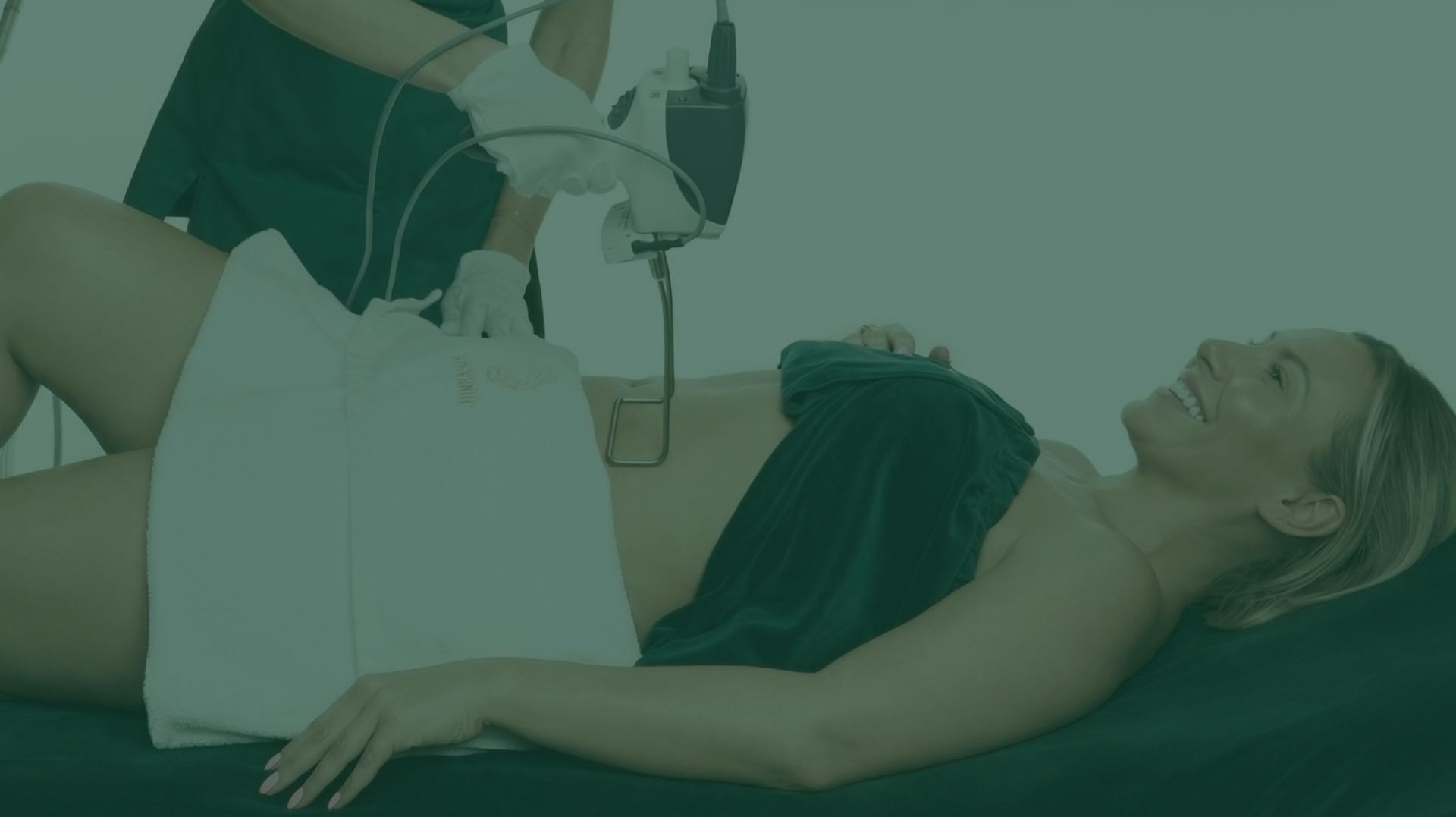

You’ll lose weight. You’ll be happy. And then the kilos might come back.
And that’s when the problem starts.
Because if you go back to your old habits once you’ve finished the diet, your body may quickly regain the weight you’ve lost. The yoyo effect It’s not just about the satisfaction of achieving your goal. Repeated cycles of losing and gaining weight may mean that, over time, it becomes increasingly difficult to maintain the figure you’ve worked so hard to achieve.
The worst thing? You could make this mistake, even if you’ve managed to lose weight this time.
How can you avoid the yo-yo effect and not end up back where you started? Not by going on another hunger strike or following an even more restrictive diet. What matters is what you do once you’ve finished losing weight – how you eat, how much you exercise, and whether the changes you’ve made will stick for the long term.
Because Losing weight isn’t the end of the process. It’s the moment when you find out whether you can actually maintain the results.
The yo-yo effect – why do the kilos come back?
The yoyo effect refers to a regain of weight following a period of weight loss. It most commonly occurs when, after finishing a diet, previous eating habits and activity levels return.
The way in which the weight loss is achieved is also very important. A very restrictive diet can be difficult to maintain over a long period. When the restrictions are lifted, it is easy to return to one’s previous eating habits, and with that, energy intake increases.
Body weight is also influenced by sleep, stress, physical activity and daily habits.
Therefore Preventing the yo-yo effect starts whilst you’re losing weight, rather than only when your weight starts to increase again.
How can you avoid the yo-yo effect after losing weight?
The most important thing is not to see the end of the diet as a return to your previous lifestyle.
Once you have reached your target weight, you need to continue with the habits that enabled you to lose weight. This does not mean sticking to a weight-loss diet. It is about adopting a way of eating that you can maintain even after you have reached your goal.
To minimise the risk of the yo-yo effect, it is worth:
- avoid very restrictive diets,
- lose weight gradually,
- engage in regular physical activity,
- ensure you get enough protein and fibre,
- limit your intake of highly processed foods,
- monitor body weight and body measurements,
- ensure you get enough sleep and rest,
- Do not go back to your old habits once you have finished the diet.
Maintaining your weight after losing weight
Maintaining your weight after losing weight requires a different approach to mere reduction. Whilst slimming The body functions under conditions of energy deficit. Once the target has been reached, energy requirements change, so there is no need to maintain the same calorie restriction.
The aim is to weight stabilisation.
It is worth keeping an eye not only on your weight, but also on your measurements and the appearance of your figure. It may also be helpful to BMI, although it does not itself show how much body fat and muscle there is in the body.
Minor fluctuations in body weight are natural. The long-term trend is more important than a single measurement.
Adipose tissue does not always disappear evenly
You can lose a few or a dozen or so kilograms and still have a problem with a specific area of your body.
Layout body fat It varies from person to person. Factors such as genetic predisposition, age, hormonal balance and lifestyle all play a part.
Therefore, once it is finished weight reduction Localised fat deposits may remain – particularly around the abdomen, hips, thighs and lower abdomen.
In such a situation, further weight loss is not always the best solution. If your body weight is already within the normal range, the problem may primarily concern your body proportions.
The tummy after losing weight – it’s not always just about fat
The stomach is one of the areas where changes following weight loss can be particularly noticeable. These changes are not always caused solely by excess fat.
After a longer weight loss The skin must adapt to the reduced volume of the tissues. If it was previously stretched significantly, it may remain less taut. In such a situation, there is skin flaccidity, which may also affect the abdomen, thighs or arms.
A person’s body shape is therefore influenced by a combination of body fat, skin condition and muscle tone.
That is an important distinction. Losing weight and body sculpting are not the same thing.
Body sculpting after weight loss
If body weight is stable but there is still localised excess body fat, reduced skin firmness or a disproportionate appearance in a specific area, one might consider body treatments aimed at fat reduction i body modelling.
They are not intended to replace a healthy diet or physical activity. However, they can enhance the effects of weight loss and allow the treatment to be targeted at a specific area.
The choice of method should be based on an assessment of the problem, rather than solely on the number of kilograms.
Laser lipolysis and localised fat deposits
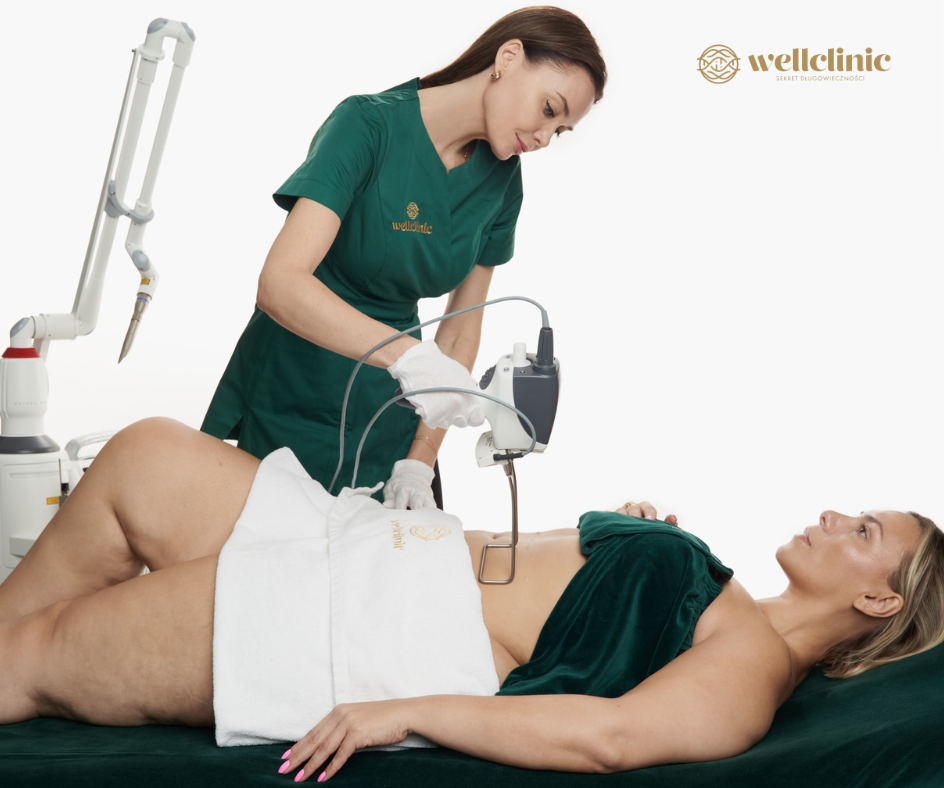
One of the methods used to treat localised fat deposits is laser lipolysis. It utilises laser energy to affect fat cells and can be used to contour specific areas of the body, including the abdomen, thighs and arms.
This option may be considered for people who no longer require general weight reduction, but they want to improve the appearance of a specific batch.
In the case of laser lipolysis treatments The diagnosis matters. First, you need to determine whether the problem actually stems from localised accumulation of fat, or whether skin laxity plays a greater role.
Skin laxity following weight loss
After losing a significant amount of weight, another problem may also be loss of skin firmness. The skin must adapt to the reduced volume of the tissues. If its elasticity is limited, it may remain looser and less firm.
Among other things, the following is significant here:. collagen – a structural protein responsible for the skin’s supportive properties. As we age, its natural production gradually decreases, which affects the firmness and elasticity of the tissues.
That is why, following weight loss, it is worth assessing not only amount of body fatj, but also the condition of the skin.
Improved skin firmness and body contour
If the main problem is no longer being overweight, but skin flaccidity, the proceedings should be focused primarily on body modelling.
One of the aims of therapy may be collagen regeneration. Stimulating the skin’s natural regeneration processes can help improve its elasticity and firmness. It is worth making this clear: Body-contouring treatments do not prevent the yo-yo effect.
They are not a substitute for a healthy diet, physical activity or other factors involved in maintaining a healthy weight. If the reason for regaining weight is a return to previous habits, the procedure will not stop this process.
The situation is different when body weight has already been stabilised, and the problem is limited to a specific area of the body. In that case, a suitably chosen treatment programme can be an additional element of your fitness regime.
How can you maintain your weight-loss results for years to come?
Maintaining a stable weight does not require constant weight loss. You need an approach that you’ll still be able to stick to in a year’s time or five years’ time. That’s why, once you’ve finished losing weight, it’s worth continuing to:
- eat regularly,
- control the size and composition of meals,
- stay physically active,
- monitor body weight,
- respond to a sustained increase in weight,
- look after your sleep and recovery,
- avoid a return to extreme restrictions.
It’s also worth taking action early on. It’s easier to correct a minor change than to go through a long and demanding reduction process all over again.
The yo-yo effect doesn’t necessarily mean failure
Putting the weight back on doesn’t mean that your weight loss attempt failed. It means that something in the process didn’t work well enough to maintain the results. And that is exactly what you need to find out before you start another diet.
Was the problem that the deficit was too large and the pace of growth too fast? weight loss? A return to your old habits as soon as you reached your target weight? A lack of regular exercise? Or perhaps you didn’t have a plan for when the diet was over?
Without answers to these questions, it’s easy to get caught in a vicious circle: a diet, weight loss, regaining the weight, and then another diet. However, rather than starting all over again, it is better first to understand what is causing the problem and what needs to be changed in order to maintain the result this time.
If your weight has already stabilised, but you’re still bothered by localised excess fat despite having lost weight body fat or skin flaccidity, the problem may be something else entirely. Losing more weight won’t always improve the appearance of a particular part of the body.
Don’t keep trying to lose weight indefinitely if your weight is no longer the problem.
Book a consultation at Wellclinic and find out what really determines the appearance of your figure. During the consultation, we assess your skin condition, the distribution of body fat and your body proportions in order to select a treatment plan that suits your current needs.