
 Katarzyna Pawłowska
 18.09.2026
 Table of contents
A long life does not always mean a good life. You can live to a ripe old age, yet lose your fitness, energy and independence much earlier.
That is why longevity increasingly means more than just the number of years lived. It is about maintaining physical and mental fitness, good health, independence and quality of life for as long as possible.
There isn’t just one the secret to a long life. No single supplement, diet or treatment can guarantee it. The ageing process is influenced by many factors - from genes, through diet and physical activity, to sleep, stress, the environment and preventive healthcare.
Longevity - what does it actually mean?
Longevity is the body's ability to remain physically and mentally fit for a long time, often exceeding the average life expectancy.
It is influenced by a number of factors, including genetics, lifestyle, diet and the environment. The secret to a long life It has intrigued scientists and doctors for centuries, and modern medicine is gaining an ever-better understanding of the mechanisms involved in the ageing process. A healthy diet rich in antioxidants, regular physical activity and adequate recovery can help the body maintain good health and vitality. The quality of sleep, proper hydration and preventive healthcare are also of great importance.
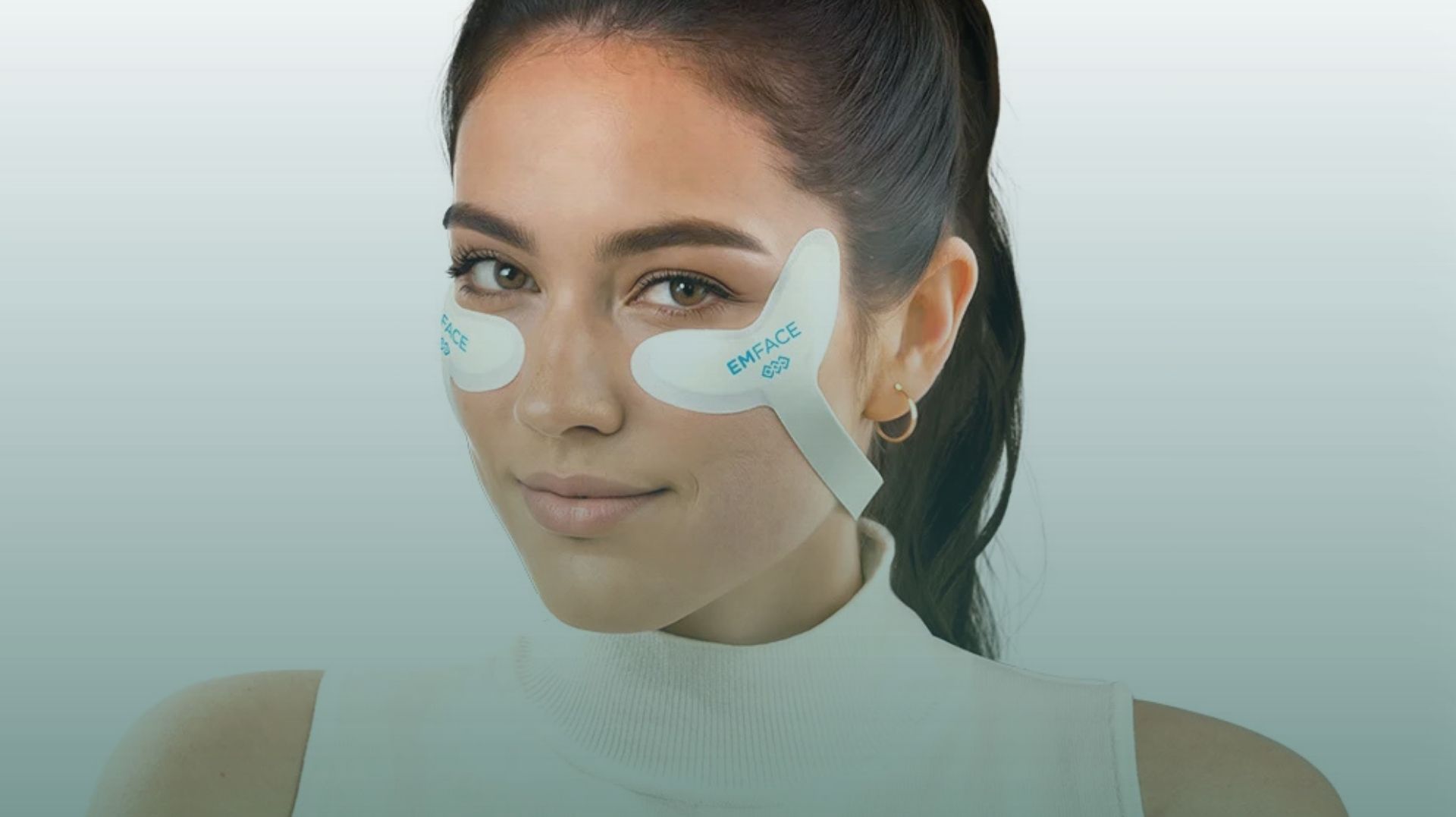
Longevity It is seen as the result of a conscious and comprehensive approach to looking after one’s body. It encompasses both maintaining one’s physical fitness and appearance, and taking steps to preserve the skin’s health. Facial treatments They enable you to take comprehensive care of your skin’s condition, helping to maintain its firmness, elasticity and healthy appearance as time goes by.
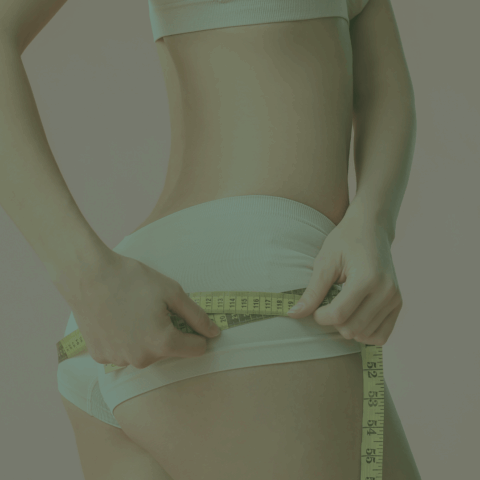
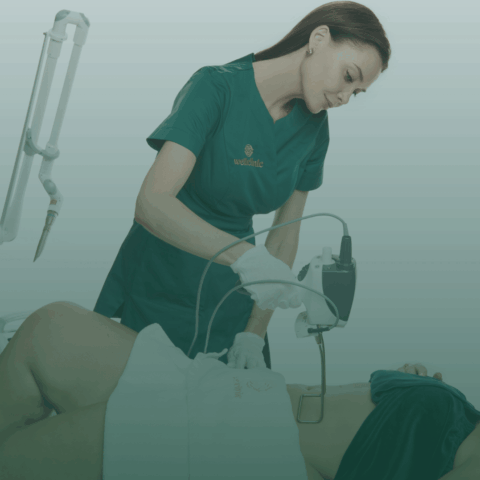
Looking after your body is just as important. Body treatments These include solutions aimed, amongst other things, at improving skin condition, body shape and overall well-being. This comprehensive approach is complemented by modern body-shaping technologies, which enable activities to be tailored to individual needs.
The ageing process is a natural stage of life, but the choices we make every day can affect our physical well-being and quality of life. That is precisely why longevity It is worth considering this in broader terms than simply as a means of prolonging life - as a conscious effort to maintain fitness, appearance, well-being and the highest possible quality of life in the years to come.
What determines longevity?
We cannot control everything. Genes influence our predisposition to many diseases and the way our bodies respond to the ageing process. However, this does not mean that our lifespan and quality of life are determined by our DNA.
Everyday decisions are also important.
Factors influencing longevity include, amongst others:
- diet,
- regular physical activity,
- the quality and duration of sleep,
- body weight,
- alcohol consumption and smoking,
- chronic stress,
- social relations,
- environment,
- prevention and regular check-ups.
None of these factors operates in isolation from the others. You can eat well but remain inactive for days on end. You can exercise regularly but suffer from chronic sleep deprivation. You can also take care of your appearance whilst ignoring basic preventive healthcare.
That is why longevity starts with one’s overall lifestyle, rather than with a single solution.
Longevity - why is it not just life expectancy that matters?
Date longevity It refers to longevity, but in practice it is increasingly used in the context of healthy ageing and maintaining fitness for as long as possible.
That is an important distinction.
Simply living longer does not in itself tell us what the final stage of life is like. From the point of view of quality of life, it is also important how long a person remains active, independent and able to carry out everyday activities.
Therefore, the approach to longevity encompasses measures relating to physical activity, nutrition, sleep, preventative care, metabolic health and maintaining fitness.
It’s not just about living longer. It’s about living more years in good health.
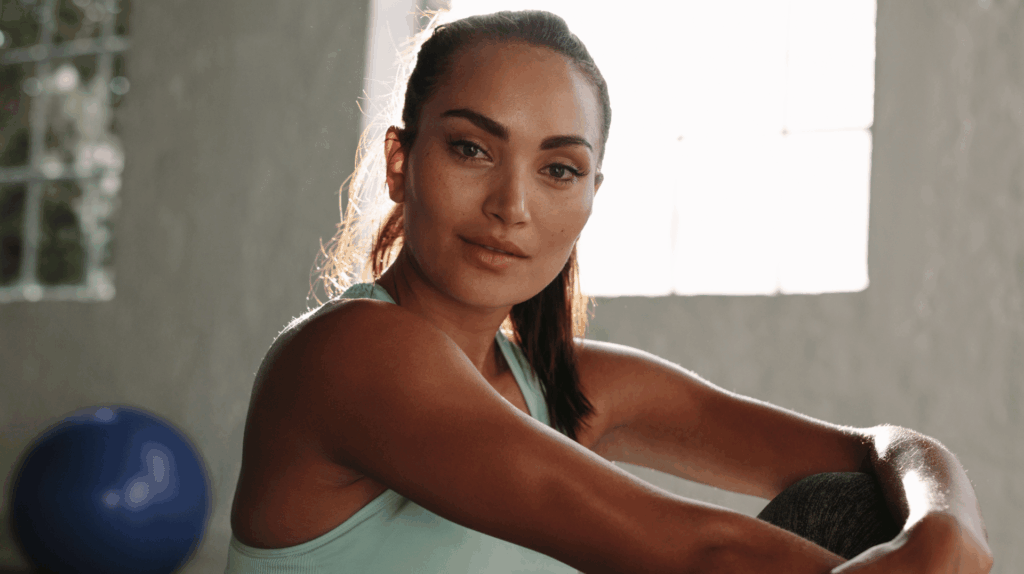
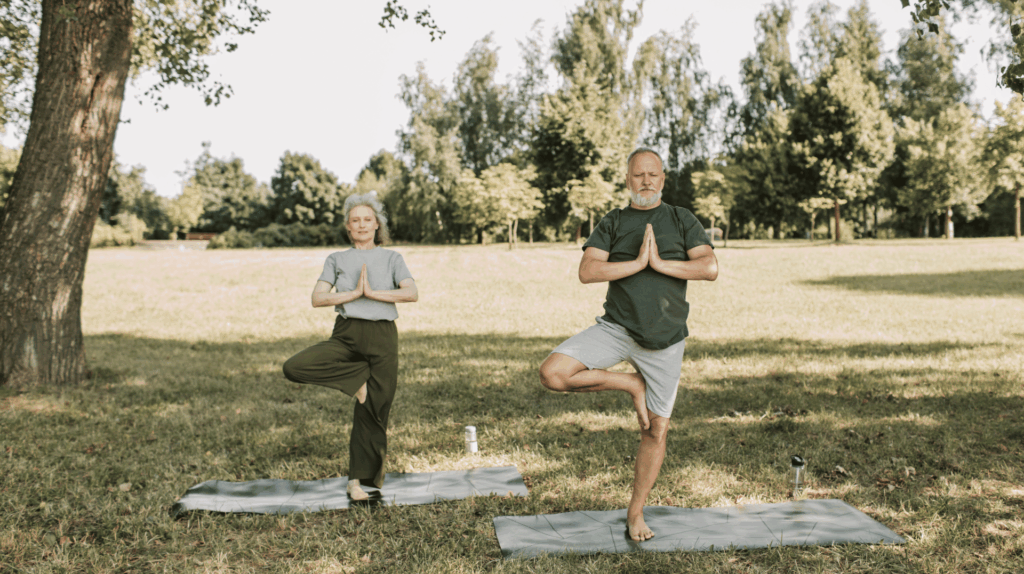
Physical activity is one of the cornerstones of healthy ageing
Muscle mass and strength naturally decrease with age. This process can progress more rapidly if one is physically inactive.
Therefore, exercise should not be viewed solely as a means of losing weight.
Resistance training helps maintain muscle mass and strength. Aerobic exercise improves fitness. Balance and coordination exercises can help maintain the physical ability needed for everyday activities.
However, there’s no need to start with major changes.
Regular walks, climbing stairs, cycling, swimming or weight-bearing exercises can become part of your daily routine. Consistency is far more important than a short burst of activity.
A diet for a long life doesn’t have to be complicated
There is no single product that guarantees a long life.
What matters far more is one’s overall diet.
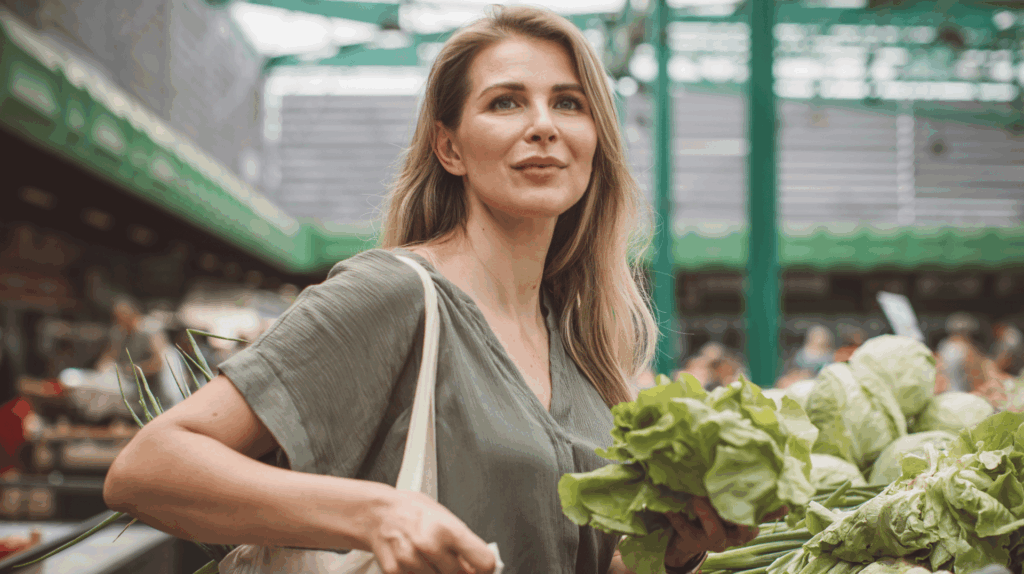
A diet that supports healthy ageing should include vegetables, fruit, whole grains, pulses, fish, nuts and seeds. It is also important to ensure an adequate intake of protein, particularly as we age, when maintaining muscle mass becomes increasingly challenging.
It is, however, worth cutting down on excessive amounts of highly processed foods, added sugars and products that are high in calories but low in nutritional value.
It’s not about the perfect diet.
It’s about a way of eating that you can stick to for years.
Sleep and recovery - the body needs time to recover
You can exercise regularly and eat a healthy diet, yet still feel constantly tired.
One possible cause may be a lack of sleep.
Sleep is necessary, amongst other things, for the proper functioning of the nervous system, the regulation of metabolic processes and the body’s regeneration. Chronic sleep deprivation can affect concentration, well-being and the functioning of the whole body.
That is why a plan for promoting longevity should also include rest.
Recovery isn’t a waste of time. It’s part of keeping fit.
Is it possible to slow down the ageing process?
The natural ageing process cannot be stopped. However, it is possible to influence some of the factors associated with it.
Factors such as protection against UV radiation, physical activity, diet, maintaining a healthy weight, sleep and avoiding smoking are all important.
In the case of the skin, the ageing process is associated, amongst other things, with a gradual decline in the production of collagen i elastins, changes in the skin’s water balance and slower tissue regeneration.
That is why the first signs of ageing should be seen not as a reason to fight against one’s own appearance, but as a sign that the skin’s needs are changing.
Longevity and skin appearance - why does the face change as we age?
Facial ageing It is not limited to the appearance of wrinkles.
The density of the skin, the amount of fat tissue, tissue tone and the distribution of volume across different areas of the face also change. Over time, the facial contour may change, sagging may occur, furrows may deepen, and the skin may become thinner and drier.
That is why the very wrinkle smoothing It does not always address the actual problem.
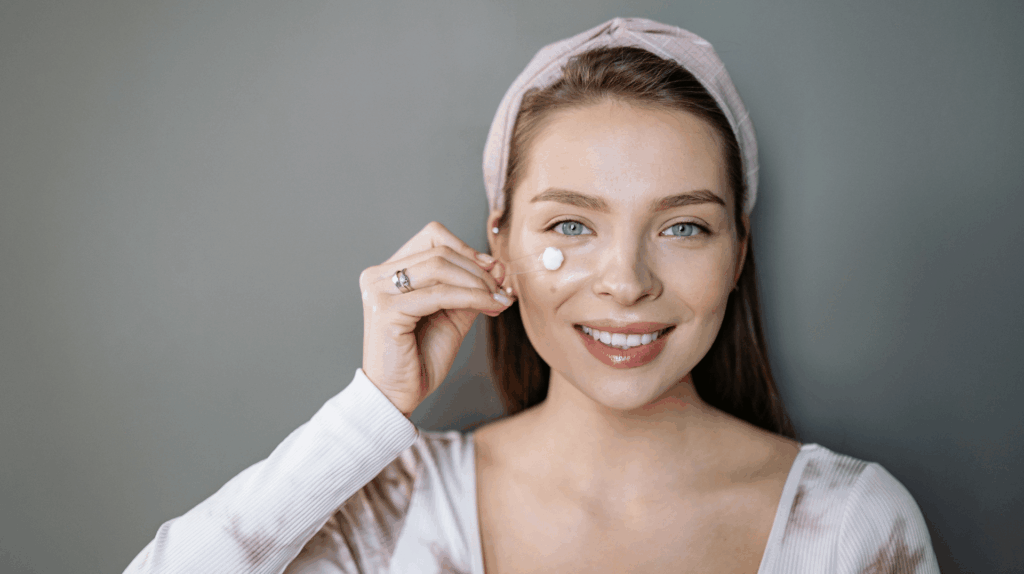
It is also very important that daily skincare. A carefully chosen cream can support the hydrolipid barrier, reduce water loss and improve the comfort of dry, dehydrated skin. Depending on the skin’s specific needs, skincare products may contain, amongst other things, moisturising ingredients, ceramides, antioxidants or retinoids.
Skincare won’t stop the ageing process, but it can help keep your skin in good condition for longer. Nor can it replace cosmetic procedures if the problem affects the deeper structures of the face.
Sometimes, improving the quality of the skin is more important. At other times, it is necessary to restore lost volume or improve tissue firmness.
That is precisely why a skincare routine should be tailored to the skin’s specific needs, rather than simply to the patient’s age.
Facial treatments They can improve the quality, firmness and elasticity of the skin, but they should be chosen based on the skin’s current condition. The same applies to skincare - a cream or active ingredient should address a specific need of the skin, rather than simply being based on age.
How should you look after your body if you want to live a long life?
Ageing isn’t limited to the face.
Over time, the appearance and condition of the skin on the body also change. Weight loss, reduced collagen levels and changes in the subcutaneous tissue can lead to a loss of firmness and increased skin laxity.
Exercise and a healthy diet remain the foundation.
Treatments should complement these routines - particularly when a specific aesthetic problem arises that cannot be resolved through skincare alone.
Health promotion - don’t wait until you have a problem
Longevity Without preventative measures, it doesn’t make much sense.
Regular check-ups and screening tests enable us to assess our health and detect some abnormalities at an earlier stage. The scope of these should be tailored to a person’s age, gender, family history and individual risk factors.
On top of that, there’s the matter of keeping an eye on your own body.
Recurrent fatigue, sudden changes in body weight, a reduced tolerance to physical exertion or other persistent symptoms should not automatically be put down to ageing. In such situations, medical advice is required.
Healthy ageing does not mean ignoring the signals your body sends you.

Is there a secret to a long life?
There isn’t just one.
If there is a common factor among people who remain fit for a long time, it cannot be attributed to a single supplement, product or treatment.
What counts is the sum of the actions taken over the years.
Physical activity. Sleep. Nutrition. Prevention. Relationships with others. Limiting the use of stimulants. Looking after your metabolic health. Addressing problems before they start to seriously affect your day-to-day life.
And also the realisation that the body changes as we get older and requires different kinds of care at different stages of life.
Longevity does not mean fighting against time
Ageing is a part of life. There’s no point in pretending you can switch it off.
However, we can ensure that we remain fit and energetic for as long as possible, and that we are able to do the things that are important to us.
It’s the same with appearance.
The aim does not have to be a wrinkle-free face or a figure identical to the one you had a dozen or so years ago. Instead, you can look after the condition of your skin, its firmness, texture and facial proportions, whilst retaining your own features.
It’s a completely different approach to ageing.
It’s not about turning back time.
The point is that time shouldn’t take away what you can still have. Because longevity It’s not about looking younger. It’s about continuing to look like yourself as the years go by.
Sources:
- World Health Organisation: „Ageing and health”
https://www.who.int/news-room/fact-sheets/detail/ageing-and-health - World Health Organisation: „Promoting physical activity and healthy diets for healthy ageing in the WHO European Region”
https://www.who.int/europe/publications/i/item/WHO-EURO-2023-8002-47770-70520 - World Health Organisation: „Nutrition - maintaining a healthy lifestyle”
https://www.who.int/europe/news-room/fact-sheets/item/nutrition---maintaining-a-healthy-lifestyle - Nature Aging: „To promote healthy ageing, focus on the environment”
https://www.nature.com/articles/s43587-023-00518-7 - American Academy of Dermatology: „11 ways to reduce premature skin ageing”
https://www.aad.org/public/everyday-care/skin-care-secrets/anti-aging/reduce-premature-aging-skin




 +48 600 100 177