
 Katarzyna Pawłowska

 28.10.2026
Raw diet It is sometimes presented as a way to cleanse the body, improve one’s well-being and lose weight quickly. Its advocates focus on fresh vegetables, fruit, nuts and seeds, whilst avoiding most heat-treated foods. But does A raw food diet helps you lose weight And is it really a good choice for everyone?
It all depends on your diet, the number of calories you consume and your body’s individual needs. A plant-based diet can provide fibre, vitamins and minerals. However, a very restrictive version of such a diet also carries a risk of deficiencies. Before you decide to make this change, find out what it involves raw diet, what its advantages and disadvantages are, and whether it is a suitable method for slimming.
Table of contents
What is a raw food diet?
Raw diet, also known as the raw food diet, is a way of eating based primarily on foods that have not undergone traditional heat treatment. Raw foodism, one of its variants, is based mainly on unprocessed plant-based foods.
The menu may include:
- raw vegetables, including tomatoes, cucumbers, peppers and carrots;
- fresh fruit, such as apples, berries, citrus fruits and bananas;
- nuts and seeds;
- seeds and sprouts;
- cold-pressed oils;
- carefully prepared vegetable smoothies and purées.
Depending on the rules followed, the diet may also allow certain animal-based products. Its most restrictive, vegan version completely excludes meat, fish, eggs and dairy products.
Supporters raw food diets They often emphasise that minimising heat treatment helps to preserve some of the temperature-sensitive vitamins. However, this does not mean that cooking always robs food of its nutritional value. In the case of certain foods, heat treatment improves the absorption of specific nutrients and aids digestion.
It is also worth remembering that the body does not need only raw food, in order to function properly. Above all, it is variety and a well-balanced diet that matter.
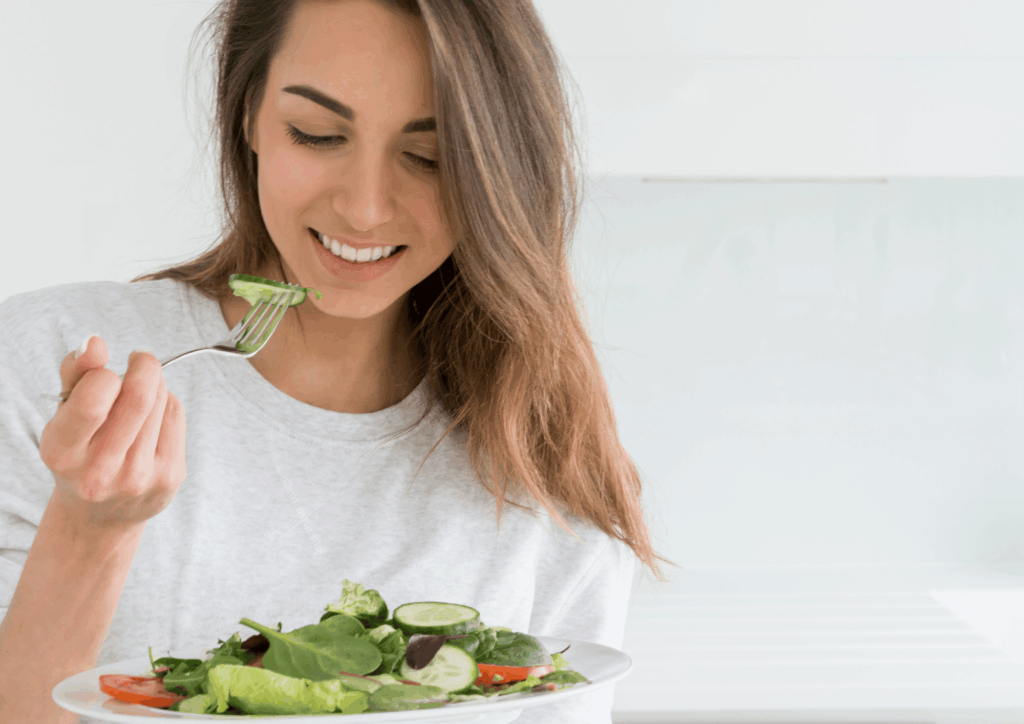
A raw food diet and weight loss – can you lose weight?
A raw food diet can lead to weight loss, but not because raw foods have any special fat-burning properties. Weight loss is primarily determined by a calorie deficit, i.e. a situation in which the body burns more energy than it takes in through food.
Vegetables and fruit contain a lot of water, and many of them are also a good source of fibre. This means that meals can be quite substantial and help to control hunger. If they replace high-calorie snacks and other foods, it is easier to limit your total calorie intake.
However, this does not mean that every raw food diet will be beneficial slimming. Nuts, seeds and oils are nutritious foods, but they are high in energy density. If eaten in large quantities, they can make it difficult to achieve a calorie deficit.
Excessive restriction of the diet can also be a problem. If the diet provides too little energy and protein, weight loss may be accompanied by muscle loss, weakness and a deterioration in well-being.
Is a raw food diet an effective way to lose weight? It may help some people, but there is no need to give up cooked foods in order to achieve a healthy weight. A balanced diet, tailored to one’s energy requirements, is usually easier to maintain over the long term.
What are the benefits of a raw food diet?
A well-planned diet based on plenty of vegetables, fruit, nuts and seeds can offer certain benefits. The most important thing, however, is what foods actually end up on your plate and whether the diet as a whole meets your body’s needs.
More fruit and vegetables in your daily diet
One of the advantages raw food diets is to increase the intake of fresh plant-based foods. Fruit and vegetables provide vitamins, minerals and antioxidants. Many of them are also a source of fibre, which supports healthy bowel function.
Fibre and appetite control
Dietary fibre can increase feelings of fullness and promote regular bowel movements. Foods rich in fibre can therefore help to control appetite, which is important when losing weight.
However, it is important to bear in mind that a sudden increase in the amount of raw vegetables, fruit and seeds may cause bloating or other gastrointestinal problems.
Limiting highly processed foods
People switching to raw food diet They often cut down on sweets, savoury snacks and ready meals. If these foods are replaced with more nutritious meals, the change can improve the quality of their daily diet.
However, you don’t have to give up cooking altogether to achieve a similar effect. You can just as easily base your diet on vegetables, fruit, whole grains, pulses and other foods with high nutritional value.
The raw food diet – drawbacks and potential deficiencies
A raw food diet also has its drawbacks, particularly when it excludes most cooked foods and all animal-derived products. The more restrictive the diet, the harder it is to provide the body with all the nutrients it needs.
Particular attention should be paid to:
- vitamin B12 - ensuring an adequate intake of it is problematic in a diet that excludes animal products;
- protein - its quantity and the variety of sources may be insufficient;
- calcium and iron - their supply and bioavailability depend on the composition of the diet;
- iodine and zinc - if your diet is poorly planned, you may find it difficult to meet your nutritional requirements;
- omega-3 fatty acids - care must be taken to ensure that these ingredients come from suitable sources;
- energy - A large portion size does not always mean that the meal is high enough in calories.
In the case of a strict plant-based diet, supplementation may be necessary, particularly with vitamin B12. The dosage should be tailored to one’s diet and individual needs.
A large amount of raw food is not suitable for everyone either. People with certain gastrointestinal conditions may find it harder to tolerate raw vegetables, fruit and high-fibre foods.
It is therefore advisable to consult a dietitian or doctor before introducing significant dietary restrictions, particularly in the case of chronic illnesses, pregnancy, breastfeeding or when planning a diet for a child.
How can you lose weight without following a restrictive diet?
If your aim is to slimming, you don’t have to choose one extreme way of eating. It is far more important to find a dietary approach that will allow you to gradually lose weight without excessive sacrifices or compromising your well-being.
In practice, it’s worth starting with a few changes:
- Make sure you eat regular meals. The number should be in line with your lifestyle and needs.
- Eat more fruit and vegetables. Choose both raw and cooked products.
- Take protein sources into account. These may include, amongst other things, eggs, dairy products, fish, meat, tofu and pulses.
- Don’t eliminate entire product groups unnecessarily. A varied diet makes it easier to ensure an adequate intake of nutrients.
- Make exercise a regular part of your routine. Walking, cycling, swimming and strength training can help with weight loss and maintaining muscle mass.
- Give yourself some time. A lasting change in habits usually yields better results than short-term, highly restrictive diets.
It is also worth keeping an eye not only on the figures on the scales, but also on how you feel, your energy levels and whether the chosen diet is sustainable on a day-to-day basis.
Weight loss versus body sculpting – how do these goals differ?
Weight loss and improving the appearance of specific parts of the body are two different goals. Slimming involves weight loss, whilst body-contouring treatments can target specific areas and the appearance of the tissues.
At Wellclinic, you can find out about treatment options tailored to your individual needs. One of the methods discussed is laser lipolysis, the use and potential effects of which depend on the technology employed, the indications and the patient’s suitability.
Body-contouring treatments It should not be regarded as a substitute for a balanced diet, physical activity or treatment for obesity. They do not guarantee a specific weight loss in kilograms or specific changes in body measurements. Before making a decision, you should discuss the expected results, the limitations of the method and possible side effects with your doctor.
Is it worth switching to a raw food diet?
Raw diet It may increase the proportion of fruit and vegetables in the diet, but its restrictive form is not necessary either to improve the quality of nutrition or to lose weight. Excluding cooked foods may make it more difficult to maintain a balanced diet and increase the risk of nutritional deficiencies.
If you’d like to lose weight, it is better to opt for a diet that suits your needs and that you will be able to stick to in the long term. Raw fruit and vegetables can form part of this, as can cooked foods, whole grains and suitable sources of protein.
At Wellclinic, you can discuss the options available to help improve your figure. The choice of treatment should take into account your state of health, your expectations and the actual medical indications for the procedures.
Sources:
- Harvard T.H. Chan School of Public Health – "The Healthy Eating Plate"
https://nutritionsource.hsph.harvard.edu/healthy-eating-plate/ - National Health Service (NHS) - "The vegan diet"
https://www.nhs.uk/live-well/eat-well/the-vegan-diet/ - National Institutes of Health (NIH), Office of Dietary Supplements – "Vitamin B12 Fact Sheet for Health" Professionals"
https://ods.od.nih.gov/factsheets/VitaminB12-HealthProfessional/ - Centres for Disease Control and Prevention (CDC) – "Losing Weight"
https://www.cdc.gov/healthy-weight-growth/losing-weight/
Book a consultation





 +48 600 100 177