
 Katarzyna Pawłowska
 22.10.2026
Table of contents
You wake up in the morning, look in the mirror and something doesn’t seem quite right. Your cheeks seem fuller, your eyelids are puffy, and the contours of your face have lost their definition. Just yesterday, everything looked different. Where has this change come from?
Swollen face It is most commonly associated with water retention, lack of sleep or a salty evening meal. Sometimes it only takes a few hours for the swelling to subside noticeably. However, the cause is not always that simple.
Swelling may also be linked to allergies, hormonal changes, infection, dental problems, or even kidney or thyroid conditions. It is therefore worth looking not only at how the face looks, but also at when the swelling occurs, how long it lasts and whether it is accompanied by other symptoms.
Like reduce facial swelling? Do home remedies really work? And when should morning swelling prompt a visit to the doctor? The answer depends primarily on the cause of the problem.
Why does the face swell up? Causes that are easy to overlook
Facial swelling occurs when an excessive amount of fluid accumulates in the tissues or when inflammation develops. It may affect the whole face or just specific areas, such as the eyelids, cheeks, lips or jawline.
Sometimes the cause is obvious straight away. At other times, the swelling keeps coming back, even though you haven’t changed your skincare routine or daily habits.
Water retention in the body
This is one of the most common causes a puffy face in the morning. Whilst we sleep, we remain lying down for many hours. This alters the distribution of fluids in the body, which may cause them to accumulate in the facial tissues, particularly around the eyes.
Diet also plays a role. Salty snacks, ready meals, cured meats and highly processed foods are high in sodium, which affects the body’s water balance. After a heavy, salty dinner, your face may look noticeably more puffy in the morning.
Alcohol has a similar effect. It can disrupt fluid balance and impair the quality of sleep. The result? A tired-looking face, visible puffiness under the eyes and less defined cheekbones.
If the swelling goes down during the day, it is often temporary. However, if it persists for several hours, recurs regularly or also affects the legs and hands, it is advisable to consult a doctor.
Lymphatic stasis and fluid drainage disorders
The lymphatic system is responsible, amongst other things, for draining excess fluid from the tissues. When its function is impaired, oedema may occur.
The causes can include injuries, certain surgical procedures or illnesses affecting the lymphatic system. However, not every case of facial swelling is due to lymphatic congestion. This is important because self-massage will not solve every problem.
In the case of mild, temporary swelling, a gentle massage may improve the appearance of the face. However, if the swelling persists, worsens or affects only one side of the face, it may be necessary to identify the cause.
Allergies and angioedema
Swollen face may be a symptom of allergic reaction. Swelling often affects the eyelids, lips or cheeks. It may occur following contact with an allergen, the use of a new cosmetic product, the consumption of a particular food, or the taking of certain medicines.
Additional symptoms may include itching, hives, redness of the skin and watery eyes.
Sudden swelling of the lips, tongue or throat requires particular attention. If you experience difficulty breathing or swallowing, seek medical assistance immediately; do not wait for the swelling to subside on its own.
Infections and dental problems
If one side of the face becomes swollen and the swelling is accompanied by pain, redness or a fever, the cause may be an infection. One possible cause is a tooth abscess, which can lead to noticeable swelling of the cheek or the area around the lower jaw.
Similar symptoms sometimes occur with inflammation of the sinuses, skin or subcutaneous tissues. In such cases, a cool compress may provide temporary relief, but it does not address the root cause of the problem. You will need to be assessed by a doctor or dentist.
Hormones, medicines and systemic diseases
The appearance of the face is also influenced by hormonal changes and fluid retention. In some women, oedema occurs at specific times during the menstrual cycle. It may also occur in connection with certain thyroid, kidney, heart or liver conditions.
Swelling can also occur after you start taking a particular medicine or change its dose. If you notice such a link, tell your doctor. Do not stop taking your prescribed medicines on your own.

A puffy face in the morning – why does it happen just after waking up?
Morning swelling can take you by surprise. In the evening, the face looks normal, but in the morning the cheeks seem fuller, the eyelids feel heavier and the area under the eyes is more noticeable.
One of the reasons is sleeping position. When lying down, fluids move through the tissues differently than they do during the day. The area around the eyes is particularly prone to swelling, as the skin there is thin and delicate.
The quality of sleep, alcohol consumption, the amount of salt in the diet and an individual’s tendency to retain fluid are also significant factors. In some people, the swelling worsens after sleeping on their stomach or with their face pressed firmly against the pillow.
Good news? Mild swelling It often gradually subsides after getting out of bed. However, if your face remains swollen all day, the problem recurs almost daily, or other symptoms appear, it is not worth putting it all down to a lack of sleep.
How can you reduce facial swelling using home remedies?
Not all swelling requires treatment. In the case of mild, temporary swelling, simple measures that can be carried out at home may help. The most important thing, however, is to choose a method that suits the cause of the problem.
A cool compress for a swollen face
This is one of the simplest ways to tackle morning puffiness. The coolness can temporarily reduce the swelling and provide relief, particularly around the eyelids.
All you need is a clean cloth dampened with cool water. Place it against your skin for a few minutes, without pressing too hard. Do not apply ice directly to your face, as this may irritate your skin or cause tissue damage.
A cold compress is particularly effective when the swelling is minor and is not accompanied by any other worrying symptoms.
Facial massage for puffiness
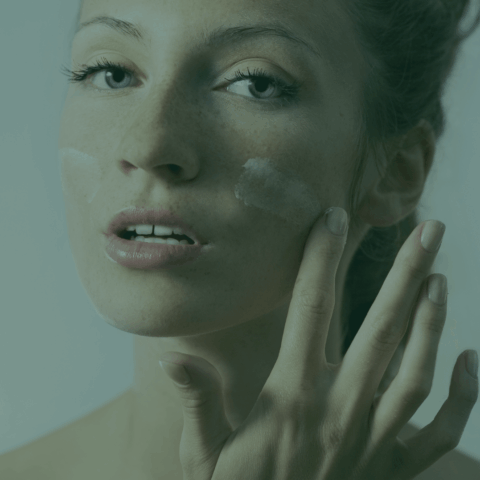
Delicate facial massage It can help reduce the appearance of mild swelling. Its purpose is to aid the drainage of fluid from the tissues, rather than to knead the skin vigorously.
Before the massage, cleanse your face and wash your hands. Use slow, gentle movements, without stretching the skin or applying too much pressure to the eye area. If you’re using a roller or a gua sha tool, ensure the accessories are clean and do not apply more pressure in the hope of achieving better results.
It is worth bearing in mind that massage can bring about a temporary improvement in appearance, but it does not remove fat tissue or permanently alter the anatomy of the face.
In the event of unexplained swelling, an infection, a recent injury or active inflammation, massage should be avoided until a specialist has assessed the condition.
Adequate hydration
When their face swells up, some people cut down on their water intake, hoping to get rid of the excess fluid quickly. This is not a good idea.
The body needs water to function properly. Dehydration is not an effective way of improving the appearance of the face, and in some cases it may even make you feel worse.
Drink regularly, adjusting your fluid intake according to your thirst, activity levels and environmental conditions. There is no need to force yourself to drink large amounts of water. If you have been advised to restrict your fluid intake due to an illness, follow your doctor’s advice.
Less salt in your daily diet
If you notice that your face swells after eating salty meals, take a look at your diet. Ready-made sauces, cured meats, salty snacks, instant meals and highly processed foods are all high in sodium.
Limiting your salt intake can help reduce your tendency to retain fluid. It is not about cutting out salt completely, but about avoiding excessive amounts.
Sometimes, simply changing a few everyday habits is enough to make morning puffiness less noticeable. However, if the problem persists despite changes to your diet, it is worth looking for another cause.
Sleep and posture whilst resting
Insufficient sleep makes the face look more tired. The area around the eyes becomes more pronounced, and any puffiness may be more noticeable.
It can be helpful to go to bed at regular times, get enough sleep and keep your head slightly elevated whilst resting. It is also worth noting whether morning puffiness gets worse after sleeping on your stomach.
However, one should not assume that all swelling is caused by a lack of sleep. If the problem persists despite an improvement in sleep quality, further diagnostic tests may be required.
Cold teaspoons and cucumber compresses
Chilled teaspoons and slices of cucumber These are popular home remedies for puffy eyes. They can provide a cooling sensation and short-term relief.
However, there is no reason to expect that a cucumber alone will eliminate the cause of the swelling. In practice, it is primarily the cooling effect that matters, rather than the vegetable’s unique properties.
Remember to practise good hygiene and avoid placing very cold objects directly against your skin. If you experience a burning sensation, redness or irritation, stop using the compress.
Do diuretics help with a puffy face?
Diuretics and water-loss supplements should not be used solely to make the face look slimmer. Such products can disrupt electrolyte balance, affect blood pressure and interact with other medicines.
If swelling As it is caused by an underlying condition, it is essential to treat the cause. Attempting to remove the fluid yourself may do more harm than good.
How do Asian women deal with a puffy face? Skincare rituals from Korea and Japan
W Korean and Japanese skincare A great deal of attention is paid to morning rituals, which help reduce the appearance of swelling and restore a fresh look to your face. It’s not about complicated treatments, but about regular, gentle care.
One popular method is facial cooling. Chilled cotton pads placed under the eyes or a cool compress can help to temporarily reduce the appearance of morning puffiness, particularly around the eyelids. It is important not to apply ice directly to the skin, as this may irritate it.
Another very popular option is facial massage, performed by hand or using roller. Gentle movements can help drain fluid from the tissues and make Her face looks less puffy. Evening skincare is also important, involving thorough make-up removal and moisturising the skin, as well as avoiding very salty meals before bed.
Puffy eyes and bags under the eyes – they’re not the same thing
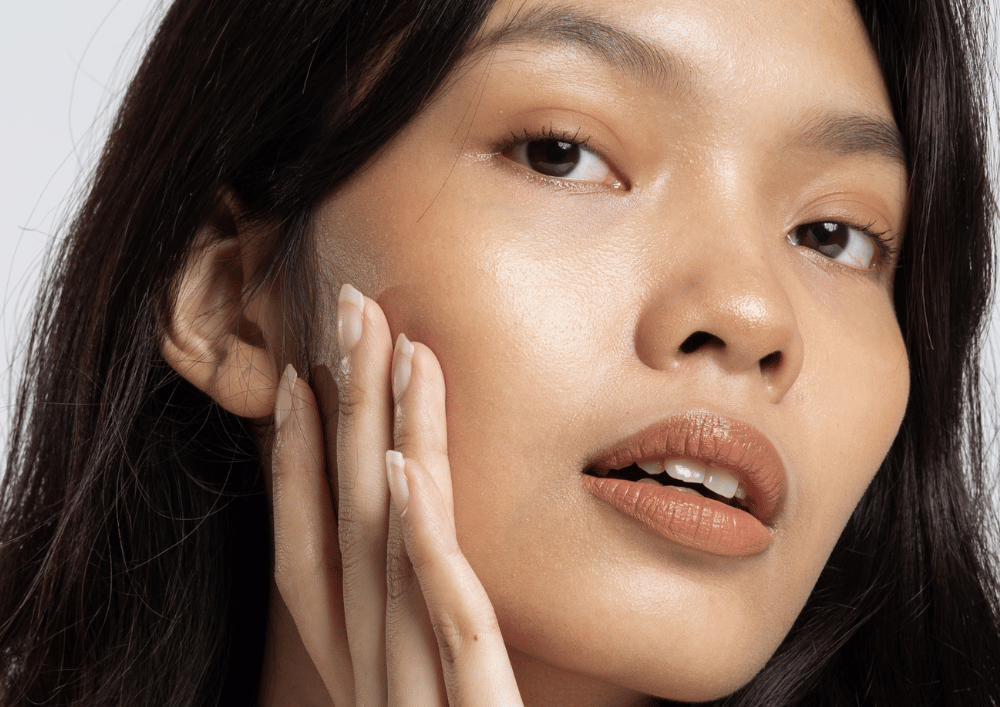
Puffy eyes They may be caused by temporary fluid retention, allergies, irritation or inflammation. Bags under the eyes, on the other hand, may also result from the protrusion of fatty tissue, anatomical changes and a loss of skin elasticity.
This difference matters. If the problem is morning swelling, a cold compress may provide relief. If the cause is permanent structural changes, the effectiveness of home remedies will be limited.
As we age, the skin around the eyes becomes thinner and the structures that support the tissues undergo changes. This can make the area under the eyes appear heavier, even if there is no actual fluid retention.
Eye pain, visual disturbances, a fever or marked redness, combined with swelling, require urgent medical assessment.
A puffy face and hormonal changes
Hormonal fluctuations can affect the body’s water balance. Some women experience swelling at certain points in their menstrual cycle or during periods of hormonal change.
If you notice a recurring pattern, take note of when the swelling occurs and how long it lasts. These observations may help your doctor identify the cause.
However, not every case of facial swelling is caused by hormonal factors. If the swelling is pronounced, persists for a long time or occurs for the first time for no obvious reason, it is worth consulting a specialist.
During pregnancy, sudden swelling of the face, particularly when accompanied by a severe headache, visual disturbances or high blood pressure, requires urgent obstetric assessment.
Could a swollen face be a sign of illness?
Yes. Persistent swelling can be one of the symptoms of conditions that affect fluid balance or cause inflammation. However, this does not mean that every instance of swelling indicates a serious health problem.
Kidney diseases They can lead to fluid retention, and swelling is often particularly noticeable around the eyes. Thyroid disorders can affect the appearance of the face and tissues. Heart and liver diseases can also cause swelling in various parts of the body.
Another group consists of infections of the teeth, sinuses and skin, which are often accompanied by pain, redness or a fever. Some medicines, on the other hand, can cause swelling as a side effect.
If your face swells regularly and you also experience swelling in your legs, changes in your urination, unusual tiredness or shortness of breath, do not delay seeking medical advice.
When should you see a doctor if your face is swollen?
Not all cases of swelling require urgent treatment, but there are situations that should not be taken lightly.
Consult your doctor if the swelling persists, gradually worsens, recurs regularly or spreads to other parts of the body. Swelling accompanied by a fever, severe pain, redness or a deterioration in your general well-being also requires medical assessment.
If one side of your face swells up and you experience toothache, you may need to see a dentist urgently.
In such a situation, don’t wait for home remedies to take effect.
How is the cause of facial swelling determined?
The basis for diagnosis is a medical history and a physical examination. It is important to establish when the swelling first appeared, how long it has persisted, whether it affects one or both sides of the face, and whether it is accompanied by any other symptoms.
Depending on the situation, your doctor may recommend laboratory tests, assessment of kidney or thyroid function, blood pressure measurement, or a dental or allergy consultation. Not every patient requires a wide range of tests. Diagnostics should be tailored to the symptoms and the suspected cause.
It may also be helpful to take photos of your face in the morning and a few hours later. This makes it easier to assess whether the swelling is gradually subsiding or persists throughout the day.
What treatments can improve the appearance of a puffy face?
If the problem is unexplained swelling, the first step should be a medical assessment, not a cosmetic procedure. Only once the cause has been established can the appropriate course of action be considered.
Lymphatic drainage – a way to reduce facial swelling
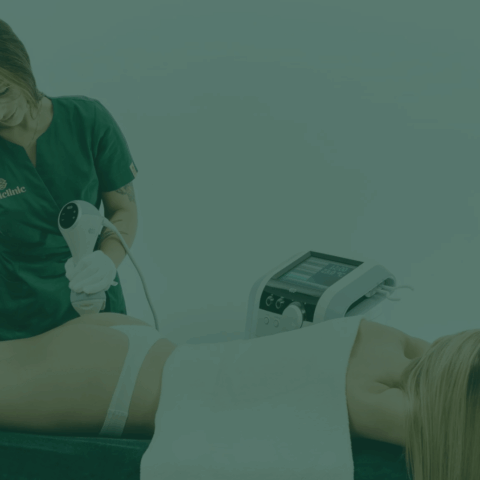
Lymphatic drainage It is a specialised technique involving gentle, rhythmic movements that promote lymph flow and its drainage from the tissues. It may be helpful in reducing certain types of oedema, including that affecting the face, provided that the cause and the patient’s state of health allow for the use of this method. The treatment is carried out using light pressure, following the course of the lymphatic vessels, to support the body’s natural mechanisms for draining excess fluid.
Depending on your needs drainage It may affect the areas around the cheeks, jaw, chin and neck. For some people, it helps to reduce the sensation of heaviness in the tissues and improve facial contours, particularly when the swelling is caused by impaired lymphatic drainage. However, not all morning swelling requires professional lymphatic drainage.
Kobido massage – a remedy for a puffy face and for improving facial contours
Kobido massage It is a Japanese facial massage technique that combines intense lifting movements with gentler relaxation techniques. The treatment is gaining popularity amongst people who wish to improve the appearance of their face without resorting to invasive methods. It can also be helpful for morning puffiness, particularly when this is caused by a temporary build-up of fluid in the tissues.
During the massage, a variety of techniques are used, such as stroking, kneading, rubbing and applying pressure to specific areas of the face. Carefully selected techniques stimulate microcirculation and can promote lymphatic drainage, making puffiness less noticeable and the facial contours appear more defined. Particularly noticeable visual effects may be seen around the cheeks, jawline and chin.
However, Kobido massage is not just a way to improve one’s appearance. Relaxing tense facial muscles can make one’s features appear softer and the complexion look more rested. The treatment is also often chosen as part of a skincare routine for mature skin, as combining massage with appropriate skincare can improve the skin’s appearance and elasticity.
It is worth bearing in mind that the effects of massage are primarily temporary, and their intensity depends on the cause of the swelling and individual predispositions. If swelling occurs regularly, persists throughout the day or is accompanied by other symptoms, the cause should be identified first. Massage is not a substitute for the diagnosis or treatment of conditions that cause swelling.
Needle mesotherapy – skin regeneration and a fresher-looking face
Needle mesotherapy This is a treatment that involves making small punctures and administering carefully selected preparations directly into the skin. Depending on the product used, it can boost hydration, improve elasticity and help achieve a more radiant complexion. It is primarily used when the skin is dry, lacks radiance or shows signs of loss of firmness.
The preparations used in mesotherapy may contain, amongst other things, hyaluronic acid, amino acids, vitamins or other ingredients selected to suit the skin’s needs. Their purpose is to improve the skin’s condition, rather than to directly address the cause of the swelling. Therefore, needle mesotherapy It should not be regarded as the primary treatment for a swollen face, particularly when the swelling is of unknown cause or persists for a prolonged period.
The procedure may, however, be considered as part of a wider plan to improve skin quality, if, in addition to puffiness, there is also dryness, fine lines or a loss of elasticity. A carefully selected treatment can help you achieve a smoother, better-hydrated complexion and improve its overall appearance. The results depend on the product used, the condition of your skin and the number of treatments.
However, it is important to bear in mind that the injections may cause temporary swelling, redness, tenderness or minor bruising. For this reason, you should inform the specialist of any existing swelling before the treatment and discuss whether mesotherapy is a suitable option.
How can you prevent morning facial puffiness?
Not all swelling can be prevented, but daily habits can help reduce its severity. It is particularly important to pay attention to the amount of salt in your diet, the regularity of your sleep and staying properly hydrated.
You should also monitor how your body reacts to alcohol, specific foods and cosmetics. If you suspect that a particular product is causing irritation or an allergic reaction, stop using it and consult a specialist if the symptoms persist.
Avoid taking diuretics or undergoing dehydration treatments on your own. They are no substitute for a proper diagnosis and may upset the body’s balance.
If, despite changes to your daily routine, your face still swells regularly, it is worth looking for the cause rather than simply trying yet more home remedies.
A puffy face – what can you do to look well-rested again?
Swollen face It may be caused by a lack of sleep, too much salt, alcohol or temporary water retention. In such cases, cool compresses, a gentle massage and changes to your daily routine can help.
However, if the swelling persists, recurs, is painful or is accompanied by other symptoms, the most important thing is to identify the cause. Skincare and cosmetic treatments are no substitute for a medical diagnosis when the problem is health-related.
Do you want to improve the appearance of your face, but aren’t sure whether it’s due to swelling, sagging skin or a loss of definition? Book a consultation at Wellclinic.
Sources:
1. Cleveland Clinic – Facial Swelling: Causes & Treatment
https://my.clevelandclinic.org/health/symptoms/facial-swelling
2. MedlinePlus – Facial Swelling
https://www.medlineplus.gov/ency/article/003105.htm
3. Mayo Clinic – Bags Under the Eyes: Symptoms and Causes
https://www.mayoclinic.org/diseases-conditions/bags-under-eyes/symptoms-causes/syc-20369927
4. Mayo Clinic – Bags Under the Eyes: Diagnosis and Treatment
https://www.mayoclinic.org/diseases-conditions/bags-under-eyes/diagnosis-treatment/drc-20369931
5. Johns Hopkins Medicine – How to Get Rid of Bags Under Your Eyes
https://www.hopkinsmedicine.org/health/expert-qa/how-to-get-rid-of-bags-under-your-eyes
6. NHS – Angioedema
https://www.nhs.uk/conditions/angioedema/

 +48 600 100 177