
 Katarzyna Pawłowska

 23.11.2026
Cellulite on the buttocks It can still be visible even if you exercise regularly, watch what you eat and maintain a healthy weight. Unevenness, dimples and the characteristic orange-peel-like texture do not always disappear as a result of physical activity. What’s more, they can also appear in slim, fit women.
How to get rid of cellulite on your bum, when home remedies don’t produce the desired results? First of all, it’s worth understanding where this problem comes from, why it’s so difficult to reduce it, and which methods can actually improve the appearance of the skin.
Table of contents
Why does cellulite appear on the buttocks?
Cellulite It is an uneven skin surface that results from complex changes occurring in the subcutaneous tissue and connective tissue structures. It is not solely the result of excess adipose tissue. The arrangement of the fibrous connective tissue septa, the thickness of the skin and the distribution of adipose tissue also play a role.
A voucher for you
Wellclinic gift vouchers from just 1,000 zł – treat yourself or your loved ones to health and beauty. Order by the end of November!
Collect your voucherThat is precisely why cellulite on the buttocks It can occur in both curvier women and slim, physically active people. Nor is it solely a matter of neglect or a lack of exercise.
Several factors affect its visibility:
- Genetic predisposition - they can influence the composition of connective tissue, the distribution of body fat and the tendency to develop unevenness.
- Hormonal changes - Hormones, particularly oestrogens, may play a role in skin condition and the distribution of body fat.
- The structure of subcutaneous tissue - the way in which fibrous connective tissue septa link the skin to deeper structures affects the visibility of indentations.
- Reduced skin firmness - As we age, the skin can lose its thickness and elasticity, making any unevenness more noticeable.
- Lifestyle - Low levels of physical activity and fluctuations in body weight can affect your figure and the condition of your skin.
It is worth remembering that Cellulite is not the same as excess body fat. Losing weight does not necessarily mean, therefore, that the unevenness on the buttocks will disappear completely.
What does cellulite look like on the buttocks?
It most commonly takes the form of small or more pronounced indentations, which mean that the skin’s surface is not smooth. These changes are primarily visible on the lower and lateral parts of the buttocks, but often also affect the thighs.
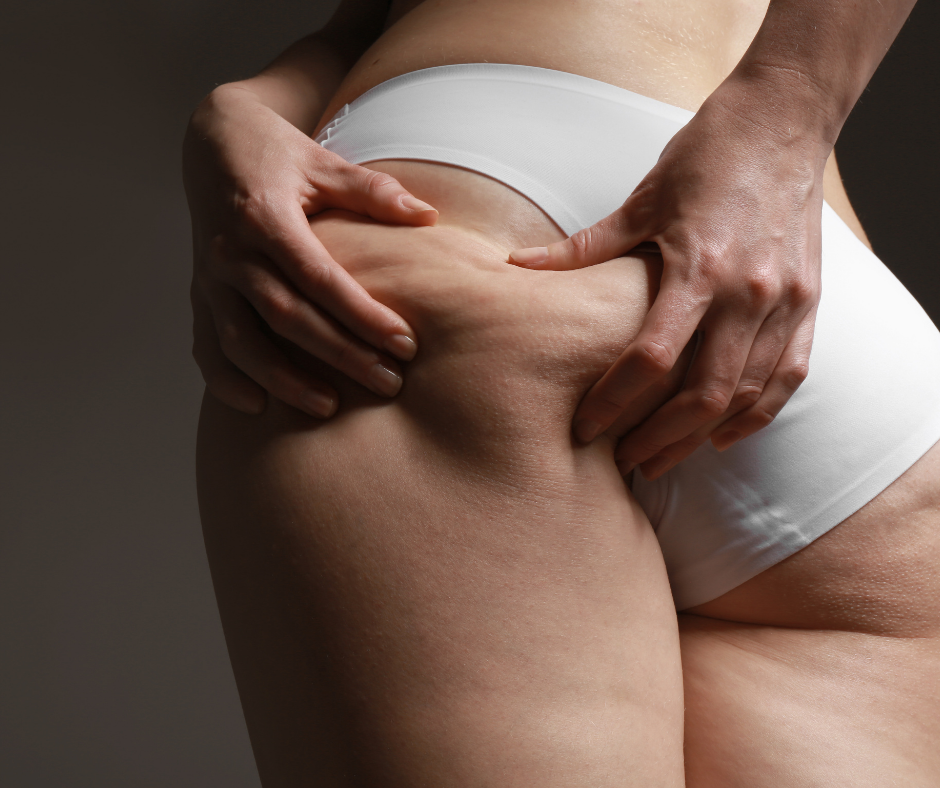
Cellulite on the buttocks It may look different in each person. In some people, the unevenness only becomes apparent when the skin is pinched or the muscles are tensed. In others, it is also visible whilst standing, without any additional pressure.
The extent to which they are visible depends, amongst other things, on the structure of the subcutaneous tissue, the thickness of the skin and the severity of the lesions. Therefore, the choice of treatment should take into account the individual’s specific circumstances, rather than simply the skin’s appearance at first glance.
Can cellulite on the buttocks occur in a slim person?
Yes. A slim figure does not protect against cellulite. Its formation does not depend solely on the amount of adipose tissue. The structure of the connective tissue septa, the distribution of fat cells and the condition of the skin are also of great importance.
So you can exercise regularly, maintain a healthy weight and still notice dimpling on your buttocks. This doesn’t mean that exercise or diet aren’t working. It simply means that they don’t affect all the structures responsible for the appearance of cellulite.
What are the different types of cellulite?
In popular guidebooks, you may come across terms such as water-based, fat-based and fibrous cellulite. They help to describe various presentations and possible mechanisms underlying the development of inequalities, but do not constitute a single, universally accepted medical classification.
- Cellulite described as ‘water-based’ - a term commonly used when a problem is accompanied by fluid retention and a feeling of swelling.
- Cellulite described as adipose - a term used to describe changes in which the distribution and volume of adipose tissue are of greater significance.
- Cellulite described as fibrous - a term used to describe more pronounced, permanent depressions associated with the remodelling of connective tissue septa.
In practice, individual characteristics may overlap. It is therefore not advisable to choose a treatment yourself based solely on the name of the type of cellulite. It is more important to assess the appearance of the skin, its firmness and the structure of the subcutaneous tissue.
How can you get rid of cellulite on your bum? Start with your daily habits
There is no single home remedy that will effectively remove cellulite for everyone. However, it is possible to improve the appearance of the skin, firm up the buttocks and enhance the results of professional treatments.
What is worth introducing?
1. Exercises for cellulite on the buttocks
Regular strength training helps to develop the gluteal muscles and improve the proportions of the figure. Increased muscle mass can make the skin appear firmer, and any unevenness will become less noticeable.
It is worth including the following in your training plan:
- Squats - they engage the muscles of the buttocks and thighs.
- Hip thrust - allows you to focus your workout on the gluteal muscles.
- Lunges - strengthen the lower body and improve stability.
- Deadlift with straight legs - It engages, amongst other things, the gluteal muscles and the back of the thighs.
- Leg abduction - it also helps to engage the gluteus medius muscles.
A well-planned training programme should be regular and tailored to your physical capabilities. You don’t need to exercise every day. What’s far more important is consistency and gradually increasing the intensity.
It should be noted, however, that: Exercise does not directly remove the fibrous septa responsible for the characteristic indentations in the skin. They can improve the appearance of the buttocks, but they are not always enough to significantly reduce cellulite.
2. A diet to promote firm skin
Your diet affects your overall health, body weight and the condition of your skin. However, there is no single product or diet that guarantees the elimination of cellulite.
In your daily diet, it’s worth ensuring that you include:
- an adequate amount of protein, which provides the amino acids needed for tissues to function properly;
- fruit and vegetables that are a source of vitamins and antioxidants;
- wholemeal products and sources of fibre;
- adequate hydration;
- reducing the frequency with which highly processed foods are consumed.
If weight loss is recommended, it is best to opt for gradual and sensible changes. Rapid weight loss is not the answer to cellulite on the buttocks. A loss of subcutaneous tissue volume, combined with a loss of skin firmness, may even make certain irregularities more noticeable.
3. Massage and skincare
Dry brushing, massage or firming skincare products can improve the skin’s smoothness and temporarily affect its appearance. However, they should not be regarded as methods that eliminate the cause of cellulite.
Some products containing caffeine or retinol work in a similar way – they can support your skincare routine, but their effectiveness in reducing cellulite is limited and depends on the specific product and how regularly it is used.
Massage, beauty treatments and body brushing can complement your skincare routine, but where there are marked irregularities, they usually cannot replace methods that target the deeper layers of the skin.
Is cellulite the same as sagging skin?
No. Although both problems may occur at the same time, they have different causes.
Cellulite is associated with changes in the structure of the subcutaneous tissue and connective tissue septa, which contribute to the formation of characteristic depressions. Skin flabbiness On the other hand, this results in a reduction in its tension and elasticity.
This distinction is important when choosing a method to improve the appearance of the buttocks. If the main problem is dimpling, a different approach may be required than in the case of skin that has primarily lost its firmness. It is also the case that both problems need to be taken into account when planning treatment.
Treatments for cellulite on the buttocks – what options are worth considering?
If cellulite on the buttocks If the problem is obvious and you are unable to improve the appearance of your skin through your daily routine, you may wish to consider professional treatments available in aesthetic medicine.
The choice of treatment should depend on the type and severity of the changes, the condition of the skin and the desired result. Not every method works in the same way. Some focus on improving skin firmness, whilst others also affect the subcutaneous tissues.
The medical literature describes, amongst other things, technologies utilising radiofrequency, acoustic waves and lasers. The available methods differ in their mechanism of action, degree of invasiveness and the quality of the evidence supporting their effectiveness. There is no single solution suitable for everyone.
Endermology for cellulite – does it help to get rid of dimpling on the buttocks?
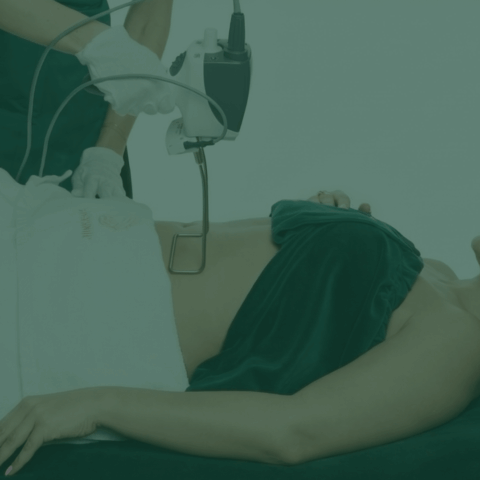
Endermologie This is a mechanical vacuum massage used, amongst other things, to improve the appearance of skin affected by cellulite. During a session, a special roller head draws in a fold of skin, then massages it and mobilises the tissues. This stimulation can improve the smoothness of the skin and reduce the appearance of unevenness.
However, this does not mean that Endermology permanently removes cellulite from the buttocks. Its mechanism of action is based primarily on the mechanical stimulation of tissues; consequently, the improvement achieved may be limited and may require regular repeat sessions. Furthermore, the method does not address all the causes of cellulite, particularly those related to the structure of the fibrous septa in connective tissue.
It is also worth bearing in mind that the effects of endermology may be short-lived. As the American Academy of Dermatology points out, the improvement in the skin’s appearance does not always last once the course of massages has ended. In some cases, cellulite becomes visible again as early as about a month after treatment has stopped.
BTL Unison – a combination of radiofrequency and mechanical energy
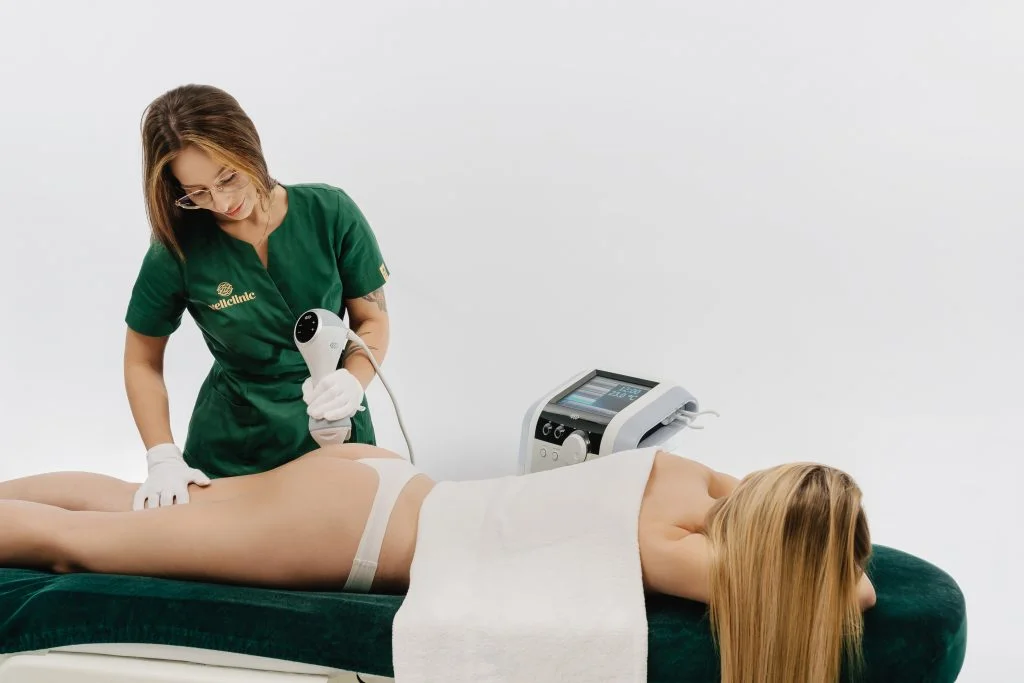
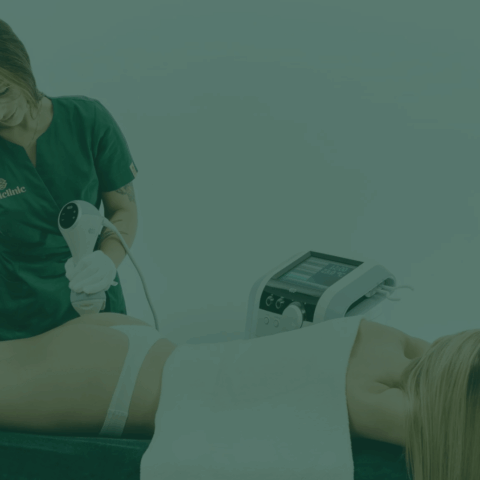
Unlike endermology, which is based on vacuum massage, BTL Unison combines monopolar radio frequency (RF) waves with directed sound wave. This means that two types of energy are used during the treatment, rather than just mechanical mobilisation of the tissues.
Radiofrequency It delivers thermal energy to the tissues, whilst mechanical energy acts on them through controlled stimulation. The combination of these two mechanisms is designed to improve the appearance of the skin and reduce the visibility of unevenness.
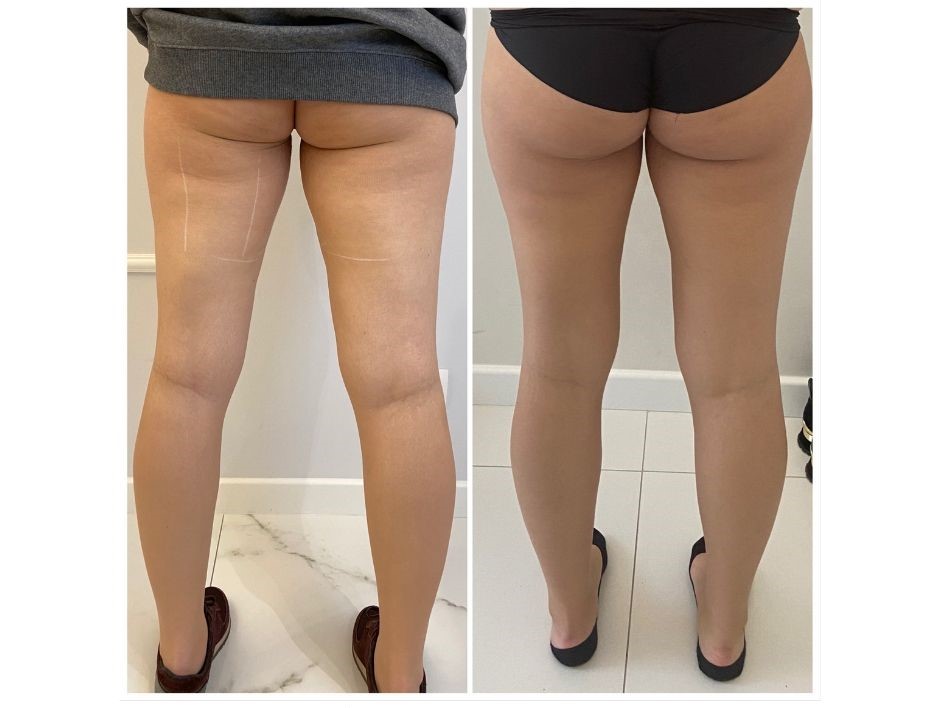
A clinical trial published in 2018 assessed the effects of combining radiofrequency and targeted mechanical energy in 30 women with cellulite in the buttocks area. The participants underwent four sessions, and the assessment was carried out three months after the end of treatment. The authors noted a reduction in the appearance of cellulite in 93 per cent of the participants.
How long does it take to see the effects of cellulite reduction?
This depends primarily on the method chosen, the severity of the condition and the individual characteristics of the skin. There is no set timeframe within which cellulite should disappear.
When it comes to physical activity, the first changes to your physique may become apparent gradually as your muscles develop and your fitness improves. Skincare using cosmetics It requires regular use, and the results can be subtle and depend on the formulation.
In the case of in-clinic treatments, the time taken to assess the results depends on the technology used and the planned protocol. Some effects may become apparent gradually, so it is not always possible to assess the results immediately after the session has ended.
It is also worth bearing in mind that Reducing the appearance of cellulite does not mean it is permanently removed. The appearance of the skin continues to be influenced by age, hormonal changes, body weight and natural processes taking place within the tissues.
What shouldn’t you do if you have cellulite on your bum?
When tackling cellulite, it’s easy to waste time and money on methods that promise more than they can actually deliver. It’s worth being particularly cautious about:
- Rapid weight loss - Rapid weight loss can cause the skin to lose its firmness and make unevenness more noticeable.
- A massage that is too vigorous - Applying strong pressure and painful treatments do not make them more effective, and may lead to irritation and bruising.
- Cosmetics that promise to completely eliminate cellulite - skincare products cannot guarantee the remodelling of the deeper structures of the subcutaneous tissue.
- Supplements advertised as a remedy for cellulite - there is no convincing evidence that supplementation on its own eliminates characteristic skin irregularities.
- Choosing the technology yourself - A method that is effective in one case may not be suitable in another.
It is most sensible to assess treatments on the basis of their mechanism of action, available research and individual indications, rather than solely on the basis of marketing claims.
Can cellulite on the buttocks be completely removed?
This is one of the most common questions, but the answer isn’t as straightforward as it might seem. No method can guarantee the complete elimination of cellulite. However, it is possible to reduce the appearance of unevenness, improve skin firmness and achieve a more even surface.
Results depend on a number of factors: the type of cellulite, its severity, the structure of the subcutaneous tissue, the condition of the skin and the method used. The body’s individual response also plays a role.
It is worth keeping your expectations realistic. The aim of the procedure does not always have to be perfectly smooth skin. For many people, a satisfying result is a noticeable reduction in the appearance of dimples and an improvement in the firmness of the buttocks.
Which method should you choose to treat cellulite on your bottom?
There is no single technology that suits everyone. If the dimpling is minor, a good place to start is regular exercise, skincare and maintaining a stable body weight. For more noticeable cellulite, it is worth consulting a specialist who can assess the structure of the skin and subcutaneous tissue.
During consultations, the following factors, amongst others, are important:
- the degree to which unevenness is visible;
- location of the changes;
- skin firmness and elasticity;
- amount of subcutaneous tissue;
- the methods the patient has used to date;
- expectations regarding the outcomes.
Only on this basis can it be determined whether a change in care, a change in habits, a non-invasive technique or some other course of action would be more appropriate.
Cellulite on the buttocks – where to start?
If, despite exercise and self-care, cellulite on the buttocks If it is still visible, this does not mean that you are doing something wrong. Its formation depends on many factors, some of which are linked to the individual structure of the subcutaneous tissue.
It’s worth starting by assessing the condition of your skin and deciding what results you want to achieve. At Wellclinic, the selection of the right treatment is preceded by a consultation, during which we can assess your skin’s needs and discuss the available options.
Book a consultation at Wellclinic and find out which solution can help improve the appearance of the skin on your bottom.
Sources:
1. PubMed, Khalil, Galadari, Cellulite: An Update on Pathogenesis and Management (2024): https://pubmed.ncbi.nlm.nih.gov/37977679/
2. PubMed, Menon et al., A Clinical Guide to the Treatment of Cellulite (2024)
https://pubmed.ncbi.nlm.nih.gov/38057600/
3. PubMed, Fritz et al., Clinical evaluation of simultaneously applied monopolar radiofrequency and targeted pressure energy (2018)
https://pubmed.ncbi.nlm.nih.gov/29524305/
4. PubMed, Longano et al., Do electrophysical agents work for the treatment of cellulite? A systematic review of clinical trials (2024)
https://pubmed.ncbi.nlm.nih.gov/38695965/
5. PubMed, American Academy of Dermatology, Cellulite treatments: What really works?: https://www.aad.org/public/cosmetic/fat-removal/cellulite-treatments-what-really-works

 +48 600 100 177