
 Katarzyna Pawłowska

 10.10.2026
Facial volumetrics It can restore lost volume to the cheeks, improve facial proportions and accentuate the jawline. But there is another side to this treatment that is worth knowing about before you decide to undergo a makeover. An incorrectly administered injection can lead not only to swelling or bruises, but also to serious complications following facial volumetry, requiring urgent medical attention.
Is Facial volumetry is safe? No. What it does mean, however, is that the safety of the procedure depends on the doctor’s appropriate qualifications, knowledge of facial anatomy, the type of product used and their skill. If you are considering facial contouring hyaluronic acid, find out what effects you can expect, which symptoms are a natural reaction by the body, and which ones must not be ignored.
Table of contents
Facial volumetry – what does the procedure involve?
As we age, the face gradually loses volume. The amount of fat tissue in certain areas decreases, the support provided by the deeper tissues changes, and the skin loses some of its elasticity. As a result, the cheeks may appear less full, furrows become more visible, and the facial contour loses its definition.
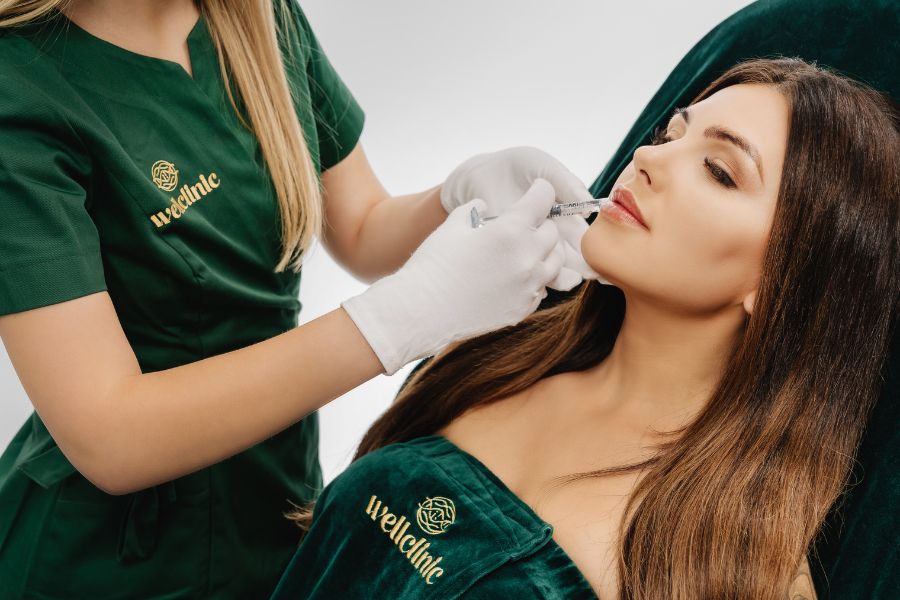
Facial volumetrics This is an aesthetic medicine procedure aimed at restoring the correct proportions and rebuilding lost volume. The most commonly used method for this purpose is cross-linked hyaluronic acid, administered into specific layers of tissue using a needle or cannula. The preparation is selected according to the treatment area, the patient’s anatomy and the desired outcome.
The result may be a subtle enhancement of the cheekbones, an improvement in the jawline or the restoration of harmony to the facial features. The aim is not to change one’s appearance beyond recognition. A well-planned facial volumetrics It should take into account natural proportions and individual physical features.
It is worth bearing in mind, however, that not every cosmetic issue requires the use of a filler. If the main problem is skin flaccidity, rather than a loss of volume, the doctor may suggest other ways of improving its firmness and quality.
Is facial volumetrics safe?
Hyaluronic acid It occurs naturally in the body, including in the skin, where it helps to bind water and maintain adequate tissue hydration. However, this does not mean that every product containing this substance is completely harmless to the body.
Facial modelling – volumetry It is an injection-based procedure and therefore carries certain risks adverse effects. Most reactions are mild and temporary, but in rare cases, serious reactions may occur complications following hyaluronic acid treatment, such as infection, pressure on anatomical structures or occlusion of a blood vessel.
Safety depends on several factors: correct eligibility for the procedure, knowledge of anatomy, appropriate choice of product, sterile conditions, and the ability to recognise and treat complications. The patient’s medical history is also of great importance. The doctor should be aware of any chronic conditions, allergies, current medication, previous procedures and any previous reactions to dermal fillers.
Preparations such as Juvederm or Stylage They come in various formulations designed for specific uses. Not every product is suitable for every area of the face. Some formulations contain lidocaine, which reduces pain during the injection but does not eliminate the risk of complications.
What are the side effects of facial volumisation?
After the procedure, the following may occur redness, swelling, tenderness and bruising, as well as temporary tenderness at the injection sites. These are common reactions associated with the breach of the skin’s integrity and the administration of the product.
In most patients, the symptoms gradually subside over the course of a few days. Sometimes oedema following volumetry or bruising may persist for longer, depending on the treatment area, the individual’s response and the extent of the procedure carried out.
During the first few days, the face may appear fuller than expected. This is not always the final result of volumetric treatment. Swelling may temporarily alter the proportions of the face; therefore, the result should be assessed once the initial post-treatment reactions have subsided, in accordance with the doctor’s instructions.
The following may occur less frequently persistent swelling, lumps following hyaluronic acid treatment, asymmetry, inflammation or infection. Not every irregularity indicates a serious complication, but any change that worsens, persists for an unusually long time or causes concern requires you to contact the person who carried out the procedure.
When should complications following volumetry be a cause for concern?
Severe or worsening pain, paleness of the skin, reticular bruising, unusual discolouration or the appearance of blisters may indicate impaired blood supply to tissues. This is a situation that requires immediate medical assessment. You should not wait for the symptoms to subside on their own.
Emergency visual disturbances following the administration of hyaluronic acid, eye pain or loss of vision require immediate medical attention. These are rare but particularly serious complications that must not be taken lightly.
In the case of hyaluronic acid, a doctor may, in certain situations, use hyaluronidase, i.e. the enzyme that breaks down the preparation. This does not, however, mean that every complication can be easily and completely reversed. That is why it is so important to recognise the problem quickly and have access to appropriate help.
What factors influence the risk of complications following facial volumetry?
It is not only the preparation itself that matters, but also the method of administration. The face is an area with a complex anatomy, containing numerous blood vessels and structures, the course of which may vary from patient to patient.
Incorrect placement of the filler, Adding it to a dish or using too much of the product may lead to undesirable results. Too large a volume It may disrupt the proportions of the face, make it look heavy and result in a look that is far from natural.
The risk also depends on individual factors. These include, amongst other things, a tendency to bruise, active infections, certain medical conditions, previous procedures and any medication being taken. Therefore, pre-volumetry consultation It should not be limited to selecting the area we wish to model.
The doctor’s experience It is also important should complications arise. The person carrying out the procedure should be able to recognise warning signs, take the appropriate action and ensure the patient has access to urgent medical care, should it be required.
How can you prepare for facial volumetry and minimise the risks?
Safe treatment begins even before the injection. During the consultation, it is worth discussing the expected outcome, possible limitations, contraindications and all medicines and supplements you are taking. You should not stop taking any medicines, including those that affect blood clotting, without consulting your doctor.
The procedure should be carried out under appropriate hygienic conditions, using a product intended for that specific purpose. The patient should be given clear recommendations following volumetry and information on who to contact in the event of worrying symptoms.
Following volumetry, you must follow the post-procedure instructions. It is advisable to avoid strenuous exercise and overheating for the period recommended by your doctor, not to apply pressure to or massage the treated area without specific instructions, and not to use any additional products or undergo any further treatments on your own initiative.
If any warning signs appear after the procedure, do not rely solely on home remedies to reduce the swelling. In such a situation, prompt medical assessment is essential.
How do you choose a clinic for facial volumisation to ensure your safety?
The cost and popularity of a treatment should not be the main criteria for choosing it. Far more important are the qualifications of the person performing the procedure, knowledge of facial anatomy, the quality of the products used, and the procedures to follow in the event of complications.
During the consultation, pay attention to whether the doctor takes a detailed medical history, assesses the proportions of your face and explains why they are recommending a particular method. A professional consultation is not about promising a spectacular transformation. It should help you determine what outcome is realistic and whether facial volumetrics It really does solve your problem.
The availability of post-operative support is also important. Before making a decision, it is worth finding out how to contact the clinic should any worrying symptoms arise, and whether the clinic has established procedures for dealing with vascular complications.
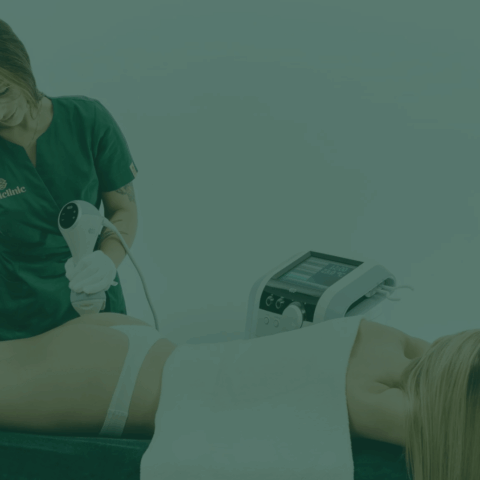
It is not worth choosing a clinic based solely on its equipment. Modern technology can expand a clinic’s therapeutic capabilities, but the mere presence of advanced equipment does not guarantee the safety of a particular injection procedure.
Volumetry or the Fotona laser? Not every problem requires a filler
Loss of facial volume and a deterioration in skin quality are two different issues. They sometimes occur at the same time, but do not always require the same treatment.
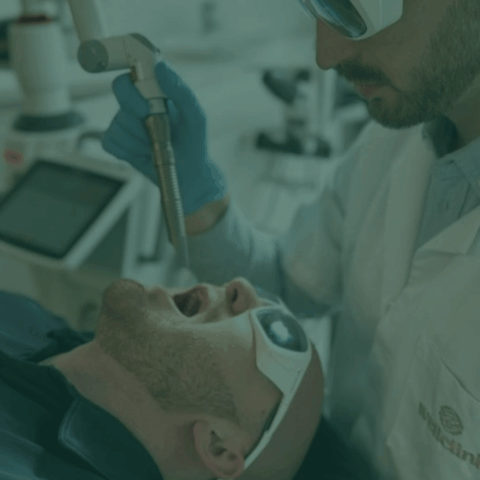
Facial volumetrics Its primary aim is to restore volume and improve facial proportions. Fotona laser It can be used to improve the skin’s texture, firmness and appearance, depending on the technology used and the indications.
Fotona Laser Therapy It does not replace volumetry in every case, just as a filler does not solve all problems relating to sagging or uneven skin texture. The choice of method should be determined by the actual needs of the tissues, rather than by the belief that one treatment is always better than another.
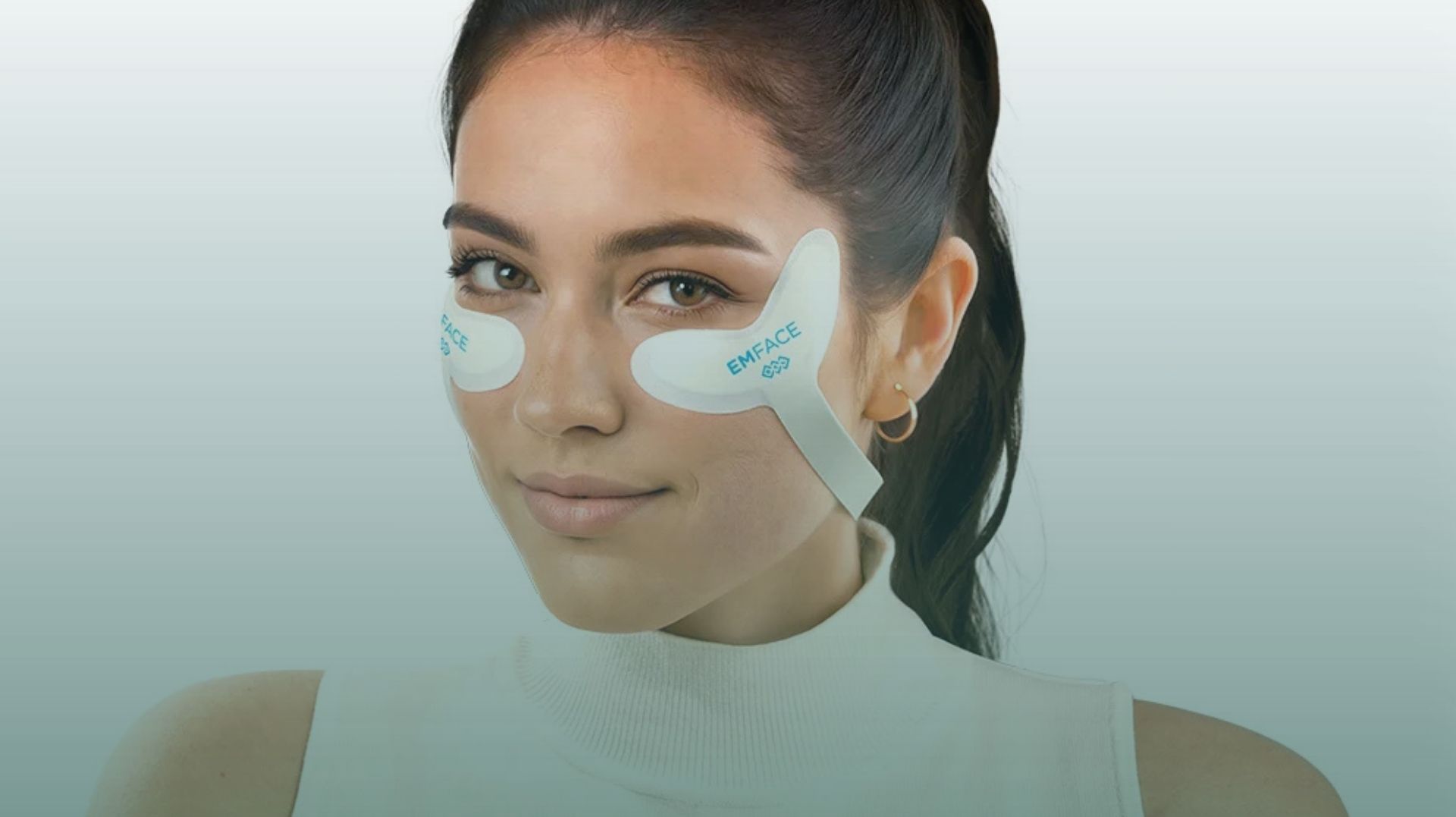
In some situations, your doctor may suggest combination therapy – for example,. Quatum Face. However, the scope and sequence of the treatment should be determined on a case-by-case basis, taking into account the condition of the skin, any contraindications and the time required for recovery.
A natural look starts with the right decision
Facial volumetrics It can help restore proportions, improve contours and restore lost volume. However, it is not a risk-free procedure. Temporary swelling or bruising is usually nothing to worry about, but increasing pain, unusual changes in skin colour or visual disturbances require immediate attention.
The best result isn’t about changing your face at any cost. It’s about consciously choosing a method that addresses a specific problem whilst allowing you to retain your natural features.
Before you decide to go for volumising treatments, check what your skin really needs. Book a consultation at Wellclinic. Talk to the medical team about your expectations, the possible treatment options and the risks associated with the procedure. Make your decision based on a thorough assessment, rather than on the promise of a quick transformation.
Sources:
- PubMed „Global Aesthetics Consensus: Prevention and Management of Complications from Hyaluronic Acid Fillers”
https://pubmed.ncbi.nlm.nih.gov/27219265/ - PubMed „Treatment of Soft Tissue Filler Complications: Expert Consensus Recommendations”
https://pubmed.ncbi.nlm.nih.gov/29305643/ - PubMed „Guideline for the Management of Hyaluronic Acid Filler-induced Vascular Occlusion”
https://pubmed.ncbi.nlm.nih.gov/34188752/
Book a consultation






 +48 600 100 177