
Hair loss is a problem that should not be taken lightly. A widening parting, thinning temples, a visible scalp or a handful of hair left on your brush may be the first signs of developing hair loss. And this does not only affect men.
Hair loss in women It can also lead to significant hair thinning, reduced self-esteem and discomfort in everyday life. The causes can include genetic predisposition, hormonal imbalances, the menopause, chronic stress, past infections, nutritional deficiencies or the postnatal period.
Can this process be stopped? Yes, in many cases there are effective ways of reducing hair loss and promoting regrowth. There is just one condition: you must first establish why the hair is falling out.
A voucher for you
Wellclinic gift vouchers from just 1,000 zł – treat yourself or your loved ones to health and beauty. Order by the end of November!
Collect your voucherWellclinic in Warsaw, Gdańsk and Kraków offers treatments to support hair loss therapy, including needle mesotherapy of the scalp and Fotona Hair Restoration laser therapy. The choice of treatment depends on the condition of the hair and scalp, and the cause of the problem.
Table of contents
Why does hair fall out? The reason may be different from what you think
Not all hair loss means androgenetic alopecia. Sometimes the problem arises suddenly, for example following an illness, childbirth or severe stress. At other times, it develops gradually, and the initial changes are easy to overlook.
The most common causes include:
- Androgenetic alopecia - linked to genetic predisposition and the sensitivity of hair follicles to androgens. The hair gradually becomes thinner, shorter and weaker.
- Alopecia areata - an autoimmune condition that can cause the sudden appearance of clearly defined areas of hair loss.
- Postnatal hair loss - often linked to hormonal changes and a temporary disruption to the hair growth cycle.
- Hair loss during the menopause - Hormonal changes can affect the density, thickness and condition of your hair.
- Telogenetic alopecia - It may occur following an infection, severe stress, surgery, rapid weight loss or nutritional deficiencies.
It is worth noting that different causes may occur at the same time. Therefore, simply using a hair-strengthening product does not always solve the problem.
Treating hair loss – where to start?
Before you choose a treatment, it’s worth asking yourself one question: what exactly is happening to your scalp and hair follicles?
At Wellclinic, the choice of treatment is preceded by a consultation and an assessment of the condition of the hair. Factors such as the duration of the problem, the rate of hair loss, the condition of the scalp and the patient’s medical history are all taken into account.
Depending on the situation, the specialist may also recommend further diagnostic tests, including laboratory tests or a dermatology consultation.
Only on this basis can one assess whether needle mesotherapy, laser therapy, combination therapy or treatment targeting the specific cause of hair loss would be the appropriate solution.
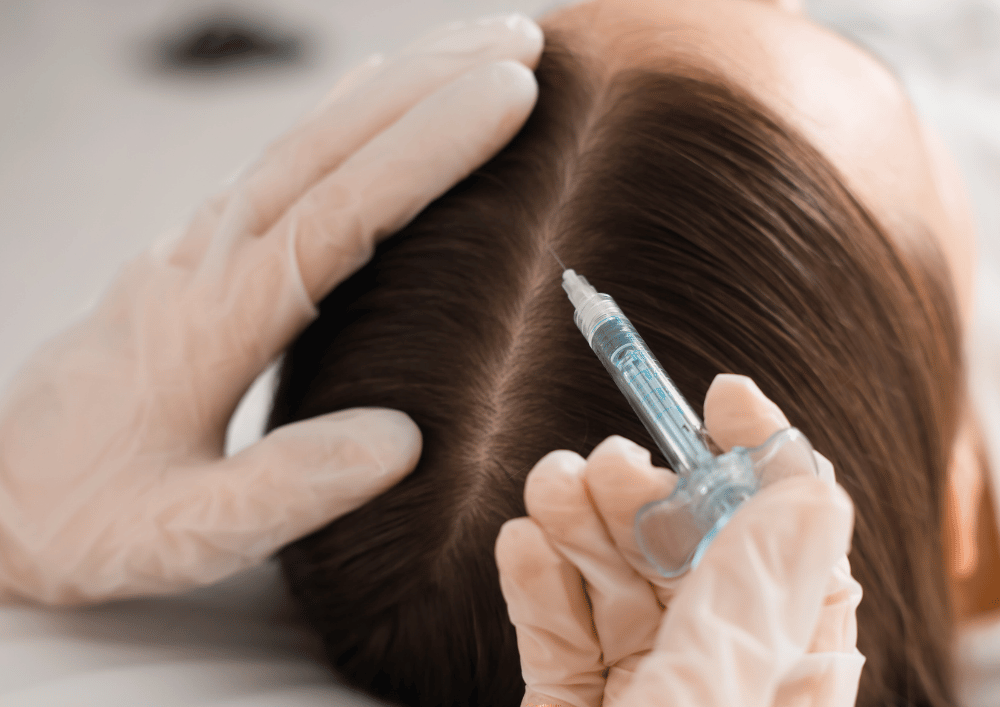
Scalp mesotherapy – support for weakened hair
If your hair is becoming increasingly thinner, losing volume and is noticeably weakened, one of the solutions to consider is needle mesotherapy of the scalp.
The treatment involves administering carefully selected preparations directly into the scalp using a fine needle. Depending on the therapy used, these may contain, amongst other things, vitamins, amino acids, peptides or other ingredients that support the health of the skin and hair follicles.
The aim of scalp mesotherapy It improves skin quality and creates favourable conditions for hair growth.
The treatment may be considered for people experiencing hair thinning and loss. However, it is not a one-size-fits-all solution for every type of hair loss. The results depend on the cause of the problem, the type of treatment and the individual’s response.
Is mesotherapy Could it be part of a preventative regime? In certain cases, it may be considered as a way of supporting the health of the scalp; however, it should not be regarded as a guarantee against genetic hair loss.
Fotona Hair Restoration – laser-assisted hair regrowth
When the problem of thinning hair is more advanced, it is also worth considering laser hair loss treatment.
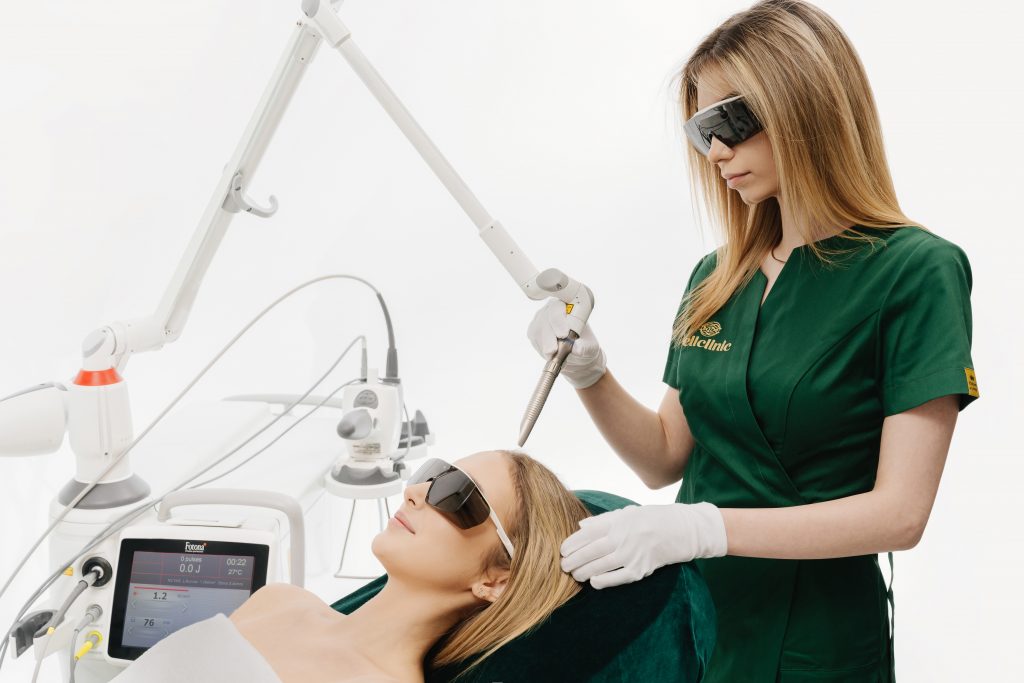
Wellclinic uses technology Fotona Hair Restoration, laser-based Fotona Dynamis SP Pro. The treatment is designed to stimulate the scalp and support the activity of the hair follicles.
Laser therapy It is a non-surgical method. It does not involve the removal or transplantation of hair follicles.
It is worth bearing in mind, however, that the body’s ability to recover depends on the condition of the hair follicles and the type of hair loss. Hair regrowth cannot be guaranteed in every case, particularly where the hair follicles have been permanently damaged.
The first changes may become noticeable gradually. It takes time to assess the results, as hair goes through specific growth phases.
Fotona Hair Restoration It can also form part of a broader treatment programme that combines laser therapy with other methods designed to support the health of the scalp.
Mesotherapy or laser therapy? Which method should you choose?
There is no one-size-fits-all answer. Just because a particular method has worked for one person does not mean it will produce the same result for another.
Needle mesotherapy involves the topical application of preparations to the scalp. Laser therapy Instead, it uses light energy to stimulate tissues.
Both methods have different mechanisms of action and can fulfil different roles within a treatment plan.
In many cases, the best results may be achieved by combined therapy, comprising needle mesotherapy and laser therapy. Combining both methods allows for a multi-faceted approach – laser therapy stimulates the tissues and promotes hair follicle activity, In contrast, mesotherapy supplies the scalp with carefully selected active ingredients.
This comprehensive approach helps to support both the health of the scalp and the hair growth process. The scope of the treatment, the number of sessions and their frequency are tailored to each individual, taking into account the cause of hair loss and the condition of the hair follicles.
How long does hair loss treatment take, and when can you see the results?
This is one of the most common questions asked by people struggling with excessive hair loss.
It is important to remember that hair does not regenerate overnight. Hair growth follows a cyclical pattern, so you will need to wait before you can assess the results of the treatment.
The following are important:
- the type and severity of hair loss;
- duration of the problem;
- the initial condition of the hair follicles;
- the therapeutic method used;
- the body’s individual response.
In the case of laser therapy and mesotherapy It is usually necessary to undergo a series of treatments. The number and frequency of appointments are determined on a case-by-case basis.
It is not worth judging the effectiveness of the treatment solely on the basis of the amount of hair left on the brush after a few days. The process requires patience and regular monitoring.
What else can you do to reduce hair loss?
Salon treatments are just one part of the treatment programme. It is just as important to look after your body and scalp on a daily basis.
Please bear the following points in mind:
- The right amount of protein - Your diet should provide the nutrients necessary for healthy hair growth.
- Deficiency screening - A deficiency in iron, zinc or other nutrients can affect the condition of your hair. It is advisable to choose supplements based on the results of a medical assessment.
- Proper care - Avoid putting too much strain on your hair or damaging it whilst styling it.
- Physical recovery - Chronic stress and a lack of sleep can have a negative impact on the condition of your hair.
- Hormonal and laboratory diagnostics - in appropriate cases, it helps to identify problems that may be causing excessive hair loss.
Please bear in mind that supplements are no substitute for a medical diagnosis. Taking high doses of vitamins and minerals without a confirmed deficiency may do more harm than good.
Hair loss treatment – look after your hair before it thins any further
Have you noticed more and more hair on your brush? Is your parting getting wider, and is your hair losing its former volume?
Don’t wait until the problem becomes more obvious. The sooner you find out the cause of your hair loss, the sooner you can plan the appropriate course of action.
At Wellclinic, we offer consultations and treatments to support hair loss therapy in Warsaw, Gdańsk and Cracow. Depending on the patient’s needs, it is possible to opt for scalp mesotherapy, Fotona Hair Restoration laser therapy or a combination of both.
Book a consultation at Wellclinic. Our team will assess the condition of your hair and scalp, discuss the options available and help you choose the treatment best suited to your situation.
Sources:
1. American Academy of Dermatology – "Hair loss: Diagnosis and treatment. "
https://www.aad.org/public/diseases/hair-loss/treatment/diagnosis-treat
2. American Academy of Dermatology – Hair loss: Who is affected and what causes it. An overview of the causes of hair loss in women and men. https://www.aad.org/public/diseases/hair-loss/causes/18-causes
3. Journal of the American Academy of Dermatology. Adil A., Godwin M. (2017) – "The effectiveness of treatments for androgenetic alopecia: A systematic review and meta-analysis. "
https://pubmed.ncbi.nlm.nih.gov/28396101/
4. Dermatology: Practical & Conceptual. Guo E.L., Katta R. (2017) – "Diet and hair loss: Effects of nutrient deficiency and the use of supplements."
https://pmc.ncbi.nlm.nih.gov/articles/PMC5315033/
5. American Academy of Dermatology - Hair loss: Tips for managing it. Recommendations on care and nutrition. https://www.aad.org/public/diseases/hair-loss/treatment/tips
Book a consultation




 +48 600 100 177