
 Katarzyna Pawłowska
 29.10.2026
Table of contents
You’ve managed to lose over a dozen kilograms thanks to Mounjaro? The battle for lasting results is not over yet. Once you stop taking the medicine, your appetite may increase again, the feeling of fullness may diminish, and your body weight may gradually start to rise. However, this does not mean that regaining all the weight you have lost is inevitable.
How to maintain your weight after taking Mounjaro, when the body stops receiving pharmacological support? The answer is not simply a matter of eating smaller portions and weighing yourself more often. Muscle mass, sleep quality, how you respond to hunger, and your plan for further treatment are also important.
Obesity is a chronic condition. That is why maintaining the results of weight loss requires a strategy that takes into account not only daily habits but also the biological mechanisms that regulate body weight.
What happens after you stop taking Mounjaro?
Mounjaro contains tirzepatide, a substance that acts on the receptors of two gut hormones: GIP and GLP-1. It helps regulate blood glucose levels, curbs appetite and helps increase the feeling of fullness. As a result, patients often find it easier to reduce their food intake and achieve weight loss.
Once treatment has finished, the effects of the medicine gradually wear off. Some people experience increased hunger and a greater interest in food, and it becomes more difficult to maintain their current eating habits.
This is not evidence of a lack of willpower. After losing weight, the body may trigger mechanisms that encourage weight regain. Appetite regulation changes, and energy requirements are different from what they were before weight loss.
Stopping Mounjaro does not automatically mean a return to your previous weight. It does, however, mean that we must be prepared for a change in circumstances in which it may become more difficult to maintain the results achieved.
Does your appetite return after stopping Mounjaro?
Yes, In some patients, their appetite returns. When using tirzepatide It is sometimes easier to finish a meal without having a second helping, to cut down on snacking and not to think about food so often. Once treatment is over, these feelings may change.
It is worth learning to recognise three situations:
- Physiological hunger – the body needs energy, and it’s been a while since the last meal.
- An appetite for a specific product – A craving for a particular food is triggered by its smell, appearance or availability.
- Emotional eating – eating becomes a way of coping with stress, tension, boredom or tiredness.
These situations may overlap. Recognising them makes it easier to choose the right response, rather than automatically restricting food intake every time you feel hungry.
If your hunger becomes very intense, you experience episodes of losing control over your eating, or your weight increases rapidly, it is worth discussing these symptoms with your doctor.
Mounjaro and the yo-yo effect – what do the studies show?
One of the most important studies on the maintenance of treatment effects with tirzepatide is SURMOUNT-4.
During the first 36 weeks of the study, participants took tirzepatide and lost an average of 20.9% of their initial body weight. Thereafter, some of them continued treatment, whilst the others received a placebo.
Over the following 52 weeks, those who stopped taking tirzepatide regained, on average, 14.0% of body weight compared with their weight at the start of the second phase of the trial. Among participants who continued treatment, body weight decreased by a further 5.5% on average during this period.
The results show that weight regain after Mounjaro It is a real problem, even for people who have previously achieved significant weight loss. However, this does not mean that every patient will regain the weight they have lost to the same extent.
Obesity is a chronic condition. Maintaining a lower body weight may require long-term care and, for some patients, continued medication as prescribed by their doctor.
Why does the body want to regain the weight it has lost?
After losing weight, the body does not always behave as we might expect. You can eat sensibly, exercise regularly and still feel hungrier than you did before losing weight.
Factors contributing to this include, amongst others:
- Changes in appetite regulation – hunger pangs may become more intense, whilst the feeling of fullness after a meal may be less pronounced.
- Reduced energy requirements – A smaller body generally requires less energy to function on a day-to-day basis than a body of greater mass.
- Changes in body composition – During weight loss, both body fat and muscle mass may decrease.
- Food-related stimuli – stress, lack of sleep, smells and the availability of high-calorie foods can make it difficult to control the amount of food you eat.
That is precisely why a weight-maintenance strategy should be more than just another restrictive diet. It must take into account both physiology and everyday living conditions.

How to maintain your weight after taking Mounjaro? 10 steps worth taking
There is no single approach that guarantees the results will be maintained in every patient. However, measures can be put in place to support weight management and reduce the risk of regaining weight.
1. Plan for the period following the end of drug treatment
The most common mistake is to treat the final dose of the medicine as the end of the whole weight-loss process. However, it is worth drawing up a weight-maintenance plan whilst you are still undergoing treatment.
Think about what your day will be like when your appetite becomes more noticeable. Do you have set mealtimes? Can you prepare a nutritious meal without resorting to random snacks? Do you know what to do if your weight starts to increase gradually?
It is helpful to arrange a follow-up appointment with your doctor once treatment has finished and to discuss the next steps. This means you won’t have to make all the decisions only once the first difficulties arise.
2. Make sure you get enough protein
Losing weight isn’t just about shedding kilograms. It’s just as important to preserve muscle mass, which is responsible for strength, fitness and a significant proportion of the body’s energy expenditure.
Protein whilst losing weight It helps to support the maintenance of muscle mass and, when combined with a properly planned diet and exercise, can help to maintain a healthy body composition.
It is a good idea to include eggs, fish, dairy products, lean meat, tofu and pulses in your daily diet. There is no need to base your diet on protein supplements – ordinary foods can form the basis of your diet.
Protein requirements should be tailored to body weight, activity level, age and state of health. People with kidney disease or other medical conditions requiring dietary adjustments should consult a specialist to determine their protein intake.
3. Start doing strength training, even if you no longer want to lose weight
Once they have reached their target weight, many people focus solely on maintaining that weight. However, the composition of one’s body weight is just as important.
Strength training after Mounjaro It can help maintain muscle mass, improve strength and help you stay fit. It doesn’t necessarily mean intense workouts at the gym. To start with, carefully chosen exercises using your own body weight, resistance bands or light weights are enough.
The most important thing is to exercise regularly and to gradually adapt the intensity of the workout to your body’s capabilities. People with chronic conditions, pain or who have had a long break from physical activity should choose an exercise plan suited to their state of health.
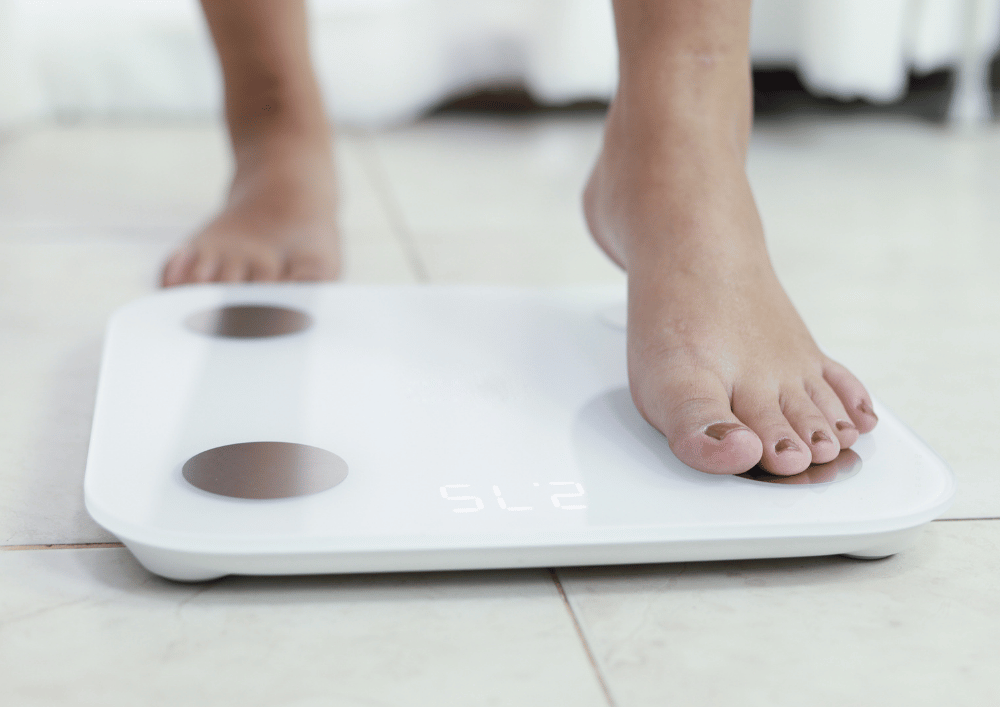
4. Keep an eye on the trend in your weight, rather than each individual reading
Has your weight gone up by a kilogram in two days? That doesn’t necessarily mean you’ve gained that much body fat.
Short-term fluctuations are influenced, amongst other things, by the body’s water content, salt intake, glycogen stores and the contents of the digestive tract. For this reason, a single measurement does not provide a complete picture of the situation.
It is worth weighing yourself under comparable conditions and analysing changes over a longer period. For some people, one measurement a week is enough, whilst others find it easier to monitor their weight more frequently. The method of monitoring should also take mental well-being into account.
If a clear upward trend persists for several weeks, it’s worth checking what has changed. Are your meals higher in calories? Have you become less active? Have you started snacking or are you having trouble sleeping?
An early response offers more options than ignoring the problem for months on end.
5. Don’t ignore sleep and your evening appetite
Sleep deprivation can make it difficult to maintain a healthy weight. Fatigue can increase cravings for high-calorie foods, weaken self-control over eating and make it difficult to exercise regularly.
If, after stopping Mounjaro, you find yourself snacking more often in the evening, check not only your diet but also the length and quality of your sleep.
It is helpful to have regular bedtimes and wake-up times, allow sufficient time for recovery, and minimise factors that make it difficult to fall asleep. Most adults need around 7–9 hours of sleep a night, although individual needs may vary.
If you continue to have trouble sleeping, or if this is accompanied by significant daytime sleepiness, it is advisable to consult a doctor.
6. Plan your meals before you get really hungry
When your appetite returns, making last-minute decisions about what to eat can be more difficult. That’s why it’s a good idea to plan your main meals and shopping in advance.
This doesn’t mean you have to plan a menu for every day of the month. A few tried-and-tested ideas are all you need:
- Make a shopping list and keep ingredients at home for quick, nutritious meals.
- Make sure to include sources of protein, vegetables, whole grains and an adequate amount of fats.
- Think in advance about what you’ll eat on days when you don’t have time to cook.
- Don’t regularly skip meals just to make up for a previous deviation from your plan.
Diet following discontinuation of Mounjaro It should be feasible to stick to in everyday life. The more complicated and restrictive the plan, the harder it is to fit it in with work, travel, family gatherings and days when you’re not feeling your best.
7. Do not try to replace your medication with a fast
After discontinuing drug treatment Some people start to restrict their food intake even further. They come to believe that, since it used to be easier to eat less, they now have to monitor every mouthful.
It is a risky strategy. Excessive restrictions can lead to severe hunger, fatigue, difficulty sticking to the diet, and a cycle of restricting food intake and overeating.
A better approach is a well-balanced diet, which provides energy and nutrients whilst helping you maintain a stable body weight.
If you feel that your eating is starting to get out of control again, don’t see it as a personal failure. Support from a dietitian or a specialist in eating behaviour can help you identify the root cause of the problem.
8. Be aware of stress and emotional eating
This is one of the less obvious aspects of maintaining the effects of weight loss. Not every craving stems from an actual need for energy.
For some people, eating becomes a way of relieving tension after work, improving their mood or providing a temporary distraction from their problems. During pharmacological treatment, a reduced appetite may limit the frequency of such situations. Once treatment has ended, these previous patterns may become more apparent again.
It’s worth noting the circumstances in which you most often feel the urge to eat. Does it happen after a stressful meeting? In the evening, when you finally have a moment to yourself? Or perhaps when you’re sleep-deprived?
Observation alone does not solve all the difficulties, but it does help you to recognise the problem more clearly. Regular physical activity, relaxation techniques, rest and psychological support can be helpful if eating has become your main way of coping with your emotions.
9. Don’t judge the results solely on the basis of the number of kilograms
Body weight It is an important indicator, but it does not provide a complete picture of one’s health. Two people of the same weight may have different body compositions, fitness levels and metabolic profiles.
Once treatment has finished, it is also worth keeping an eye on your waist circumference, muscle strength, exercise tolerance, general well-being and the health indicators assessed by your doctor.
This is particularly important in patients whose blood glucose levels, blood pressure or other metabolic disorders have improved during treatment.
It is not about ignoring weight gain. It is about properly assessing the situation and choosing actions that genuinely promote health, rather than focusing solely on a single indicator.
10. Stay under medical supervision
Maintaining weight loss results after taking Mounjaro It is not always possible to achieve this through lifestyle changes alone. In some patients, weight regain may indicate that obesity still requires active treatment.
During follow-up appointments, the doctor can assess the results achieved so far, any health risks, how well the patient has tolerated previous treatment, and the need for further support. Depending on the situation, it may be possible to discuss continuing treatment, resuming it, or other courses of action.
You should not adjust the dosage yourself or restart treatment with tirzepatide. Any decision should take into account medical indications, contraindications, your current state of health and the course of treatment to date.
Regular monitoring enables problems to be addressed at an early stage, before a slight increase in weight develops into a long-term relapse into obesity.
Why are you putting on weight, even though you’re eating much the same as you did during treatment?
This question can be frustrating. The patient feels that they haven’t changed their habits, yet the figure on the scales is gradually increasing.
Following significant weight loss, the body usually requires less energy than before the weight loss. If, in addition, your appetite returns with greater intensity, maintaining your previous weight may require more attention than whilst taking the medicine.
This does not mean that your metabolism has been permanently damaged. Your energy balance is influenced by a combination of factors, including body weight, activity levels, body composition, appetite, sleep and many others.
In such a situation, it is worth taking a few weeks to analyse your daily habits, rather than drastically reducing the amount of food you eat. If the upward trend continues, you should discuss it with your doctor or a dietitian.
Is there a risk of muscle loss after stopping Mounjaro?
Not everyone who uses thirzepatide experiences significant muscle loss; however, during weight loss, both body fat and lean body mass may decrease.
This is important because muscles support fitness, strength and the ability to carry out everyday activities. Maintaining muscle mass is particularly important for older people and for patients who had low muscle mass before starting treatment.
Therefore maintaining muscle mass after taking Mounjaro It should include an adequate intake of protein, resistance training and sufficient energy in the diet. In cases of significant weight loss or weakness, it is worth considering a body composition assessment and consulting a specialist.
What should I eat after stopping Mounjaro to avoid putting on weight?
There is no single diet that is suitable for every patient. Meal plan It should take into account a person’s state of health, activity levels, preferences, energy requirements and any dietary restrictions.
In practice, it is a good idea to base your daily diet on a few principles:
- Protein – eggs, fish, dairy products, tofu, pulses or other suitable sources.
- Fruit and vegetables – they provide fibre, vitamins and minerals.
- Wholegrain products – they may help promote a feeling of fullness and support the proper functioning of the digestive system.
- Healthy fats – including, amongst other things, olive oil, nuts, seeds and fish.
- Adequate hydration – supports the body’s normal functioning.
The pace at which you eat and paying attention to feelings of fullness are also important. There’s no need to strive for a perfect meal plan every day. What matters more is a way of eating that you can maintain over the long term.

Can you start taking Mounjaro again after regaining the weight?
If After treatment has finished, body weight increases again, it is advisable to consult a doctor. You should not assume that you will need to take the medicine again, but you should not rule out this possibility without a medical assessment either.
Obesity is a chronic condition, which is why long-term drug therapy may be justified in some people. The decision depends on the current indications, contraindications, tolerance of the treatment, and the benefits and risks in each specific case.
Particular care is required when resuming treatment on your own after a long break. Do not take a missed dose without consulting your doctor first.
What should you bear in mind once you have finished your Mounjaro treatment?
How can I maintain my weight after taking Mounjaro? It is not achieved through a constant battle against hunger or increasingly restrictive diets. What matters is a combination of several factors: a balanced diet, maintaining muscle mass, regular physical activity, good sleep, monitoring weight trends and ongoing medical care.
It is worth bearing in mind that a return of appetite or weight gain does not automatically mean that you have failed. It may be a sign that you need a different kind of support or that your treatment plan needs to be reassessed.
The best results are achieved through an approach that takes into account both daily habits and the biological nature of obesity. This means that maintaining your target weight does not have to rely solely on willpower.
Do you want to maintain the results of your weight loss even after you’ve finished your Mounjaro treatment?
Losing weight is only part of the process. Equally important is how your body composition, skin firmness and facial appearance change as you lose weight. Body Genetic at Wellclinic It is a medical programme that combines diagnostics, medical care, individually tailored pharmacotherapy and technologies designed to help shape the figure and improve skin firmness.
Depending on medical indications and the doctor’s decision, treatment may include medicines such as Mounjaro or Ozempic. These are not suitable for every patient and require prior assessment. If you want to focus not only on weight loss, but also on the condition of your skin and your body shape, Discover what the Body Genetic programme has to offer.
Book a consultation at Wellclinic and find out which options are best suited to your health, needs and treatment goals.
Sources:
- PubMed „Continued Treatment With Tirzepatide for the Maintenance of Weight Loss in Adults With Obesity: The SURMOUNT-4 Randomised Clinical Trial”
https://pubmed.ncbi.nlm.nih.gov/38078870/ - JAMA „Continued Treatment With Tirzepatide for the Maintenance of Weight Loss in Adults With Obesity: The SURMOUNT-4 Randomised Clinical Trial” https://jamanetwork.com/journals/jama/fullarticle/2812936
- Centres for Disease Control and Prevention (CDC) „Tips for Keeping the Weight Off”
https://www.cdc.gov/healthy-weight-growth/losing-weight/keeping-it-off.html - Centres for Disease Control and Prevention (CDC) „Steps for Losing Weight”
https://www.cdc.gov/healthy-weight-growth/losing-weight/ - Harvard T.H. Chan School of Public Health „Intuitive Eating” https://nutritionsource.hsph.harvard.edu/intuitive-eating/
- Harvard Health Publishing „How to Curb Your Stress Eating”
https://www.health.harvard.edu/diet-and-nutrition/how-to-curb-your-stress-eating - PubMed „The effect of resistance exercise on body composition, muscle strength and cardiometabolic health during dietary weight loss in people who are overweight or obese” https://pubmed.ncbi.nlm.nih.gov/40909191/









 +48 600 100 177