
 Katarzyna Pawłowska
 18.05.2026
 Table of contents
A Brazilian bikini is a method of intimate hair removal that involves removing almost all the hair from this area of the body. It can be carried out using wax, sugar paste or a laser. The choice of method affects comfort, the frequency of treatments and the longevity of the results achieved.
Brazilian bikini laser hair removal It helps to gradually reduce hair regrowth, so your skin can stay smooth for longer. Find out how a Brazilian wax works, how to prepare for a laser treatment session, and when you can expect to see the first results.
What is a Brazilian bikini?
Brazilian bikini This is one of the most comprehensive forms of intimate hair removal. It usually involves the removal of hair from the groin, the mons pubis, the labia and the area between the buttocks. The exact extent is determined on an individual basis, according to personal preferences and the chosen hair removal method.
Not everyone opts for complete hair removal. It is also possible to leave a small strip or other section of hair, provided this meets the individual’s expectations and is in line with the scope of the service.
Brazilian hair removal It is chosen primarily by people who want smooth skin and to minimise the need for frequent hair removal. With traditional methods, the results last for a shorter period, whereas Brazilian bikini laser hair removal helps to gradually and permanently reduce hair regrowth.
It is worth remembering that pubic hair is natural and serves a protective function. The decision to remove it is a matter of personal preference, not a hygiene necessity.
What are the different methods of Brazilian waxing?
There are several ways to remove hair from the intimate areas. The various methods differ in terms of how they work, how long the results last and the risk of irritation.
Shaving with a razor It is quick and easy to use, but it does not remove the hair from the follicle. As a result, the skin remains smooth for only a short time, and regrowing hairs can cause itching, redness or ingrown hairs.
Waxing involves removing the hairs along with their roots. The results can last for several weeks, but the method can be painful and may cause irritation. It also needs to be repeated regularly.
Sugar paste hair removal It also removes hairs from the root. Tolerance to this method varies from person to person, so one should not assume that it will always be less painful or safer for sensitive skin.
Laser depilation It utilises light energy, which acts on the pigment in the hair shaft and leads to a gradual reduction in hair growth. As the laser is most effective on hair in a specific growth phase, a series of sessions is required. Once this series is complete, follow-up treatments may be necessary.
What is Brazilian bikini laser hair removal like?
Brazilian bikini laser hair removal It begins with an assessment of the skin, body hair and any potential contraindications. During the consultation, the exact scope of the hair removal treatment and a plan for subsequent sessions are also agreed.
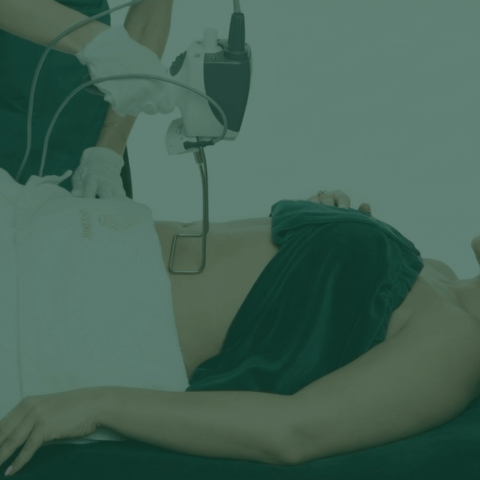
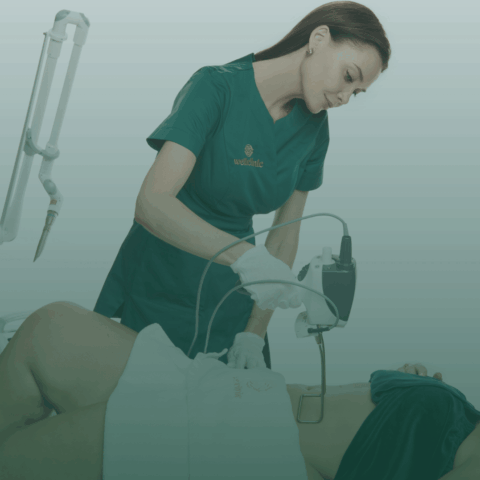
Before the procedure begins, the specialist prepares the treatment area and adjusts the device’s settings to suit the patient’s individual needs. The laser handpiece is then moved across the skin in accordance with the established technique. The duration of the session depends, amongst other things, on the size of the area and the technology used.
At Wellclinic, the following is used Prime 3D technology. Cooling system TEC Thermo-Electric Cooling It helps to maintain skin comfort whilst the device is in use. However, cooling does not mean that sensations or the risk of side effects are completely eliminated.
After the treatment, the skin may be temporarily red or sensitive. The reaction depends on individual tolerance, the treatment settings and the area treated.
How many Brazilian bikini laser hair removal sessions are needed?
A series of around 4–6 sessions, although this number is not suitable for everyone. The final number of sessions depends, amongst other things, on hair colour and thickness, skin phototype, hormonal factors and the response to previous sessions.
Treatments are carried out at intervals determined by a specialist. You should not shorten these intervals yourself simply to achieve results more quickly. The laser targets hairs in a specific growth phase, which is why a course of treatments allows successive areas of hair to be treated gradually.
Does Brazilian laser hair removal hurt?
Feelings during laser depilation These vary from person to person. They depend, amongst other things, on skin sensitivity, hair density and thickness, the area being treated, and the settings used. Some people feel brief flashes of heat, a gentle prickling sensation, or a sensation similar to a rubber band snapping against the skin.
The intimate area It may be more sensitive than other parts of the body, so there is no guarantee that hair removal will be completely pain-free. The cooling systems used in modern devices help to make the session more comfortable, but they do not eliminate all sensations.
If you have a low pain threshold or are worried about feeling discomfort, please let the specialist know before the hair removal treatment begins. This will allow you to discuss possible solutions and realistically assess what you can expect.

How should you prepare for laser bikini hair removal?
Proper preparation of the skin is important for the safety and effectiveness of laser hair removal. Before your appointment, please follow the instructions given during your consultation, as these may vary depending on the device used and your individual circumstances.
The most common recommendations are:
- shaving the area to be treated with a razor on the date specified by the specialist;
- avoid using wax, sugar paste or tweezers to remove hair before a course of laser treatment, as removing the hair from the root may reduce the effectiveness of the laser;
- avoiding sunbathing and informing the clinic of any recent tanning before your appointment;
- informing the specialist about any medicines you are taking, any products you are using, and any previous skin reactions;
- Please arrive for your appointment with clean skin and no make-up on the area to be treated, if the clinic has advised this.
You should not stop taking any medication on your own before your appointment. If you are taking any medication that may increase your skin’s sensitivity to light, please discuss this with a specialist, who will assess whether hair removal can be carried out.
Brazilian bikinis versus high-cut bikinis – how do they differ?
High-cut bikini i brazilian bikini These are terms whose scope may vary from one clinic to another. Typically, a deep bikini wax involves removing hair from the groin and most of the area below the underwear line, but may leave hair on the mons pubis.
Brazilian bikini This usually refers to a wider area – including hair on the labia and the area between the buttocks. However, it is possible to leave a small patch of hair if this is in line with the patient’s preferences and the scope of the service.
As the terminology isn’t standardised, it’s a good idea to decide which areas you’d like to have waxed before your appointment. This will help you avoid any misunderstandings and make it easier to choose the right service.
What are the results of a Brazilian wax, and when do you start to see them?
The results of hair removal depend on the method used. After shaving, the skin is smooth immediately after the hair has been removed, but the effect usually wears off quickly. Wax and sugar paste remove the hair from the root, which is why regrowth takes longer than after shaving. However, neither of these methods provides permanent hair reduction.
In the case of Brazilian bikini laser hair removal The results appear gradually. After successive sessions, you may notice that there is less hair, some of it becomes finer, and regrowth slows down. The rate of change depends on the individual characteristics of the hair and the regularity of the sessions.
Once the course of treatment is complete, a long-term reduction in hair growth can be achieved, but this should not be equated with a guarantee of complete and permanent removal of every single hair. Some people may require follow-up sessions over time.
Ingrown hairs after bikini epilation - how to prevent them?
Ingrown hairs occur when a hair cannot break through the skin’s surface freely and begins to grow beneath the epidermis or curls back towards it. This can lead to redness, itching, painful lumps and, sometimes, inflammation.
The problem may occur after shaving or waxing, particularly if the hair is coarse or curly and the skin is prone to irritation. The risk may also be increased by friction, for example caused by tight underwear.
To limit ingrown hairs after bikini waxing, It is advisable to avoid dry shaving, to use a clean razor and not to squeeze any skin lesions. When it comes to the intimate areas, one should exercise caution with exfoliants and moisturising products, as the skin in this area is delicate.
Laser hair removal can help reduce the problem of ingrown hairs, as it gradually reduces the amount and thickness of regrowing hair. However, it does not guarantee that the problem will disappear completely. If you experience recurrent, painful or pus-filled lesions, it is advisable to consult a doctor.
How long does the effect of a Brazilian wax last?
How long the results last depends primarily on the method chosen. After shaving, hairs may become visible again after a short time, as their roots remain in the skin. Wax and sugar paste ensure a longer period of smoothness, but the hair grows back and the treatment needs to be repeated.
A course of laser hair removal can result in long-lasting hair reduction. The extent of this reduction and how long the results last vary from person to person. Factors such as hormones, individual body characteristics, hair colour and thickness, and the number of sessions undertaken all play a part.
For this reason, it is worth thinking of a hair removal plan as a process rather than a single appointment that will solve the problem of unwanted hair once and for all.
How should you look after your skin after laser bikini hair removal?
After laser hair removal, the skin may be temporarily red, slightly swollen or sensitive to touch. These reactions are usually short-lived, but their severity depends on the individual’s skin tolerance and how the session went.
After your visit, it’s worth:
- use gentle skincare products recommended by a specialist;
- avoid friction and wear breathable underwear if your skin is irritated;
- For the period specified after the treatment, avoid saunas, very hot baths and strenuous exercise, as these may exacerbate redness;
- Do not apply strong moisturising cosmetics or products containing irritating ingredients to irritated skin;
- follow individual advice on hygiene and personal care.
If you experience severe or worsening pain, blisters or any other worrying symptoms, contact the clinic or your doctor. You should not assume that every skin reaction following hair removal is normal.
What are the contraindications to laser hair removal?
Feasibility laser depilation This is assessed on a case-by-case basis. Factors that may be relevant include, amongst others, a recent tan, active infections or inflammation of the skin in the area to be treated, certain skin conditions, medications and preparations that increase sensitivity to light, and other medical factors.
Before your appointment, please inform the specialist about your state of health, any medication you are taking, any tendency towards skin discolouration, and any previous reactions to treatments. Depending on the circumstances, the hair removal treatment may be postponed, the plan adjusted, or the treatment cancelled.
Brazilian bikini – which hair removal method should you choose?
Brazilian bikini This is a hair removal method that covers almost the entire intimate area. The choice between shaving, waxing and laser treatment depends on how long you want the results to last, your skin’s sensitivity and your personal preferences. Brazilian bikini laser hair removal It helps to gradually reduce the amount of hair regrowth, decrease the frequency of hair removal and, for some people, minimise the problem of ingrown hairs.
However, results depend on individual circumstances, and achieving long-term hair reduction usually requires a series of sessions. Before starting hair removal treatment, it is advisable to consult a specialist who will assess the condition of your skin, rule out any contraindications and help you choose the appropriate course of treatment.
Would you like to find out more about laser hair removal? Brazilian bikini in Wellclinic? Make an appointment for a consultation - Our cosmetologists will select an individual treatment plan, tailored to your skin and the desired effect. Bikini laser hair removal is performed at our clinics in Warsaw, Gdansk i Krakow.
Sources:
- Cleveland Clinic „What You Need to Know Before Having a Brazilian Wax”
https://health.clevelandclinic.org/what-is-a-brazilian-wax - American Academy of Dermatology „Laser Hair Removal: An Overview” https://www.aad.org/public/cosmetic/hair-removal/laser-hair-removal-overview/
- Cleveland Clinic „Laser Hair Removal: How it Works & What to Expect” https://my.clevelandclinic.org/health/treatments/21757-laser-hair-removal
- American Academy of Dermatology „6 Ways to Remove Unwanted Hair” https://www.aad.org/public/everyday-care/skin-care-basics/hair/remove-unwanted-hair
- Cleveland Clinic „Ingrown Pubic Hair: Symptoms, Causes, Treatment & Prevention” https://my.clevelandclinic.org/health/diseases/ingrown-pubic-hair
- American Academy of Dermatology „How to Shave”
https://www.aad.org/public/everyday-care/skin-care-basics/hair/how-to-shave - PubMed „A preliminary study of subtle changes in the duration of dynamic cooling during 755-nm laser hair removal in relation to pain and epidermal damage in patients with skin types III–V” https://pubmed.ncbi.nlm.nih.gov/12355569/
- ACOG „To Shave or Not to Shave: An Ob-Gyn’s Guide to Pubic Hair Care”
https://www.acog.org/womens-health/experts-and-stories/the-latest/to-shave-or-not-to-shave-an-ob-gyns-guide-to-pubic-hair-care

Frequently asked questions
Properly preparing the skin for a Brazilian wax helps to minimise the risk of irritation, redness and skin sensitivity. The skin in the bikini area is extremely sensitive, which is why it requires gentle care before the treatment.
Two to three days before hair removal, it is advisable to avoid mechanical exfoliants, cosmetics containing alcohol and strong acids, as these can weaken the skin’s protective barrier. Sunbathing is also not recommended, as irritated or heated skin reacts less well to the treatment and is more prone to micro-damage.
On the day of the treatment, the skin should be clean, dry and free from irritation. For laser hair removal, it is recommended that you shave the bikini area around 24 hours beforehand so that the laser energy acts directly on the hair follicle.
Well-prepared and well-moisturised skin tolerates the treatment better, and the risk of adverse reactions is lower.
Brazilian waxing can be safe for sensitive and allergy-prone skin, but it requires an individualised approach and appropriate assessment prior to the treatment. Assessing the condition of the skin before the procedure is of key importance, as reactive skin has a lower tolerance threshold to mechanical, thermal or chemical stimuli.
In the case of sensitive skin, it is often necessary to adjust the treatment parameters to minimise the risk of irritation, redness or temporary hyperreactivity of the epidermis. It is also important to prepare the skin properly — by avoiding cosmetics containing alcohol, fragrances and strong exfoliating products for a few days before the treatment.
For people prone to allergies, it is particularly important to minimise contact with potential irritants both before and after the treatment. This includes, amongst other things, certain lotions, deodorants and products containing preservatives and fragrances.
When carried out correctly – following a consultation and tailored to the individual’s skin type – hair removal can be well tolerated even by those with sensitive skin. In such cases, it is essential to follow the correct treatment protocol and strictly adhere to the post-treatment recommendations.
The longevity of laser hair removal results in the bikini area depends on several key biological and behavioural factors that influence the hair growth cycle and the hair follicle’s response to laser energy. One of the most important factors is hair pigmentation and thickness — darker and thicker hairs absorb laser light more effectively, which increases the effectiveness of permanently damaging the hair.
Hormonal balance also plays a significant role. Changes in androgen levels can stimulate new hair follicles into activity, which in some cases leads to hair regrowth even after the course of treatment has ended. Hormonal stability therefore has a direct impact on the long-term effects of the treatment.
The hair growth cycle is also of great importance, as the laser only affects hairs in the anagen phase. For this reason, it is necessary to undergo a series of treatments at appropriate intervals in order to target as many active hair follicles as possible. Irregular treatment may reduce its effectiveness.
The longevity of the results is also influenced by adherence to post-treatment recommendations, such as avoiding sun exposure, irritation or mechanical irritation of the skin. Skin that regenerates properly promotes more stable and predictable results.
The final result is therefore the sum of the body’s individual predispositions and a properly conducted laser treatment.
Immediately after Brazilian bikini laser hair removal, the skin may react with temporary increased sensitivity, which is a natural effect of the laser energy on the hair follicles. In the first few hours, mild redness and slight swelling around the hair follicles are most commonly observed; this is known as an inflammatory skin reaction, which indicates that the treatment has worked as intended.
You may also experience a sensation of warmth, tightness or a slight stinging, which usually subsides gradually over the course of a few hours. In some cases, small, pinpoint areas of redness may also be visible in the places where the laser energy was most strongly absorbed by the hair follicles.
The skin is more sensitive at this time, so it is important to avoid friction, hot baths, saunas and strenuous physical activity. However, a normal post-treatment reaction should not involve severe pain or extensive swelling — such symptoms require consultation with a specialist.
Over the following hours and days, the skin gradually returns to normal and any redness fades. This process is part of the skin’s natural regeneration and indicates that the skin’s response mechanisms to the laser treatment have been triggered.
During laser therapy, methods that remove hair from the root, such as wax or mechanical depilatories, are not recommended. These can disrupt the hair growth cycle and weaken the effects of the treatment. However, shaving with a razor between sessions is acceptable.

 +48 600 100 177