
 Katarzyna Pawłowska

 01.06.2026
Table of contents
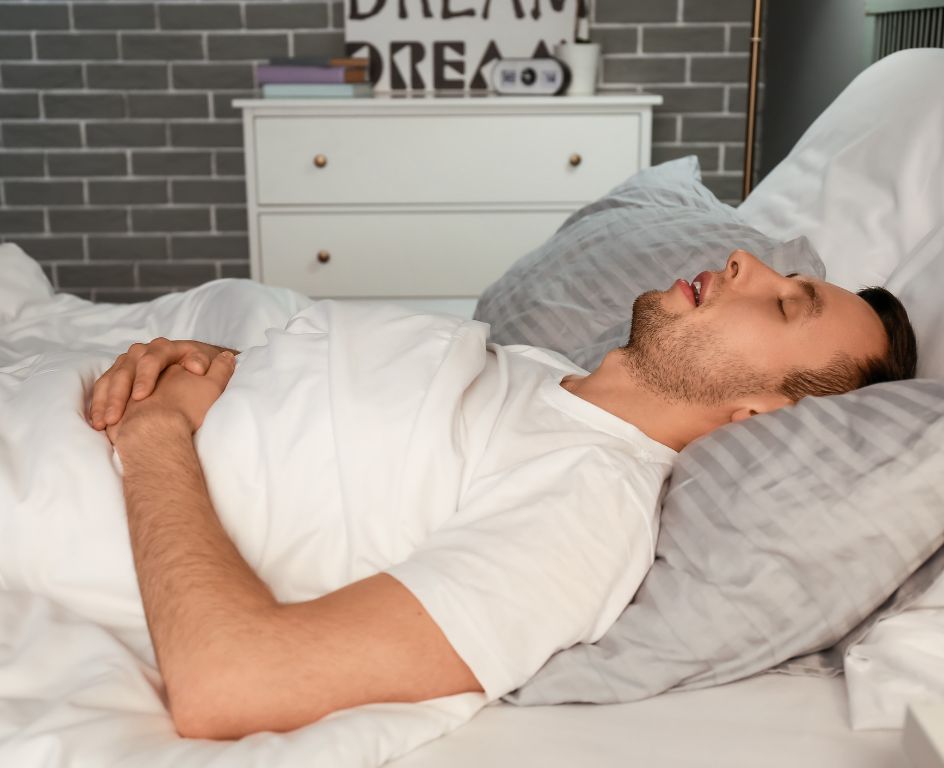
Snoring This is a problem that is often viewed simply as an annoying noise that disrupts a good night’s sleep. However, regular, loud snoring can be a symptom of sleep-related breathing disorders, of which obstructive sleep apnoea. Untreated sleep apnoea is associated with an increased risk of serious health consequences, such as hypertension, heart rhythm disorders or chronic fatigue. It is worth bearing in mind, however, that not all snoring is a sign of illness.
Dr Kamil Wysocki, Wellclinic doctor, talks about how snoring affects the body and how laser treatment of snoring It enables you to get rid of this problem effectively.
The mechanism behind snoring
Snoring is not always just a harmless sound that occurs during sleep. It occurs when airflow through the upper respiratory tract it encounters resistance, and the surrounding tissues begin to vibrate.
During sleep, the muscles of the soft palate, tongue and throat relax. In some people, this leads to airway narrowing. As a result, characteristic snoring sounds occur, the volume of which may depend, amongst other things, on sleeping position, the anatomical structure of the airways, body weight and alcohol consumption.
In some people, snoring is not associated with any significant breathing difficulties. In others, it may be accompanied by a partial or complete obstruction of the upper airways, leading to episodes of sleep apnoea. In such situations, gas exchange is disrupted and brief awakenings occur, which may recur many times throughout the night. The sleeper is not always aware of them, but may feel tired in the morning despite having slept for a sufficiently long time.
Is every snoring Is it dangerous?
Not all snoring is a sign of illness, but it is worth paying attention to how often it occurs and any accompanying symptoms. The following are particularly worrying: breathing pauses during sleep, sudden gasping for air at night, morning headaches and excessive sleepiness during the day.
Such symptoms may indicate obstructive sleep apnoea, which is a condition characterised by recurrent narrowing or closure of the upper airways during sleep. If apnoea is suspected, appropriate diagnosis of sleep apnoea, because simply reducing the sound of snoring does not necessarily mean that the breathing problem has been resolved..
Why can snoring be harmful to your health?
1. Snoring may be associated with an increased risk of cardiovascular disease
The greatest risk arises when snoring is accompanied by obstructive sleep apnoea.
During episodes of apnoea, there are periodic drops in blood oxygen levels. The body responds to these by stimulating the nervous system, causing changes in heart rate and an increase in blood pressure. If breathing disturbances occur repeatedly every night, they can lead to chronic strain on the cardiovascular system.
Untreated obstructive sleep apnoea is associated, amongst other things, with an increased risk of hypertension and heart rhythm disorders. It is also associated with an increased risk of other cardiovascular complications. The level of risk depends on the severity of the breathing difficulties and the individual’s state of health.
Therefore, regular, loud snoring – particularly when accompanied by pauses in breathing – should not be ignored. Early diagnosis of sleep apnoea enables appropriate treatment to be put in place and helps to minimise the associated risks.
2. Untreated sleep apnoea can affect life expectancy and quality of life
Recurrent breathing disturbances during sleep do not just affect a good night’s rest. They can also impact how the body functions during the day and increase the risk of long-term health problems.
Frequent awakenings and periodic oxygen deprivation mean that sleep becomes less restorative. In people with sleep apnoea, this can lead to chronic fatigue, a decline in well-being and a deterioration in day-to-day functioning. This disorder is also associated with adverse metabolic changes and an increased risk of certain chronic diseases.
Untreated sleep apnoea is also associated with an increased risk of serious health complications that can affect life expectancy. However, this does not mean that snoring alone shortens life by a specific number of years. It is crucial to determine whether the snoring is caused by a breathing disorder that requires treatment.
3. Snoring reduces the quality of sleep, concentration and day-to-day functioning
One of the most noticeable effects of breathing difficulties during sleep is a decline in how you feel during the day.
A person with untreated sleep apnoea may sleep for 7–8 hours and still wake up feeling unrested. This is due to repeated breathing disturbances and awakenings, which prevent the body from regenerating properly.
During the day, the following may occur:
- drowsiness and chronic fatigue,
- difficulty concentrating and remembering information,
- irritability and reduced stress tolerance,
- slower reactions and decision-making.
These symptoms can make it difficult to work, study and carry out everyday tasks. Excessive sleepiness also increases the risk of accidents, particularly when driving or carrying out tasks that require constant attention.
Nor should we forget the impact that snoring has on loved ones. Loud noises can regularly wake a partner, leading to sleep deprivation and a decline in both people’s well-being.
When should snoring prompt a visit to the doctor?
If snoring occurs regularly, gets worse or prevents you from resting properly, it is worth consulting a specialist. A medical assessment is particularly important when there are additional symptoms of sleep apnoea.
Warning signals include:
- noticeable breathing pauses during sleep,
- abrupt awakenings accompanied by gasping for air,
- increased daytime sleepiness,
- morning headaches and a feeling of not having had enough sleep,
- difficulty concentrating despite getting enough sleep.
A doctor can assess the structure of the upper respiratory tract, take a history of symptoms and risk factors and, if indicated, recommend sleep study. Diagnostic tests can determine whether the snoring is without apnoea or whether it is a disorder requiring separate treatment.
This is important because methods designed to reduce the sound of snoring do not always address the underlying cause of breathing difficulties.
How can you stop snoring? 3 methods worth considering
Method treatment of snoring Treatment should be tailored to the underlying cause. For some people, lifestyle changes are sufficient; for others, exercises for the muscles of the mouth and throat, or specialist treatment methods, may be helpful. If sleep apnoea is present, treatment must take into account its severity and the patient’s individual circumstances.
1. Changing habits and losing weight
One of the factors that may exacerbate snoring, is excess body weight. Adipose tissue in the neck and throat area can contribute to the narrowing of the upper airways during sleep. In people who are overweight or obese, a gradual weight reduction It may reduce the severity of snoring and, in some cases, also alleviate the symptoms of sleep apnoea.
Daily habits also play a role. It is worth avoiding alcohol before bed, as it can cause the throat muscles to relax further and make snoring worse. For some people, changing their sleeping position can also help — particularly if snoring is noticeably worse when lying on their back.
However, it is important not to regard these measures as a substitute for a medical assessment if symptoms of sleep apnoea are present.
2. Exercises for the tongue and throat muscles
Exercises targeting the muscles of the mouth and throat, referred to as myofunctional therapy or oropharyngeal exercises may help to reduce the severity of snoring in some patients.
These include, amongst other things, controlled movements of the tongue, exercises for the palate muscles, and repetitive movements and articulation patterns. Their aim is to improve the function and tone of the muscles involved in maintaining the patency of the upper airways.
The results depend on the regularity of the exercises, the cause of the snoring and individual circumstances. This method is not suitable as the sole course of treatment in every case, particularly where moderate or severe sleep apnoea is suspected.
3. Laser treatment for snoring — a method for selected patients
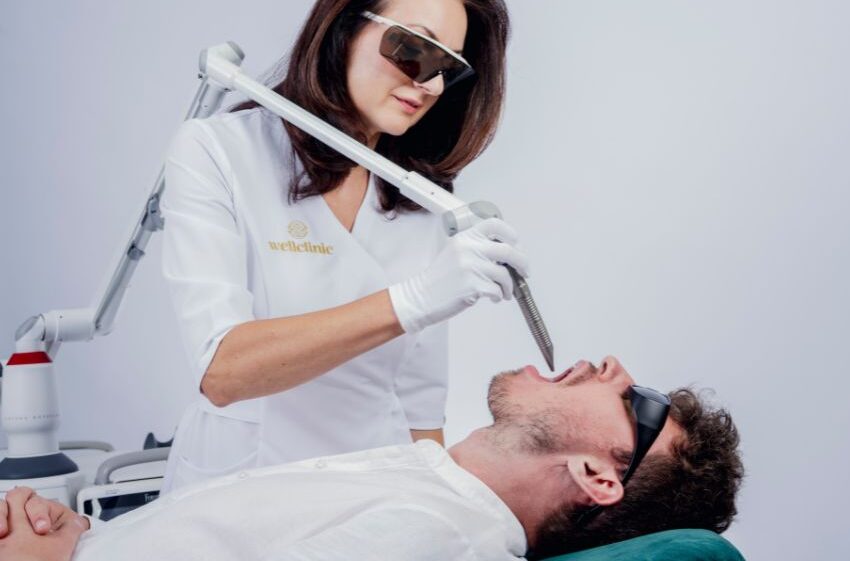
One of the methods available for reducing snoring is laser therapy for the soft palate. Its aim is to alter the properties and tension of the tissues in order to reduce their vibration when air flows past them.
Compared with some surgical procedures, certain laser treatments may be less invasive and do not require a long recovery period. However, the course of the treatment, the patient’s experience and the time taken to resume daily activities depend on the technology used and the individual’s circumstances.
Laser treatment of snoring It is not a solution for everyone. Whether this method can be used depends, amongst other things, on the patient’s anatomical structure and the cause of their snoring. Results may vary from patient to patient, and its long-term effectiveness has not been equally well established for all applications.
Before deciding to undergo the procedure, it is advisable to consult a specialist who will assess the indications and rule out sleep apnoea requiring a different type of treatment. In the event of a diagnosed case of sleep apnoea, laser therapy should not be used as a substitute for the treatment recommended for this condition without a proper medical assessment.
Laser treatment for snoring - do you qualify?
Snoring is not only a nuisance, but also a serious health risk. It can lead to heart disease, chronic fatigue and even reduced life expectancy. If you notice any of the following symptoms of sleep apnoea or you want to get rid of snoring effectively, it is worth taking an interest in modern treatment methods snoring. Thanks to non-invasive laser treatment for snoring, you can improve the quality of your sleep and your health without pain or a long recovery period.
If snoring is affecting your sleep or that of your loved ones, it is worth finding out the cause and choosing the right treatment in consultation with a specialist. Make an appointment for a consultation - our specialists will draw up a personalised treatment plan. We carry out laser treatments for snoring at our clinics in Warsaw, Gdansk i Krakow.
Sources:
- PubMed „Obstructive sleep apnoea and the risk of cardiovascular disease and all-cause mortality: a meta-analysis of prospective cohort studies”
https://pubmed.ncbi.nlm.nih.gov/24161531/ - PubMed „”Obstructive sleep apnoea and cardiovascular risk: a systematic review and meta-analysis”
https://pubmed.ncbi.nlm.nih.gov/41303825/ - PubMed „Meta-analysis of all-cause and cardiovascular mortality in obstructive sleep apnoea with or without continuous positive airway pressure treatment”
https://pubmed.ncbi.nlm.nih.gov/27502205/ - PubMed „Oropharyngeal and tongue exercises (myofunctional therapy) for snoring: a systematic review and meta-analysis”
https://pubmed.ncbi.nlm.nih.gov/29275425/ - PubMed „Er:YAG laser for snoring: a systematic review and meta-analysis”
https://pubmed.ncbi.nlm.nih.gov/32112250/ - PubMed „Er:YAG laser treatment for snoring: a systematic review and meta-analysis”
https://pubmed.ncbi.nlm.nih.gov/40566115/ - PubMed „Association of obstructive sleep apnoea with the risk of serious cardiovascular events: a systematic review and meta-analysis”
https://pubmed.ncbi.nlm.nih.gov/22828826/ - PubMed „Correlations between Obstructive Sleep Apnoea Syndrome and Daytime Sleepiness and the Risk of Car Accidents in the Adult Working Population”
https://pubmed.ncbi.nlm.nih.gov/35887735//






 +48 600 100 177