
 Katarzyna Pawłowska

 20.10.2026
Table of contents
Cellulite It can still be visible even if you watch what you eat, exercise regularly and maintain a healthy weight. Characteristic dimples on the thighs, buttocks or stomach They do not necessarily mean that you are doing something wrong. Their formation is linked to the structure of the subcutaneous tissue, the action of hormones, genetic predisposition and the condition of the skin.
Cellulite on the skin, commonly referred to as „orange peel”, is a common cosmetic concern that primarily affects women, regardless of their age or body shape. For some, the unevenness is only visible when the skin is pinched; for others, it is also visible whilst standing or walking.
The good news? There are ways to reduce the appearance of cellulite and improve skin firmness. However, it’s worth first understanding what causes these changes. Only then can you make informed choices about your skincare routine, physical activity and treatments.
What happens beneath the skin’s surface?
Cellulite is not solely a problem relating to excess body fat. It is caused by the interaction of several mechanisms that affect the appearance and structure of the skin.
What matters is the arrangement of connective tissue fibres, which separate clusters of fat cells. When fat tissue protrudes between these septa, characteristic dimples may appear on the skin’s surface. At the same time, a reduction in the skin’s elasticity can make these irregularities more visible.
At the development of cellulite also have an impact microcirculatory disorders and changes in fluid balance. In some people, this leads to fluid retention in tissues, which can exacerbate swelling and alter the appearance of the skin. However, this is not the only cause of cellulite.
The following also play an important role: hormones, genetics, age and lifestyle. That is why two people of similar weight may have completely different skin structures.
What does cellulite look like in the early stages and is cellulite always visible?
At first, cellulite may be barely noticeable. It may manifest itself only as subtle unevenness, visible only when the skin is pinched or under certain lighting conditions. Is cellulite always visible? Not necessarily. In the early stages, the skin may appear smooth, and the characteristic dimples only become apparent when the skin is pinched between the fingers. Over time, the skin changes associated with cellulite become more pronounced, taking on an appearance reminiscent of orange peel.
Types of cellulite and characteristic changes
Not everyone cellulite It looks the same. Identifying the nature of the changes helps us to better understand the skin’s needs and choose the appropriate course of action.
Water cellulite It is primarily associated with fluid retention and impaired microcirculation. The skin may appear swollen, and the legs may feel heavy. The appearance of the tissues is influenced, amongst other things, by prolonged sitting or standing and individual predisposition.
In turn adipose cellulite is related to the construction and layout of adipose tissue. Unevenness may be particularly noticeable on the thighs, buttocks and hips, but its severity does not depend solely on body weight.
By contrast, fibrous cellulite It is characterised by more persistent dimpling, which may be visible even without pressing on the skin. These changes result, amongst other things, from the remodelling of connective tissue. In some cases, the areas affected by cellulite may be tender or painful when pressed.
In addition, it stands out for mixed cellulite It combines the characteristics of different types. In practice, this is a common situation, which is why a single method does not always meet all the skin’s needs.
It is worth bearing in mind that these terms are used in the field of cosmetology, but do not constitute a universal medical classification. Visibility of cellulite It depends on many factors, and its appearance may change with age and the condition of the tissues.
Stages of cellulite and the appearance of the skin
The severity of the changes can vary. In the early stages, the skin appears smooth when at rest, and irregularities only become apparent when it is pressed. Over time, the indentations may become visible even without pressure, particularly under certain lighting conditions or when the muscles are tensed.
In more advanced cases, the unevenness is more pronounced, and the skin may lose its firmness. However, this does not mean that everyone will progress through the stages in exactly the same way.
Assessment of cellulite It should take into account not only its appearance, but also the skin’s elasticity, the distribution of body fat and any medical conditions. This is important because a similar appearance of the skin may result from different mechanisms.
Find out about the stages of cellulite
Identifying the stage of cellulite will help you understand how it develops and take the appropriate action.
Level I – no visible changes, even when the skin is pinched. And
Level II – The irregularities appear when the skin is pinched, but are not visible when standing or lying down.
Level III – Cellulite is visible from every angle. You may notice a slight sagging of the skin and the first signs of subcutaneous changes.
Level IV – the lesions are characterised by deep depressions, visible nodules and, often, induration of the tissue.
Identifying the stage of cellulite will help you understand how it develops and take the appropriate action.
Cellulite under control – how to choose an effective treatment?
There is no single treatment that will remove cellulite in every person. The effectiveness of a treatment depends on the type of cellulite, its severity and the condition of the skin. It is therefore worth combining daily routines with methods tailored to your specific needs.
Regular physical activity promotes circulation, muscle development and a healthy body composition. Strength training exercises that target the thighs and buttocks can be particularly beneficial. Increased muscle mass can improve body shape, although it does not guarantee complete the elimination of cellulite.
Equally important is a balanced diet, providing adequate amounts of protein, vitamins, minerals and healthy fats. Proper hydration It supports the body’s functions, but simply drinking more water does not remove long-standing skin imperfections.
In your daily skincare routine, it’s worth focusing on moisturising the skin and protecting the skin barrier. Massage can temporarily improve the appearance of the skin, particularly when it is accompanied by a reduction in swelling. However, the effects of such treatments are not equivalent to permanent remodelling of the subcutaneous tissue.
Why is cellulite sometimes more visible in the morning or in the evening?
Cellulite It doesn’t always look the same throughout the day. Sometimes the skin appears smoother, but a few hours later the unevenness becomes more noticeable. This may be influenced by changes in the amount of fluid accumulated in the tissues, prolonged sitting or standing, and temporary swelling. Lighting and body posture are also important. Light coming from the side emphasises the contours more strongly; in a different setting, these might be almost invisible.
It is worth bearing in mind, however, that variations in the appearance of celluliteThis does not mean that the subcutaneous tissue undergoes remodelling within a few hours. Short-term differences may be due to fluid balance, but persistent unevenness is also linked to the structure of connective tissue and the distribution of adipose tissue. If the swelling is sudden, painful or affects only one leg, medical advice should be sought.
Daily exercise and the appearance of the skin
Spending many hours at a desk, long car journeys and a lack of physical activity during the day can contribute tofluid retention in the lower limbs. When the calf muscles remain inactive for a long time, they play a lesser role in helping venous blood return. In some people, this may exacerbate a feeling of heaviness in the legs and swelling, which affect the appearance of the skin.
However, this does not mean that sitting directly causes cellulite. Its development is more complex and also depends on hormones, genetics and the structure of the subcutaneous tissue. Regular walks, breaks to move around and exercises that engage the leg muscles help to improve circulation and the overall condition of the tissues. It is a simple habit that is worth adopting, regardless of whether cellulite is visible.
Why do men tend to have cellulite less often?
Men can also have cellulite, but visible skin imperfections are much less common in men than in women. The difference lies, amongst other things, in the formation of subcutaneous tissue. In women, the connective tissue fibres that separate clusters of fat cells usually run more parallel to the surface of the skin. They may therefore contribute to the protrusion of adipose tissue and the formation of characteristic dimples. In men connective tissue fibres They are arranged in a more criss-cross pattern, which means they provide better support for the skin and make any unevenness less noticeable.
Sex hormones also play a role. Estrogens They influence, amongst other things, the distribution of adipose tissue and the properties of the skin and connective tissue. In women, fat tends to accumulate more frequently around the thighs, hips and buttocks, which is where cellulite most commonly appears. In men, fat is more likely to accumulate around the abdomen.
This does not mean that cellulite is exclusively a problem for women. It can also occur in men, particularly when there are changes in body fat, skin elasticity or hormone levels.
A slim figure does not guarantee smooth skin
You can be slim, exercise regularly, and still have cellulite on the thighs or buttocks. This is because cellulite depends not only on the amount of body fat, but also on the structure of connective tissue beneath the skin. Even small pockets of fat can cause unevenness if the structure supporting the skin causes them to bulge. In turn, the loss of firmness associated with ageing can make these changes more noticeable, even without any weight gain.
Can this be changed? In many cases, it can reduce the appearance of cellulite, However, no method can guarantee perfectly smooth skin for everyone. Strength training promotes muscle development and improves body composition, whilst proper skincare helps maintain healthy skin. If unevenness remains noticeable, you may wish to consider treatments tailored to the type of changes and the condition of the skin. This is precisely why effective cellulite treatment It starts by assessing the cause of the problem, rather than assuming that simply burning more fat is enough.
Cellulite and skin condition as we age
As we age, the skin gradually loses some of its elasticity, and the natural processes involved in collagen production slow down. As a result, imperfections that were previously barely noticeable may become more pronounced. Other factors that play a role include hormonal changes, including those occurring during the period menopause.
This does not mean that cellulite is bound to get worse as you get older. Regular exercise, proper skincare, sun protection and looking after your general health all help to keep your skin in good condition. When it comes to treatments, however, it is worth considering not only the cellulite itself, but also the degree of skin laxity and the skin’s specific needs.
Cellulite under a specialist’s microscope. Why does the choice of treatment matter?
„Cellulite is not always caused by excess body fat. That is why, when planning a treatment, it is important to take a broader view: to assess the structure of the subcutaneous tissue, the firmness of the skin and the nature of the visible unevenness. Only then can you select a method that addresses the actual problem, rather than taking a shot in the dark.”.
— Julia Kur, beautician
Cellulite under control – how to choose an effective treatment?
Cellulite on the skin It is a common occurrence and does not in itself indicate illness or neglect. It is not always possible to remove it completely, but in many cases it is possible to reduce its visibility, improve skin firmness and achieve a smoother appearance.
Don’t choose a treatment solely on the basis of an advert or the promise of quick results. First, work out what sort of changes you’re dealing with. Only then should you assess which method is likely to bring real benefits.
A modern treatment for cellulite – Unison technology and how it works
If cellulite is visible and your daily skincare routine and physical activity are not producing the desired results, it is worth considering professional treatments to improve the appearance of your skin.
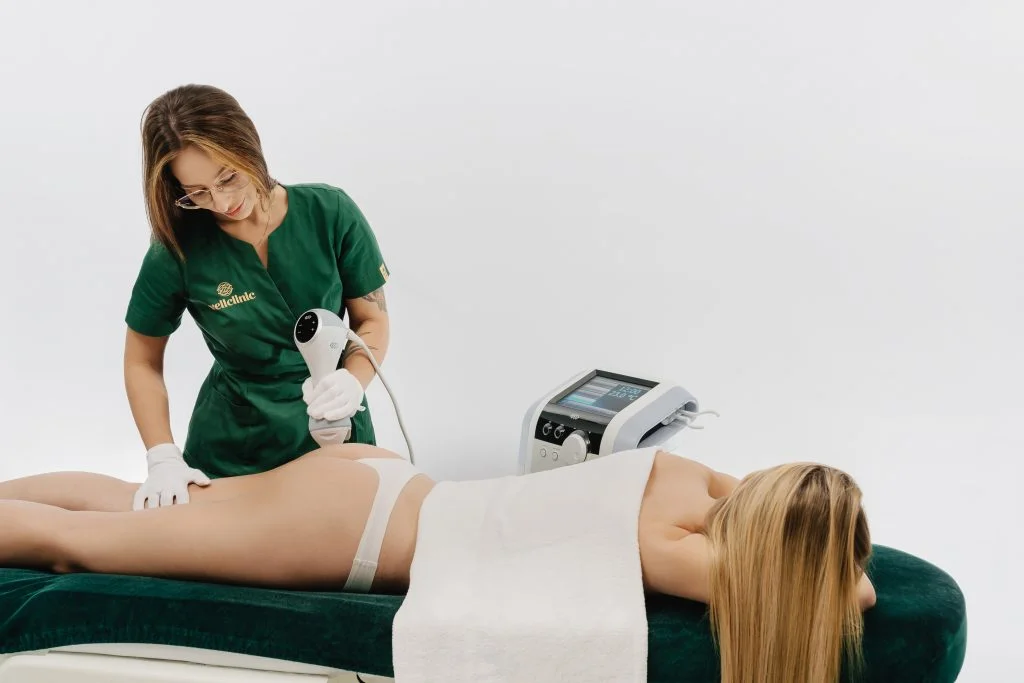
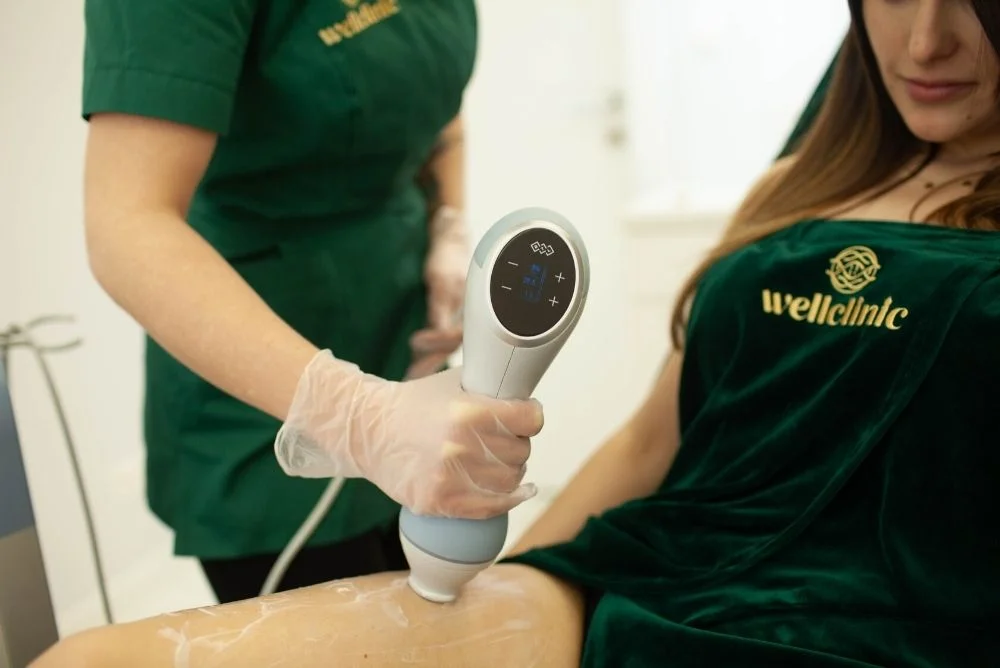
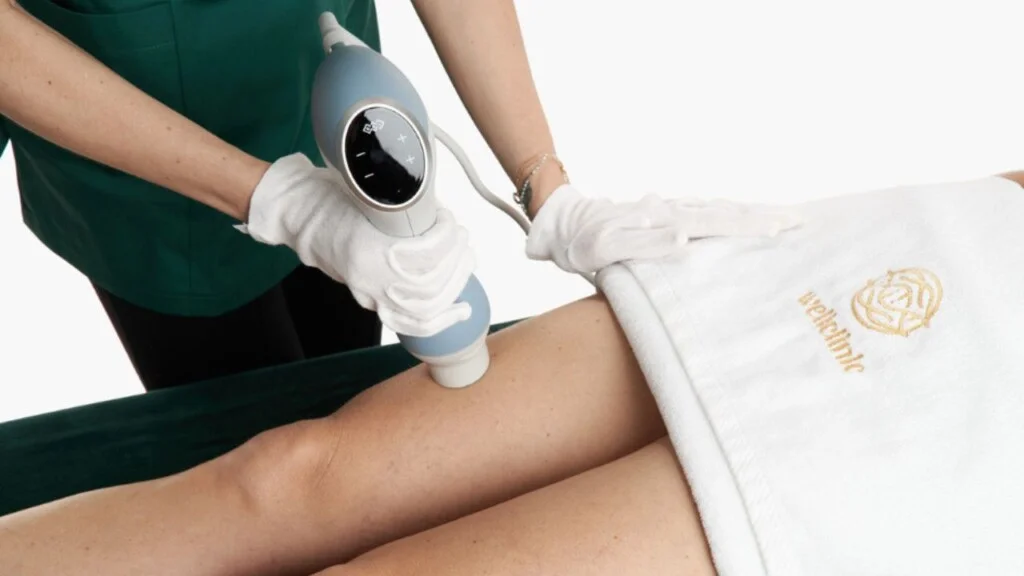
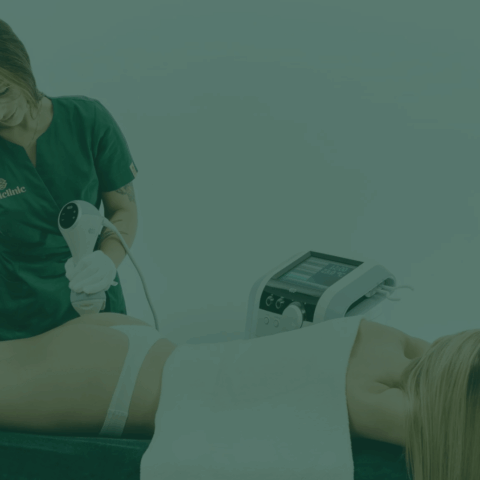
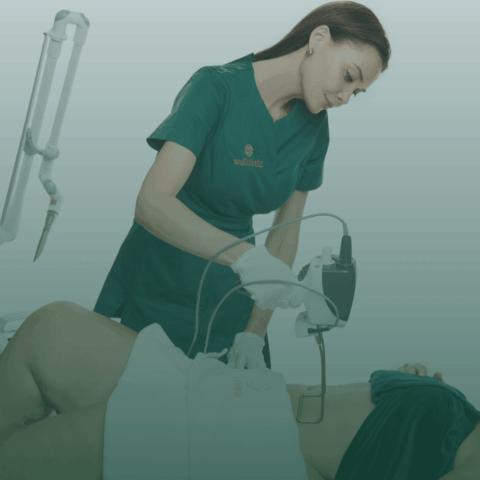
One solution is permanent removal of cellulite, which combines the effects of monopolar radiofrequency with focused acoustic waves. The combination of these technologies is designed to improve the condition of the skin, increase its firmness and reduce the appearance of the dimpling characteristic of cellulite. The treatment is non-invasive, and the treatment plan – including the number of sessions – is tailored to each individual, taking into account the condition of their skin and their specific needs.
Feedback from patients following Unison therapy
The effects of Unison therapy may vary depending on the condition of the skin, the severity of cellulite and individual predispositions. For many women, the most important goals are to improve firmness, smooth the skin and reduce the appearance of dimpling on the thighs, buttocks or hips. Below, we present some patient case studies which illustrate which aspects of the treatment to focus on when assessing its results.
„What bothered me most was the cellulite on my thighs, which remained visible despite regular exercise. I decided to go for Unison therapy because I wanted to smooth my skin and improve its firmness. After the treatments, I’ve been paying particular attention to the appearance of my skin and how my thighs look.”. Anna, aged 34
„As I’ve got older, I’ve noticed that the skin on my thighs and bottom has become less firm. I was looking for a treatment that would help improve its appearance without surgery. I opted for a treatment to tackle persistent cellulite, and I appreciate the fact that it focuses on both skin firmness and the appearance of dimpling.”. Katarzyna, aged 42
„I lead an active lifestyle, but I could still see cellulite, particularly on the back of my thighs. I wanted to supplement my daily skincare routine with a professional treatment. I was keen to achieve a natural-looking result and improve the condition of my skin.”. Magdalena, aged 29
„The biggest problem for me was the loss of skin firmness and unevenness in the thigh area. Before starting the treatment, I wanted to find out about the procedure’s capabilities and what I could realistically expect. I was keen to improve the appearance of my skin, rather than to lose weight. I’m glad I was able to tailor the treatment to my needs.”. Joanna, aged 47
Would you like to find out how to effectively reduce cellulite and improve skin firmness? Book a consultation with a specialist at Wellclinic. During your appointment, we will assess the condition of your skin to take your needs into account and draw up a treatment plan. No random treatments or empty promises. With a specific aim: to improve the appearance of your skin and select the right treatment for you.
Sources:
- PubMed „A Clinical Guide to the Treatment of Cellulite and a Comprehensive Review of the Aetiology, Pathophysiology and Utility of Intervention”
https://pubmed.ncbi.nlm.nih.gov/38057600/ - PubMed „Insights into the Pathophysiology of Cellulite: A Review” https://pubmed.ncbi.nlm.nih.gov/32676142/
- PubMed „Cellulite and extracorporeal shockwave therapy (CelluShock-2009) – a randomised trial” https://pubmed.ncbi.nlm.nih.gov/20977764/
- PubMed „Cellulite and focused extracorporeal shockwave therapy for non-invasive body contouring: a randomised trial”
https://pubmed.ncbi.nlm.nih.gov/24297647/ - PubMed „Comparative Analysis of Cellulite Treatment Modalities: A Systematic Review” https://pubmed.ncbi.nlm.nih.gov/39547984/
- Cleveland Clinic „Cellulite: What It Is, Causes, Where It Appears & Treatment” https://my.clevelandclinic.org/health/diseases/17694-cellulite
- American Academy of Dermatology (AAD) „Cellulite treatments: What really works?” https://www.aad.org/public/cosmetic/fat-removal/cellulite-treatments-what-really-works





 +48 600 100 177