You can do everything „properly” - cleanse your skin thoroughly, use good skincare products and stick to your skincare routine - and yet your acne may still get worse. The worst thing is that it’s easy to think that all you need to do is find an even better cream or another cleansing product. Meanwhile, months of fruitless attempts do more than just test your patience. Active acne lesions can leave behind discolouration and scars, which you then have to spend much longer working on.
Acne despite skincare It can occur even when your daily skincare routine is well suited to your skin’s needs. This is because it is not always caused by improper cleansing or poorly chosen skincare products. Its development is influenced by a combination of factors, including excessive sebum production, keratinisation disorders, blocked hair follicles, and the presence of Cutibacterium acnes and inflammation.
Therefore, rather than constantly changing your skincare products, it is worth identifying what actually sustains the improvements. In certain cases, one way of supporting the treatment of active acne may be laser acne treatment. However, the choice of an appropriate treatment should be based on an assessment of the type of changes, their severity and the condition of the skin.
Why do I have spots when I look after my skin?
One of the key causes of acne There is excessive activity of the sebaceous glands. Increased sebum production can lead to its build-up within the hair follicles. This problem is particularly noticeable in people who have oily skin, a condition characterised by increased sebum production.
At the same time, the process of epidermal keratinisation may be disrupted. Exfoliating cells may accumulate in the hair follicle openings, hindering the normal release of sebum onto the skin’s surface. Under such conditions, the following occur: blackheads - both open and closed.
A blocked hair follicle becomes an environment conducive to the growth of Cutibacterium acnes. This bacterium is naturally present on the skin, but under certain conditions it can contribute to the worsening of the inflammatory reaction. As a result, papules and pustules appear, and in more severe cases, deep, painful lesions may also develop. It is worth remembering that pustules on the face They may also have other causes, which is why it is important to diagnose the problem correctly.
This shows why acne cannot be attributed solely to the way you cleanse your face. Washing your face too vigorously does not address the root cause of the problem; moreover, it can weaken the skin’s natural protective barrier and make it more prone to irritation.
Why do I have spots?, even though I look after my skin? There are several possible answers. Factors such as hormones, genetic predisposition, stress, certain medicines, diet and the cosmetics used may all play a part.
Androgens play a major role, as they stimulate the sebaceous glands. For this reason, acne often appears during puberty. However, this does not mean that the problem affects only teenagers. The condition can also persist into later life or only appear in adulthood.
In women, the condition may worsen at certain times of the menstrual cycle. It often appears in the lower part of the face, particularly around the chin and jawline. If acne appears suddenly in adulthood or is accompanied by other symptoms that may indicate hormonal imbalances, it is worth consulting a specialist. In some situations, it may be helpful to have hormone tests in women.
Genetic factors must not be overlooked either. These predispositions may relate, amongst other things, to the activity of the sebaceous glands, the way the skin keratinises, and the severity of the inflammatory response. This is why people following very similar skincare routines may experience completely different courses of acne.
Can stress cause spots?
Stress is not the only cause of acne, but it can influence its course and severity. Prolonged stress affects the functioning of the whole body, including the endocrine system and the condition of the skin. In people prone to acne, it can therefore contribute to its worsening.
Behaviours associated with stress also play a role. Lack of sleep, irregular meals, touching your face more frequently or skipping certain steps in your skincare routine can further worsen the condition of your skin.
However, stress should not be held solely responsible for the appearance of spots. It is one of many factors that can influence the course of acne.
Can cosmetics make acne worse?
Cosmetics can affect the condition of the skin, particularly if they do not suit its needs. Heavy formulations can encourage the formation of blackheads in people prone to them. Using too many products containing potent active ingredients can also be a problem.
Various methods are used in the care of acne-prone skin active cosmetic ingredients, whose functions may include, amongst other things, supporting healthy złuszczania, regulating sebum production or improving the condition of the skin.
Popular ingredients include, amongst others, retinol. When used correctly, active ingredients can be a valuable part of a skincare routine; however, using too much will not necessarily produce better results.
Applying zł too frequently, or using several potentially irritating products at the same time, can lead to dryness, redness and a weakened skin barrier. Therefore, in the case of acne-prone skin, it is important not only to target the lesions but also to maintain an adequate level of hydration.
More does not mean better.
Over-drying the skin in the hope of reducing sebum production may have the opposite effect to that intended. A properly tailored skincare routine should combine treatment targeted at acne lesions with protection of the skin barrier.
Adult acne versus teenage acne
Acne does not always clear up once puberty is over. For some people, the symptoms persist for years afterwards, whilst for others they only appear after the age of 25.
Adult acne may follow a slightly different course to the lesions typically seen in teenagers. In women, recurrent lesions are often observed on the lower part of the face, particularly around the chin and jawline. These may take the form of isolated, deep and painful inflammatory lesions.
In the case of severe purulent lesions, it is also worth considering the possibility of pustular acne, which is characterised by a more severe course.
As an adult, it is worth taking a broader view of the problem. Hormonal balance, medication, stress, genetic factors and the cosmetics you use may all play a role. That is why simply changing your cream, serum or cleansing gel does not always lead to the improvement you might expect.
Recurrent acne - when is skincare not enough?
Recurrent acne can be particularly frustrating. Some lesions disappear, only for others to appear almost immediately in their place. Over time, they may leave post-inflammatory hyperpigmentation, and in cases of severe inflammation, they may also acne scars.
In such a situation, constantly changing your skincare products will not necessarily solve the problem. Nor will increasingly vigorous cleansing, exfoliation or the use of more and more active ingredients.
It is worth considering consulting a specialist, particularly if your acne keeps coming back despite following a proper skincare routine, or if the lesions are deep, painful or inflammatory, leave discolouration or lead to scarring. It is also worth paying attention to situations where the problem persists for many months or has appeared suddenly in adulthood.
In the case of severe or chronic symptoms, it is advisable to consult a a dermatologist, who will assess the nature of the problem and help determine the appropriate course of action.
The longer severe inflammation persists, the greater the risk of permanent scarring may be. It is therefore important not to delay having your skin properly assessed.
Does diet affect acne?
The link between diet and acne is more complex than popular guidebooks suggest. There is no single, universal diet that will solve the problem for everyone.
For some people, a diet with a high glycaemic index may be a factor. A rapid rise in glucose and insulin levels can affect pathways linked, amongst other things, to sebum production and processes occurring in the skin.
However, this does not mean that a single food product is responsible for the appearance of every spot. If acne is severe, simply changing one’s diet is not usually a substitute for a properly tailored treatment plan.
Acne, Scars and Discolouration
Active acne can leave marks even when individual lesions heal relatively quickly. Red or brown patches visible after the inflammation has subsided may be linked, amongst other things, to post-inflammatory hyperpigmentation or persistent erythema. However, they are not the same as scars.
Acne blemishes They may remain on the skin long after the active inflammation has subsided. Their appearance and duration depend, amongst other things, on skin type, the severity of the lesions and the individual’s response to the inflammation.
In turn facial scars They arise as a result of damage to the deeper layers of the skin. In the case of acne, they may take the form of indentations and uneven patches, and sometimes also involve excessive tissue growth.
One of the characteristic consequences of severe inflammatory changes is acne scars, which may remain visible long after the active acne has cleared up.
For this reason, the treatment of acne should not focus solely on quickly clearing up individual lesions. It is equally important to reduce active inflammation and prevent the formation of further lesions, which may leave permanent marks.
Acne treatment - when is extra support needed?
A properly chosen skincare regime is an important part of managing acne, but its effectiveness is limited. If the lesions persist or recur regularly, treatment targeting the mechanisms responsible for their development may be necessary.
The choice of treatment should depend, amongst other things, on the type of lesions, their severity and the current condition of the skin. Skin with a predominance of blackheads may require a different approach to skin with severe inflammatory lesions.
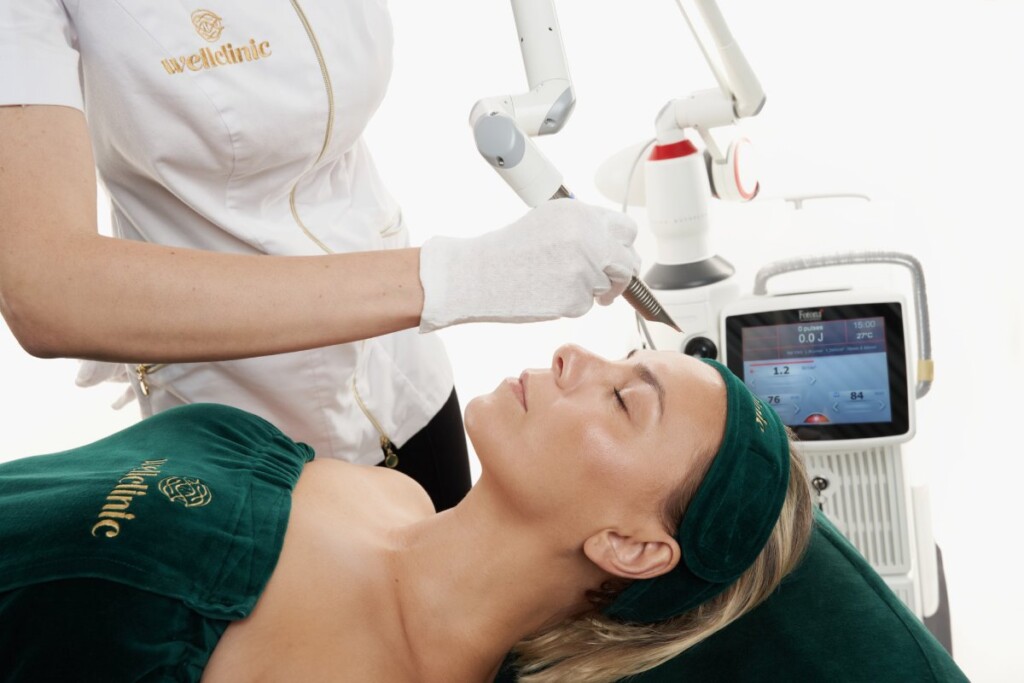
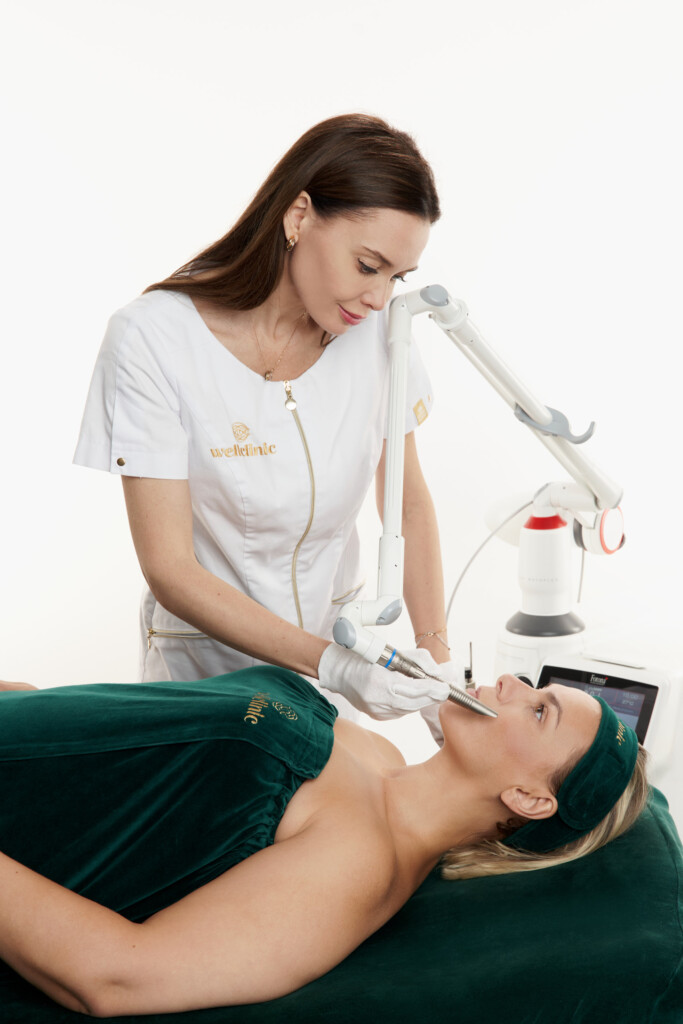
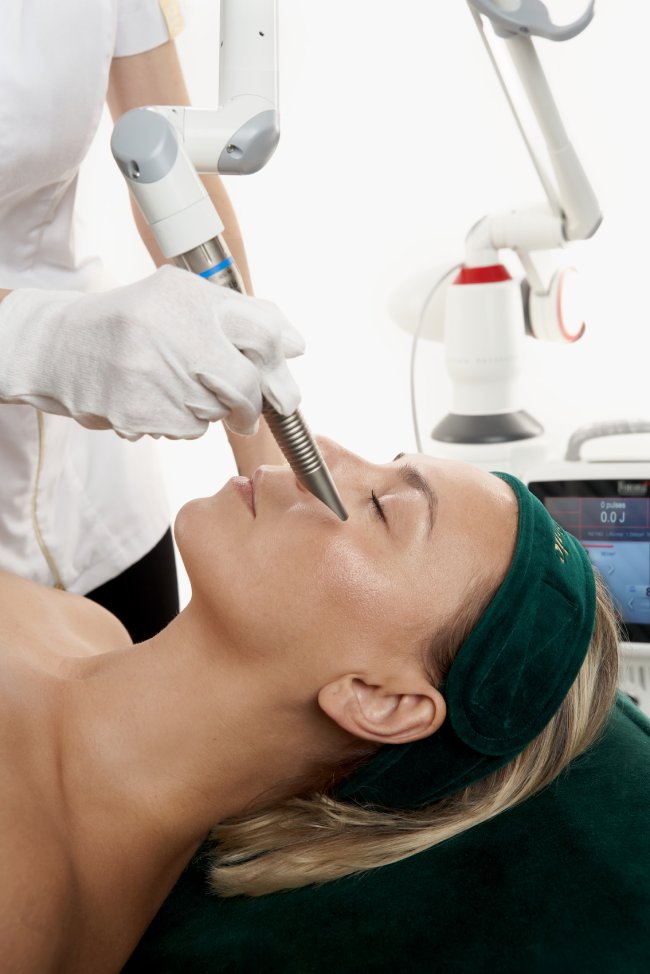
In certain cases, the following may be used laser acne treatment. Laser therapy It can be used as part of the treatment for certain skin conditions, and the method of application depends on the indications. Depending on the method used, laser therapy can help reduce active lesions and influence processes related to sebum secretion and inflammation. A suitably chosen procedure should take into account both the type of lesions and the current condition of the skin.
Laser treatment is not a substitute for every form of treatment and is not suitable for every patient. The appropriateness of its use depends, amongst other things, on the type of lesions, their severity and the current condition of the skin.
Good skincare is important, but it isn’t always enough
Skincare for acne-prone skin should, above all, support the skin’s protective barrier, minimise irritation and help maintain the right conditions for regeneration. However, it cannot always, on its own, halt the processes responsible for the formation of new lesions.
If acne despite skincare If it keeps coming back, simply changing your skincare products again may not be the best solution. Instead, it is worth looking into the cause of the problem and assessing the nature of the changes more closely.
The aim should not be merely to quickly remove a single spot. It is also important to curb the processes that fuel acne, reduce inflammation and prevent further breakouts and their consequences.
If permanent marks have already formed on the skin, an appropriately tailored treatment plan may also include removal of acne scars and measures aimed at reducing acne-related discolouration.
A good skincare routine is the first step. If your spots keep coming back, it’s time to take action.
You can spend months switching between different skincare products, treating each new breakout and hoping that this time the problem will go away on its own. But if your acne keeps coming back, simply waiting won’t address the underlying cause. What’s more, active spots can leave behind discolouration and scars, which remain on the skin for much longer than the acne itself.
If acne despite skincare If the problem keeps coming back, don’t just add another skincare product on a whim. Find out what’s causing the problem and what solution will be right for your skin. Book a consultation and have your skin condition assessed by a medical team. Based on the type of lesions, their severity and the condition of your skin, a personalised treatment plan can be drawn up, including appropriate skincare and treatments to support your therapy, such as laser acne treatment.
Sources:
- American Academy of Dermatology „Acne: Diagnosis and treatment”
https://www.aad.org/public/diseases/acne/derm-treat/treat - American Academy of Dermatology „Acne: Overview”
https://www.aad.org/public/diseases/acne/what-is - NICE „Acne vulgaris: management (NG198)”
https://www.nice.org.uk/guidance/ng198 - PubMed „Guidelines for the management of acne vulgaris”
https://pubmed.ncbi.nlm.nih.gov/26897386/ - PubMed „Acne Vulgaris: Diagnosis and Treatment”
https://pubmed.ncbi.nlm.nih.gov/34525865/ - DermNet „Acne”
https://dermnetnz.org/topics/acne - Mayo Clinic „Acne: Symptoms and causes”
https://www.mayoclinic.org/diseases-conditions/acne/symptoms-causes/syc-20368047